You've seen them at the farmer's market, those beautiful, fan-shaped clusters with a delicate gray or tan hue. Oyster mushrooms look elegant, almost too pretty to eat. But then you pick them up, and the question hits: what do oyster mushrooms taste like? Will they live up to their fancy appearance, or are they just another bland fungus?
I remember my first time. I tossed them into a stir-fry, expecting a punch of flavor. They were... fine. A bit chewy, sort of mild. It wasn't until I learned a few simple tricks—mistakes most beginners make—that I unlocked their true potential. Now, they're a weekly staple in my kitchen. Let's cut through the vague descriptions and get into what you really need to know.
What You'll Discover
The Real Flavor Profile: Beyond "Mushroomy"
Calling oyster mushrooms "mushroomy" is like saying wine tastes "grapey." It's true, but it misses the nuance. Their flavor is subtle, complex, and changes with how you treat them.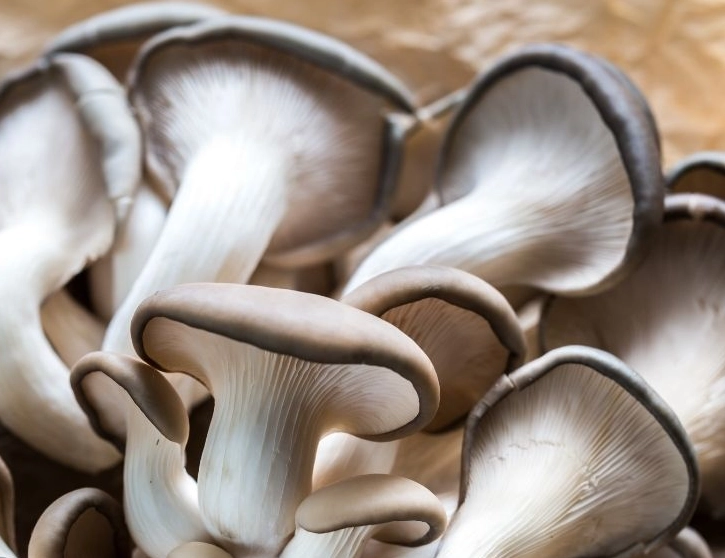
The baseline taste is mild and savory. Think gentle umami, the satisfying depth you get from a good vegetable broth. They lack the earthy, sometimes pungent kick of a portobello or the intense woodsiness of a shiitake. This mildness is their superpower—it makes them incredibly versatile.
Expert Note: Many guides mention a "hint of anise or black licorice." In my experience, this note is very faint and most noticeable in the raw mushroom or in the first few seconds of cooking. If you're not looking for it, you might miss it entirely. A more reliable secondary note is a subtle, sweet almond-like aroma, especially when they're fresh.
Where oyster mushrooms truly shine is in their ability to absorb and amplify other flavors. They're like a culinary sponge. Cook them with garlic and thyme, and they'll taste like garlic and thyme. Simmer them in a miso broth, and they become little umami bombs. This is why they're so beloved in plant-based cooking—they provide a savory base that carries other seasonings beautifully.
Do They Taste Like Oysters?
Short answer: no. The name comes purely from their physical resemblance to a cluster of oysters, not their flavor profile. You won't get any briny, seafood-like taste. Anyone who tells you otherwise is likely imagining the texture of a perfectly cooked oyster, which can be similar—soft, tender, and slightly silky.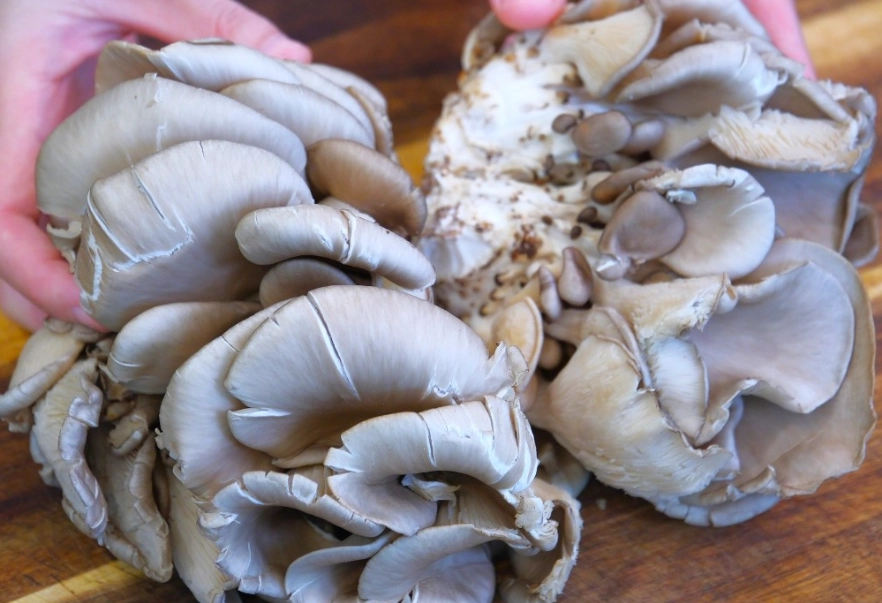
Texture Matters More Than You Think
If flavor is the melody, texture is the rhythm. With oyster mushrooms, texture is half the experience.
Raw, they're unremarkable—a bit tough and rubbery. Cooking transforms them. When cooked correctly, the texture is where the magic happens:
- Velvety and Tender: The caps become soft and almost buttery, melting in your mouth.
- Meaty Without Being Chewy: The thicker stems have a pleasant, substantial bite that mimics the mouthfeel of poultry or shellfish, without any stringiness. This is the core of their "meaty" reputation.
- Delicate Crispness: When exposed to high, dry heat (like roasting or saut\u00e9ing), the feathery edges can become delightfully crisp, adding a fantastic contrast.
Get the texture wrong, and the whole dish suffers. Soggy, waterlogged oyster mushrooms are a sad affair—flavorless and slimy.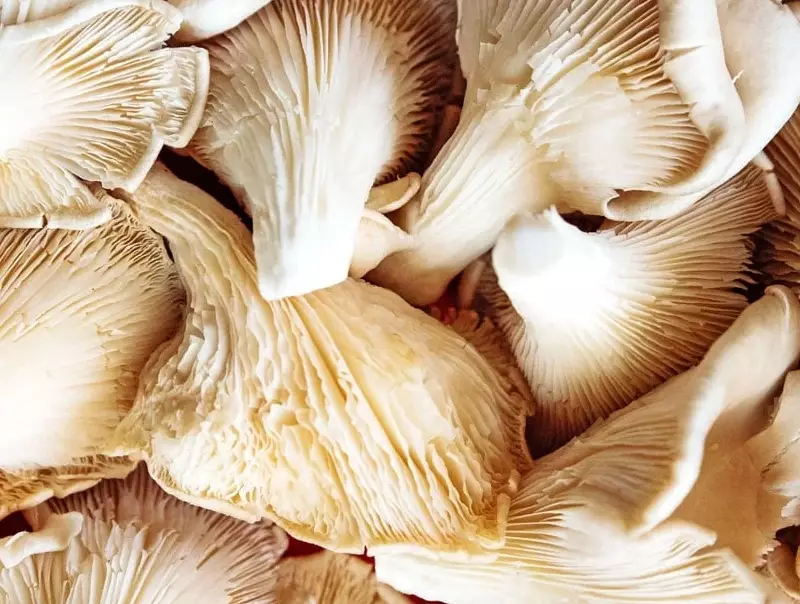
How Cooking Method Radically Changes the Taste
This is the most important part. The way you cook an oyster mushroom dictates its final personality. It's not just about doneness; it's about flavor development.
| Cooking Method | Resulting Flavor & Texture | Best For | Key Tip |
|---|---|---|---|
| High-Heat Saut\u00e9 / Stir-Fry | Nutty, rich, caramelized. Edges get crisp, centers stay tender. Maximizes savory depth. | Pasta, rice bowls, as a side dish. | Don't crowd the pan. Use medium-high heat and a little oil. Let them sear without moving for a minute or two. |
| Roasting / Grilling | Concentrated, smoky, almost bacony. Texture becomes meaty and slightly chewy in the best way. | Sandwiches, salads, tacos, as a standalone "steak." | Toss with oil, salt, and spread in a single layer on a baking sheet. Roast at 400\u00b0F (200\u00b0C) for 15-20 mins. |
| Braising / Stewing | Silky, deeply infused with broth flavors. Texture becomes supremely tender and succulent. | Soups, stews, curries, ragus. | Add them in the last 10-15 minutes of cooking. They'll soak up the liquid but won't disintegrate. |
| Frying (Tempura) | Light, crisp exterior with a hot, juicy interior. Flavor is clean and pure. | Appetizers, topping for ramen. | Keep the batter light and cold. Fry quickly at 350-375\u00b0F (175-190\u00b0C). |
My personal favorite? Roasting. It's foolproof and intensifies their natural savoriness in a way that always impresses. I'll tear a cluster into large pieces, drizzle with olive oil, smoked paprika, and a touch of maple syrup, then roast until the tips are blackened. The flavor is incredible—sweet, smoky, and deeply savory.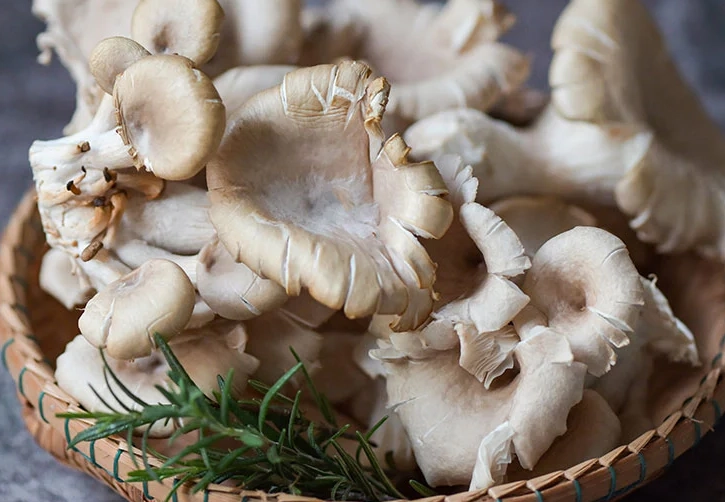
Common Mistakes That Ruin the Flavor (And How to Avoid Them)
I've made these errors so you don't have to.
1. Washing Them Under Running Water. Mushrooms are sponges. Soaking them waterlogs them, guaranteeing a steamed, flavorless result. Instead, use a damp paper towel or a soft brush to wipe off any dirt. If you must rinse, do it quickly and pat them very dry immediately. The folks at Cook's Illustrated have tested this extensively—dry mushrooms brown better.
2. Crowding the Pan. This is the #1 reason home cooks end up with soggy mushrooms. You need space for moisture to evaporate. If the pan is too full, the mushrooms steam in their own liquid. Cook in batches if necessary. It's worth the extra five minutes.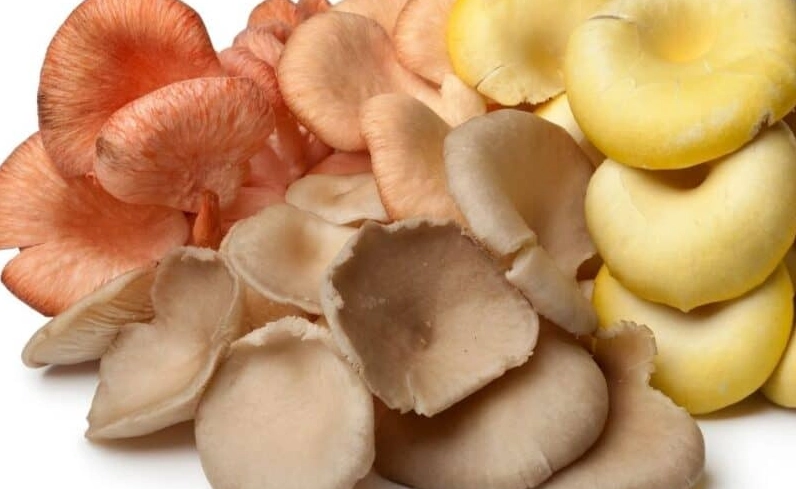
3. Cooking on Too Low Heat. A timid pan won't create the Maillard reaction—the chemical process that creates browning and complex, tasty compounds. Get your pan nice and hot before adding the mushrooms. You should hear a sizzle.
4. Underseasoning. Because their flavor is mild, they need salt. Don't be shy. Salt early in the cooking process to help draw out moisture. They also love garlic, herbs (thyme, rosemary), soy sauce, and a splash of acid (lemon juice, vinegar) at the end to brighten everything up.
Simple, Killer Pairing Ideas
Want to taste oyster mushrooms at their best? Try these combinations.
- With Cream & Pasta: Saut\u00e9ed oysters, garlic, a glug of white wine, reduced cream, tossed with fettuccine and parsley. Classic for a reason.
- The "Umami Bomb" Bowl: Roasted oyster mushrooms over rice with a soft-boiled egg, avocado, quick-pickled cucumbers, and a drizzle of spicy mayo and soy sauce.
- Breakfast Upgrade: Saut\u00e9 them with shallots and pile them on top of buttery scrambled eggs or a cheesy omelet.
- Hearty Soup: Add them to a simple potato leek soup in the last 10 minutes. They add a meaty texture that makes the soup feel more substantial.
They're also fantastic in risotto, on pizza, or simply piled on a thick slice of toasted sourdough with ricotta and honey.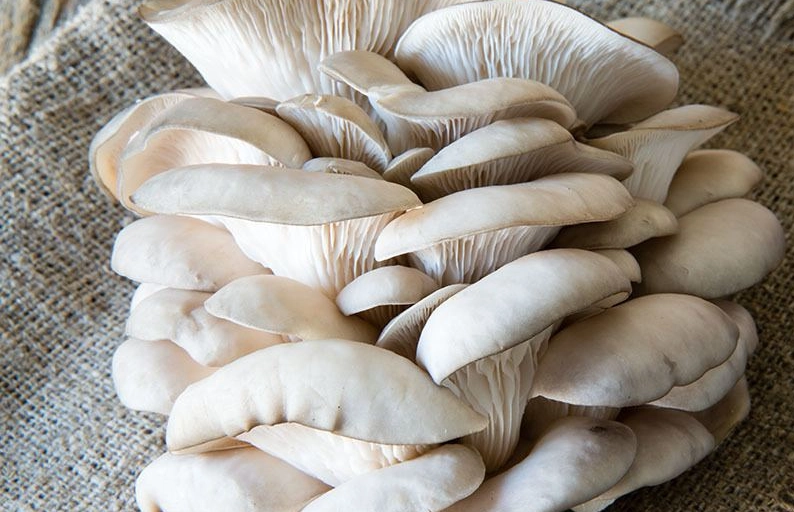
Your Questions, Answered

So, what do oyster mushrooms taste like? They taste like opportunity. They're a blank, savory canvas waiting for your culinary brushstrokes. Don't be intimidated by their delicate looks. Treat them with a little boldness—high heat, good seasoning, and the patience not to crowd them—and they'll reward you with a versatile, satisfying ingredient that can anchor a meal.
Grab a cluster this week. Tear it up, toss it with oil and salt, and throw it in a hot pan. Taste the transformation for yourself.
Reader Comments