You see them piled high at the farmer's market in late summer—plump, mysterious, and sometimes intimidating. Figs. They're not all created equal. Picking the wrong one can mean a bland experience or a recipe that just doesn't work. I learned this the hard way years ago, trying to make a fancy fig tart with a variety that turned to mush. That failure sent me down a rabbit hole, talking to growers, testing varieties side-by-side in my kitchen, and figuring out what makes each fig unique. This guide is the result. We're going to move past the generic label and get into the specifics of each major type of fig, what they taste like, and exactly what you should do with them.
What's Inside This Guide
The Fresh Fig Lineup: A Visual & Flavor Guide
Let's meet the contenders. This table breaks down the most common fresh figs you'll encounter in North America. But remember, regional growers often have local favorites with different names.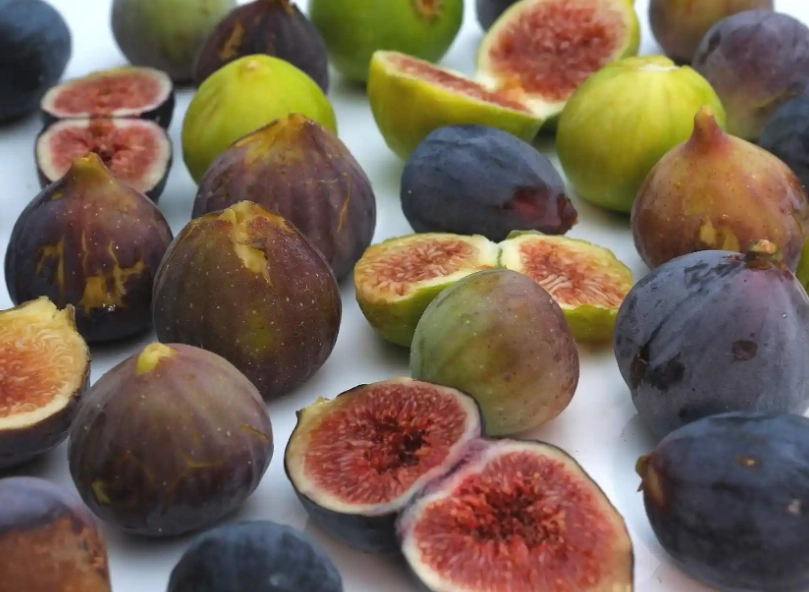
| Variety Name | Skin Color | Interior Color | Key Flavor Notes | Best Use |
|---|---|---|---|---|
| Black Mission | Deep purple-black | Strawberry pink/red | Berry jam, intense sweetness | Fresh eating, roasting, salads |
| Brown Turkey | Copper-brown | Amber to pink | Classic fig, earthy, nutty | Preserves, baking, stuffing |
| Kadota | Pale green-yellow | Light amber | Mild, honey-like, less sweet | Canning, fresh cheese pairings |
| Calimyrna | Golden green | Light beige | Butterscotch, nutty, rich | Dried (common), luxury fresh eating |
| Adriatic (Green Ischia) | Bright green | Vibrant pink/red | Very sweet, honey, floral | Fresh eating, desserts, jam |
The table gives you the basics, but the real character is in the details.
Black Mission: The Reliable Crowd-Pleaser
This is probably the fig you know. It's everywhere for a reason. The skin is a dramatic dark purple, almost black, and the inside is a shocking, gorgeous pink. The flavor is bold—think concentrated berry jam with a honey finish. It's sweet, but not cloying. Texture-wise, it has more seeds than some varieties, which gives a pleasant little crunch. Because it's so reliable and flavorful, it's my go-to for just about everything when I'm at the market and feeling indecisive. Slice it over yogurt, toss it in a salad with arugula and goat cheese, or roast it with a balsamic glaze. It rarely disappoints.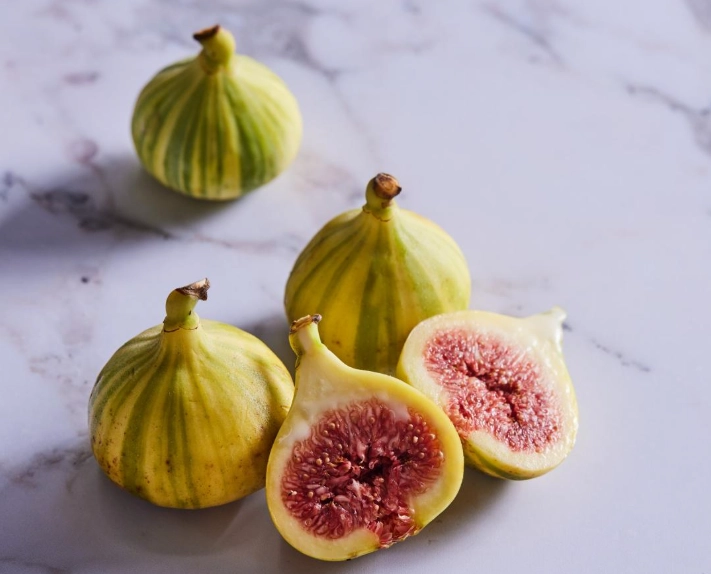
Brown Turkey: The Workhorse
Don't let the name fool you; there's nothing poultry-like about this fig. It's larger, with a rustic, copper-brown skin. The flavor is more earthy and nutty compared to Mission's berry blast. It's the "figgiest" fig, if that makes sense—the flavor profile most people imagine when they think of a classic fig. Where it truly shines is in cooked applications. Its flesh holds up beautifully to heat. This is the variety I reach for when making jam, chutney, or stuffing for pork tenderloin. It has a thicker skin that softens nicely when cooked, and its robust flavor stands up to spices and other ingredients without getting lost. A lot of commercial fig preserves are made from Brown Turkey for this exact reason.
The Green Figs: Kadota, Calimyrna & Adriatic
This is where things get interesting, and where many people get confused.
Kadota figs are the mild-mannered ones. Pale green skin, light interior, and a subtle, honeyed sweetness. They're the least seedy, making for a smoother texture. They're fantastic if you find other figs too intense. Their mildness makes them perfect for pairing with sharp cheeses or in recipes where you want a hint of sweetness without overpowering other flavors. They also can beautifully.
Calimyrna is a special case. You almost always see it dried—it's the large, beige, nutty-tasting dried fig. Finding it fresh is a treat. The fresh version has a golden-green skin and an incredibly rich, butterscotch-like flavor. It's less juicy than Mission but more complex. If you see fresh Calimyrna at a specialty grocer, buy them. Just eat them plain to appreciate the flavor.
Adriatic figs (often sold as "Green Ischia") are the secret superstars. Bright green on the outside, stunning pink on the inside. They are explosively sweet, with a pure, floral honey flavor and very small seeds. They're delicate and don't travel as well, which is why they're less common in big supermarkets. If you find them at a farmer's market, grab them. They are, in my opinion, the ultimate fresh-eating fig. Their delicate flavor gets muddled in cooking, so just enjoy them as nature intended.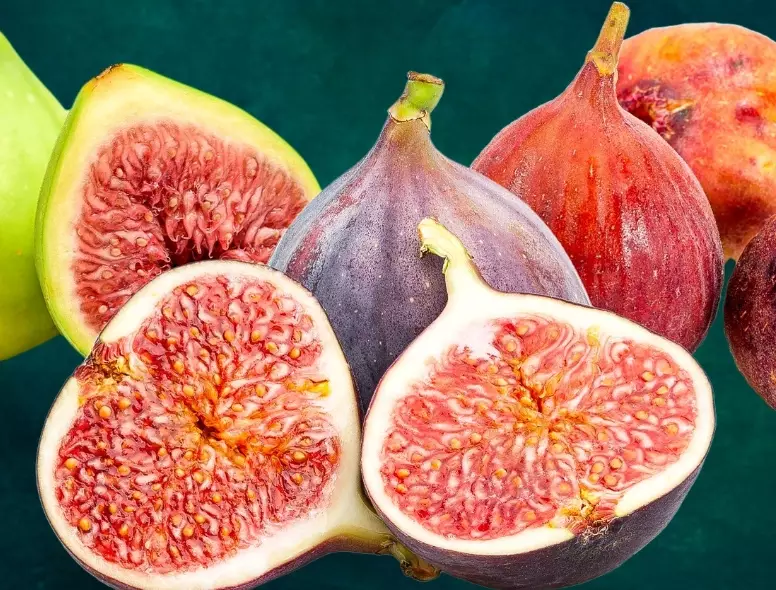
A Quick Note on "Breba" vs. "Main" Crop
Here's a bit of insider fig knowledge. Many fig trees produce two crops. The first, called the breba crop, grows on last year's wood and ripens in early summer. These figs are often larger but can be less sweet and more watery. The second, the main crop, grows on new growth and ripens from late summer into fall. These are the figs with concentrated flavor and sweetness. When you're buying in peak season (August-October), you're likely getting the superior main crop.
How to Choose the Perfect Fig for Your Needs
It's not just about grabbing the prettiest basket. Your end goal should guide your choice.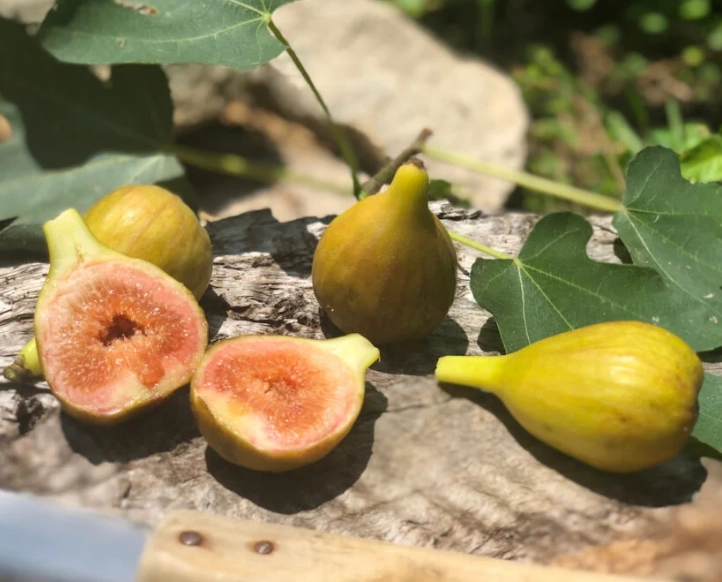
For a Cheese Board or Fresh Snacking: Prioritize texture and pure flavor. Adriatic is the top-tier choice if you can find it. Black Mission is the reliable, widely available backup that always works. Their jammy interiors and balanced sweetness are perfect with cheeses like manchego, gorgonzola, or a fresh goat cheese.
For Baking (Tarts, Galettes, Clafoutis): You need a fig that won't release a flood of water and make your pastry soggy. Brown Turkey and Kadota are champions here. Their slightly denser flesh holds its shape better during baking. Slice them and arrange them beautifully—they won't disintegrate.
For Jams, Preserves, or Compotes: Flavor intensity and pectin content matter. Brown Turkey is, again, the gold standard. Its earthy sweetness makes a classic, deep-flavored jam. Mixing in a few Black Mission figs can add a nice berry note and beautiful color. Avoid using only very watery varieties for jam, or you'll be cooking it forever to get it to set.
For Salads: You want a fig that provides a sweet pop and holds its shape when lightly dressed. Black Mission is perfect. Halve or quarter them. Their color contrast against greens is stunning, and their flavor stands up to vinaigrettes.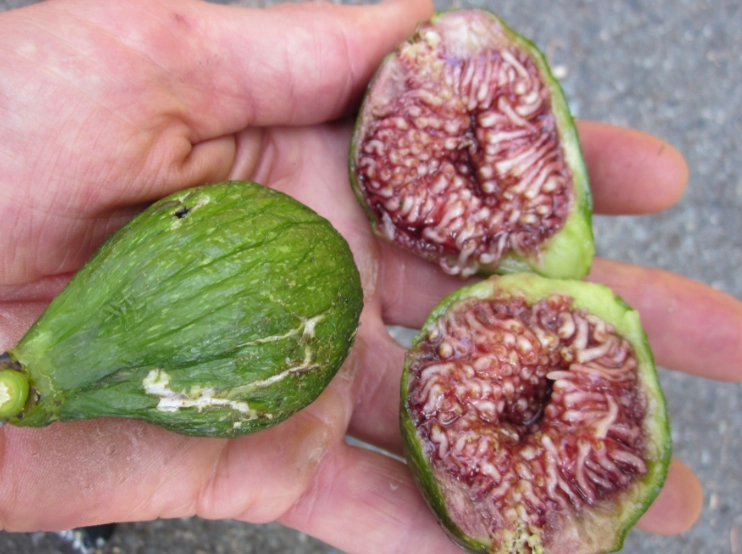
The Practical Stuff: Buying, Storing & Handling Figs
Figs are incredibly perishable. Knowing how to handle them is half the battle.
Where to Buy: Your best bet for quality and variety is always a local farmer's market in season. You'll find ripe, freshly picked figs and can often talk to the grower about the specific variety. Higher-end grocery stores (like Whole Foods or specialty grocers) will have a better selection than standard supermarkets. I've had poor luck with figs at big-box stores—they're often picked too hard and never develop proper sweetness.
Price Point: Expect to pay a premium. Fresh figs are delicate and have a short shelf life. Prices can range from $5 to $10 per pint, depending on the variety and source. Specialty or organic varieties will be on the higher end.
The Ripeness Test: A perfectly ripe fig is a thing of beauty. It should feel heavy for its size and yield gently to a squeeze, like a ripe peach. The stem should be slightly bent, not straight and rigid. Avoid figs with bruises, deep cracks (a small split at the bottom is often a sign of peak sweetness), or any sour smell. Color is a guide, but feel is more important. A hard fig will not ripen properly off the tree.
Storage: This is critical. Do not wash figs until you're ready to eat them. Moisture accelerates decay. Place them in a single layer on a paper towel-lined plate or container and refrigerate. They'll last 1-2 days, maybe 3 if you're lucky. Eat them as soon as possible. If you need to store them longer, you can wash, dry, and freeze whole figs on a baking sheet before transferring to a bag. They'll be mushy when thawed but are fine for cooking.
Preparation: Just a quick rinse under cool water and pat dry. The stem is edible but can be a bit tough; you can pinch it off or trim it with a paring knife. You can eat the skin of all varieties—it's where a lot of the nutrients and fiber are. Some people peel Kadotas for a super-smooth texture in fancy applications, but it's not necessary.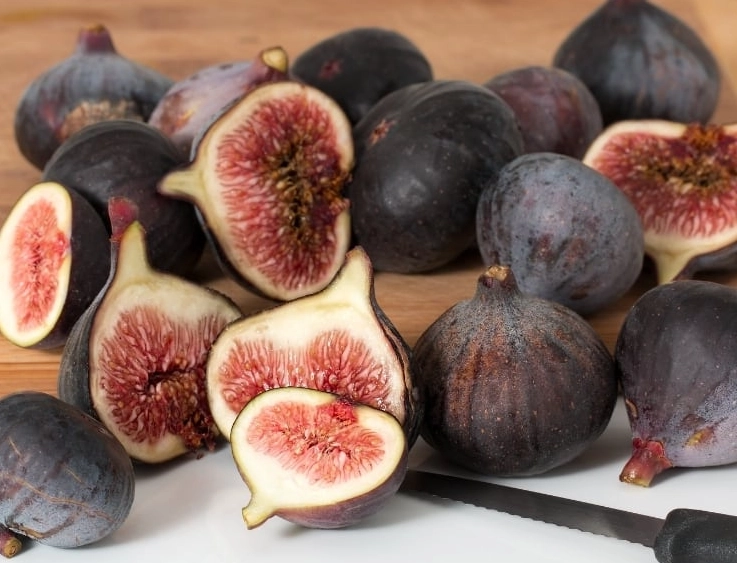
Your Fig Questions, Answered
Figs are a seasonal treasure. With this guide, you can walk into any market, identify what's in front of you, and choose with confidence. Skip the generic bag, ask the vendor for the variety name, and match it to your plan. Whether it's a simple snack, an impressive cheese board, or a jar of homemade jam, picking the right type of fig makes all the difference. Now go find some.
Reader Comments