Quick Navigation
- The Short Answer: When Is Blackberry Season?
- What Actually Determines When Blackberries Ripen?
- A Regional Guide: When Are Blackberries in Season Near You?
- How to Tell When Blackberries Are Ripe and Ready to Pick
- The Top Blackberry Varieties and Their Seasons
- What to Do When Blackberries Are in Season: Picking, Storing, and Using
- Why Bother with Seasonality? The Taste and Health Difference
- Your Blackberry Season Questions, Answered
- Wrapping It Up: Your Action Plan for Blackberry Season
So you're wondering when are blackberries in season. It's one of those questions that seems simple until you actually try to pin it down. I remember driving to a pick-your-own farm one July, absolutely convinced it was prime time, only to find bushes full of hard, red berries. A total letdown. The truth is, the answer isn't just a single month. It's a dance between your location, the weather, and even the type of blackberry plant.
If you're planning to bake a pie, make jam, or just eat them by the handful, timing is everything. A ripe, in-season blackberry is a completely different beast from the bland, sometimes tart ones you find off-season at the grocery store. That burst of deep, sweet-tart juice? That's the prize for getting the timing right.
Let's cut through the confusion. This guide isn't just about slapping a date on a calendar. We're going to dig into why seasons shift, how to know exactly when blackberries are ripe in your backyard, and what to do with them when the time is finally right.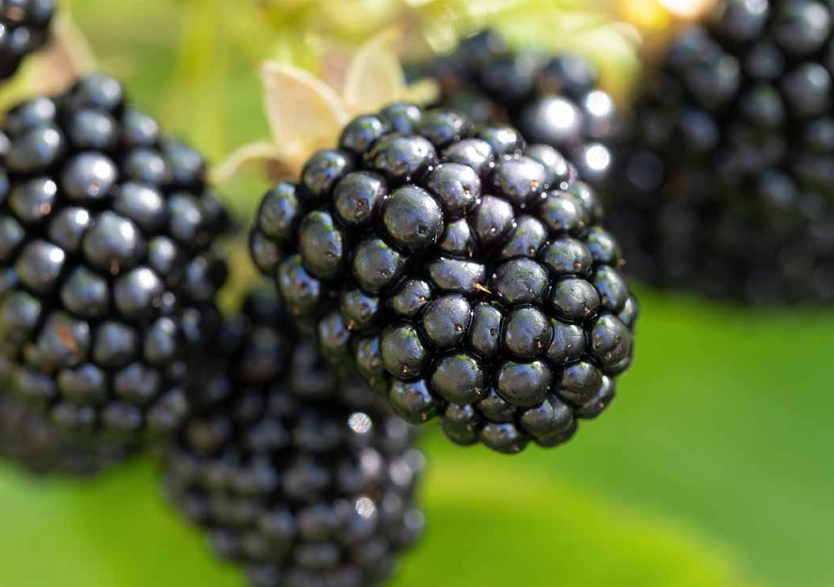
The Short Answer: When Is Blackberry Season?
For most of us in North America, the core blackberry season runs from early July through August. It often peaks in the heart of July. But that's a massive oversimplification, like saying "it rains in spring." In the warmer climates of the Deep South and California, you might start seeing ripe berries as early as late May. Head up to the Pacific Northwest or parts of New England, and you could be waiting until mid-to-late July for the first good pick, with the season stretching into September.
In the UK and much of temperate Europe, the season is typically later, hitting its stride from August to September.
What Actually Determines When Blackberries Ripen?
You can't just mark your calendar and hope for the best. Several factors push and pull on the season. Understanding these makes you a much better forager or shopper.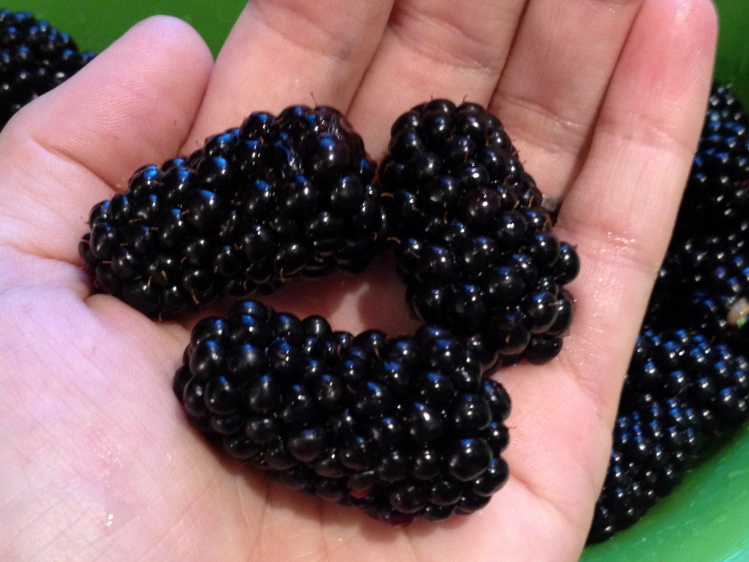
1. Your Geographic Location (This Is the Big One)
This is the master switch. More sunlight and warmer temperatures directly speed up the plant's flowering and fruiting cycle. A blackberry bush in Texas is on a completely different schedule than one in Oregon.
2. The Spring Weather
A late frost after the flowers have bloomed can be a disaster—it kills the delicate blossoms, which means no fruit later. A cold, wet spring can also delay everything. Conversely, an unusually warm spring can kick-start the season early.
3. The Variety of Blackberry
Not all blackberries are created equal. I learned this the hard way after planting a few different types.
- Floricane-bearing (Summer-bearing): These are the classics. They grow canes one year, those canes overwinter, then flower and fruit the next summer. They produce one large, concentrated harvest. This is what most wild blackberries and many garden varieties are.
- Primocane-bearing (Everbearing): A game-changer for home gardeners. These varieties fruit on first-year canes. They often start later in the summer (late July/August) and can keep producing until the first hard frost. You get a later but much longer season. Varieties like 'Prime-Ark® Traveler' are popular for this.
4. Sun Exposure and Microclimates
Even in your own neighborhood, a blackberry bush in full, blazing sun will ripen days or even weeks before one stuck in partial shade. A bush against a warm, south-facing wall is in its own little tropical zone.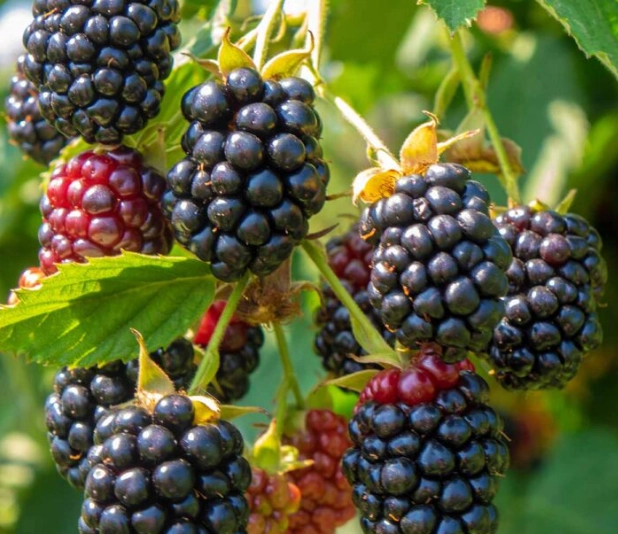
A Regional Guide: When Are Blackberries in Season Near You?
Let's get specific. This table breaks down the typical season windows across major regions. Remember, these are estimates—an unusually hot or cool year will shift things.
| Region | Typical Season Start | Peak Harvest | Season End | Notes |
|---|---|---|---|---|
| Southern US (e.g., Texas, Georgia, Alabama) | Late May - Early June | June - Early July | Mid-July | Season is earlier and shorter due to intense heat. |
| Pacific Northwest (e.g., Oregon, Washington) | Mid-July | Late July - August | September | Longer, milder summers allow for a prolonged, high-quality season. A prime commercial region. |
| Northeastern US & Midwest (e.g., New York, Michigan, Ohio) | Early - Mid July | Late July - August | Early September | Classic summer season. Watch for early fall frosts. |
| California | Early June | June - July | August | Varies greatly from north to south. Central Coast is a major producer. |
| United Kingdom & Ireland | Late July | August - September | October | Associated with late summer/early autumn. Often tied to the old saying about not picking after Michaelmas (Sept 29). |
| Western & Central Europe | July | August | September | Similar to the UK, with mountainous areas being later. |
For hyper-local accuracy, nothing beats checking with your state's agricultural extension service. For example, the University of California's Agriculture and Natural Resources site has fantastic, science-backed guides for California growers, which give clues for foragers too. In the UK, the Royal Horticultural Society provides excellent seasonal gardening advice.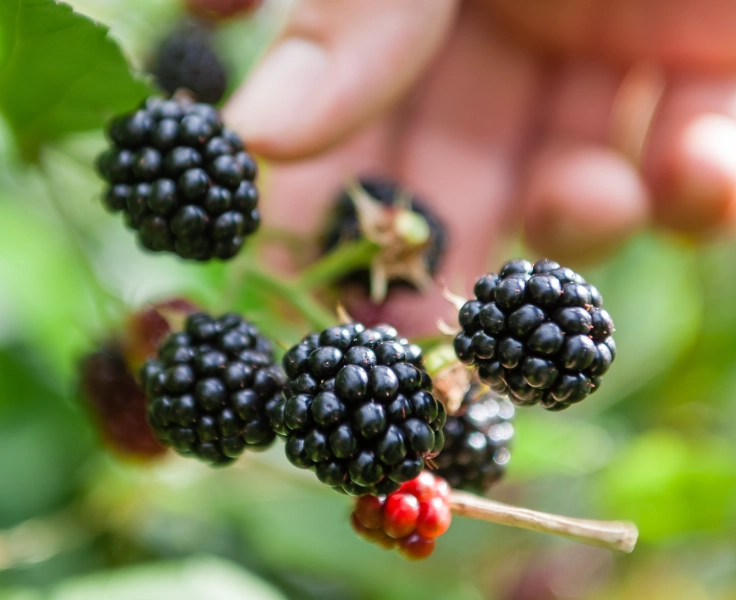
How to Tell When Blackberries Are Ripe and Ready to Pick
Knowing the month is half the battle. The other half is knowing how to spot a perfectly ripe berry. A blackberry is not like an apple or a banana; it doesn't ripen much after it's picked. So getting it right on the bush is critical.
Here’s what you’re looking for:
- Color: This is the most obvious sign. The berry must be a uniform, deep black or very deep purple-blue. No red or pink patches. None. Even a little red means serious tartness.
- Dull Sheen: A ripe blackberry loses its glossy shine and looks almost matte or dusty. If it's super shiny, it's likely underripe.
- Plumpness: The individual drupelets (the little bubbles that make up the berry) should be full and swollen, not shriveled.
- The Ease of the Pick: This is the ultimate test. A ripe blackberry will detach from its white central core (the receptacle) with just a gentle tug. If you have to pull hard, it's not ready. If it comes off and leaves the core behind, it's overripe (but still edible).
- Weight: A ripe berry feels heavy for its size, full of juice.
I’ll admit, I’ve gotten impatient and picked slightly red ones before. Big mistake. The mouth-puckering sourness isn't worth it. Wait for the full black.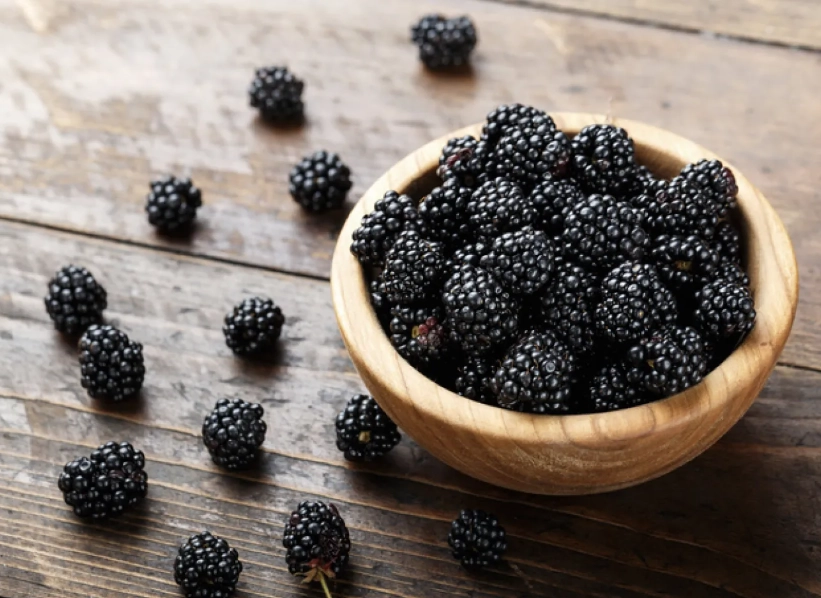
The Top Blackberry Varieties and Their Seasons
If you're buying at a farmer's market or growing your own, the variety matters. Some are bred for early harvest, some for flavor, some for thornlessness (a blessing for your hands).
Early Season Stars: These kick off the blackberry season. 'Natchez' is a popular thornless variety that starts ripening very early, sometimes in late spring in warm climates. It's known for large, sweet berries.
Mid-Season Classics: This is when the season hits full swing. 'Triple Crown' is a fantastic, vigorous thornless variety with superb, rich flavor that ripens in mid-summer. 'Chester' is another thornless type, known for good productivity and hardiness, coming in later mid-season.
Late Season & Everbearing: These extend the joy. 'Prime-Ark® Freedom' is a primocane variety, meaning you get fruit in late summer on first-year canes. It's a great way to get a second crack at fresh blackberries as other plants are winding down.
The USDA and various state agricultural stations have done extensive research on these cultivars, focusing on yield, hardiness, and flavor profiles for commercial and home growers.
What to Do When Blackberries Are in Season: Picking, Storing, and Using
Picking Like a Pro
Go in the morning, after the dew has dried but before the afternoon heat. The berries are firmest then. Use shallow containers so you don't crush the ones at the bottom. I learned this after ruining a pint by piling them too high. Wear long sleeves unless you're picking thornless varieties—those brambles are unforgiving.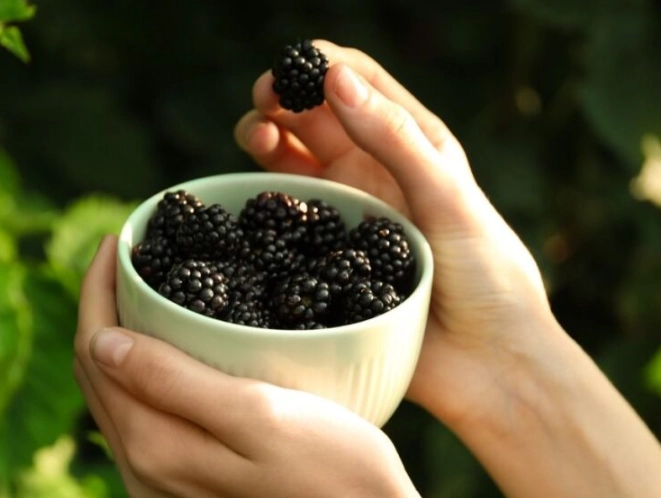
The Absolute Best Way to Store Them
Blackberries are fragile. Don't wash them until you're ready to use them. Moisture speeds up mold. When you get them home, spread them out in a single layer on a paper towel-lined tray. Pick out any that are smashed or leaking—they'll spoil the rest. Then, place them in the fridge in a vented container or the clamshell they came in, but don't seal it tightly. They'll last 2-3 days this way.
Want to keep that summer flavor? Freezing is your friend.
To freeze: Wash gently and pat completely dry. Spread them in a single layer on a parchment-lined baking sheet. Freeze solid (this is called "flash freezing"), then transfer the individual berries to a freezer bag. This way you can grab a handful for smoothies without dealing with a giant frozen clump. They'll keep for up to a year.
Using Your Bounty
Obviously, eating them fresh is the first order of business. But when you have a glut, you need ideas.
- Jam & Preserves: The classic. Blackberry jam is a staple for a reason. The natural pectin in the seeds helps it set beautifully.
- Simple Syrups & Shrubs: Simmer berries with sugar and water for a syrup for soda, cocktails, or drizzling on pancakes. A shrub (a drinking vinegar) is a tangy, old-fashioned way to preserve the flavor.
- Baking: Pies, cobblers, crisps, muffins. A blackberry cobbler with a biscuit topping is a humble, perfect dessert.
- Sauces: Cook down with a little sugar and strain for a sauce for cheesecake, ice cream, or grilled meats like duck.
- Infusions: Steep them in vodka or vinegar.
Why Bother with Seasonality? The Taste and Health Difference
This isn't just snobbery. A blackberry picked at its peak, when it's perfectly in season, has a complexity of flavor that the hard, shipped-from-across-the-world versions simply lack. The sugar content is higher, the tartness is balanced, and the aroma is incredible.
Nutritionally, they're powerhouses when ripe. They're packed with Vitamin C, fiber (those seeds!), Vitamin K, and manganese. They're also one of the best dietary sources of anthocyanins, those powerful antioxidant pigments that give them their dark color. Research from institutions like the Mayo Clinic highlights the role of antioxidants in promoting overall health. The fresher and riper the berry, the higher these beneficial compound levels tend to be.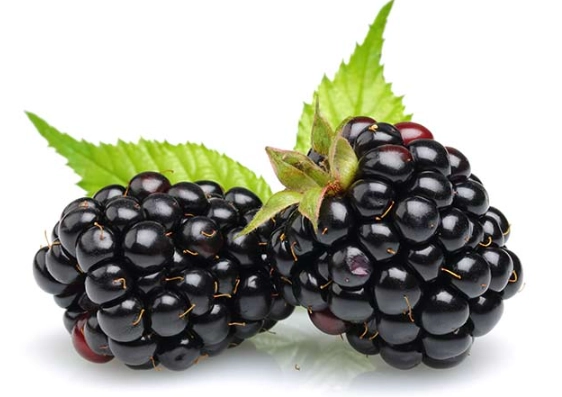
Your Blackberry Season Questions, Answered
I get asked these all the time. Let's clear them up.
Can you get blackberries year-round?
In supermarkets, often yes. They're imported from places like Mexico or South America during the Northern Hemisphere's off-season. But let's be honest, they're usually expensive, firm, and lackluster in flavor. They're a pale imitation of the real thing. The seasonal window is special precisely because it's limited.
Are wild blackberries safe to eat?
Generally, yes, if you follow the safety rules mentioned earlier (proper ID, clean location). Wash them thoroughly. Some people worry about parasites from animal droppings; a good wash in cool water or a vinegar-water solution (3:1 water to vinegar, then rinse) mitigates this risk. The FoodSafety.gov guidelines for fresh produce apply here.
My blackberries are sour. Did I pick them too early?
Almost certainly. Sourness means underripe. It could also be the specific variety—some are just more tart than others. Lack of sun on that particular bush can also lead to less sugar development. Next time, wait for that deep black color and easy pick.
What's the difference between a blackberry and a black raspberry?
When picking, this is crucial. Black raspberries (also called blackcaps) are hollow in the center when picked—the white core stays on the plant. Blackberries are not hollow; the white core comes off with the berry. Black raspberries ripen slightly earlier and are often more delicate with a distinct, wine-like flavor.
How long is blackberry season?
For a specific patch of floricane-bearing plants, the main harvest might last 3-5 weeks. Primocane varieties can produce for 2 months or more. The overall "season" in a region, accounting for different varieties and microclimates, can span from June to September.
Wrapping It Up: Your Action Plan for Blackberry Season
So, when are blackberries in season? Start looking in early July. Your local climate fine-tunes that date. Use the regional table as your starting point, then let your eyes and fingers be the final judge. Look for deep black, plump, easily-picked berries.
The effort to seek them out at the right time is worth it. That perfect, sun-warmed berry that practically falls into your hand is a little taste of summer you can't get any other way. It’s what makes understanding the rhythm of the blackberry season so rewarding. Now you know not just when to look, but how to find the very best ones.
Mark your calendar, find a good patch (or farmer's market vendor), and get ready. The season waits for no one.
Reader Comments