In This Guide
- What Exactly Is a Parsnip, Anyway?
- Step One: Choosing and Storing Your Parsnips
- Prepping Parsnips: Peeling, Chopping, and the Core Question
- Mastering the Cooking Methods: Your Parsnip Recipe Toolkit
- Parsnip Recipe Roundup: From Simple Sides to Showstoppers
- Flavor Friends: What Goes Well with Parsnips?
- Answering Your Parsnip Questions (FAQ)
- A Few Final Thoughts (From One Home Cook to Another)
Let's be honest, parsnips don't always get the love they deserve. You see them piled next to the carrots and potatoes, looking a bit like pale, knobbly carrots that got left out in the sun too long. For years, I walked right past them. Then, one chilly autumn day, I decided to give them a shot, and wow, was I missing out. That sweet, almost nutty flavor? The way they get crispy on the outside and tender-creamy on the inside when roasted? It was a game-changer for my winter cooking.
If you're here, you're probably curious too. Maybe you got some in a veg box, or you're tired of the same old sides, or you just want to know what all the fuss is about. Good news: cooking parsnips is dead easy, and they're incredibly versatile. This guide is everything I wish I'd known when I started. We'll go from picking the right roots to nailing the best parsnip recipes for roasting, mashing, souping, and even some surprising twists. No fancy chef skills required, just a bit of enthusiasm and a hot oven.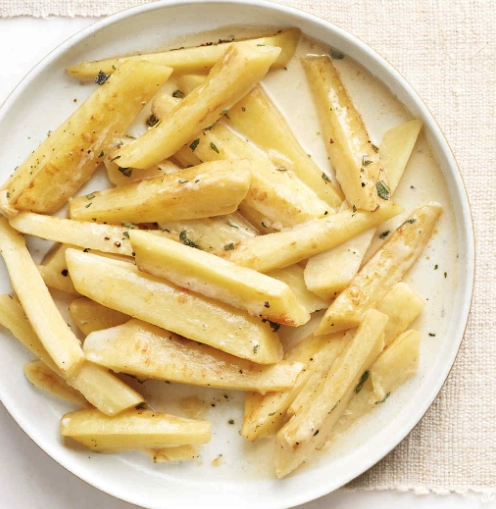
What Exactly Is a Parsnip, Anyway?
Think of it as carrot's sophisticated, slightly sweeter cousin. It's a root vegetable, creamy white in color, with a taste that's a unique blend of sweet carrot, earthy turnip, and a hint of aromatic parsley (they're related to parsley, hence the name). They're in season from fall right through winter, and cold weather actually makes them sweeter as their starches convert to sugars. That's why your best parsnip recipes will often come from the colder months.
Nutritionally, they're a solid choice. They're packed with fiber (great for digestion), vitamin C, folate, and potassium. The USDA FoodData Central lists them as a good source of several essential nutrients. So, you're eating something tasty that's also doing you some good. Not a bad deal.
Step One: Choosing and Storing Your Parsnips
Getting this part right makes all the difference. A good parsnip is a joy to cook; a bad one can be woody and disappointing.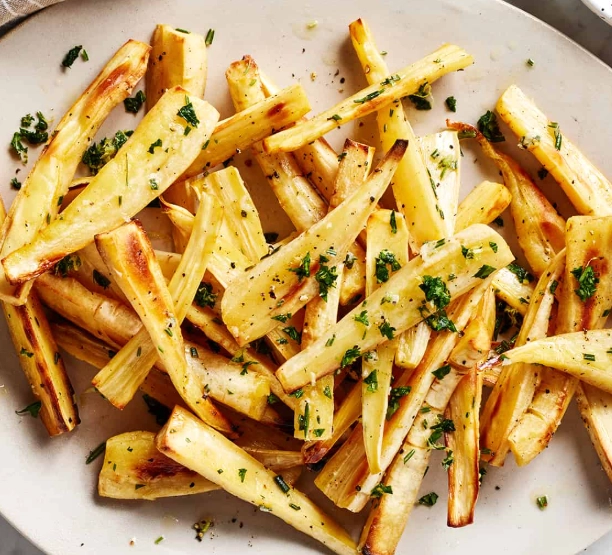
Picking the Perfect Parsnip
- Size Matters (Really): Go for medium-sized ones, about the width of your thumb or a bit thicker. The massive, baseball-bat-sized ones often have a tough, woody core that you'll need to cut out. Smaller ones are tender all the way through.
- Firm is Your Friend: They should feel rock-solid, not bendy or rubbery. Any soft spots are a no-go.
- Check the Skin: Look for smooth, firm skin without too many deep grooves or hairy rootlets. A few small blemishes are fine, but avoid anything that looks shriveled or slimy.
How to Store Them at Home
Treat them like carrots. Don't wash them until you're ready to use them. Pop them in a perforated plastic bag or a loose cloth bag in the crisper drawer of your fridge. They'll happily last for 2-3 weeks this way. You can also store them in a cool, dark, dry place (like a root cellar, if you're fancy), but the fridge is more reliable for most of us.
Got a bunch? You can peel, chop, and freeze them for soups and stews. Blanch them in boiling water for 2-3 minutes first, then plunge into ice water, dry thoroughly, and freeze on a tray before bagging. This preserves texture and flavor better than just tossing raw chunks in the freezer.
Prepping Parsnips: Peeling, Chopping, and the Core Question
This is where people sometimes get tripped up. It's straightforward once you know the tricks.
To Peel or Not to Peel? For most parsnip recipes, I recommend peeling. The skin can be a bit tough and earthy. A standard vegetable peeler works perfectly. If you have very young, thin-skinned parsnips from a farmer's market, a good scrub might suffice, but peeling is usually the safer bet for a pleasant texture.
How to Chop: After peeling, trim off the top and tail. For roasting, cutting them into even-sized batons or chunks is key. Think about the size of a fat french fry. If they're uneven, some pieces will burn while others are still hard. For soups or mashes, just rough chop—size doesn't matter as much since they'll be boiled into submission.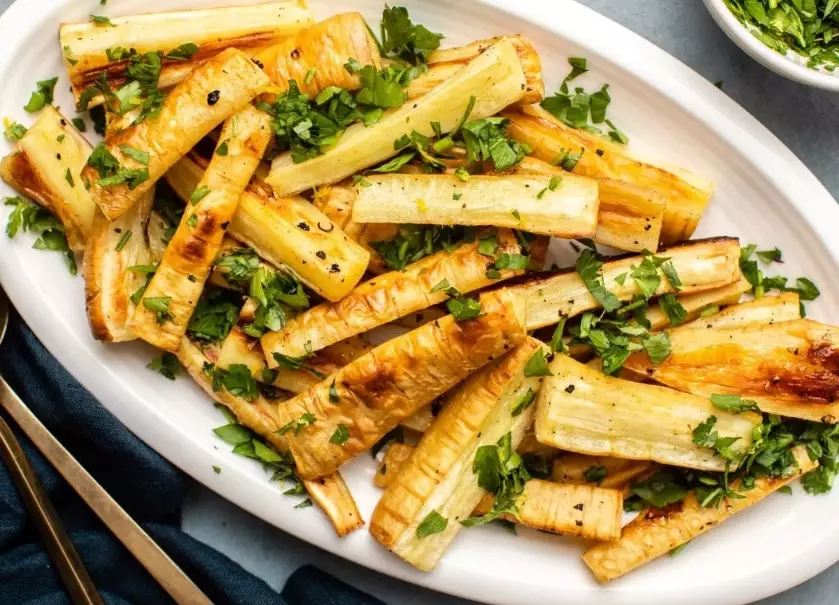
The Woody Core Dilemma
Here's the big one. With larger parsnips, you'll often find a tough, fibrous core running down the center. It doesn't cook at the same rate as the softer outer flesh and can be unpleasantly stringy.
How to check? Cut the parsnip in half crosswise. If you see a darker, denser circle in the middle, that's the core. For batons, I often just cut the parsnip lengthwise into quarters and then use my knife to slice off the core from each piece. It feels a bit wasteful, but it guarantees a perfectly tender result in your finished parsnip recipes. For soups or mashes where everything gets blended, you can often get away with leaving it in, but removing it still gives a smoother finish.
Mastering the Cooking Methods: Your Parsnip Recipe Toolkit
This is the fun part. Parsnips are like a blank canvas that takes on different characters depending on how you cook them. Let's break down the most popular (and delicious) ways.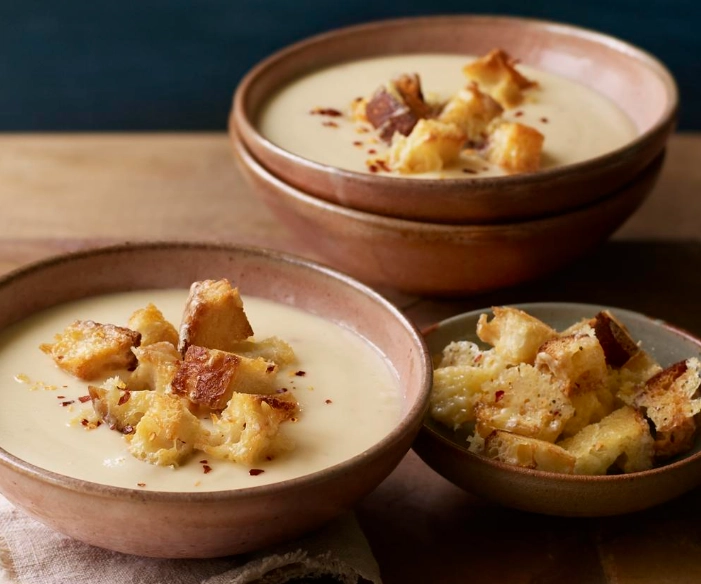
Roasting: The Undisputed Champion
If you only try one method, make it this one. Roasting concentrates their natural sugars, creating crispy, caramelized edges and a fluffy interior. It's magic.
- Basic Method: Toss your parsnip batons with a generous glug of olive oil, salt, and pepper. Spread them out on a baking sheet in a single layer—crowding is the enemy of crispiness. Roast in a hot oven (400°F/200°C) for 25-35 minutes, flipping halfway, until golden brown and tender.
- Pro Moves: Add a drizzle of honey or maple syrup in the last 10 minutes for extra caramelization. Toss with fresh rosemary or thyme sprigs before roasting. Mix them with carrots, sweet potatoes, and red onions for a killer roasted veg medley.
Why is this the best parsnip recipe for beginners? It's foolproof and delivers maximum flavor payoff for minimal effort. The high heat transforms them completely.
Mashing: The Ultimate Comfort Food
Mashed parsnips are a revelation—creamier and sweeter than potatoes, with a more complex flavor. You can mash them solo or mix them half-and-half with potatoes for a familiar-but-better twist.
- Chop peeled parsnips into 1-inch chunks.
- Boil in salted water until fork-tender, about 15-20 minutes.
- Drain well and return to the pot over low heat for a minute to steam off any excess water.
- Mash with a potato masher or ricer. Stir in butter, a splash of warm milk or cream, salt, white pepper, and a tiny pinch of nutmeg if you're feeling fancy.
Soup: Silky, Sweet, and Satisfying
Parsnip soup is winter in a bowl. It's naturally sweet, velvety smooth, and so comforting. The basic formula is simple: soften an onion and maybe a garlic clove or some celery in butter or oil, add your chopped parsnips, cover with vegetable or chicken stock, simmer until soft, then blend until smooth. Finish with a swirl of cream or a dollop of yogurt.
For a classic flavor pairing, add a chopped apple along with the parsnips. The apple's acidity balances the sweetness perfectly. A teaspoon of curry powder or garam masala added with the onions can take it in a wonderfully spiced direction. The beauty of parsnip soup recipes is their adaptability.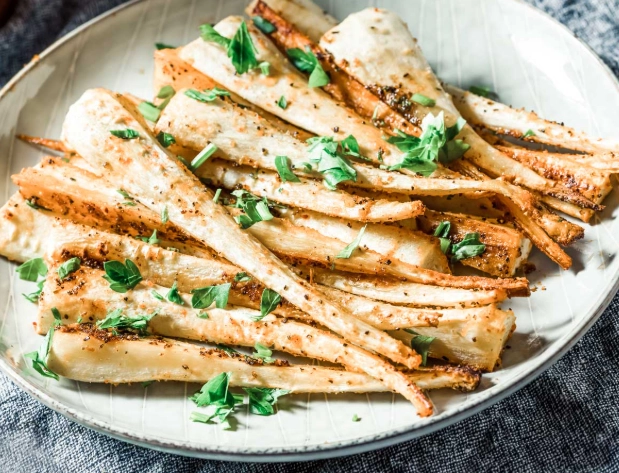
Other Great Ways to Cook Them
- Pan-Roasting/Sautéing: Great for quicker sides. Cut into small cubes or thin slices and cook in a hot skillet with oil or butter until browned and tender. Finish with herbs.
- Steaming: Preserves their delicate flavor and nutrients beautifully. Steam until just tender, then toss with lemon zest and parsley.
- Adding to Stews and Braises: They hold their shape well and add a lovely sweetness to meaty stews. Add them in the last 30-45 minutes of cooking.
- Baking in Gratins: Thinly slice and layer with cream, cheese, and herbs for a decadent side dish.
Parsnip Recipe Roundup: From Simple Sides to Showstoppers
Alright, let's get specific. Here are some concrete parsnip recipes and ideas you can try tonight, categorized by what you might be in the mood for.
| Recipe Idea | Key Steps & Tips | Flavor Profile | Best Served With |
|---|---|---|---|
| Honey-Roasted Parsnips & Carrots | Toss equal parts parsnip & carrot batons with oil, S&P. Roast at 400°F for 20 min. Drizzle with 2 tbsp honey, toss, roast 10-15 min more until glazed. | Sweet, caramelized, sticky | Roast chicken, pork chops |
| Creamy Parsnip & Apple Soup | Sauté 1 onion, add 3 chopped parsnips & 1 chopped apple. Add 4 cups stock, simmer 25 min. Blend until silky. Finish with cream. | Sweet, creamy, slightly tangy | Crusty bread, fresh salad |
| Garlic & Herb Mashed Parsnips | Boil parsnips until tender. Sauté 3 minced garlic cloves in butter until fragrant. Mash parsnips with garlic butter, chives, & sour cream. | Savory, garlicky, rich | Steak, meatloaf, sausages |
| Parsnip & Potato Rösti | Grate 2 parsnips & 1 large potato. Squeeze out ALL moisture. Mix with 1 egg, 2 tbsp flour, S&P. Pan-fry in oil as patties until crisp. | Crispy, savory, hearty | Poached eggs, smoked salmon |
| Spiced Parsnip Fries | Cut into fry shapes. Toss with oil, smoked paprika, cumin, garlic powder. Roast at 425°F on a rack for 25-30 min, flipping once. | Spicy, smoky, crispy | Burgers, sandwiches, as a snack with aioli |
Don't be afraid to experiment. Once you get the basic techniques down, you can start riffing. Tired of rosemary? Try sage or tarragon. Want more crunch? Add some chopped walnuts to your roasted parsnips in the last five minutes. The BBC Good Food collection is a fantastic resource for inspiration once you're ready to explore further.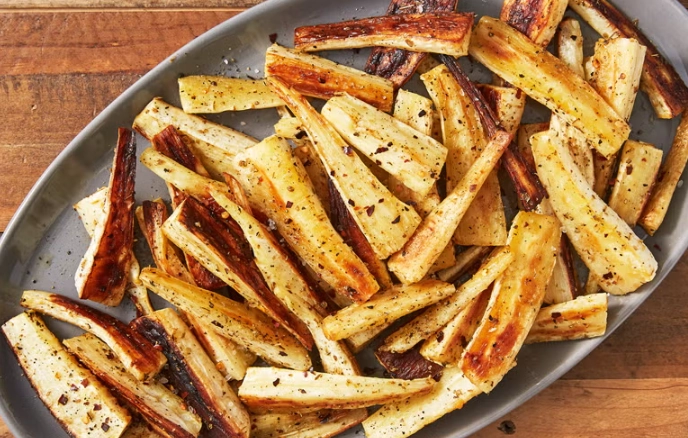
Flavor Friends: What Goes Well with Parsnips?
Parsnips have friends, and knowing who they are will make your cooking sing.
- Herbs: Rosemary, thyme, sage, parsley, chives, dill.
- Spices: Nutmeg, cumin, coriander, curry powder, smoked paprika, cinnamon (sparingly in savory dishes).
- Dairy & Fats: Butter, cream, sour cream, crème fraîche, sharp cheeses like Parmesan or cheddar, goat cheese.
- Sweet & Acidic: Honey, maple syrup, apples, pears, orange zest, a splash of cider vinegar.
- Savory Companions: Onions, garlic, leeks, carrots, potatoes, celery root, bacon, pancetta, walnuts, pecans.
One of my favorite quick dinners is sausages roasted on a tray with chunks of parsnip, onion, and apple. Everything cooks together, the juices mingle, and you have a complete, flavorful meal with almost no cleanup.
Answering Your Parsnip Questions (FAQ)
I've gotten a lot of questions from friends and readers over the years. Here are the ones that pop up most often.
Can you eat parsnips raw?
Technically, yes, they're not toxic. But I wouldn't recommend it. Raw, they are very hard, fibrous, and their flavor is quite sharp and earthy. Cooking completely transforms their texture and sweetness. If you want them in a salad, shave them very thinly with a vegetable peeler or mandoline and maybe give them a quick pickle first.
Why are my roasted parsnips soggy?
Three likely culprits: 1) You didn't dry them after washing/peeling. Pat them bone-dry. 2) You crowded the pan. They need space for steam to escape, or they'll steam instead of roast. Use two trays if needed. 3) Your oven wasn't hot enough. Crank it to at least 400°F (200°C).
Are parsnips healthier than potatoes?
"Healthier" is tricky. They're different. Parsnips have fewer calories and carbs than white potatoes, but more fiber and sugar. They're a great source of vitamin C, folate, and potassium. Potatoes have more potassium and vitamin B6. The best approach? Eat a variety of vegetables! Both have a place in a balanced diet. For detailed nutritional comparisons, resources like the Harvard T.H. Chan School of Public Health Nutrition Source provide excellent science-backed information.
Can I substitute parsnips for carrots in a recipe?
Often, yes! In soups, stews, roasts, and mashes, they can usually swap in one-for-one. Just remember that parsnips are sweeter and have a more pronounced flavor, so the end result will taste different—usually in a good way. In baking (like a carrot cake), I wouldn't substitute directly without testing; the moisture content and flavor are too different.
What's the difference between a parsnip and a parsley root?
They're close relatives and look similar, but parsley root (or Hamburg parsley) is usually smaller, has more rootlets, and the leaf tops look exactly like flat-leaf parsley. The taste is more focused on that strong parsley/celery flavor, with less sweetness. They're great in soups but aren't an exact swap in most parsnip recipes where sweetness is key.
A Few Final Thoughts (From One Home Cook to Another)
Parsnips went from a mystery vegetable to a winter staple in my kitchen. Their versatility is their superpower. On a Tuesday, they can be simple roasted sticks next to a piece of fish. For a holiday, they can be transformed into an elegant, silky soup or a decadent gratin.
The key is to not overthink it. Start with a simple roast. Get a feel for their flavor. Then maybe try a mash. Before you know it, you'll be eyeing that knobbly root in the grocery store with excitement, not confusion, thinking of all the delicious parsnip recipes you can make.
They're affordable, nutritious, and a fantastic way to add variety to your meals. So grab a bunch, heat up your oven, and give them a try. You might just find your new favorite vegetable.
Reader Comments