Quick Guide
- The Big Picture: A Global Cherry Season Snapshot
- Diving Deeper: The Two Cherry Tribes (Sweet vs. Sour)
- How to Actually Find and Pick the Best In-Season Cherries
- Stretching the Season: How to Store Cherries (and What NOT to Do)
- Beyond Snacking: What to Do With a Cherry Bounty
- The Bottom Line: Your Seasonal Cherry Calendar Cheat Sheet
Let's cut to the chase. You're here because you're staring at a supermarket display in June, or maybe it's December, and you're wondering if those dark red cherries are worth the hefty price tag. Or perhaps you're planning a summer trip and dreaming of picking your own. The simple, frustrating answer is: it depends. It depends wildly on where you are in the world, and even what kind of cherry you're after. But that's exactly why we're diving deep. Forget vague answers. We're going to map it out, region by region, month by month.
I remember driving through Washington state one July, and the roadside stands were overflowing. The smell was incredible. That's peak season. But I've also bought lackluster, spongy cherries in April that cost a fortune and tasted like disappointment. Knowing when cherries are in season isn't just trivia—it's the key to better flavor, better value, and less food waste.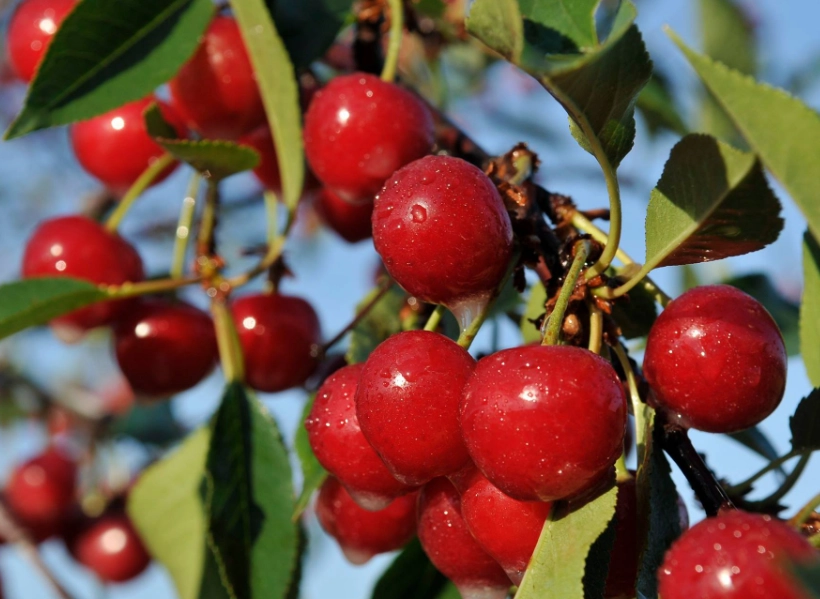
The Core Truth: In the Northern Hemisphere, the commercial cherry season is a short, glorious summer burst. For most regions, the prime window is a tight 2-4 months, typically spanning from late May through August. But let's get specific.
The Big Picture: A Global Cherry Season Snapshot
Cherries need a period of winter chill (called chill hours) to fruit properly, followed by warm, dry summers to ripen and sweeten. Rain during harvest is a grower's nightmare—it can cause the fruit to split. This biology dictates the calendar.
Southern Hemisphere seasons flip everything. While we're shoveling snow, they're harvesting. So, if you're craving fresh cherries in January, they're likely coming from Chile or New Zealand. But let's be honest, the travel miles and storage time mean they're rarely as good as your local summer haul.
Northern Hemisphere Powerhouses
The US (especially the Pacific Northwest), Canada (British Columbia and Ontario), and Europe (from Spain to Turkey) dominate the summer scene. Turkey is actually the world's biggest producer, but a lot of theirs go to processing (think jams, dried). For fresh eating, the US Pacific Northwest sets a high bar.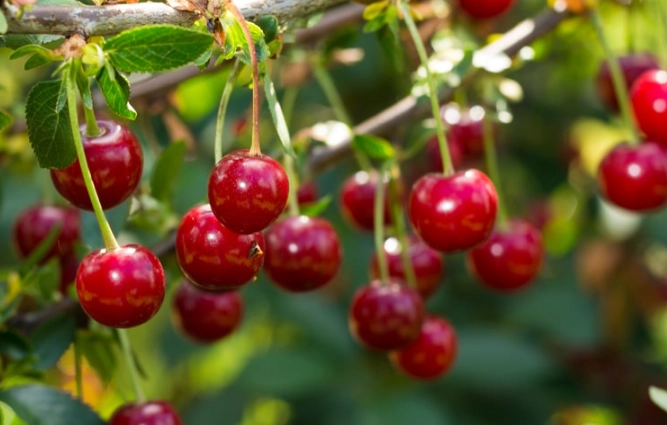
Southern Hemisphere Suppliers
Chile, Argentina, Australia, and New Zealand keep the global supply chain moving from November to February. It's a marvel of modern logistics, but the flavor often pays the price for the journey.
So, when are cherries in season near you? That's the real question. The table below breaks it down. I find visuals help to see the overlap and gaps.
| Region/Country | Typical Season Start | Peak Harvest Months | Season End | Notes & Key Varieties |
|---|---|---|---|---|
| USA (California) | Late April | May - Early June | Mid-June | First major domestic source. Early varieties like Brooks and Tulare. |
| USA (Pacific Northwest: WA, OR) | Early June | Late June - August | Early September | The heart of the US season. Bing, Rainier, Lapins. Ideal climate. |
| Canada (BC, Ontario) | Mid-June | July - Early August | Late August | Similar to PNW. A shorter, concentrated window. |
| Western Europe (Spain, Italy, France) | May | June - July | August | Earlier start due to Mediterranean warmth. Sweet and sour types. |
| Central/Eastern Europe (Germany, Poland, Turkey) | Late June | July | August | Later, shorter season. Heavy on sour cherries for processing. |
| Chile & Argentina | November | December - January | February | Primary source for Northern Hemisphere winter. Long transport. |
| Australia & New Zealand | November | December - January | February | High-quality domestic seasons in their summer. |
A quick story: I once planned a trip to the Okanagan Valley in BC for late August, dreaming of cherry pies. I missed the peak by two weeks. The U-pick farms were closed, and the remaining fruit at the stands was good, but not the mind-blowing quality I'd hoped for. Timing is everything.
Diving Deeper: The Two Cherry Tribes (Sweet vs. Sour)
Not all cherries are created equal, and their seasons have subtle differences. This is where most general guides stop, but it's crucial for bakers and snackers alike.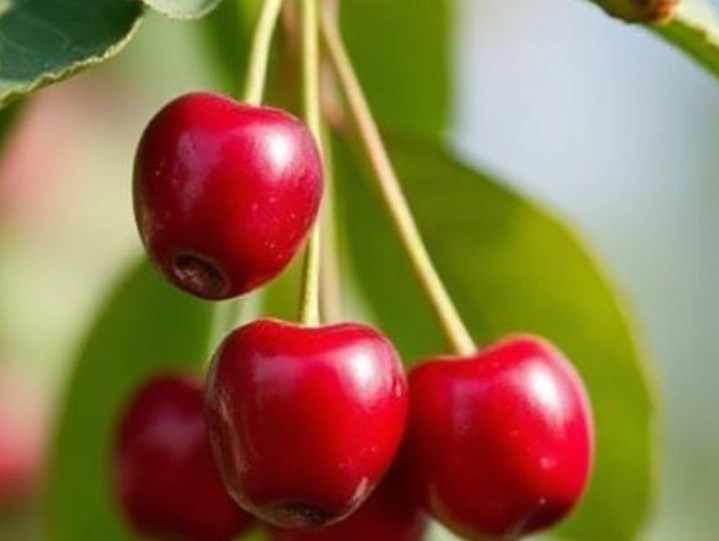
Sweet Cherries (Prunus avium)
These are your fresh-eating superstars. Bing, Rainier, Lapins, Sweetheart. They have a firm, juicy crunch and that classic sweet flavor. Their season is what the table above describes—that summer core. They're more delicate, bruise easily, and are highly perishable. That's why fresh, in-season ones feel like a luxury.
Rainiers, those beautiful blushed yellow ones, often command a higher price and have an even narrower peak, usually mid-summer.
Sour or Tart Cherries (Prunus cerasus)
Think Montmorency, Morello. You'll rarely see these fresh in a supermarket. They're softer, too tart to eat raw by the handful, and they're the darling of pies, jams, and preserves. Here's the key: their season is even shorter and earlier than sweet cherries.
In places like Michigan (a huge tart cherry producer) or parts of Europe, the tart cherry harvest can be a frantic few weeks in late June through mid-July. They're often mechanically harvested and rushed to processing or frozen. If you ever find them fresh at a farmer's market, grab them. They're a baker's gold.
Pro Tip: Want to know when cherries are in season for baking? For sour cherries, mark your calendar for early-to-mid summer and check with local orchards. Don't rely on the grocery store timeline for sweet cherries.
How to Actually Find and Pick the Best In-Season Cherries
Okay, so you know the months. But how do you translate that into a perfect pint? Here's what I've learned from trial and error (and talking to farmers).
At the Grocery Store or Market
- Check the Stem: A fresh, green, flexible stem is a great sign. Brittle, brown stems mean the cherry was picked a while ago.
- Color is King (for dark varieties): Go for deep, uniform, almost mahogany red. Avoid any with large patches of light red or yellow, which indicate under-ripeness. Rainiers should have a creamy yellow background with a pink to red blush.
- Firmness Matters: They should feel plump and firm, not soft or wrinkled. Give the bag a gentle shake; a good rustle sound means they're nice and crisp.
- Avoid Bruises & Cuts: One bad cherry can mold the rest quickly. Inspect the bag's bottom.
Now, a pet peeve. Those plastic clamshells? They trap moisture and can accelerate decay. If you can buy loose from a bin, do it. You get to pick each one.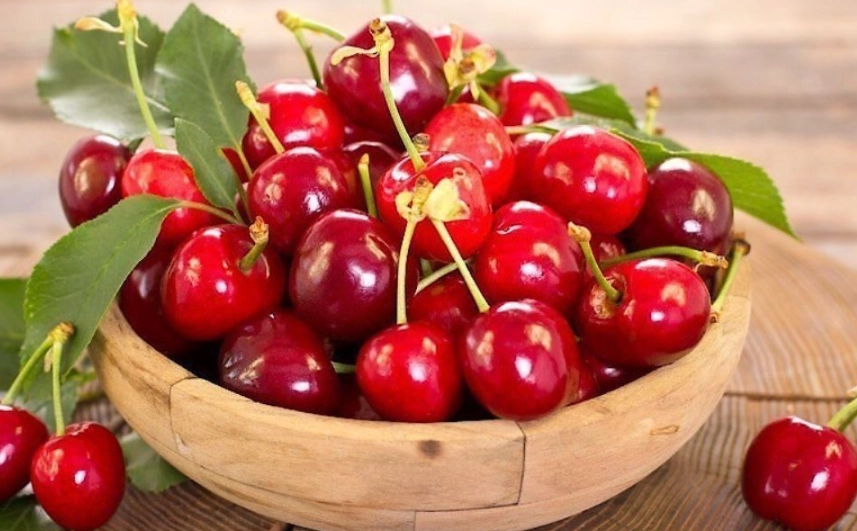
At the U-Pick Orchard
This is the best way to experience peak season. The flavor of a cherry warmed by the sun, picked right off the tree, is unmatched.
- Call Ahead: Seasons can shift by a week or two based on spring weather. Always call to confirm they're open and what's ripe.
- Taste a Sample: Most orchards will let you try one. Don't be shy. Different rows might have different varieties ripe at slightly different times.
- Look Up: The sweetest cherries often get the most sun, higher up in the tree.
- Pull Gently: A ripe cherry should come off the stem with a gentle tug. If you're yanking, it's not ready. Leave it for the next visitor.
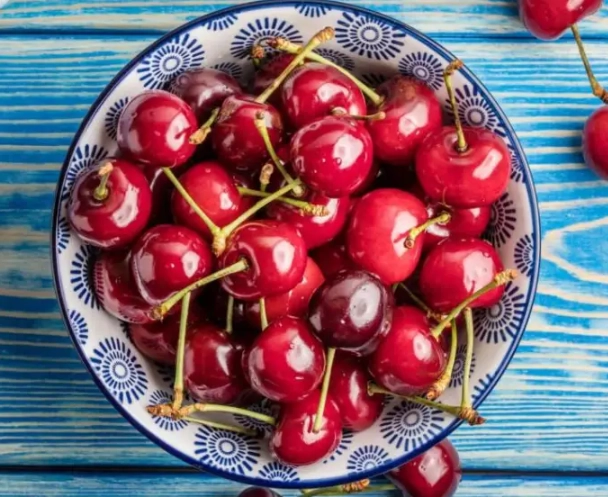
Stretching the Season: How to Store Cherries (and What NOT to Do)
You've nailed the timing and picked perfect fruit. Now, don't ruin it. Cherries are not bananas or tomatoes.
The Golden Rule: Do not wash cherries until you are ready to eat them. Moisture is the enemy of storage and leads to mold faster than anything. Seriously, just don't.
For Short-Term (1-3 days): Pop them in a breathable container (like the cardboard pint they came in) or a loosely closed paper bag in the fridge. The cold is their friend.
For Long-Term (Months): Freezing is incredibly easy and preserves that in-season flavor beautifully for baking and smoothies.
- Wash and pit them (pitting is optional but saves time later).
- Dry them thoroughly with a towel.
- Spread in a single layer on a baking sheet and freeze solid (this is called "flash freezing").
- Once frozen, transfer to a airtight freezer bag or container. They won't stick together.
This method is a game-changer. I freeze several pounds during the peak of cherry season and enjoy them in oatmeal all winter.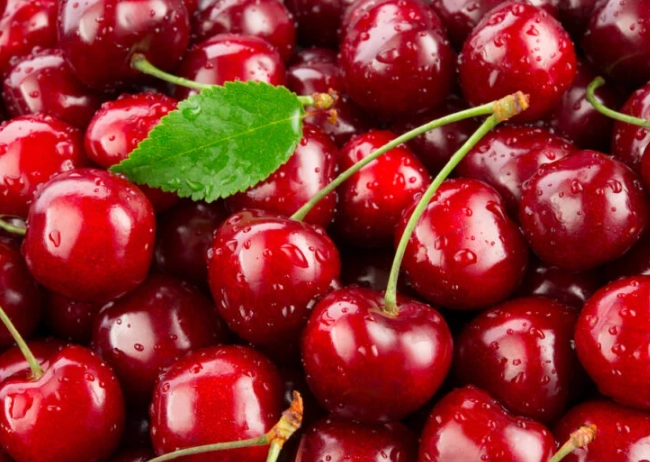
Beyond Snacking: What to Do With a Cherry Bounty
When you hit the season right, you might end up with more than you can eat. Here are my go-to uses, ranked by effort level.
Easy Win: Cherry Compote. Simmer pitted cherries with a tiny bit of sugar and lemon juice until they break down. Incredible on yogurt, ice cream, or pancakes.
Weekend Project: Brandied Cherries. Macerate pitted cherries in brandy and sugar. A classic cocktail garnish that feels fancy.
Ultimate Reward: Sour Cherry Pie. If you managed to source fresh sour cherries, this is your destiny. The balance of tart and sweet is legendary. The King Arthur Baking website has fantastic, tested recipes for this.
Your Cherry Season Questions, Answered
The Bottom Line: Your Seasonal Cherry Calendar Cheat Sheet
Let's wrap this up with a simple, actionable plan based on where you live. This is the stuff I wish I'd known years ago.
If you're in North America (US & Canada):
Circle July on your calendar. That's your safest bet for peak quality, variety, and value nationwide. Start looking in late June, and savor them through August. For tart cherries, late June is your window.
If you're in Western Europe:
Your season starts a touch earlier. Get excited in June. Head to markets in Spain and Italy first, with the season moving north into France and Germany as the summer progresses.
If you're in the Southern Hemisphere (Aus, NZ, South America):
Your summer is the ticket. December and January are your prime months for fresh, local fruit that hasn't traveled halfway around the world.
The quest to understand when are cherries in season is really a quest for quality. It's about connecting what's on your plate to a specific time and place. It makes that first perfect, crunchy bite of summer all the sweeter. It turns a simple fruit into an event. Now you're equipped not just with an answer, but with the knowledge to make the most of that fleeting, delicious window. Go find your perfect cherry.
Reader Comments