Quick Guide to Perfect Pie Apples
Let's be honest. We've all been there. You follow a famous apple pie recipe to the letter, your kitchen smells incredible, but when you cut that first slice... it's a soupy mess, or the apples are weirdly crunchy, or the whole thing just tastes flat. It's frustrating. And nine times out of ten, the problem isn't your skill—it's your apples.
Choosing the right apples for pies is the single most important decision you'll make. It's more important than your crust recipe (controversial, I know). The wrong apple turns into flavorless mush or refuses to soften, leaving you with a pie that's more like apple sauce in a crust or, worse, a baked fruit salad. I learned this the hard way after a Thanksgiving disaster involving beautiful, shiny Red Delicious apples. Let's just say the pie was gorgeous and completely inedible.
So, what makes an apple great for pie? It's not about finding the "best" apple in the world. It's about finding the right apple for the job. We're talking about a balance of structure, flavor, and moisture. An apple that holds its shape but still softens nicely. One that brings its own tangy brightness to balance all that sugar and butter. That's the holy grail.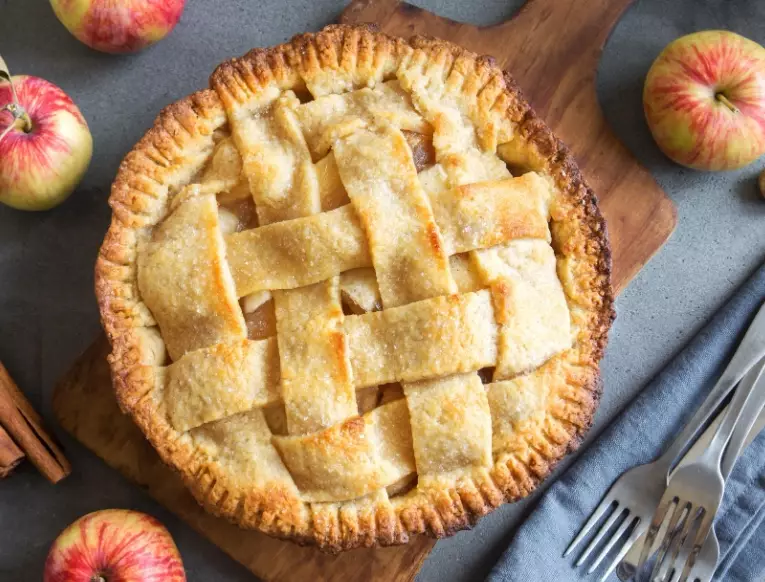
The Core Principle: The best pie apples have high acidity and firm flesh. Acidity gives you that classic, vibrant apple flavor that sings through the spices. Firmness (often called "good keeping quality") means the apple pieces won't completely disintegrate into baby food during the long bake. You want tender, distinct slices, not apple jam.
Forget the Looks: The Science of a Pie-Worthy Apple
When you're picking apples for pies, you're essentially interviewing them for a tough job. They need to withstand high heat for nearly an hour without quitting. Here's what to look for in a candidate.
Texture is King (or Queen). This is the big one. You need an apple that's described as "crisp" or "firm," not "mealy" or "soft." A mealy apple, like many Red Delicious you find off-season, has a dry, crumbly texture that will completely fall apart. A firm apple has tightly packed cells that hold together even as they soften. Think of the difference between a russet potato and a waxy potato for potato salad—you want the waxy one that keeps its shape.
Flavor & Acidity. Sweet apples are great for eating out of hand, but in a pie, pure sweetness can taste one-dimensional and cloying. You need a counterpoint. That's where acidity comes in. Tart, tangy apples provide a backbone of flavor that makes the pie taste more complex and, well, more appley. It's the difference between white sugar and brown sugar—the brown sugar has more depth.
Moisture Content. This is the sneaky variable. Some apples are real juice bombs. While that sounds good, all that extra water has to go somewhere during baking. It leaks out, mixes with the sugar and thickener, and if there's too much, you get a soggy bottom crust and a filling that never properly sets. The ideal pie apple has a moderate moisture level.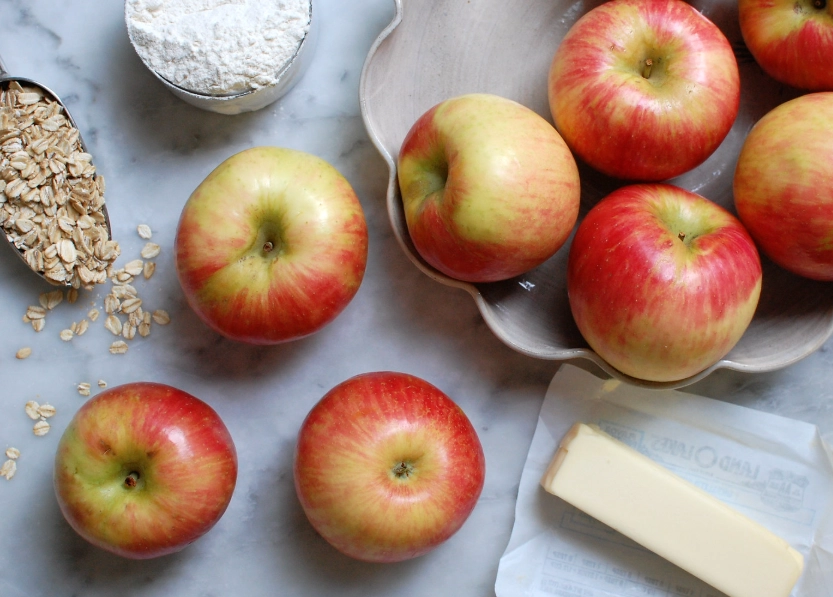
Here's a trick I picked up from an old bakery chef: take a bite of the apple raw. Is it juicy but still crisp? Does it make your mouth water a little from the tartness? That's a good sign. If it's just sweet water with a soft crunch, leave it for the lunchbox.
The Top Contenders: A Breakdown of the Best Apples for Pies
Okay, let's get to the good stuff. Which varieties should you actually look for? I've split them into tiers because, let's face it, you can't always find the perfect heirloom variety at your local supermarket. You need a game plan.
The Gold Standard (The Pie Baking Champions)
These are the varieties that make pie-baking legends. If you see these, grab them.
Granny Smith. The classic for a reason. Don't let anyone tell you they're "too basic." Their bright green skin isn't just for show—it's a badge of high acidity. They're incredibly firm, so they hold a perfect shape, offering a satisfying tender-crisp bite in the finished pie. Their tartness is a perfect canvas for sugar and spice. The only potential downside? Their flavor is quite sharp and one-note on its own, which is why blending them with another apple can create magic.
Northern Spy. If Granny Smith is the reliable workhorse, Northern Spy is the refined artist. It's an heirloom variety that's harder to find but worshipped by serious bakers. It has a complex, spicy-sweet flavor and a firm texture that softens beautifully without turning mushy. It's often called the perfect pie apple. Check farmers' markets in the fall.
Braeburn. This is the great balancer. It has a perfect harmony of sweet and tart in one apple, with a firm, crisp texture and a hint of spice in its flavor profile. It bakes up wonderfully and is often more widely available than Northern Spy. A fantastic single-variety choice for apples for pies.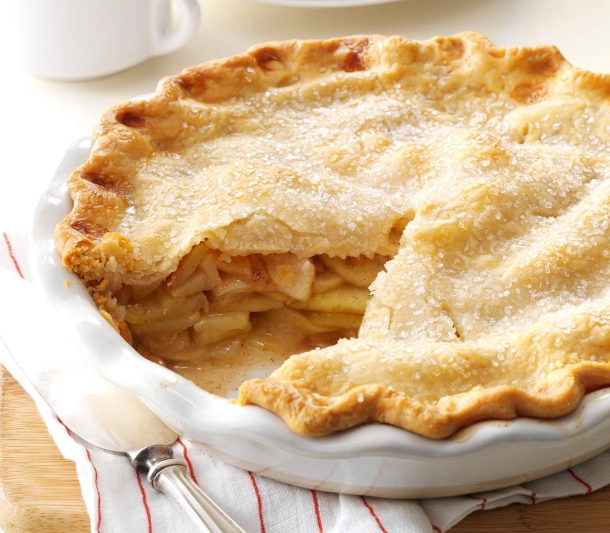
The Excellent Blenders (Team Players)
These apples are fantastic on their own but truly shine when combined with a tarter variety. They add complexity, different notes of flavor, and sometimes a softer texture that complements the firmer apples.
| Apple Variety | Flavor Profile | Texture When Baked | Best Used As... |
|---|---|---|---|
| Honeycrisp | Intensely sweet, juicy, with a slight tang. | Holds shape reasonably well, becomes very tender. | A sweet component in a blend. Can be juicy, so use a good thickener. |
| Jonagold | A cross of Jonathan and Golden Delicious. Sweet-tart, honeyed. | Softens nicely but can get a bit soft if overbaked. | A great all-rounder for blending. Adds rich flavor. |
| Pink Lady (Cripps Pink) | Tangy-sweet, crisp, with a floral hint. | Excellent keeper of shape. Remains quite firm. | A modern, reliable choice for both single-use and blending. |
| Cortland | Mildly tart, very snowy white flesh that browns slowly. | Softens to a smooth, almost creamy texture. | Great for a softer filling texture. Often used in commercial pies. |
The "Proceed with Caution" List
Some popular apples need a specific approach or should be avoided altogether for pie duty.
Golden Delicious: They have a lovely, mild flavor but are quite soft. On their own, they can turn to mush. However, they are fantastic as a sweet component in a blend (like with Granny Smith), where they almost melt into a sauce that binds the firmer chunks together.
Red Delicious: I'm just going to say it: they are terrible pie apples. They are bred for looks and a sweet, mild flavor, with a mealy, soft texture. They will become flavorless, grainy mush. Please don't do it. Save them for decoration or snacks.
McIntosh: These are the juicy, tender apples that make incredible applesauce. For pie? They break down completely into a sappy, soupy consistency very quickly. If you love the McIntosh flavor, use them in a blend in small quantities for moisture, but be prepared for a softer-set pie.
Your Action Plan: From Market to Oven
Knowing the varieties is half the battle. Here’s what to do next.
Buying and Storing Your Pie Apples
First, buy more than you think you need. Peeling and coring is wasteful. For a standard 9-inch pie, you'll need about 3 pounds of whole apples (roughly 6-7 large apples), which will yield about 8 cups of sliced apples.
Look for firm, unbruised fruit. Don't worry about perfect looks—a few scabs are fine. Seasonality matters. Apples are best in the fall, right after harvest. Apples bought in spring or summer have been in storage for months and may be mealier. For the most authoritative information on apple harvest seasons and storage, the agricultural extension offices of major apple-producing states, like Washington State University Extension, are fantastic resources.
Store them in a cool place or in the fridge's crisper drawer until you're ready to bake. Cold keeps them firm.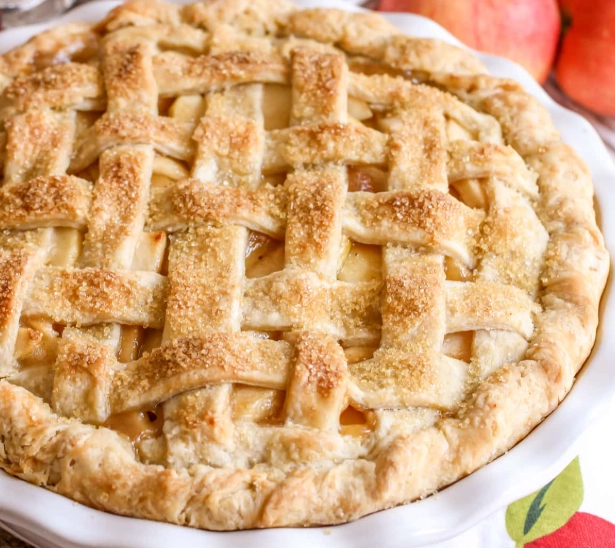
To Peel or Not to Peel?
I'm Team Peel. Apple skins can become tough and separate from the flesh during baking, creating little leathery rolls in your filling. They also don't break down and can interfere with the smooth, cohesive texture of the filling. Peeling gives you a more uniform, tender result. Yes, it's extra work, but a good vegetable peeler makes it fast.
Time-Saver Tip: Don't peel all your apples first and then slice. Peel one apple, core it, slice it directly into your mixing bowl (with a bit of lemon juice to prevent browning), and then move to the next. It's faster and keeps the apples fresher.
The Slice Size Debate
How thick should you slice your apples for pies? This is personal preference, but it affects texture.
Thin slices (1/4-inch) will pack together densely and create a more uniform, almost jam-like layer. They cook very evenly.
Chunky slices (1/2-inch to 3/4-inch) give you distinct, meaty pieces of apple that hold their individual character. You get more varied textures in one bite. I prefer this method—it feels more substantial and rustic.
The key is consistency. Try to make all your slices roughly the same thickness so they cook at the same rate.
Preventing a Soggy Disaster: The Thickener Question
This is where pies go to die. You must use a thickener to absorb the juices released by the apples. Your main choices are:
- All-Purpose Flour: Easy, but can leave a slightly cloudy, pasty taste if you use too much. About 3-4 tablespoons for a standard pie.
- Cornstarch: Creates a clearer, glossier gel. It sets firmly but can break down and become watery if the pie is overbaked or reheated. Use about 2-3 tablespoons.
- Tapioca (Instant/ Minute Tapioca or Tapioca Flour): My personal favorite for fruit pies. It creates a clear, glossy set that holds up well to cooling and slicing, and it doesn't add flavor. Grind instant pearls in a spice grinder for a fine powder, or use pre-ground tapioca flour. About 2-3 tablespoons.
Mix your chosen thickener thoroughly with the sugar and spices before tossing with the apples. This prevents clumps.
I had a pie fail once where I forgot the thickener entirely. It was essentially hot apple soup in a pastry bowl. We had to eat it with spoons. Not ideal.
Answering Your Pie Apple Questions (The FAQ)
Let's tackle the real questions people are typing into Google.
The Final Slice
At the end of the day, the pursuit of the perfect pie is a fun one. Don't stress about finding the one "best" apple. Experiment. Try a blend of a tart Granny Smith and a sweet Honeycrisp. Seek out a Northern Spy at the farmers' market. Pay attention to how the texture and flavor change.
Remember, the best apples for pies are the ones that give you the result you love. Armed with the knowledge of why texture and acidity matter, you can confidently walk past those shiny, misleading Red Delicious and grab the firm, tangy apples that will give you a slice worth photographing—and, more importantly, worth eating down to the last crumb.
Now go preheat that oven.
Reader Comments