Let's cut to the chase. A typical homemade banana muffin clocks in between 350 to 450 calories. But that's like saying "a car costs money." The real story is in the details. That number can swing wildly based on size, ingredients, and whether it came from your oven or a coffee shop. I've spent years tweaking recipes, and the biggest mistake I see is people treating all banana muffins the same. They're not. Understanding what drives those banana muffin calories up or down is the key to having your muffin and eating it too.
What's Inside: Your Quick Guide
Why Banana Muffin Calories Vary So Much
Think about the last muffin you ate. Was it the size of a baseball or a tennis ball? Did it have a sugary streusel top? Nuts? Chocolate chips? Every choice adds up.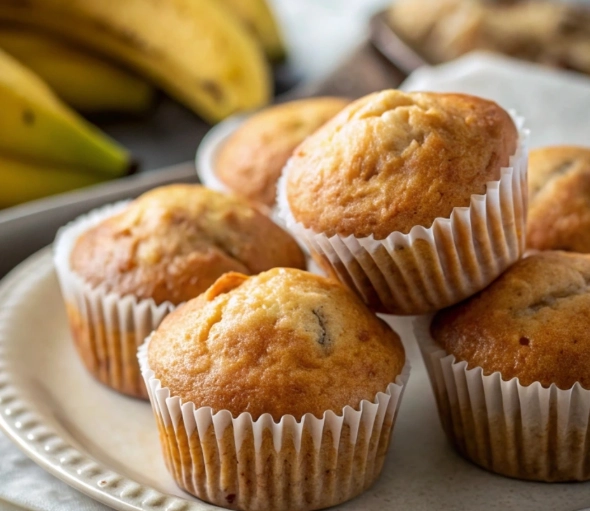
Size is the #1 factor. A "jumbo" bakery muffin can be 5 ounces or more, essentially two regular muffins in one. That alone can push calories past 500. A standard homemade muffin is closer to 2.5-3 ounces.
Then come the ingredients. The foundation—flour, banana, egg, leavening—is fairly consistent. The variables are the fat and sugar sources. A recipe with a full cup of vegetable oil and a cup and a half of sugar is playing a different game than one with yogurt and maple syrup.
Pro Tip: Don't be fooled by "healthy" labels at cafes. I've analyzed muffins marketed as "wholesome" that contained more sugar than a can of soda. The only way to know is to ask for the nutrition info or make them yourself.
Finally, the add-ins. A quarter-cup of walnuts adds about 200 calories to the whole batch. A half-cup of chocolate chips? Add another 400. Spread that across 12 muffins, and you're looking at a 25-50 calorie bump per muffin, just from the mix-ins.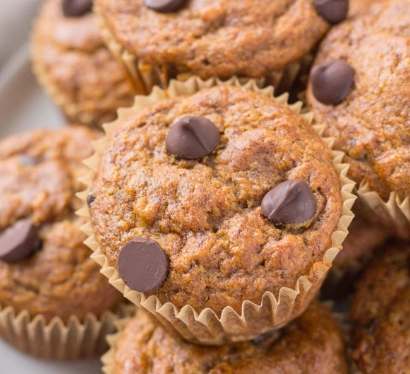
How to Calculate Calories for Your Recipe
If you're serious about knowing, guessing won't cut it. You need to do the math. It's easier than it sounds.
- Weigh your ingredients. This is non-negotiable. Cup measurements are inaccurate. A cup of flour can weigh anywhere from 120 to 150 grams. Use a digital kitchen scale.
- Use a reliable database. The USDA FoodData Central is the gold standard. Look up the calories per 100g for each ingredient.
- Do the sums. (Weight of Ingredient in grams / 100) x Calories per 100g = Calories for that ingredient. Add up all ingredients.
- Divide by portions. Weigh your total batter after mixing. Then weigh each muffin cup after filling. (Total Calories / Total Batter Weight) x Muffin Cup Weight = Calories per muffin.
This method is precise. It accounts for the banana that was bigger than you planned and the extra spoonful of batter you put in that one cup.
A Standard Recipe Calorie Breakdown
Let's look at a common, solid recipe. This makes 12 standard muffins.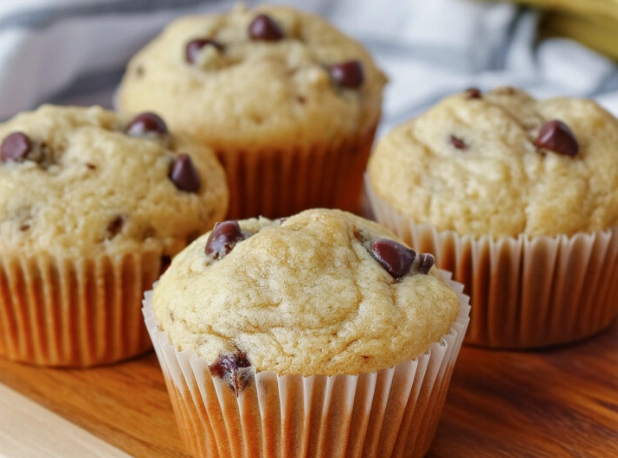
| Ingredient | Typical Amount | Approx. Calories (for whole batch) | Calorie Driver |
|---|---|---|---|
| All-Purpose Flour | 2 cups (250g) | 910 | Base ingredient, fairly fixed. |
| Granulated Sugar | 3/4 cup (150g) | 580 | Major variable. Can often be reduced by 1/4. |
| Vegetable Oil | 1/2 cup (110g) | 990 | Major variable. Easiest place to cut. |
| Large Eggs | 2 | 160 | Fixed for structure. |
| Ripe Bananas | 3 medium (350g) | 315 | Adds sweetness/moisture, not a huge calorie source. |
| Baking Soda/Salt | 1 tsp each | ~5 | Negligible. |
| Total Batch Calories | ~2960 | ||
| Calories per Muffin (of 12) | ~247 |
See? A basic, well-made muffin isn't a calorie bomb. The ~247 calories is a great baseline. But this is a plain muffin. No nuts, no chocolate, no crumb topping. Add those, and you're back in the 300-400 range quickly.
The coffee shop version of this likely uses more oil and sugar for a richer, shelf-stable crumb, and is 20-30% larger. That's how they hit 400+ calories.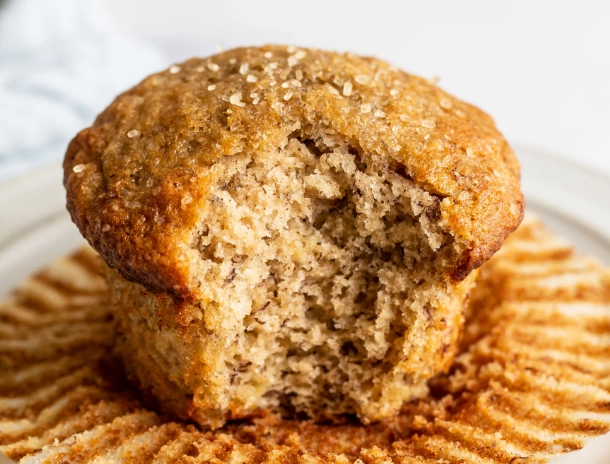
5 Smart Ways to Reduce Calories (Without Ruining Them)
I've had my share of hockey pucks and dry, sad muffins in the name of "health." These swaps actually work.
1. The Oil Swap (The Biggest Lever)
Don't replace all the oil with applesauce. You'll get a gummy texture. Instead, replace half the oil with an equal amount of plain Greek yogurt or unsweetened applesauce. The remaining fat keeps the texture tender. This can save 40-50 calories per muffin right off the bat.
2. Rethink the Sugar
Very ripe bananas are nature's sugar paste. If your bananas are covered in black spots, you can reduce the added sugar in a standard recipe by up to 1/4 cup. Also, consider using a darker sugar like coconut sugar or pure maple syrup—they're slightly lower on the glycemic index and add more flavor per teaspoon.
3. Boost with Fiber, Not Just Less Flour
Replace 1/3 of the all-purpose flour with whole wheat pastry flour or oat flour. It adds fiber, which makes the muffin more filling, and a nutty flavor. Don't go 100% whole wheat unless you like dense bricks.
4. Strategize Your Add-Ins
Love chocolate chips? Use mini chips. You'll distribute chocolate flavor throughout with less volume. Want crunch? Try 2 tablespoons of sunflower seeds instead of 1/2 cup of walnuts. The calorie saving is significant.
5. Portion Control is King
Use a #16 ice cream scoop (about 1/4 cup) to portion batter. You'll get 14-16 smaller muffins instead of 12 large ones. A satisfying 180-calorie mini-muffin is better than feeling you need to eat half a giant one.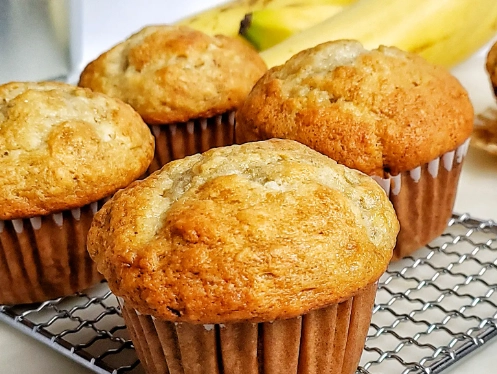
A Healthier, Lighter Banana Muffin Recipe
Here's my go-to recipe. It's moist, flavorful, and clocks in at a reasonable ~190 calories per standard-sized muffin. It uses the swaps we just talked about.
Better-For-You Banana Muffins
Makes 12 muffins | ~190 calories each
Ingredients:
- 1 3/4 cups (210g) whole wheat pastry flour (or 1 cup AP flour + 3/4 cup whole wheat flour)
- 1 tsp baking soda
- 1/2 tsp salt
- 3 very ripe medium bananas, mashed (about 1 1/4 cups)
- 1/3 cup (75g) plain 2% Greek yogurt
- 1/4 cup (50g) coconut oil, melted (or vegetable oil)
- 1/4 cup (60ml) pure maple syrup
- 1/4 cup (50g) light brown sugar
- 1 large egg, room temperature
- 1 tsp pure vanilla extract
- 1/2 cup (optional) add-ins: dark chocolate chips, chopped walnuts, or blueberries
Method:
- Preheat oven to 350°F (175°C). Line a 12-cup muffin tin.
- Whisk flour, baking soda, and salt in a bowl.
- In another bowl, whisk mashed bananas, yogurt, melted oil, maple syrup, brown sugar, egg, and vanilla until smooth.
- Pour wet ingredients into dry. Fold gently until just combined—lumps are fine. Fold in optional add-ins.
- Divide batter evenly among cups. Bake for 18-22 minutes, until a toothpick comes out clean.
- Cool in pan for 5 minutes, then transfer to a rack. They freeze beautifully for up to 3 months.
Why it works: The yogurt/oil combo keeps it moist. The whole wheat pastry flour adds substance without heaviness. The ripe bananas and maple syrup mean you use less refined sugar overall. It's a balanced, satisfying bake.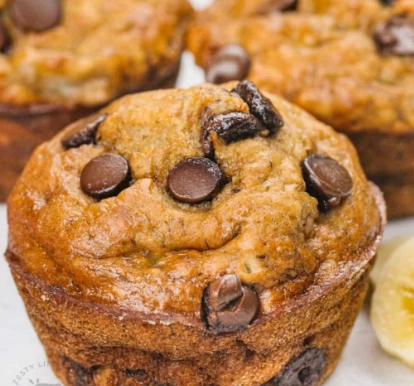
Your Banana Muffin Calorie Questions Answered
The bottom line on banana muffin calories? Knowledge is power. A muffin isn't inherently bad. It's the choices around size, sugar, fat, and add-ins that define it. By understanding the math and making a few smart swaps, you can easily enjoy a delicious, satisfying banana muffin that fits your day. Skip the mysterious cafe version and bake your own. You'll know exactly what's in it, and honestly, it'll probably taste better.
Reader Comments