I remember the first time I ate a tomato that actually tasted like a tomato. It was August, bought from a farm stand on a dusty road, still warm from the sun. It ruined grocery store tomatoes for me forever. That's the power of eating what's in season. It's not just a trendy foodie phrase—it's the simplest way to get food that tastes incredible, costs less, and supports your body and local farmers. Forget the sad, plastic-wrapped produce that's been traveling for weeks. Let's talk about what you should actually be looking for right now.
What's in this guide?
Why Bother with Seasonal Vegetables?
Let's cut to the chase. You'll hear four main reasons: taste, nutrition, cost, and environment. They're all true, but the taste and cost arguments are the ones that'll change your habits overnight.
A strawberry in December is a pale, crunchy imposter. It's bred for shipping, not flavor. A strawberry in June is a fragrant, juicy explosion. Vegetables are the same. They develop their full sugar content and complex flavors when ripened naturally in their proper season and climate.
On cost, it's simple economics. When there's a surplus—like zucchini in late summer—prices plummet. I've seen them go for a dollar a pound or less. In winter, that same zucchini, shipped from another hemisphere, costs three times as much and tastes like water.
Nutritionally, studies, like those referenced by the Academy of Nutrition and Dietetics, suggest produce consumed soon after harvest retains more vitamins and antioxidants. The environmental benefit is a reduced carbon footprint from shorter transport.
Here's the expert nuance most lists miss: seasonality is hyper-local. "Spring" in Florida starts way before "spring" in Maine. A national chart gives you a rough idea, but your local climate is the real boss. That's why the next sections are frameworks—use them, then adjust based on what you see at your market.
Spring Vegetables: The Crisp Awakening
Spring isn't just one season; it's a progression. Early spring is about hardy greens and stalks that push through cool soil. Late spring brings the first tender treats.
Asparagus is the king of spring. Look for firm, bright green stalks with tight tips. Thickness is a preference, not a quality indicator. Snap off the woody ends—they'll break naturally where the tough part begins.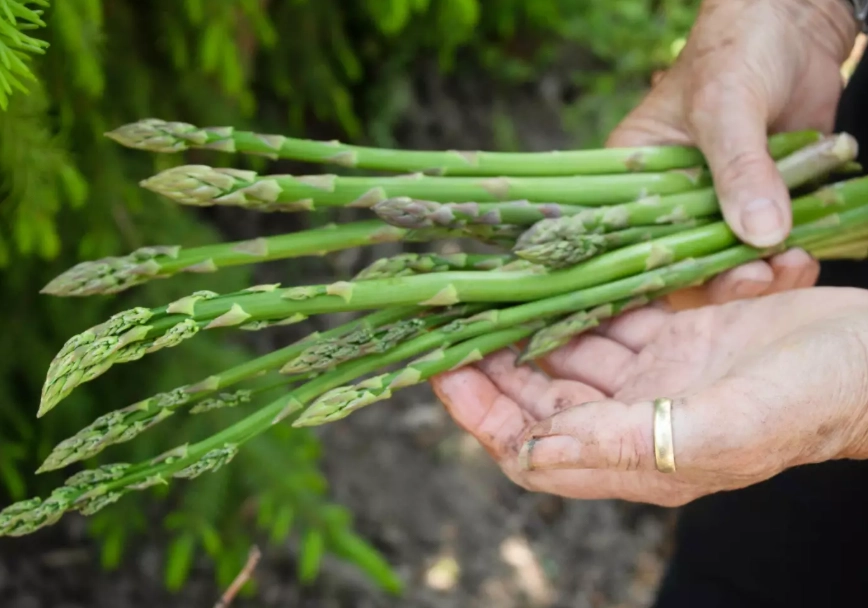
Peas (sugar snap, snow, garden) are fleeting. Their sweetness turns to starch fast. Eat them within a day or two of purchase, raw or barely cooked.
Radishes are your crunchy, peppery friend. The greens are edible too! Sauté them like spinach.
Leafy Greens: Spinach, Swiss chard, kale, and lettuces (like romaine and butterhead) thrive in cool weather. They're sweet and tender now, before the summer heat makes them bitter.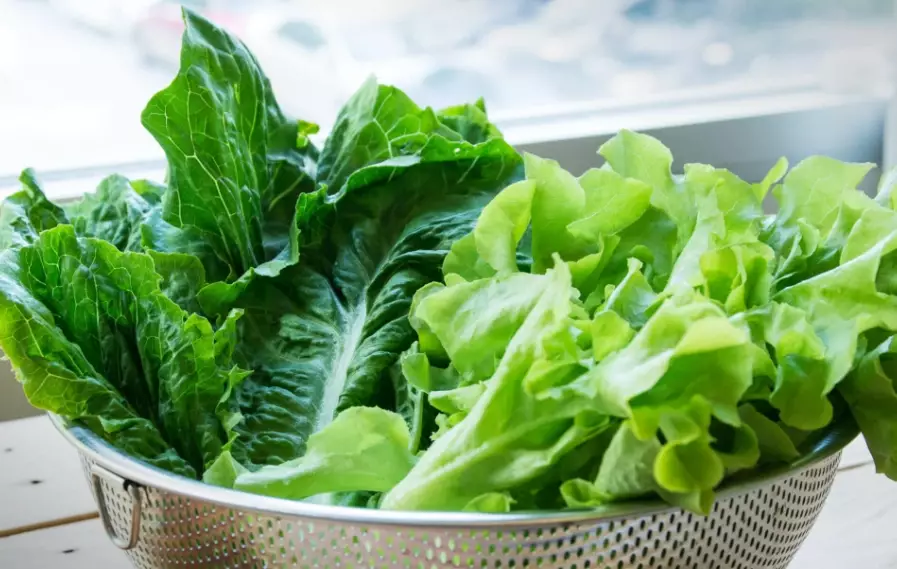
Artichokes peak in spring. They seem intimidating, but steaming them whole and dipping the leaves in lemon butter is a rewarding ritual.
Summer Vegetables: Peak Flavor & Abundance
This is the easy season. Markets overflow with color. Heat-loving fruits-that-we-call-vegetables take center stage.
| Vegetable | Key Buying Tip | Peak Window (Northern Hemisphere) |
|---|---|---|
| Tomatoes | Smell them! They should have a fragrant, earthy scent at the stem. Heirloom varieties crack easily—that's normal. | July - September |
| Corn | Buy it the day you eat it. The sugars convert to starch rapidly. Look for bright green, snug husks. | July - August |
| Zucchini & Summer Squash | Smaller is more flavorful and less seedy. Shiny, firm skin is key. | June - September |
| Cucumbers | Firm, no soft spots. "Burpless" varieties have thinner skin and fewer seeds. | June - August |
| Bell Peppers & Eggplant | Heavy for their size, with glossy, taut skin. | July - September |
| Green Beans | Snap when bent. Avoid any that are limp or have visible bulging seeds. | June - September |
My personal summer rule? Don't refrigerate tomatoes. It destroys their texture and flavor. Keep them on the counter, stem-side down.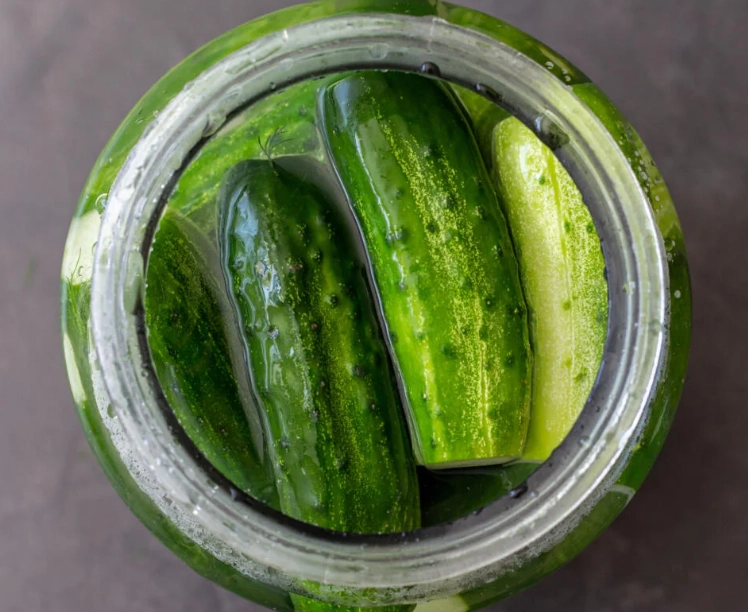
Fall Vegetables: Earthy & Sweet Harvest
As nights cool, plants put energy into roots and storage organs. Flavors deepen, sugars concentrate. Think earthy, sweet, and robust.
Winter Squash: Butternut, acorn, delicata, spaghetti squash. They have hard rinds and store for months in a cool, dark place. A ripe squash should feel heavy and have a dull, not shiny, rind.
Root Vegetables: This is their glory season. Carrots, beets, parsnips, turnips, and sweet potatoes are at their sweetest after a light frost. Don't discard beet greens! They're delicious sautéed.
Cruciferous Powerhouses: Broccoli, cauliflower, Brussels sprouts, and cabbage. Frost improves their flavor, reducing bitterness. Look for tight, compact heads with vibrant color.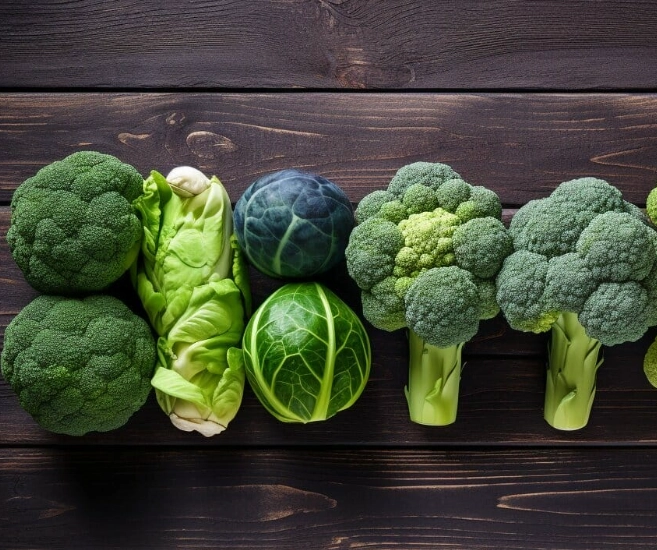
Alliums: Onions, garlic, and leeks are harvested and cured for storage. Freshly harvested "new" onions and garlic have a juicier, milder flavor.
Winter Vegetables: Hardy & Resilient
Winter isn't a barren wasteland. It's about stored harvests and a few incredibly tough greens that grow in cold frames or milder climates.
You'll rely heavily on the storage crops from fall: all those squash, potatoes, onions, and carrots. Check them periodically for soft spots.
Hardy Greens are the winter heroes. Kale (especially dinosaur/Lacinato kale), collard greens, and some varieties of Swiss chard can survive frosts, which makes their leaves sweeter. They might be smaller and more textured, but packed with flavor.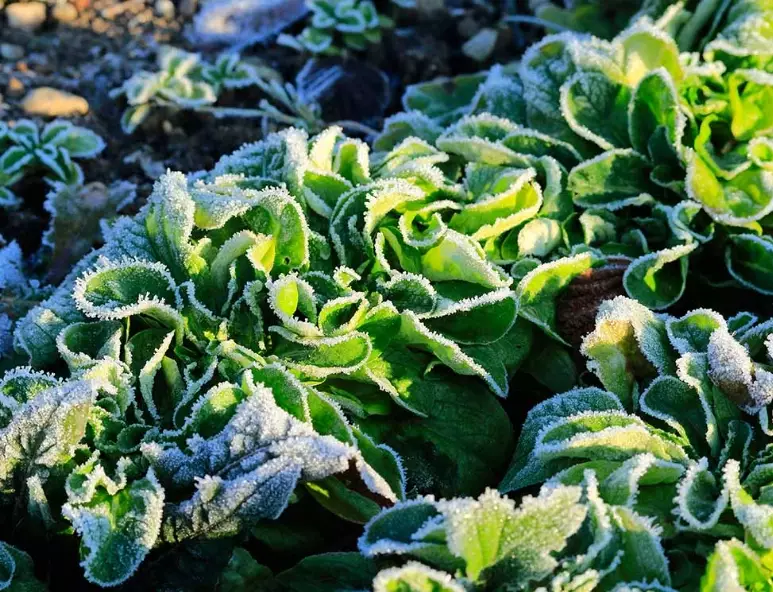
Brussels sprouts on the stalk can often be found well into winter. They taste better after cold weather.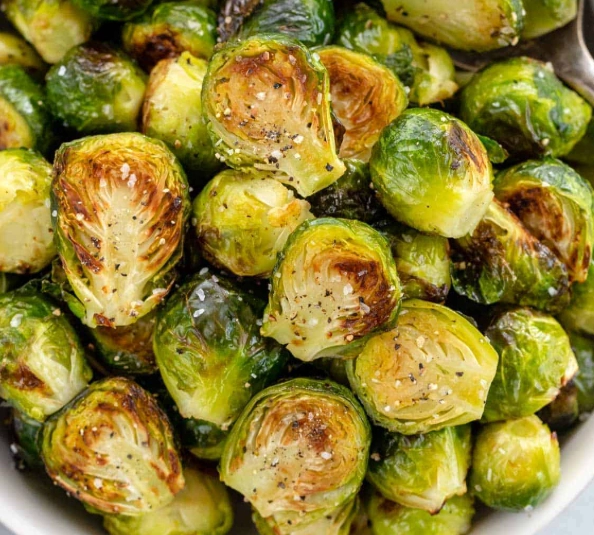
Citrus isn't a vegetable, but it's the seasonal fruit savior in winter, providing bright acidity when our plates need it most.
How to Find Seasonal Vegetables Near You
Knowing what's in season is one thing. Finding it is another.
Farmers Markets are Your Best Bet. Go with a flexible plan and cash. Talk to the farmers. Ask "What's just come in?" or "What are you most excited about this week?" They love to share. Resources like the USDA's Local Food Directories can help you find markets.
Community Supported Agriculture (CSA) boxes are a commitment, but they force you to eat seasonally. You get a weekly box of whatever the farm harvested. It's a culinary adventure that reduces food waste.
Supermarket Sleuthing: Look for signs saying "Local" or check the country/state of origin on labels. The perimeter of the store often highlights seasonal promotions.
Grow Something Yourself. Even a pot of herbs or a cherry tomato plant on a balcony connects you to the rhythm of the seasons like nothing else.
Making Your Seasonal Haul Last: Storage Tips
Buying a big bunch of kale only to find it slimy three days later is the worst. Here's how to avoid that.
Most Greens (spinach, kale, lettuce): Wash, spin or pat dry thoroughly. Store in a container or bag lined with a dry paper towel. The towel absorbs excess moisture. This can double their fridge life.
Herbs (cilantro, parsley): Trim stems, place in a jar with an inch of water (like a bouquet), loosely cover with a plastic bag, and refrigerate.
Root Vegetables (carrots, beets, radishes): Remove the leafy tops immediately! The tops draw moisture from the root, making it limp. Store the roots loose in the crisper drawer. You can eat the beet and radish greens.
Tomatoes, Peppers, Eggplant: Countertop, not the fridge. Cold temperatures damage their texture and flavor.
Summer Squash & Cucumbers: They are chill-sensitive. Store in the warmer part of the fridge (usually the door) and use within a week.
Your Seasonal Vegetable Questions, Answered
Can I find seasonal vegetables in a regular supermarket?
You can, but you have to look for clues. Big supermarkets often source globally, so seasonal items might be mixed with out-of-season imports. Check the country of origin labels. Better yet, look for signs that say "Local" or "Seasonal." The produce manager can sometimes tell you what's coming in fresh from nearby farms that week. For the truest seasonal experience, though, nothing beats a farmers market.
What's the biggest mistake people make when buying seasonal vegetables?
They buy too much of one thing without a plan. You see beautiful, cheap zucchini at the market and fill a bag, only to face zucchini fatigue three days later. The key is to have a couple of preparation methods in mind before you shop. Plan to roast some, shred some for fritters or bread, and maybe pickle a jar. Diversifying how you cook a single vegetable makes a seasonal bounty exciting, not overwhelming.
Are frozen or canned vegetables a good substitute when something is out of season?
For certain vegetables, frozen is an excellent and often nutritionally superior choice. Vegetables like peas, corn, and spinach are typically frozen at peak ripeness within hours of harvest, locking in nutrients. They're perfect for soups, stews, and sides. Canned tomatoes (without added salt or herbs) are a kitchen staple for sauces year-round. However, for salads or dishes where texture is key, like a caprese or a fresh salsa, waiting for the in-season version is non-negotiable.
Reader Comments