You see those bright green spears at the market every spring. Maybe you've had them steamed, limp and bland, on a side plate. Or maybe you've tasted them roasted, with crispy, caramelized edges that made you go back for seconds. The difference is night and day. So, what does asparagus taste like? It's not a single note. It's a whole chord that changes depending on the type, how fresh it is, and crucially, how you cook it.
At its best, asparagus is a celebration of spring. It's earthy and grassy, sure, but also sweet and nutty with a unique savory depth (that's umami). At its worst, it can be bitter, stringy, and overwhelmingly vegetal. Let's get past the vague descriptions and into the specifics.
What You’ll Find in This Guide
The Core Flavor Profile of Asparagus
Think of asparagus flavor in layers.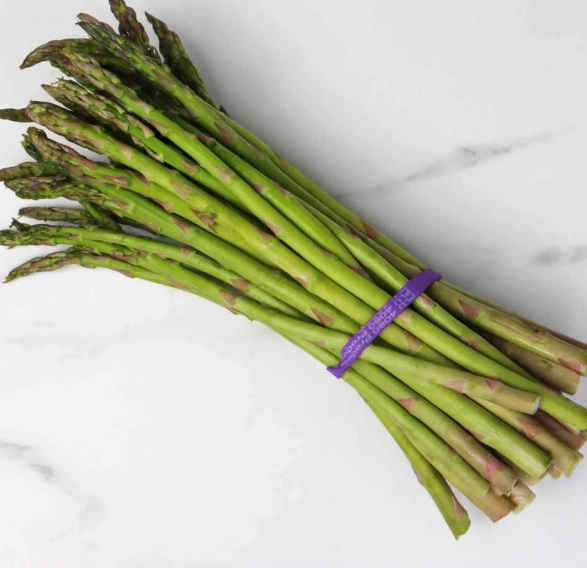
The First Hit: Green and Grassy. This is the most immediate note, especially in raw or lightly cooked spears. It's that fresh, chlorophyll-rich taste you also get from green beans or snap peas, but sharper.
The Foundation: Earthy and Mineral. Underneath the greenness is a distinct earthy flavor. Some people call it "woody" or compare it to artichoke hearts. There's a slight mineral quality, almost flinty, that grounds the taste.
Here's the part most descriptions miss: Asparagus has a significant umami (savory) component. This is why it pairs so magically with eggs, cheese, and cured meats. That savory depth is what makes a simple asparagus risotto or frittata feel so satisfying. It's not just a green vegetable; it's a flavor booster.
The Sweet Spot: Nuttiness and Sweetness. When cooked properly with high heat, the natural sugars in asparagus caramelize. This brings out a wonderful nutty flavor—think toasted almonds or hazelnuts—and a gentle sweetness that balances the initial vegetal punch.
The Texture Factor: Texture is part of taste. A perfectly cooked spear is tender-crisp, snapping cleanly but offering little resistance. Overcooked asparagus becomes mushy and can taste washed-out and sour. The fibrous ends are bitter and tough—that's your signal to snap them off.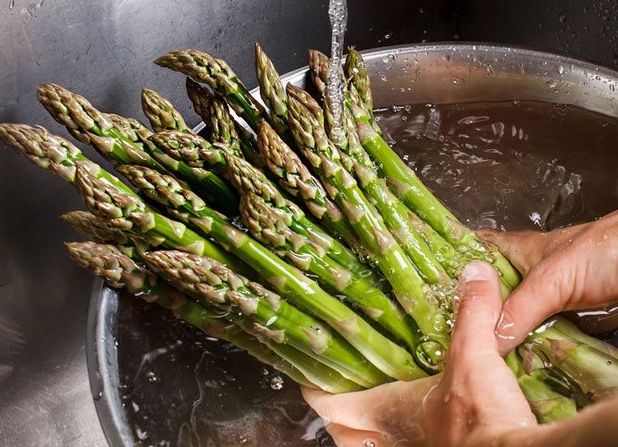
Green vs. White vs. Purple: It's Not Just Color
They're all asparagus, but the growing method creates wildly different experiences.
| Type | How It's Grown | Flavor Profile | Texture & Best Use |
|---|---|---|---|
| Green Asparagus | Above ground, develops chlorophyll. | The classic. Most balanced: grassy, vegetal, earthy, with good sweetness when cooked. Most versatile flavor. | Tender-crisp. Good for roasting, grilling, steaming, eating raw (shaved). |
| White Asparagus | Mounded with soil to block sunlight (etiolated). No chlorophyll. | Milder, less grassy. More pronounced nutty and slightly bitter note, with a delicate, almost sweet corn-like flavor. More subtle overall. | More fibrous peel, tender interior. Almost always peeled and gently poached or steamed. A European delicacy. |
| Purple Asparagus | Above ground, contains anthocyanins (antioxidants). | Surprisingly fruitier and sweeter than green, with very little bitterness. The mildest of the three. | Tender, less fibrous. Loses most purple color when cooked. Excellent raw or very lightly cooked to preserve sweetness. |
I made the mistake of cooking purple asparagus the same way I cook green—a hot roast. It turned mushy fast. Its higher sugar and lower fiber content mean it needs less time. A quick sauté or even eating it raw in a salad is where it shines.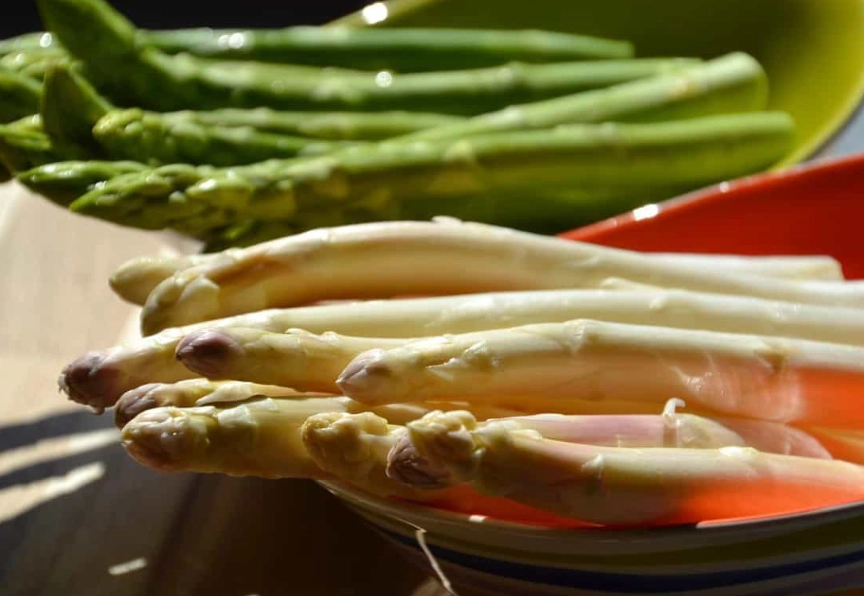
How Cooking Method is the Ultimate Game Changer
This is the biggest factor in what ends up on your plate. Asparagus is a canvas, and heat is your paintbrush.
High-Heat Dry Methods (Roasting, Grilling, Searing)
This is where the magic happens. The Maillard reaction (that browning) transforms the flavor profile. The grassy notes recede, and the nutty, sweet, caramelized flavors come forward dominant. You get crispy, browned bits that are packed with savory, complex taste. The texture is ideal: tender inside, slightly charred outside.
My go-to method: Toss spears in olive oil, salt, and pepper. Roast on a sheet pan at 425°F (220°C) for 12-15 minutes. No boiling, no steaming. This method consistently delivers the best flavor, hands down.
Wet Heat Methods (Boiling, Steaming)
These methods tend to lock in and even accentuate the grassy, vegetal character. They're fine if you want that pure "green" taste, but there's a high risk of waterlogging. Over-steamed asparagus is sad—flavorless, limp, and dull. If you steam, do it briefly, just until bright green and barely tender.
Raw
It's edible, but intense. The grassiness is front and center, along with a peppery, slightly astringent bite. The texture is very crisp and fibrous. To make it palatable, use a vegetable peeler to shave it into long, thin ribbons for salads. This minimizes the fibrousness and lets the dressing soften the sharp edges of the flavor.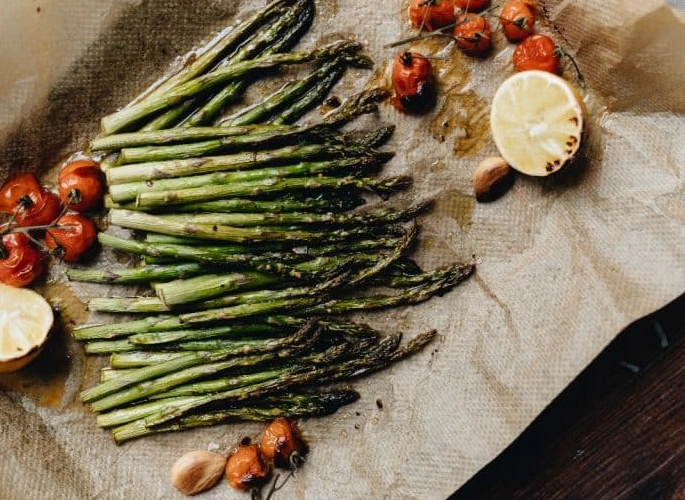
Pro Tip from the Farmers' Market: The thickness of the spear is about age, not tenderness. A thick spear from a mature plant can be just as tender as a thin one if the bottom woody part is properly removed. Don't fear the fat spears—they're great for roasting and have more surface area to caramelize.
Buying and Storing for Peak Flavor
Great flavor starts before you even get to the kitchen.
Buying: Look for firm, straight spears with tight, compact tips. The cut ends should look fresh, not dried out or woody. Avoid spears with wrinkled skin or tips that are starting to open (flower). Smell them—fresh asparagus has a clean, grassy scent, not a sour one.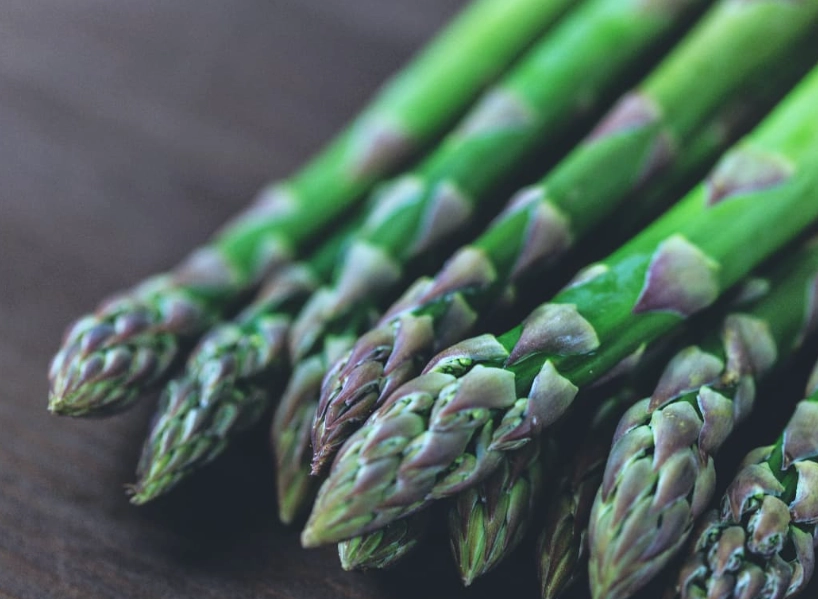
Storing (The Critical Step Most Get Wrong): Do NOT just toss them in the veggie drawer. Asparagus is alive and breathing. Treat it like cut flowers.
- Trim a tiny bit off the dry ends.
- Stand the bunch upright in a jar or glass with about an inch of water.
- Loosely cover the tips with a plastic bag.
- Store in the refrigerator.
This keeps them crisp and hydrated for 4-5 days. Laying them flat accelerates dehydration and flavor loss.
Flavor Pairings That Actually Work (Beyond Lemon)
Lemon is the classic, and it's good—the acid cuts the richness. But there's a whole world out there. Asparagus's earthy-sweet-umami profile loves:
- Fat & Creaminess: Brown butter, hollandaise, Parmesan cheese, toasted almonds, creamy goat cheese. Fat coats the tongue and carries the complex flavors.
- Salty & Savory: Pancetta, prosciutto, soy sauce, miso, sea salt flakes. These amplify the inherent umami.
- Earthy Companions: Morels, peas, new potatoes, tarragon, eggs. They create a harmonious, spring-themed plate.
- Bright Contrasts: Sharp vinaigrettes, orange zest, fresh herbs like dill or chives.
One of my favorite quick dinners: roasted asparagus tossed with a tahini-lemon sauce and sprinkled with za'atar. The nuttiness from the asparagus and tahini together is incredible.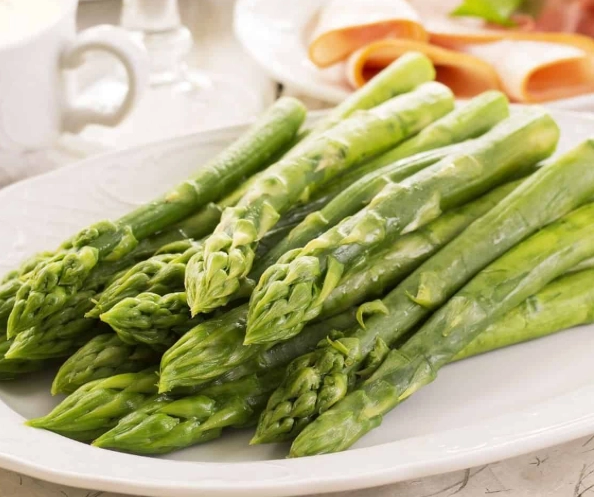
Your Asparagus Taste Questions, Answered
So, what does asparagus taste like? It's a shape-shifter. It can be boldly grassy or subtly sweet, plainly vegetal or deeply savory. Your control over variety, freshness, and cooking method lets you guide it to the flavor you want. Don't write it off after one bad, soggy experience. Grab a bunch of fresh green spears, give them a hot roast with some olive oil and salt, and taste the true potential of spring.
Reader Comments