You bring home a beautiful, globe artichoke, ready to steam it or maybe stuff it. A few days later, you pull it from the fridge and pause. Is that brown patch normal? Does it smell a bit off? Throwing away food feels wasteful, but eating something spoiled is worse. Knowing how to tell if an artichoke is bad isn't just about food safety—it's about saving money and enjoying this vegetable at its best. Let's cut through the guesswork.
I've cooked with artichokes for years, from the giant globes to the smaller, tender varieties. I've also made the mistakes so you don't have to. The most common one? Assuming a little discoloration means it's trash. Often, it doesn't. The real signs of spoilage are more specific, and missing them can ruin a dish.
Quick Guide to Fresh Artichokes
Visual Inspection: What Your Eyes Can Tell You
Start with a good look. A fresh artichoke is a work of art—tightly packed, heavy for its size, with leaves that are mostly a consistent green with maybe a bronze or purple tinge (which is fine, especially in certain varieties like the 'Violetto').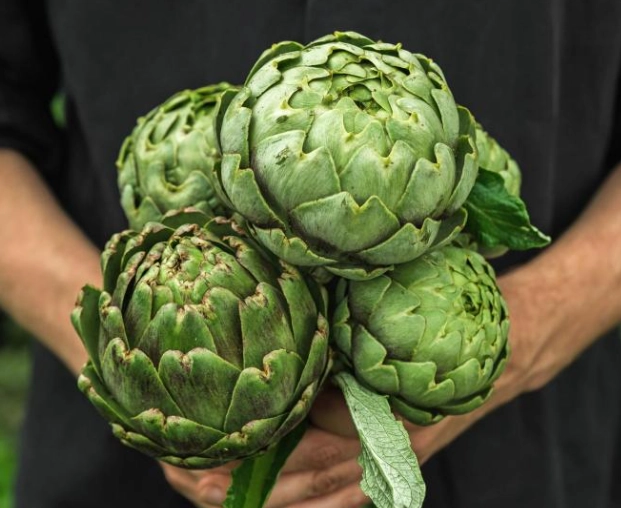
Here’s what to look for, moving from minor issues to definite red flags.
Normal Aging vs. Real Trouble
The outer leaves drying out at the very tips is normal, especially after a few days in the fridge. You can snap those off. A slight browning on the cut stem isn't automatically bad; it's like an apple turning brown. Scrape it off. The real visual warnings are more pronounced.
- Major Browning or Blackening: Large, mushy brown or black spots deep between the leaves, or spreading from the base upward, signal decay. If the center (the choke area) looks dark and slimy when you peek inside, it's gone.
- Mold: This is a non-negotiable stop sign. Fuzzy white, grey, or blue-green mold, especially at the base of the leaves or on the cut stem, means toss it immediately. I once ignored a tiny white spot near the stem, thinking I could cut around it. The funk had traveled further up than I thought.
- Significant Sprouting: If the center has opened up and a fuzzy, inedible flower is starting to emerge, the artichoke is over-mature. It will be tough, woody, and often bitter. Not spoiled in a rotten sense, but spoiled for eating.
- Extreme Wilting: An artichoke that looks deflated, with leaves splayed wide open and limp, has lost too much moisture. It's likely old and will be dry and stringy.
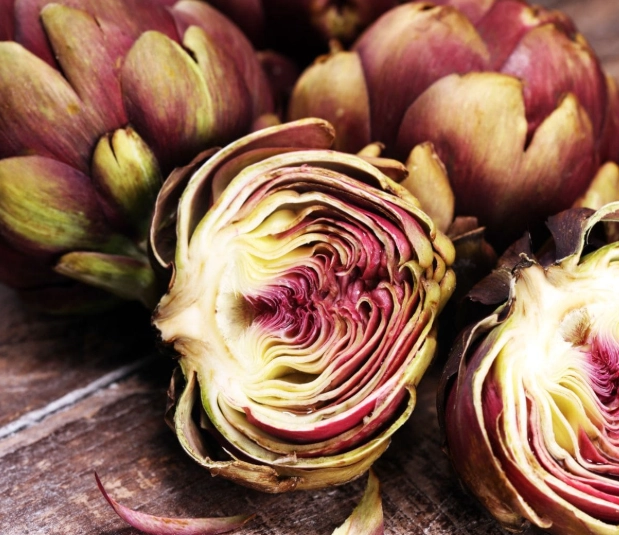
Quick Tip: A little surface scarring or silvery streaks on the leaves are usually just cosmetic damage from farming and transport. They don't affect quality or safety.
The Smell Test: Your Nose Knows
Your sense of smell is a powerful tool. A fresh artichoke has a very mild, slightly sweet, grassy, or nutty aroma—if it has any smell at all. Sometimes it smells like nothing, and that's okay.
A bad artichoke tells a different story. Bring it close and take a sniff near the base and between the leaves.
Sour, Tangy, or Fermented: This is the most common bad smell. It's sharp and unpleasant, reminiscent of spoiled dairy or old cabbage.
Musty or Moldy: A damp, earthy, cellar-like smell indicates mold growth, even if you can't see it yet.
Overly Bitter or Acrid: A harsh, chemical-like odor is a sure sign of advanced decomposition.
If your artichoke fails the smell test, don't second-guess it. Our olfactory senses are primed to detect spoilage for a reason. Trust them.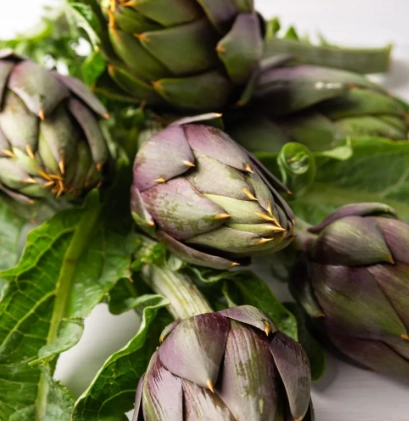
The Touch Test: Feeling for Freshness
How an artichoke feels in your hand gives away its age and condition.
The Squeeze Test: Gently squeeze the globe. A fresh artichoke feels firm, dense, and heavy. The leaves should squeak slightly when rubbed together. If it feels light for its size, it's drying out. If it yields easily to pressure, feeling soft or spongy (especially near the base), it's starting to rot from the inside.
Leaf Snap Test: Pull off a small outer leaf (one you'd discard anyway). On a fresh artichoke, it should snap off cleanly with a crisp sound. If it bends limply or feels leathery, the artichoke is past its prime and will be tough.
Stem Check: The stem should be firm and crisp. A soft, mushy, or rubbery stem is a clear indicator of decay starting from the bottom up.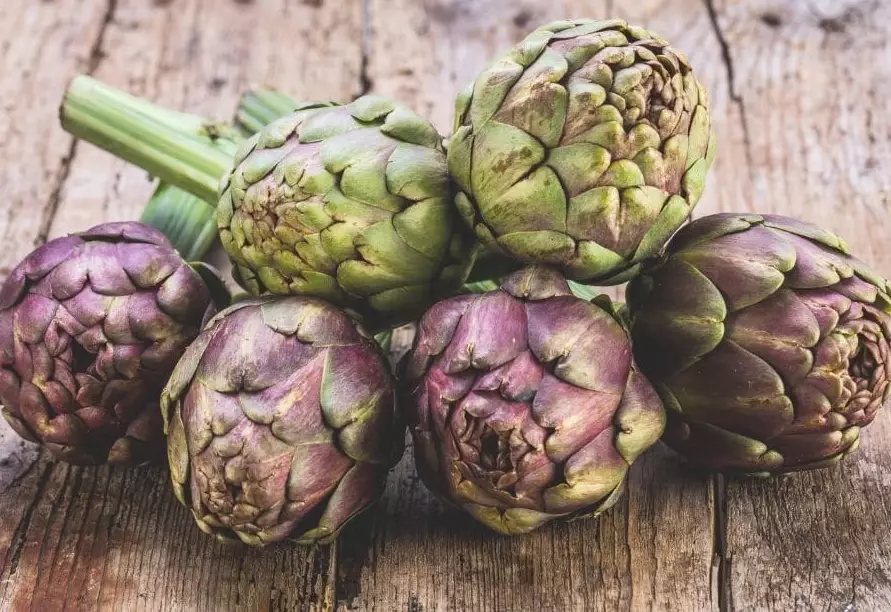
A Common Misconception: People often think a "tight" closed artichoke is always best. While generally true, some heirloom varieties naturally have slightly more open heads. Focus more on the firmness, weight, and color than on leaf tightness alone.
Storage Secrets to Prevent Spoilage
Knowing how to store an artichoke is half the battle in preventing it from going bad. The enemy is moisture loss and ethylene gas from other fruits.
For Whole, Raw Artichokes: Treat them like fresh flowers. Trim about half an inch off the stem. You can optionally rub the cut end with lemon to slow browning, but it's not strictly necessary if you store them right. Place the artichoke upright in a jar or container with an inch of water, loosely cover the head with a plastic bag, and refrigerate. Change the water every couple of days. This method can keep them crisp for 5-7 days.
The Simpler Method: If the water method seems like too much, just place the untrimmed artichoke in a perforated plastic bag (poke a few holes) or loosely wrap it in a slightly damp paper towel, then put it in the crisper drawer. This works well for 3-5 days.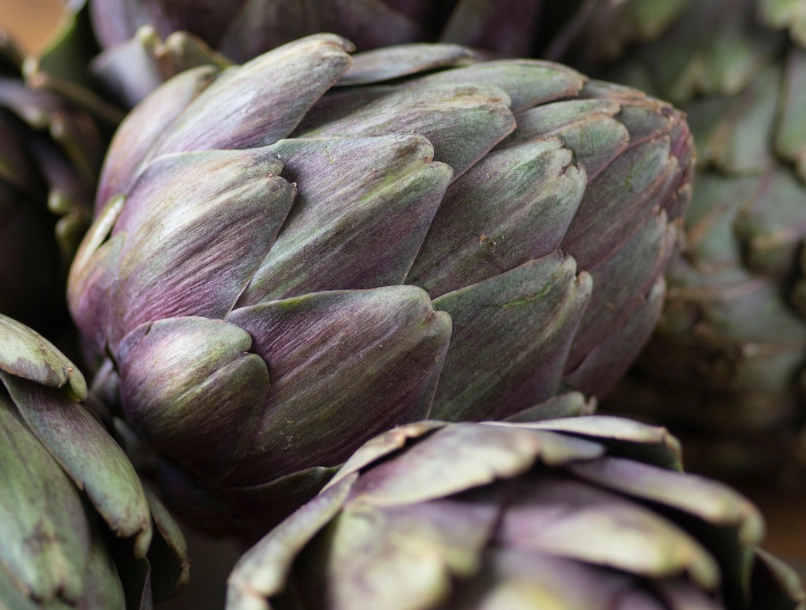
What Not to Do: Don't store artichokes in a sealed, airtight plastic bag. Trapped moisture accelerates mold. Also, keep them away from ethylene-producing fruits like apples, bananas, and tomatoes, which will hasten their deterioration.
Cooked Artichokes: Let them cool completely, then store them in an airtight container in the fridge for up to 4 days. The heart and meaty leaf bases can also be frozen for several months. According to the National Center for Home Food Preservation, properly blanched and frozen vegetables retain quality best.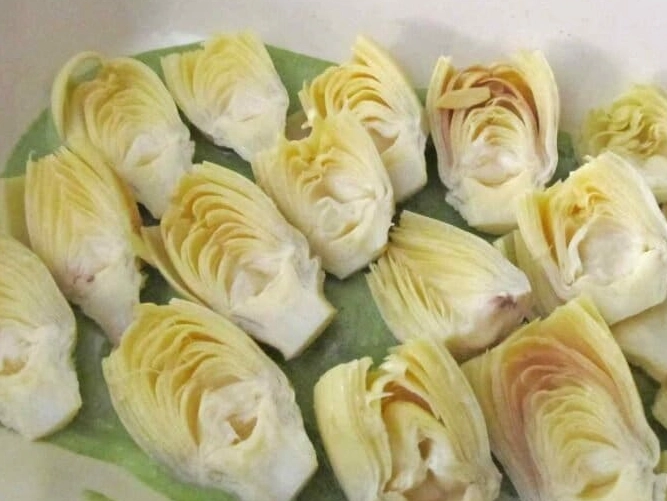
Your Artichoke Questions, Answered
Mastering how to tell if an artichoke is bad gives you confidence in the kitchen. You'll waste less food, save money, and most importantly, enjoy this unique vegetable at its absolute peak—sweet, tender, and utterly delicious. Trust your senses, store them smartly, and don't be too quick to judge a little cosmetic flaw.
Reader Comments