I remember the first time I bit into a strawberry in December. It looked perfect, a glossy red heart, but it tasted like...water with a hint of sadness. That was my wake-up call. The tomato that tastes like cardboard in February isn't a bad tomato; it's just profoundly out of place. Eating seasonally isn't a trendy diet or a strict moral code. It's the simplest way to reconnect with how food is supposed to taste, feel, and nourish us. This guide breaks down the best seasonal foods by season, not with vague platitudes, but with the specific, actionable details that make the shift feel effortless and rewarding.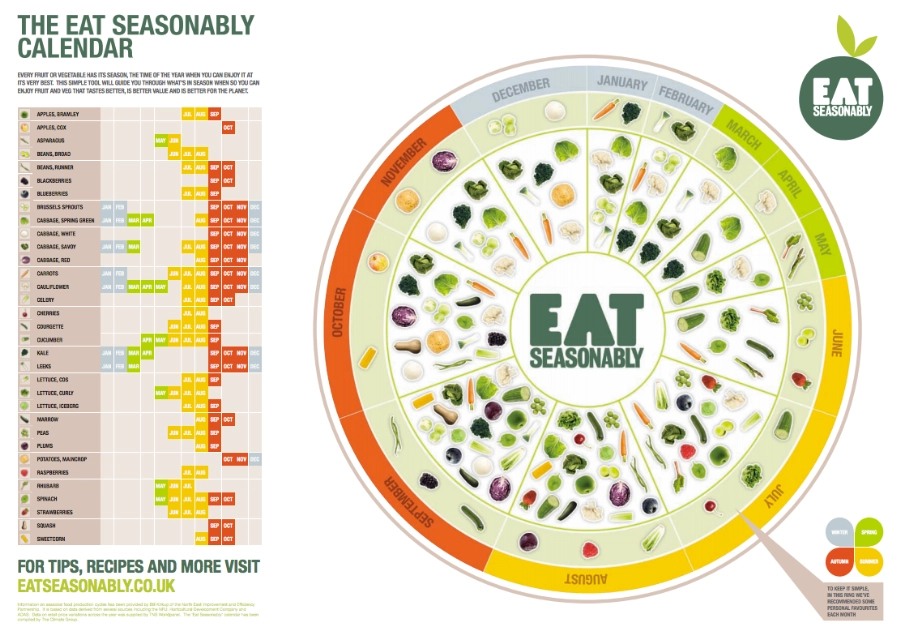
What's Inside This Guide?
- Spring's Green Revival: Tender Shoots & Crisp Beginnings
- Summer's Vibrant Abundance: Sun-Ripened Color & Heat
- Fall's Earthy Harvest: Roots, Gourds & Sweet Endings
- Winter's Sturdy Comfort: Storage Crops & Hearty Greens
- Why Bother? The Tangible Benefits Beyond Taste
- Getting Started: Simple Rules, Not Strict Rules
- Your Seasonal Eating Questions, Answered
Spring's Green Revival: Tender Shoots & Crisp Beginnings
Spring isn't just a date on a calendar. It's the first bite of a raw sugar snap pea, so sweet it could be candy. It's the pungent kick of a wild ramp. After months of storage vegetables, spring foods are all about tender, fast-growing shoots and leaves that signal renewal.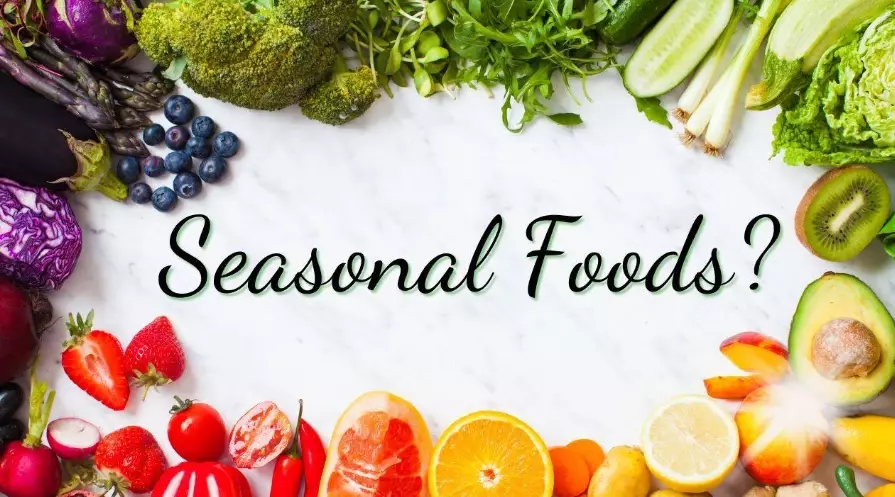
Spring Seasonal Stars:
- Asparagus: The quintessential spring vegetable. Look for firm, bright green stalks with tightly closed tips. Thickness indicates flavor, not toughness. Roast it whole with olive oil and salt until just tender.
- Strawberries (late spring): Wait for the local ones. A June strawberry from a farm stand, often smaller and irregularly shaped, will have a perfume and sweetness the imported giants lack.
- Peas & Fava Beans: These are labor-intensive (shelling favas is a commitment), but their fleeting, buttery flavor is the reward. Toss them raw into salads or quickly sauté with mint.
- Radishes & Spring Onions: Crunch and bite. The peppery radish and the mild, juicy spring onion are perfect for adding fresh texture to anything.
- Artichokes & Morel Mushrooms: The luxury items. Their unique, complex flavors peak now.
A common mistake? Overcooking these delicate items. A spring vegetable should still have life when you eat it. Blanch, don't boil. Sauté quickly. Celebrate their rawness.
Summer's Vibrant Abundance: Sun-Ripened Color & Heat
This is the season most people intuitively understand. Summer food is about one thing: the transformative power of the sun. This is when fruits and vegetables develop their maximum sugar content and deep, complex flavors. It's also the time for high water-content foods that cool us down.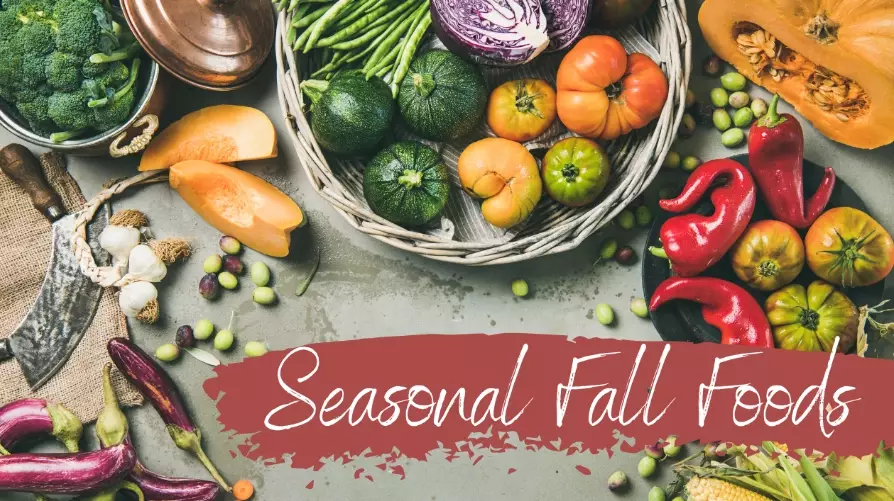
Summer Seasonal Stars:
- Tomatoes: The king of summer. Forget the pale, hard supermarket versions. A ripe, in-season tomato is juicy, tangy, and umami-rich. Heirloom varieties offer a wild spectrum of flavors. Don't refrigerate them—it kills the flavor.
- Stone Fruits: Peaches, nectarines, plums, cherries, apricots. They should be fragrant and yield slightly to gentle pressure. A perfect peach is a life-changing experience.
- Corn & Zucchini: The prolific workhorses. Sweet corn's sugars start converting to starch the moment it's picked—get it local and cook it fast. Zucchini is incredibly versatile, from grilled slabs to spiralized "noodles."
- Berries: Blueberries, raspberries, blackberries. They're fragile and expensive out of season for a reason. Their peak flavor is short and intense.
- Cucumbers & Melons: Hydration in food form. Crisp cucumbers and sweet, watery melons (watermelon, cantaloupe) define summer salads and snacks.
Preservation is key here. This is the time to buy flats of berries for freezing, make big batches of tomato sauce, and pickle cucumbers. You're capturing summer's bounty for the leaner months.
Fall's Earthy Harvest: Roots, Gourds & Sweet Endings
As the light softens, the food gets heavier, sweeter, and more grounded. Fall is about storage—both the food's natural ability to store well and our instinct to stock up. Flavors turn earthy, nutty, and deeply comforting.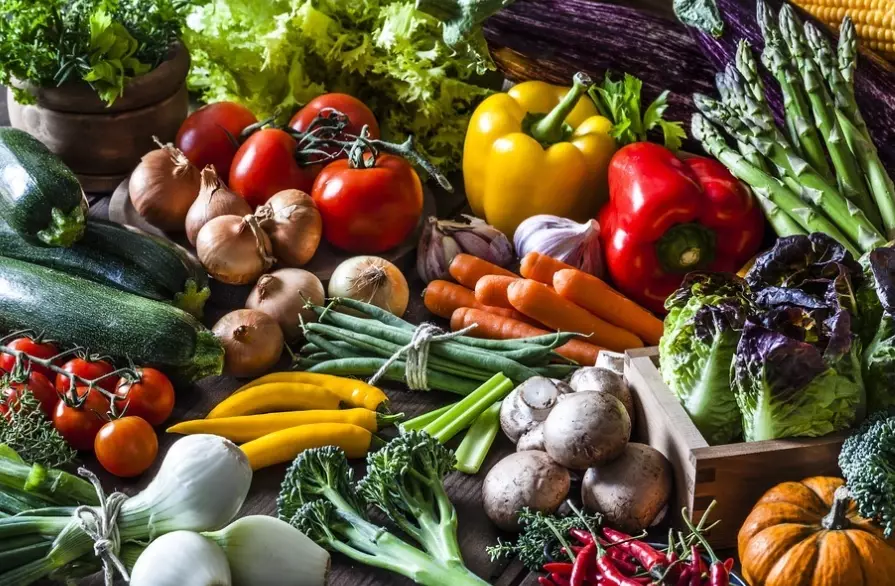
Fall Seasonal Stars:
- Winter Squash & Pumpkins: Butternut, acorn, delicata, kabocha. Their hard skins are nature's perfect packaging. Roasting caramelizes their natural sugars. Don't just carve pumpkins; try roasting smaller sugar pumpkin flesh for pies or soups.
- Apples & Pears: An endless variety, each with a purpose. Tart Granny Smiths for pies, sweet Fujis for eating, firm Bosc pears for poaching. Visit an orchard if you can.
- Root Vegetables: Carrots, beets, parsnips, turnips. The soil's sweetness concentrated. They roast beautifully, developing deep, rich flavors.
- Brassicas: Broccoli, cauliflower, Brussels sprouts, kale. Frost can actually improve their flavor, making them sweeter.
- Mushrooms & Grapes: Wild mushrooms like chanterelles forage in forests, while grapes reach their peak for eating and for wine.
Fall is the season of the one-pot meal. Soups, stews, and roasted trays where these ingredients meld together are not just convenient; they're culturally and culinarily correct.
Winter's Sturdy Comfort: Storage Crops & Hearty Greens
Winter seems barren, but it's a showcase for the miracles of storage and hardy growth. We're eating the intelligent savings of fall and the few things that brave the cold. This is food that sustains.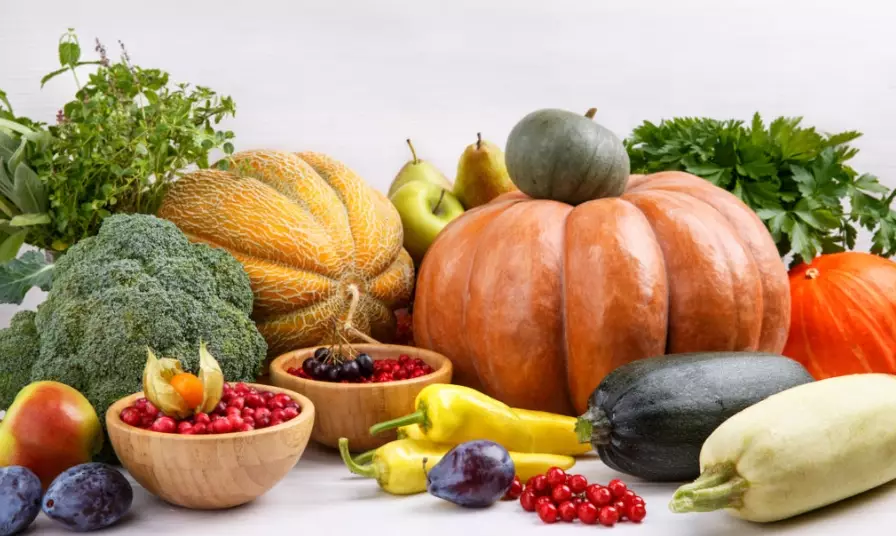
Winter Seasonal Stars:
- Stored Crops: The potatoes, onions, garlic, and winter squash you bought in fall are now the backbone of your cooking. They're at their best.
- Citrus Fruits: Oranges, grapefruits, lemons, mandarins. Their bright acidity and vitamin C are a sunny counterpoint to the gray skies. They peak in the dead of winter.
- Hardy Greens: Kale, collards, Swiss chard. They can survive a frost and are often sweeter for it. Hearty enough for long braises.
- Leeks & Celery Root (Celeriac): Underrated heroes. Leeks add a mild, sweet onion flavor to soups. Ugly celery root transforms into the most elegant, nutty mashed puree.
- Pomegranates & Persimmons: Jewel-like fruits that add bursts of color and unique flavor. A ripe Hachiya persimmon is like sweet, spiced pudding.
Winter is when the quality gap between seasonal and non-seasonal is most stark. That pale, pithy tomato flown from another hemisphere has no place here. Embrace the roots and citrus.
Why Bother? The Tangible Benefits Beyond Taste
Better flavor is the obvious hook, but the reasons go deeper.
Nutrition: A plant produces most of its protective antioxidants and vitamins as it ripens naturally in the sun. A study in the Journal of Agricultural and Food Chemistry found that spinach grown in season had higher vitamin C levels. It makes sense—the plant is thriving in its ideal conditions.
Cost: Basic economics. When there's a glut of zucchini in August, the price plummets. You're not paying for the massive energy cost of heating a greenhouse or flying a cargo plane across continents.
Environmental Impact: Shorter supply chains generally mean less fossil fuel used for transportation and refrigeration. You're also supporting agricultural biodiversity by creating demand for different crops throughout the year, not just the same few that ship well.
Connection: It gives you a rhythm to the year. Asparagus means spring is here. Tomato season is in full swing. Pumpkin time is coming. It grounds you in your local environment.
Getting Started: Simple Rules, Not Strict Rules
This doesn't mean you can never have a banana again. Start small.
1. Shop the Farmers Market (Even Just Once a Month): This is your best teacher. What's piled high on the tables? That's what's in season. Talk to the farmers.
2. Make One Seasonal Swap per Week: This week, only buy tomatoes if they're local and in season. Next week, commit to stone fruits. Build the habit slowly.
3. Learn Your Region's Calendar: A California and a New York seasonal guide will look different. Search for "[Your State] harvest calendar." Print it and stick it on the fridge.
4. Preserve the Peak: When berries or tomatoes are cheap and perfect, buy extra. Freeze berries on a tray. Make a big pot of sauce and freeze it in portions. This is the secret to eating well year-round.
Reader Comments