You grab a banana walnut muffin thinking it's a somewhat healthy choice. It has fruit and nuts, right? Then you wonder, just how many calories are in this thing? The short answer is: typically between 350 to 500 calories for a standard bakery-sized muffin. But that number alone is almost useless.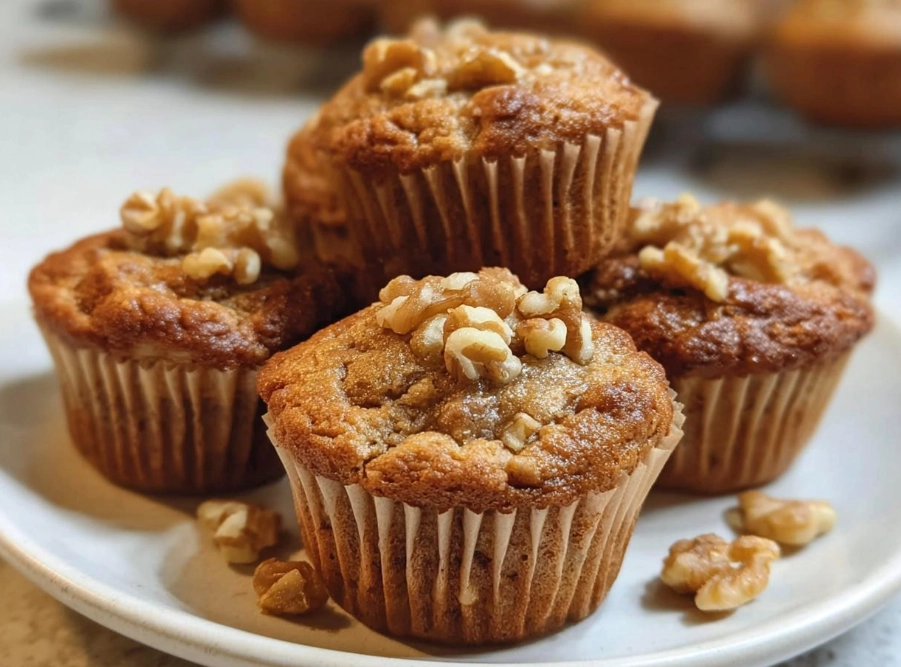
Calories tell you about energy, but nothing about what fuels that energy—the protein, fiber, sugar, and fat that determine whether that muffin will keep you satisfied for hours or send you searching for a snack in 45 minutes.
I've been baking and analyzing recipes for over a decade, and the biggest mistake I see is the obsession with the calorie count on a label, ignoring the ingredient list and portion size. Let's break down what's really in your muffin, from the coffee shop version to your homemade one, and how to make a version that's genuinely satisfying and nutritious.
In This Article
The Calorie Breakdown: Store-Bought vs. Homemade
Where your muffin comes from makes a huge difference. Let's look at the data.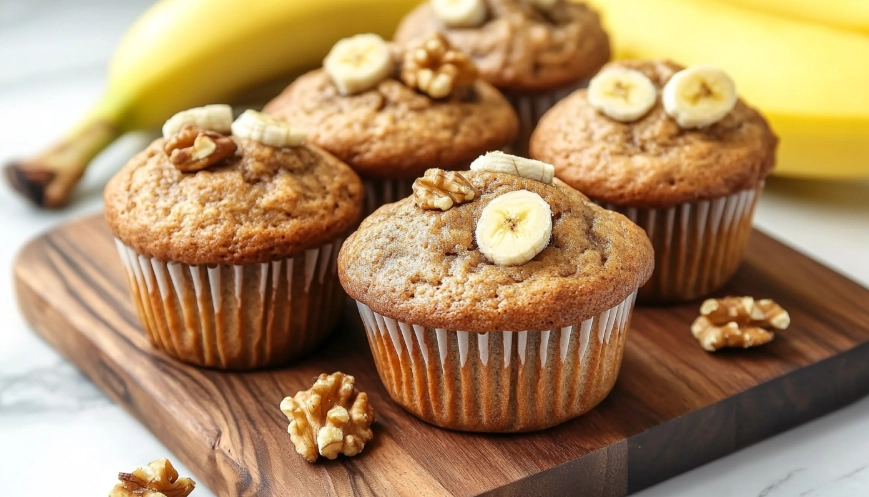
Major coffee chains and supermarkets are the usual suspects. A standard large banana nut muffin from a place like Starbucks or a local bakery can easily hit 450-500 calories. I once checked the label on a popular grocery store brand—490 calories for one muffin. It felt heavy in the hand, dense with sugar and oil.
The U.S. Department of Agriculture's FoodData Central is a reliable source for baseline nutrition data. Their figures for a typical homemade recipe give us a clearer picture of what the ingredients themselves contribute, without the commercial size inflation.
| Muffin Source | Estimated Calories (per muffin) | Key Factors Driving Calories |
|---|---|---|
| Major Coffee Chain | 450 - 500+ | Large size (often 5oz+), high refined sugar & oil content, sugary streusel topping. |
| Grocery Store Bakery | 400 - 480 | Similar issues, plus preservatives. Portion is slightly more variable. |
| Standard Homemade Recipe | 350 - 420 | You control the size. Calories come from butter/oil, sugar, flour, bananas, walnuts. |
| "Healthified" Homemade | 250 - 320 | Strategic swaps: less sugar, whole wheat flour, Greek yogurt, mindful portioning. |
See the gap? The homemade advantage isn't just about shaving off 100 calories. It's about knowing every ingredient that goes in.
When you bake at home, a typical muffin from a classic recipe might use 1/2 cup of sugar and 1/2 cup of butter for a batch of 12. That's the baseline. The bananas add sweetness and moisture, but they don't replace all the sugar in a traditional recipe. The walnuts add healthy fats, protein, and about 50-70 calories per muffin's worth—a trade-off I always take for the texture and nutrition.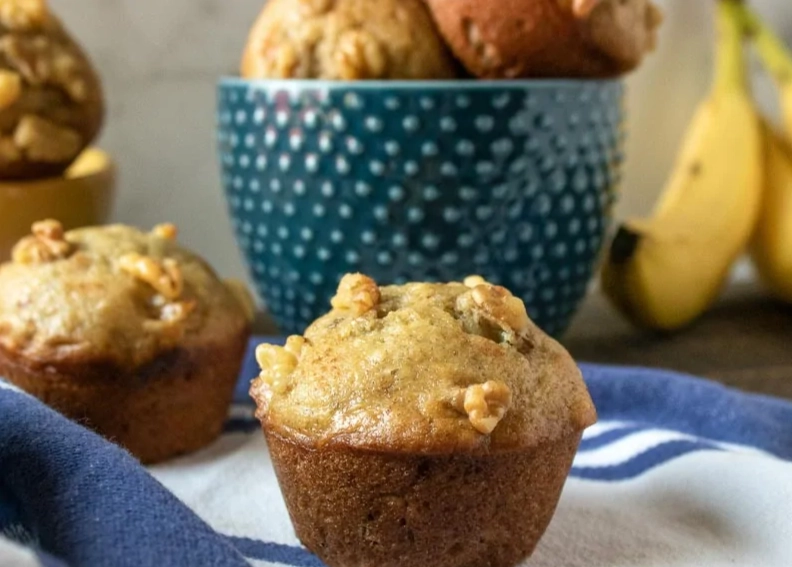
Why Size is Everything
Muffin tins have grown. A "standard" muffin cup used to hold about 1/4 cup batter. Today's tins, and commercial muffins, are often based on a 1/2 cup capacity or larger. That immediately doubles the calories from the recipe you're following. If you're tracking intake, use a kitchen scale. One homemade muffin should be in the 80-100 gram range, not 150+.
The Health Impact: It's Not Just About Calories
Calories in a banana walnut muffin are one metric. The nutrient profile is what actually affects your energy and health.
The Sugar Problem (It's Bigger Than You Think)
This is the silent calorie driver. A bakery muffin can contain 40-50 grams of sugar. That's 10-12 teaspoons, nearing the American Heart Association's recommended *daily limit* in one sitting. Even homemade recipes often call for 3/4 cup of sugar.
The bananas contribute natural sugars, but in a typical recipe, they're not the primary sweetener—they're a flavor. The rest is usually refined white or brown sugar. This sugar spike is what leads to the crash and hunger later.
The Fat: Friend and Foe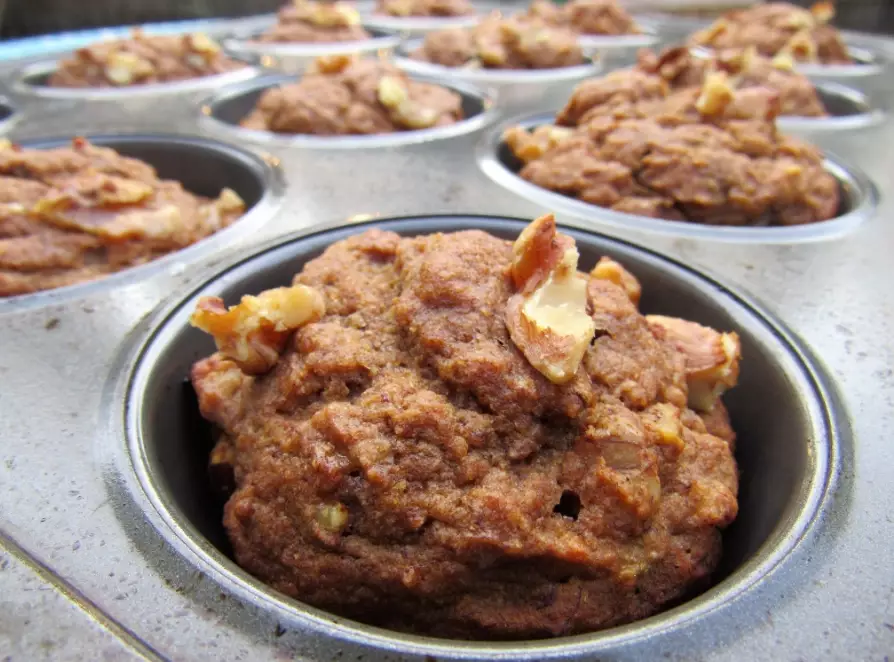
Fat carries flavor and creates tenderness. The fat in your muffin comes from a few places:
- Butter/Oil: Provides richness and texture. Not inherently bad, but a major calorie source.
- Walnuts: The good guy. They provide polyunsaturated and monounsaturated fats, which support heart health. They also add protein and fiber.
- Eggs: Provide some fat and crucial structure.
The issue with many commercial muffins isn't just the amount of fat, but sometimes the type—cheaper oils high in omega-6s.
Where's the Fiber?
This is the missing piece for satiety. A white flour muffin, even with bananas and walnuts, is relatively low in fiber—maybe 2-3 grams. Switching to whole wheat pastry flour or oat flour can bump that to 4-5 grams per muffin, helping balance blood sugar and keep you full.
Think of it this way: 400 calories of a fiber- and protein-packed muffin is a completely different metabolic experience than 400 calories of a sugar-and-white-flour bomb. The number on the scale is the same, but your body's response isn't.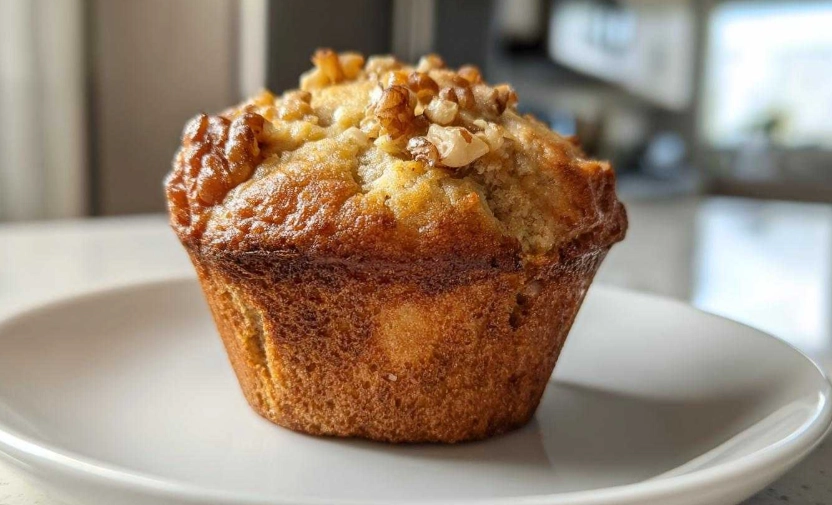
The Expert Recipe for a Better Banana Walnut Muffin
Here’s how I approach a banana walnut muffin recipe to maximize nutrition and flavor while keeping calories reasonable. This isn't a sad, "diet" muffin. It's a genuinely better one.
The Goal: A muffin around 280-320 calories, with 5g+ fiber and 6g+ protein.
Key Strategies:
- Maximize Banana Power: Use 3 very ripe, large bananas for a batch of 12. They provide sweetness, moisture, and fiber. Mash them well.
- Sweeten Smartly: Cut the refined sugar in half. A classic recipe uses 1 cup? I use 1/2 cup. The bananas pick up the slack. For the other half, I might use 1/4 cup pure maple syrup or honey (adds liquid) or a dash of a natural sweetener blend.
- Rethink the Fat: Replace half the butter or oil with an equal amount of plain Greek yogurt or unsweetened applesauce. You keep moisture and add protein.
- Fortify the Flour: Use 50% whole wheat pastry flour and 50% all-purpose. The pastry flour keeps it light. You get the fiber boost without a dense, heavy result.
- Boost the Walnuts (and Protein): Keep a full cup of toasted walnuts. Consider adding 2-3 tablespoons of ground flaxseed or hemp seeds to the dry ingredients for more fiber, healthy fats, and a nuttier flavor.
The Method:
- Preheat to 375°F (190°C). Line a 12-cup muffin tin.
- Whisk dry: 1 cup whole wheat pastry flour, 1 cup all-purpose flour, 1/2 tsp baking soda, 1 1/2 tsp baking powder, 1/2 tsp salt, 2 tbsp ground flax.
- In another bowl, mash 3 large bananas. Whisk in 1/2 cup brown sugar, 1/4 cup maple syrup, 1/4 cup melted coconut oil or butter, 1/2 cup Greek yogurt, 2 eggs, and 2 tsp vanilla.
- Fold wet into dry until just combined. Fold in 1 cup toasted walnuts.
- Divide batter (about 1/4 cup per cup—they will dome nicely).
- Bake 18-22 minutes until a tester comes out clean.
Let them cool. The flavor improves the next day. These freeze perfectly.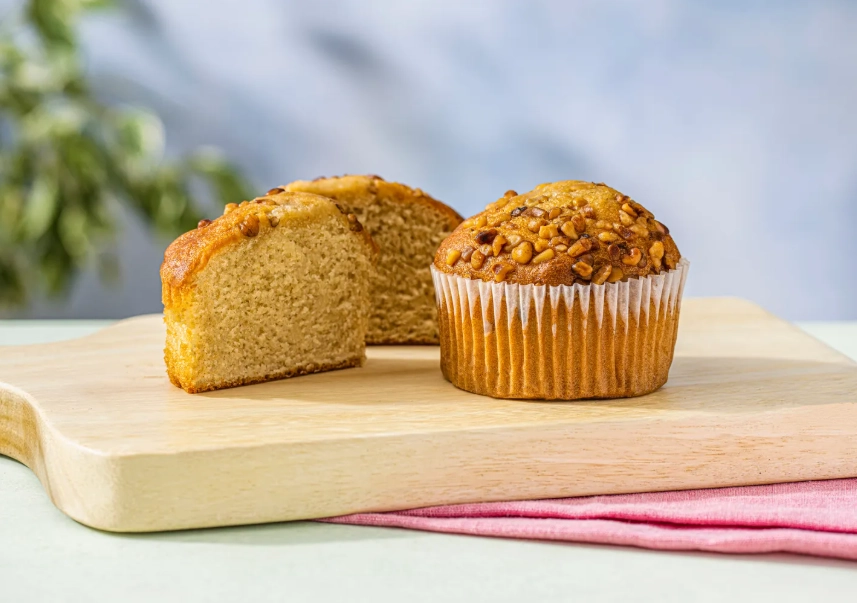
Your Muffin Calorie Questions Answered
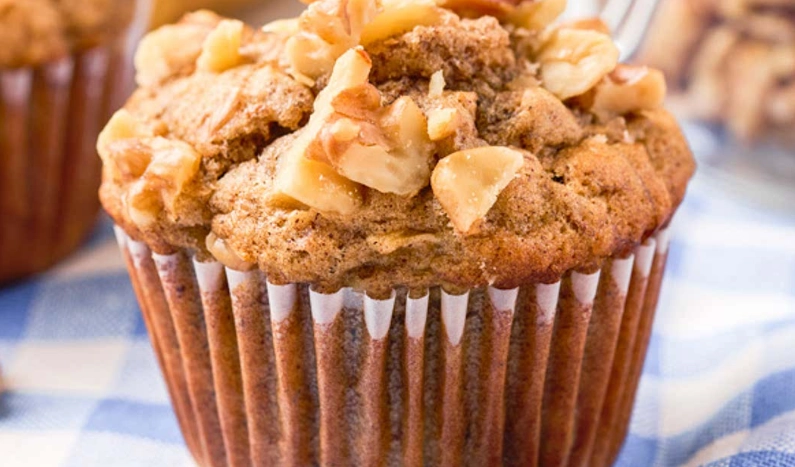 So, the next time you're eyeing a banana walnut muffin, you'll know exactly what you're getting into. You can enjoy it mindfully, or better yet, spend 30 minutes baking a batch that fuels you better. The calories are just the starting point for a much more interesting conversation about what's on your plate.
Reader Comments