Let's cut to the chase: if your apple pie has ever turned out soggy, bland, or just meh, the apples are likely to blame. After baking pies for over a decade, I've learned that picking the right apple isn't just a suggestion—it's the difference between a forgetgettable dessert and one that guests beg for the recipe. Forget what you've heard about any apple working; some varieties hold their shape, others melt into sauce, and getting the mix right is where the magic happens.
What You'll Find in This Guide
Why Does Apple Variety Matter for Apple Pie?
Think about it. Apples aren't just sweet or tart; they have personalities. Some are crisp and juicy, others are dense and dry. When baked, these traits transform. A watery apple like Red Delicious will release tons of juice, making your crust soggy. A firm apple like Granny Smith holds up, giving you distinct slices in every bite.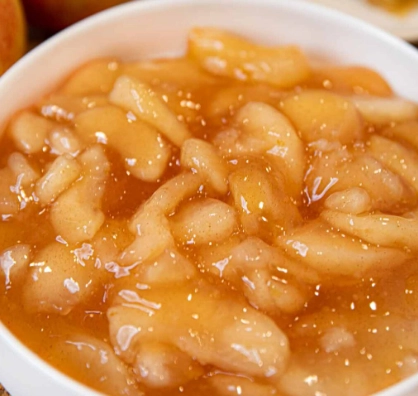
I remember one Thanksgiving when I used only McIntosh apples because they were on sale. Big mistake. The pie filling turned into applesauce—still tasty, but not what I wanted. That's when I realized that understanding apple characteristics is non-negotiable.
The Three Pillars: Sweetness, Tartness, and Texture
Here's what to look for:
- Sweetness vs. Tartness: Sweet apples (e.g., Fuji, Gala) reduce the need for added sugar, but can taste flat. Tart apples (e.g., Granny Smith) add brightness but might be too sharp alone.
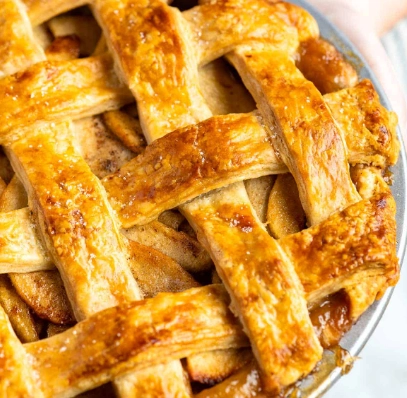
- Texture: Firm apples retain shape; soft apples break down. For apple pie, you want a mix—some structure, some sauciness.
- Water Content: High water content means more juice, which can lead to a soggy bottom. Low water content apples are better for holding form.
According to the US Apple Association, there are over 100 apple varieties grown in the U.S., but only a handful excel in pies. It's not about fancy names; it's about how they behave in the oven.
The Best Apples for Apple Pie: A Side-by-Side Comparison
I've tested dozens of varieties. Below is a table comparing the top contenders based on my experience and common baker feedback. Prices and availability vary by season and region—fall is prime time for most.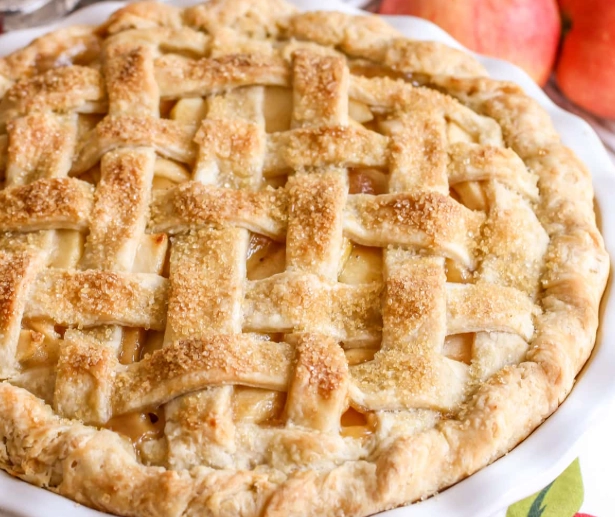
| Apple Variety | Flavor Profile | Texture When Baked | Best For | Price Range (per lb)* |
|---|---|---|---|---|
| Granny Smith | Very tart, crisp | Holds shape well | Structural base, balancing sweetness | $2 - $3 |
| Honeycrisp | Sweet with mild tartness | Softens but keeps some bite | Adding natural sweetness | $3 - $4 |
| Braeburn | Balanced sweet-tart | Firm, holds shape | All-purpose pie apple | $2.5 - $3.5 |
| Pink Lady | Tangy and sweet | Very firm, crisp | Preventing mushiness | $3 - $4 |
| Jonagold | Sweet with honey notes | Softens into creamy texture | Creating a saucier filling | |
| Golden Delicious | Mildly sweet | Breaks down easily | Mixing for moisture | $2 - $2.5 |
*Prices are approximate and based on U.S. grocery stores in fall. Local farmers' markets might offer better deals.
Granny Smith is the go-to for many, but it's not perfect alone. Its high acidity can overpower. Honeycrisp, while delicious, is pricier and can get too soft if overbaked. Braeburn is my personal favorite for reliability—it's like the workhorse of pie apples.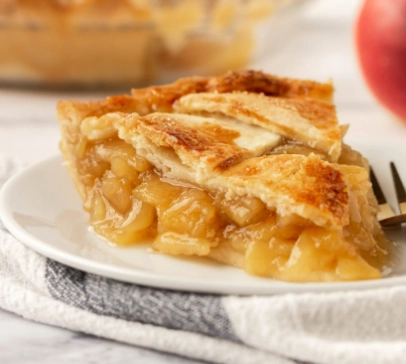
Here's a tip: avoid Red Delicious. They're mealy and watery. I've seen them recommended in old cookbooks, but trust me, they'll ruin your pie's texture.
How to Mix Apples Like a Pro Baker
Mixing apples is where you can get creative. A single variety pie can be good, but a blend is exceptional. Aim for a balance of flavors and textures.
My go-to blend: 50% firm tart apple (like Granny Smith or Braeburn) + 30% sweet apple (like Honeycrisp or Fuji) + 20% soft apple (like Golden Delicious or McIntosh). This gives you structure, sweetness, and a bit of sauciness.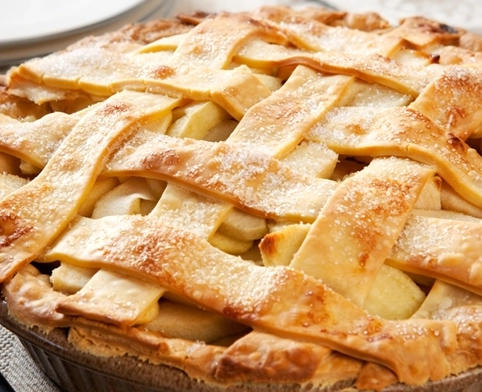
Let's break it down with a scenario. Suppose you're making a pie for a crowd. You want it to impress. Pick:
- 2 Granny Smith apples: For tartness and hold.
- 2 Honeycrisp apples: For natural sweetness and aroma.
- 1 Braeburn apple: For that balanced backbone.
Slice them uniformly—about 1/4 to 1/2 inch thick. Thicker slices mean more texture. Toss with sugar, spices, and a tablespoon of flour or cornstarch to thicken juices. The flour acts like a sponge, so you don't end up with a soup.
I learned this the hard way. Once, I skipped the thickener, thinking the apples would be fine. The result? A juicy mess that leaked all over the oven. Not fun to clean up.
Common Mistakes Everyone Makes (And How to Skip Them)
Even experienced bakers slip up. Here are pitfalls I've seen—and how to avoid them.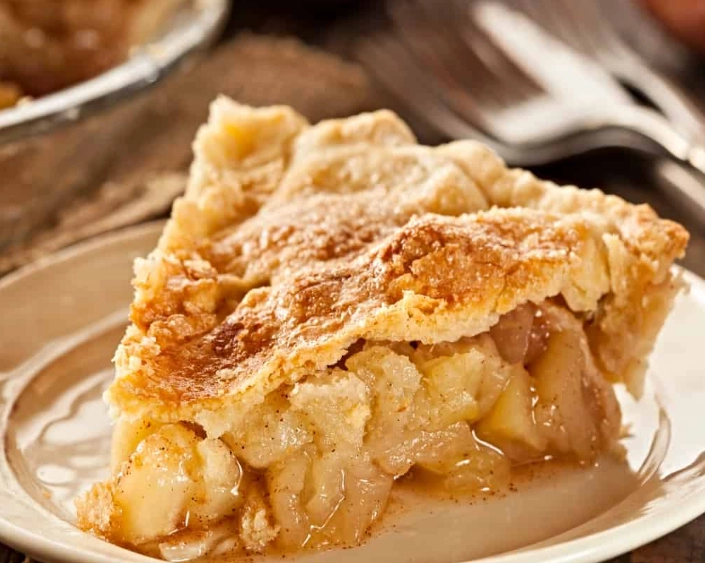
Mistake 1: Using only one type of apple. It limits flavor depth. Fix: Always mix at least two varieties. Even a simple Granny Smith and Honeycrisp combo works wonders.
Mistake 2: Not adjusting sugar for apple sweetness. If you use sweet apples and follow a recipe for tart ones, your pie will be too sweet. Fix: Taste your apples raw. If they're sweet, reduce sugar by 20-25%. For tart apples, you might need a bit more.
Mistake 3: Ignoring apple freshness. Old, soft apples can work, but they might lack flavor. Fix: Use apples that are firm to the touch. If they're from your fridge, let them come to room temperature before slicing to assess texture.
Mistake 4: Overloading the pie with filling. This causes overflow and uneven baking. Fix: Fill the pie dish just to the rim—apples will shrink slightly. I use about 6-7 cups of sliced apples for a 9-inch pie.
A non-consensus point: many bakers swear by chilling the filled pie before baking to set the crust. I disagree for apple pie. The apples release moisture as they sit, making the bottom soggy. Instead, assemble and bake immediately, or pre-cook the filling slightly if you're worried about juiciness.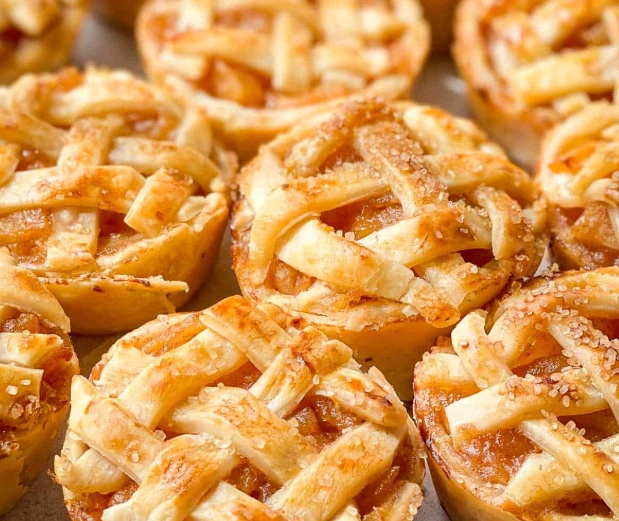
Your Apple Pie Questions, Answered
Choosing apples for apple pie isn't rocket science, but it does require a bit of know-how. Start with a mix, pay attention to texture, and don't be afraid to tweak recipes. Your perfect pie is out there—probably with a blend of Granny Smith and Honeycrisp, baked until golden. Give it a try this fall, and let the apples do the talking.
Reader Comments