In This Guide
- The Heart of the Matter: Understanding Rhubarb's Prime Time
- How to Actually Know When YOUR Rhubarb is Ready
- Forced Rhubarb vs. Field-Grown: A Season Inside a Season
- What Happens if You Harvest Too Early or Too Late?
- Your Rhubarb Season FAQs Answered (No Fluff)
- The Bigger Picture: Why Seasonality Matters with Rhubarb
You know that feeling when you walk into a farmers' market in early spring, and you see those long, crimson stalks piled high? That's the first sign. For me, it's always been a bit of a guessing game. I remember planting my first rhubarb crown years ago, eagerly waiting for a harvest, and completely mistiming it. I pulled stalks in late fall, and let's just say the resulting pie was... memorable, and not in a good way. It was tough, stringy, and so sour it made your eyes water.
That experience taught me a hard lesson: knowing when is rhubarb in season isn't just a casual tip—it's the difference between a culinary triumph and a puckered face. It's about capturing that perfect balance of tartness and tenderness. So, let's cut through the confusion. The simple, core answer is that in most temperate regions, rhubarb is a spring crop. Its prime season typically runs from April through June. But if you think that's the whole story, you're in for a surprise. The timing is a dance between frost, daylight, and your own backyard's microclimate.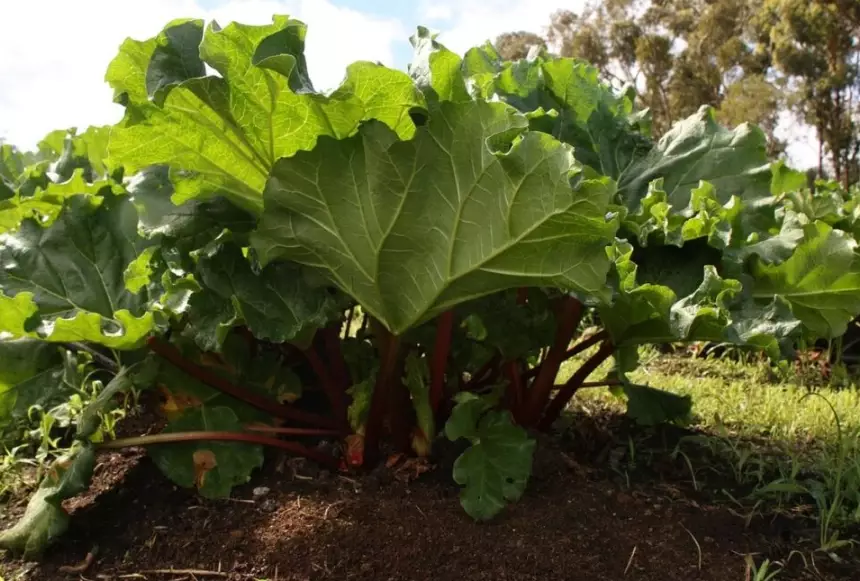
Why does this matter so much? Harvesting rhubarb at the peak of its season means the stalks are naturally sweeter (well, sweet for rhubarb), more tender, and less fibrous. The plant's energy is perfectly balanced. Get it wrong, and you're dealing with a mouth-puckering, woody vegetable that no amount of sugar can fully tame. I've been there, and I don't want you to waste good ingredients like I did.
The Heart of the Matter: Understanding Rhubarb's Prime Time
Let's get down to the specifics. Rhubarb isn't like a tomato that fruits all summer. It's a perennial with a specific, almost impatient, growing window. The plant spends the winter building up energy in its massive root system, called a crown. As the ground thaws and temperatures consistently stay above freezing, it sends up its iconic stalks.
The single most important trigger for rhubarb season is temperature. It needs a period of winter chill (dormancy) followed by the warming days of spring. This is why you can't really force a summer or fall harvest—the plant's internal clock is set to spring.
A Quick Personal Aside: I live in a region with mild winters now, and my rhubarb sometimes gets confused. It sends up a few wimpy stalks in a warm February spell, only to get zapped by a late frost. I've learned to ignore these false starts. The true season starts when the risk of a hard freeze is solidly past.
So, when is rhubarb in season for most people? Think of it as a wave moving north. It starts in the warmer southern areas in late March or early April and hits the northern states and Canada by May and June. Your local frost date is your best friend here.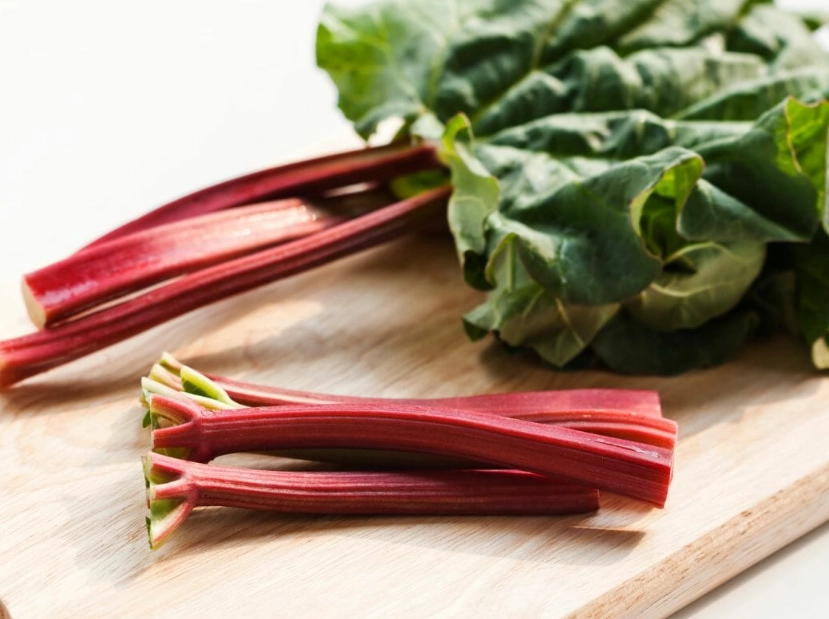
Regional Rhubarb Season Calendar
This table breaks down the typical harvest windows. Remember, weather is fickle—a late spring or an early heatwave can shift things by a week or two. I always tell folks to use this as a guideline, not a gospel.
| Region (General) | Typical Season Start | Peak Harvest Window | Season End Notes |
|---|---|---|---|
| Southern US (e.g., Zones 7-8) | Late March | April - Mid-May | Season ends earlier due to summer heat. |
| Mid-Atlantic & Midwest (e.g., Zones 5-6) | Mid to Late April | May - June | The classic, reliable rhubarb belt. |
| Pacific Northwest | April | May - July | Cooler summers can allow for a longer, milder harvest. |
| Northeast & Canada (e.g., Zones 3-4) | May | June - Early July | A later but often vigorous season. |
| United Kingdom & Northern Europe | April | May - July | The famed "Rhubarb Triangle" season runs strong through summer. |
See the variation? That's why a one-size-fits-all answer to "when is rhubarb in season" can be misleading. Your zip code matters.
How to Actually Know When YOUR Rhubarb is Ready
Calendars are helpful, but your eyes and hands are the best tools. Forget the date on your phone. Here's what you're really looking for:
- Stalk Size & Firmness: The stalks should be at least 10-15 inches long and about as thick as your thumb (or thicker). Give them a gentle squeeze. They should be firm and crisp, not limp or soft. If they snap cleanly when bent, that's a fantastic sign of freshness and peak texture.
- Color is a Clue, Not a Rule: This trips people up. Many think ripe rhubarb must be deep red. Not true. While varieties like 'Crimson Red' are stunningly red, classic 'Victoria' or other green-stalked varieties are just as ripe and flavorful—they're simply more tart. The color is more about variety than readiness. Don't avoid the green ones!
- The Leaf Test: The leaves should be fully unfurled and large, but still a vibrant green, not starting to yellow or look ragged. Huge, healthy leaves mean the plant is photosynthesizing like crazy and pumping goodness into the stalks.
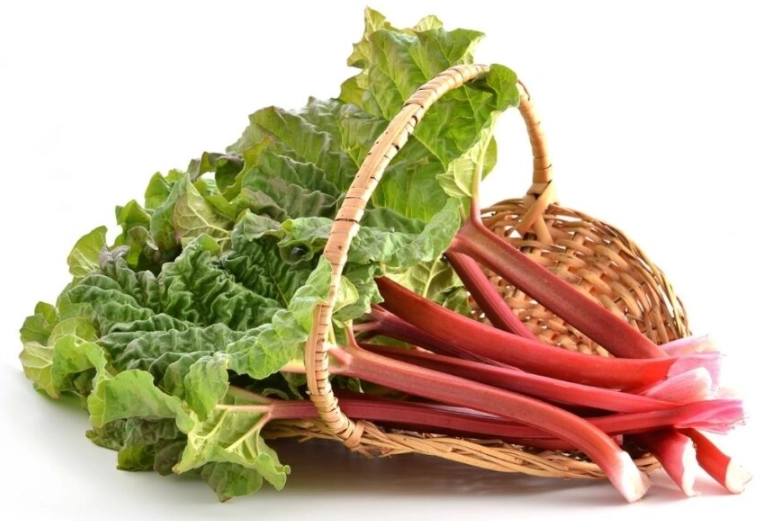
Critical Safety Note: This bears repeating every single time. Rhubarb leaves are poisonous. They contain high levels of oxalic acid. Never, ever eat them. Cut them off as soon as you harvest the stalk and compost them safely. I trim mine right in the garden and drop them in the compost bin immediately, so there's zero chance of them ending up in the kitchen.
One more pro tip: the best time of day to harvest is in the cool of the morning. The stalks are fullest of water then. And always harvest by gripping the stalk at the base, giving it a firm twist and pull sideways. It should separate cleanly from the crown. Cutting can leave a stump that's prone to rot. If you must cut, use a sharp knife and cut as close to the crown as possible.
Forced Rhubarb vs. Field-Grown: A Season Inside a Season
Ever seen those ethereal, pale pink stalks in fancy grocery stores in mid-winter? That's forced rhubarb. It's a fascinating process where mature rhubarb crowns are lifted in late autumn, subjected to cold to simulate winter, then brought into warm, dark sheds. Deprived of light, they shoot up stalks using stored energy, resulting in tender, less acidic, and vividly colored stalks.
Its season is artificially created, running from late January to March in places like Yorkshire, England (home to the famous Yorkshire Rhubarb Triangle). It's a different product—more delicately flavored and often more expensive. It answers the question "when is rhubarb in season" for chefs and home cooks craving it off-cycle, but it's a distinct taste and texture experience from the robust, field-grown spring stalks.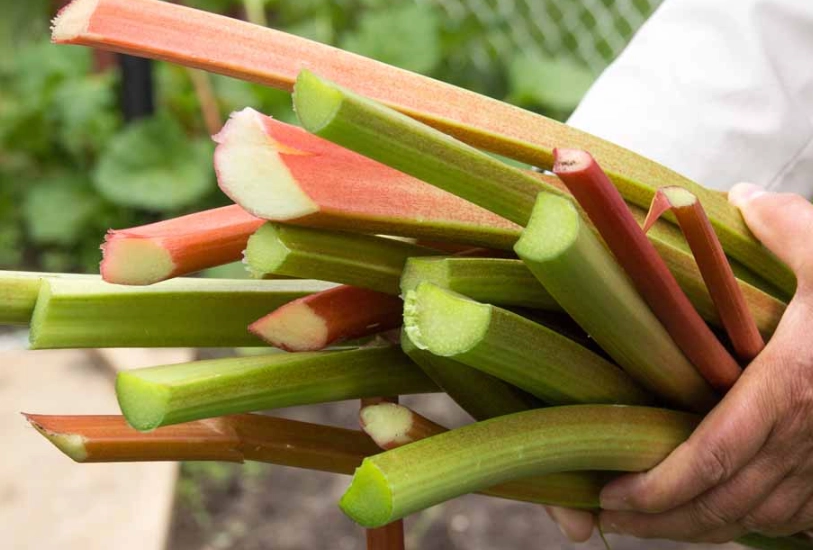
What Happens if You Harvest Too Early or Too Late?
Let's talk about the consequences of poor timing, because I've made both mistakes.
Too Early (Late Winter/Early Spring): If you harvest tiny, thin stalks before the plant has had enough warm days, you get minimal yield and intensely sour flavor. You're also weakening the plant for the future. It needs those early leaves to feed the crown. I did this once in year two of my plant, and it set the whole thing back. The plant looked sad for the rest of the year.
Too Late (Mid to Late Summer): This is the more common error. As summer heat sets in, rhubarb stalks become progressively more fibrous and woody. The oxalic acid content also increases, leading to that overwhelming, unpleasant sourness and astringency. The stalks can become hollow and pithy. By July, my garden rhubarb is usually done. I might take a stalk or two for a specific need, but I stop the main harvest. The plant needs to rebuild its energy stores for next year.
The bottom line? There's a sweet spot. Literally.
Your Rhubarb Season FAQs Answered (No Fluff)
I get asked these questions every year. Here's the straight talk.
Can I harvest rhubarb in the first year after planting?
Resist the temptation! It's hard, I know. But for the health of the plant, you should not harvest any stalks in the first year. In the second year, take just a few, lightly. By the third year, your plant is established and you can harvest robustly for that 8-10 week spring window. This patience pays off with a stronger plant that will produce for a decade or more.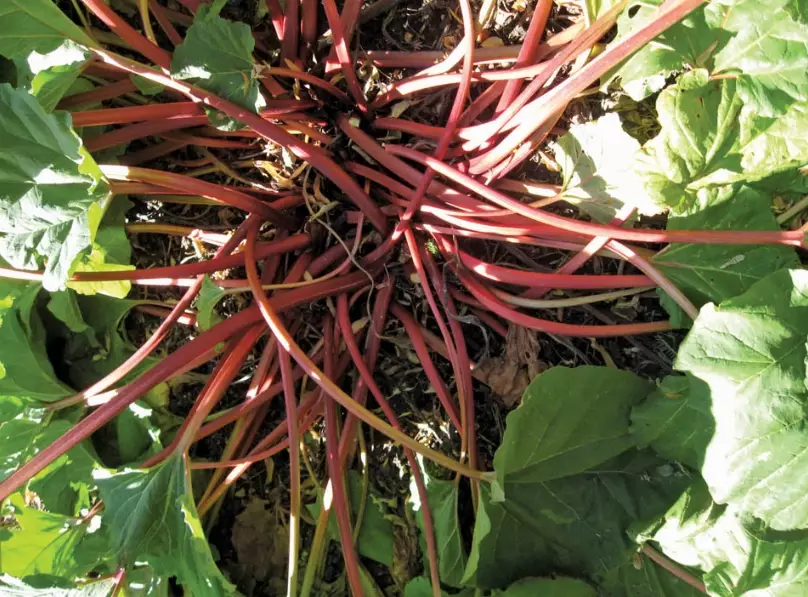
When does rhubarb season end? Is there a hard stop date?
Most gardening guides, including the very thorough resource from the University of Minnesota Extension, recommend stopping harvest by early to mid-July. This isn't about the stalks suddenly becoming poisonous (the stalks are always safe, leaves are not). It's about plant health. The plant needs its leaves in late summer to photosynthesize and send energy down to the crown for next year's crop. If you keep cutting stalks, you're stealing its solar panels. I usually make my last harvest around the 4th of July weekend—it's an easy date to remember.
Why is my rhubarb so sour, even in season?
Ah, the perennial complaint. First, rhubarb is supposed to be tart. It's not a fruit. But excessive sourness usually means one of three things: 1) You harvested too late in the season (see above), 2) You have a naturally greener, more acidic variety, or 3) The plant is stressed from lack of water or nutrients. Rhubarb is a hungry, thirsty plant. A spring feed of compost and consistent watering during dry spells makes a world of difference in stalk quality. The redder varieties also tend to be milder.
Can I extend my rhubarb season?
You can nudge it a little, but you can't fight its nature. Planting in a spot with afternoon shade can help it last a bit longer into early summer before bolting in the heat. You can also plant a mix of early and late-season varieties. But honestly, I think part of rhubarb's charm is its seasonality. It makes those spring treats special. I focus on preserving it (freezing is incredibly easy) to enjoy the flavor year-round.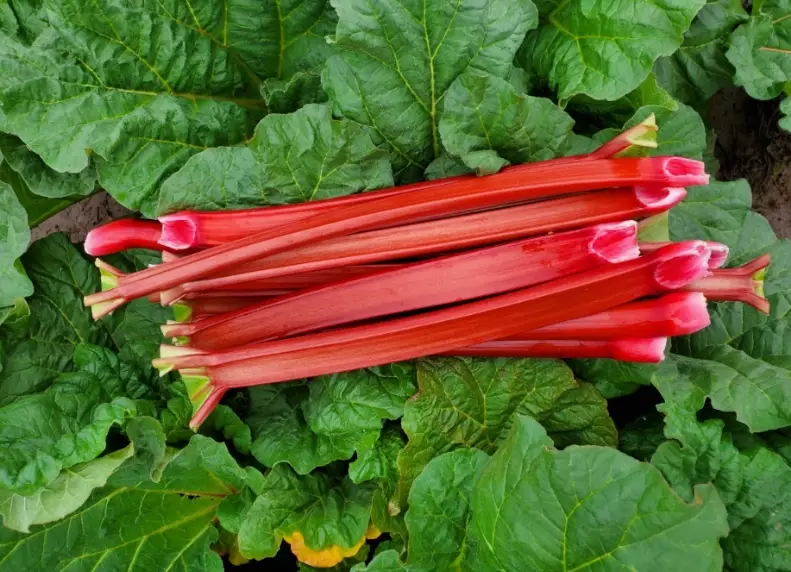
The Freezing Trick: This is my #1 preservation method. Wash and chop stalks into 1-inch pieces. Spread them on a baking sheet, freeze solid (this is called "flash freezing"), then dump them into a freezer bag. No blanching needed. They'll be perfect for pies and crisps straight from the freezer for a good year. It locks in that "in-season" flavor.
The Bigger Picture: Why Seasonality Matters with Rhubarb
Chasing the answer to "when is rhubarb in season" connects you to a slower, older food rhythm. In a world of year-round strawberries, rhubarb remains stubbornly, gloriously seasonal. It teaches you to pay attention to your local climate, to your soil, and to the plant itself.
Buying it in season from a farmers' market or harvesting it from your garden means you're getting it at its nutritional and flavorful peak. You're also supporting a more local food system. And let's be practical—it's also when it's cheapest. Those off-season imported stalks? They cost a fortune and often taste like disappointment.
So, mark your calendar loosely. Watch for that first flush of stalks in your garden or at the market. Harvest with a twist, not a cut. And most importantly, enjoy that first tart, sweet bite of a spring pie, knowing you got the timing just right. Because now you know exactly when rhubarb is in season.
Got a rhubarb story or a timing tip that worked for you? I'd love to hear it. My own journey with this plant has been full of trial and error, but that's what makes gardening—and cooking—so rewarding.
Reader Comments