You're walking through an oak forest in late September, the air crisp. Then you see it—a massive, layered, grayish-brown cluster at the base of a tree, looking like the ruffled feathers of a nesting bird. That's Grifola frondosa, the hen of the woods mushroom. Foragers prize it, chefs revere it, and once you've tasted its rich, earthy, slightly peppery flavor, you'll understand why. This isn't just another mushroom; it's a culinary event waiting to happen.
But here's the thing most guides gloss over: finding it is only half the battle. I've seen too many people bring home a beautiful hen, only to turn it into a waterlogged, mushy mess because they cleaned it like a supermarket button mushroom. Or they cook it for 30 seconds and wonder why it's tough. After over a decade of hunting and cooking these fungi, I've made those mistakes so you don't have to.
What's Inside This Guide
What Exactly Is a Hen of the Woods Mushroom?
Let's clear up the names first. Hen of the woods, maitake (Japanese for "dancing mushroom"), and Grifola frondosa all refer to the same fungus. It's a polypore, meaning it has pores on its underside instead of gills. It grows in a large, clustered rosette at the base of trees, primarily hardwoods like oaks. A single cluster can weigh over 20 pounds, though 2-5 pounds is more common for a good find.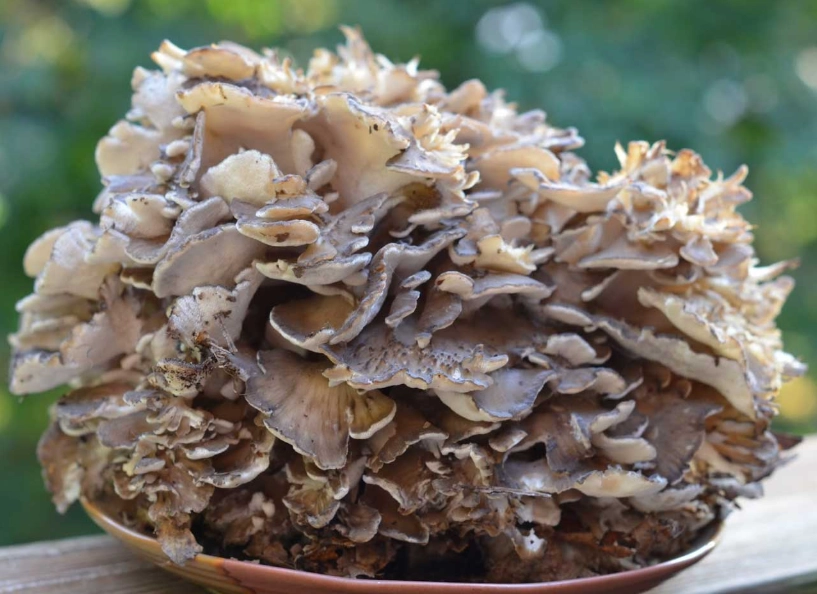
The flavor is complex—woodsy, earthy, with a hint of pepper and a meaty, almost chicken-like texture when cooked right. It's this substantial quality that makes it a star in vegetarian cooking.
Pro Tip Most Miss: The color can vary from silver-gray to dark brown. The key identifier isn't the shade, but the structure: multiple, overlapping, spoon-shaped caps with a white pore surface underneath, all stemming from a single, tough, branching base. If it has gills, it's not a hen.
The Forager's Field Guide: Finding Your Hen
Foraging maitake is a seasonal treasure hunt. They are primarily fall mushrooms, appearing from late August through November, depending on your region and weather. A good rainy period followed by cooler nights is the perfect trigger.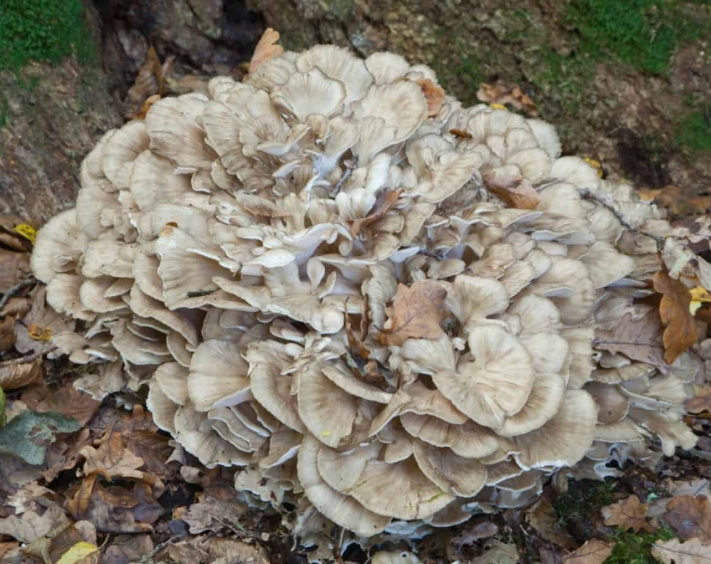
Where to Look (And Where Not To Waste Your Time)
Focus on mature oak forests. I've had my best luck with old, seemingly dying oak trees. Maples and other hardwoods can host them too, but oaks are the prime real estate. Check the same spots year after year; hens are perennial and often return to the same tree base.
Public lands with oak stands are worth scouting, but always check local foraging regulations. State parks often prohibit it. Your best bet is often private land with permission (offer the landowner a share of your haul—it works wonders).
Positive Identification is Non-Negotiable
Never eat a wild mushroom you cannot identify with 100% certainty. The hen has a few look-alikes, like the black-staining polypore (Meripilus sumstinei), which is edible but inferior. The key difference? The black-stainer bruises black immediately when handled. A young hen of the woods might be confused with a cauliflower mushroom (Sparassis), but Sparassis looks like a tangled brain or noodle cluster, not layered caps.
When in doubt, consult a local mycological society. Groups like the North American Mycological Association have resources and local clubs full of experts.
| Feature | Hen of the Woods (Maitake) | Black-Staining Polypore | Cauliflower Mushroom |
|---|---|---|---|
| Overall Shape | Rosette of layered, spoon-shaped caps | Rosette of fan-shaped caps | Dense, brain-like or coral-like mass |
| Underside | White pores | White pores | White, smooth to wrinkled surface |
| Key Test | No dramatic color change when bruised | Bruises black rapidly when pressed | Fragile, brittle branches |
| Edibility | Choice edible | Edible but can cause stomach upset | Choice edible |
From Forest to Kitchen: Cleaning & Prep
This is where the magic is saved or ruined. Hens grow low to the ground and love to collect dirt, leaf litter, and the occasional bug in their many layers.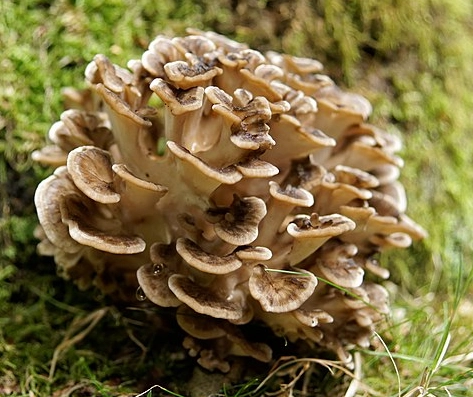
The Big Mistake: Soaking them in water. You'll end up with a sponge full of muddy water. Just don't do it.
Here's the right way, learned from years of gritty frustration:
- Break, Don't Slice: At the base, break the cluster apart into smaller, individual fronds or "leaves." This exposes the crevices where dirt hides.
- Dry Brush First: Use a soft-bristled brush (a dedicated mushroom brush or a clean paintbrush) to knock off loose debris.
- The Quick Rinse: Hold the fronds under cold, running water, using your fingers to gently rub any stubborn dirt out of the pores. Be quick—in and out in 10-15 seconds max.
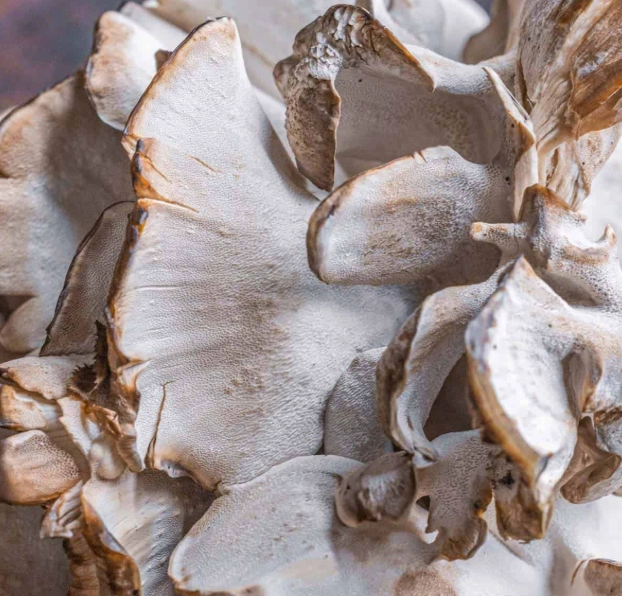
- Dry Immediately: This is critical. Spread the pieces on a clean kitchen towel or paper towels and pat them completely dry. Moisture is the enemy of good sautéing.
- Trim the Base: The central core where all the stems meet is very tough. Cut it away and compost it. You only want the tender caps and upper stems.
Cooking Maitake: Recipes That Actually Work
Maitake's robust texture holds up to various cooking methods. The goal is to develop a golden-brown crust while keeping the inside tender.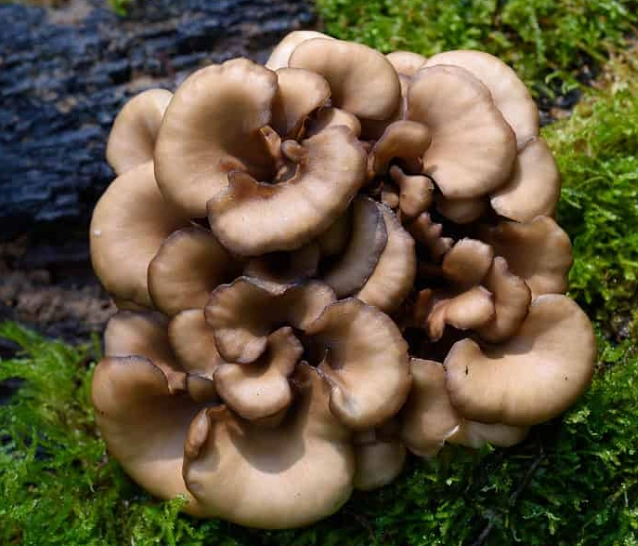
1. The Perfect Sautéed Hen (The Foundation)
This is your go-to method. Heat a large skillet (not non-stick if you can help it—you want fond) over medium-high heat. Add enough oil or butter to coat the bottom. When it shimmers, add your dried mushroom pieces in a single layer. Don't crowd them. Let them sit undisturbed for 3-4 minutes until deeply golden brown on one side. Flip, cook another 2-3 minutes. Season with salt and pepper. That's it. This creates umami bombs perfect for pasta, risotto, or topping a steak.
2. Simple Roasted Maitake with Garlic & Thyme
Heat your oven to 425°F (220°C). Toss large fronds with olive oil, salt, pepper, a few smashed garlic cloves, and fresh thyme sprigs. Roast on a sheet pan for 15-20 minutes, flipping once, until crispy-edged and tender. It's like mushroom bacon. Incredible as a side.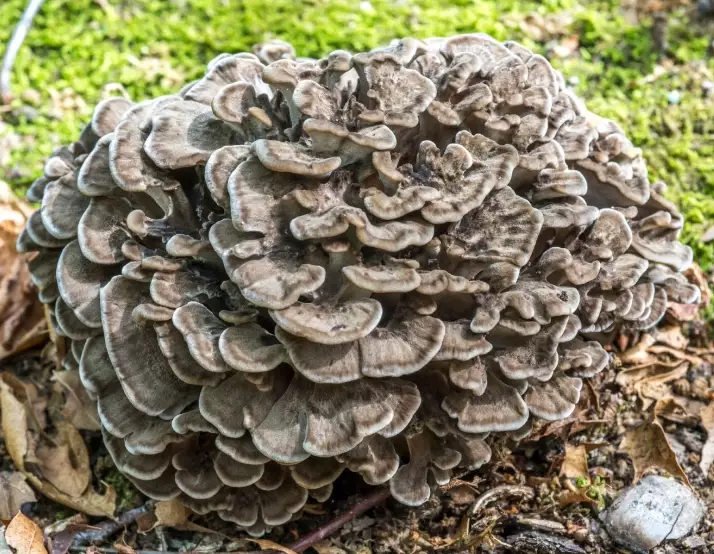
3. Hearty Maitake and Potato Hash
A weekend brunch champion. Dice a cooked potato (leftover roasted works great). In a skillet, sauté a diced onion until soft. Add diced maitake and cook until browned. Add the potato, press down to form a cake, and cook until crispy. Make wells, crack in a couple of eggs, cover until eggs are set. Serve hot.
Beyond Taste: Nutrition & Health Perks
Maitake isn't just delicious. It's packed with beta-glucans, a type of soluble fiber studied for its potential immune-modulating properties. Research, like that cited by the Memorial Sloan Kettering Cancer Center in their About Herbs database, notes maitake's historical use and ongoing scientific interest for immune support. It's also a good source of B vitamins, potassium, and antioxidants.
I view it as a tasty part of a healthy diet, not a miracle cure. But it feels good to know your foraged feast is doing you some good.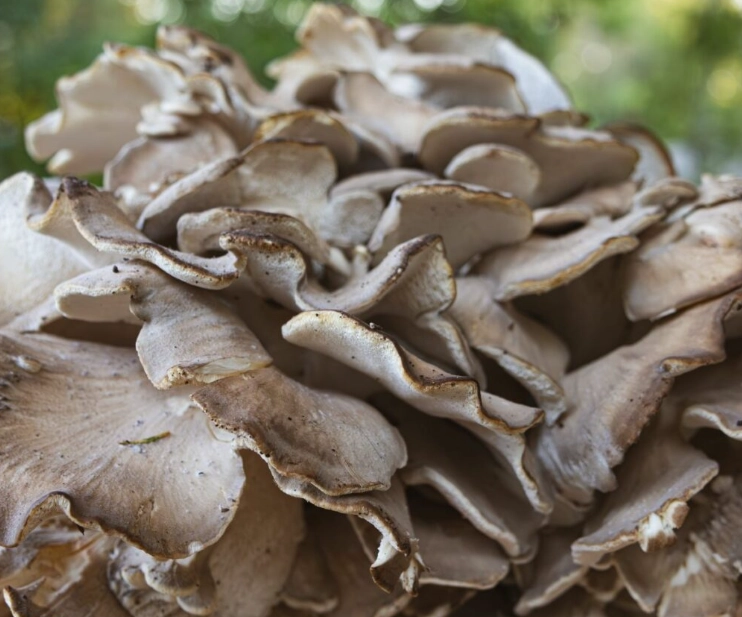
Your Hen of the Woods Questions, Answered
Finding and cooking your own hen of the woods is one of the great joys of autumn. It connects you to the forest cycle and delivers a flavor you simply can't buy. Grab your basket, head to the oaks, and get ready for a feast. Just remember the brush, not the bath, for cleaning.
Reader Comments