That first fat, sun-warmed blackberry that bursts in your mouth—it tastes like late summer. Blackberry season is a short, glorious window where thorny thickets transform into treasure troves. But it's also a battle against scratches, stains, and birds who got there first. I've spent over a decade navigating brambles from the Pacific Northwest to the Appalachian trails, and I can tell you, there's an art to it. This isn't just about finding berries; it's about finding the best berries and turning them into something memorable without losing a pint of blood.
Your Blackberry Season Roadmap
When & Where Blackberry Season Hits Its Peak
Asking "when is blackberry season?" is like asking when it rains—it depends entirely on where you're standing. The general rule is mid-summer through early fall, but microclimates are everything.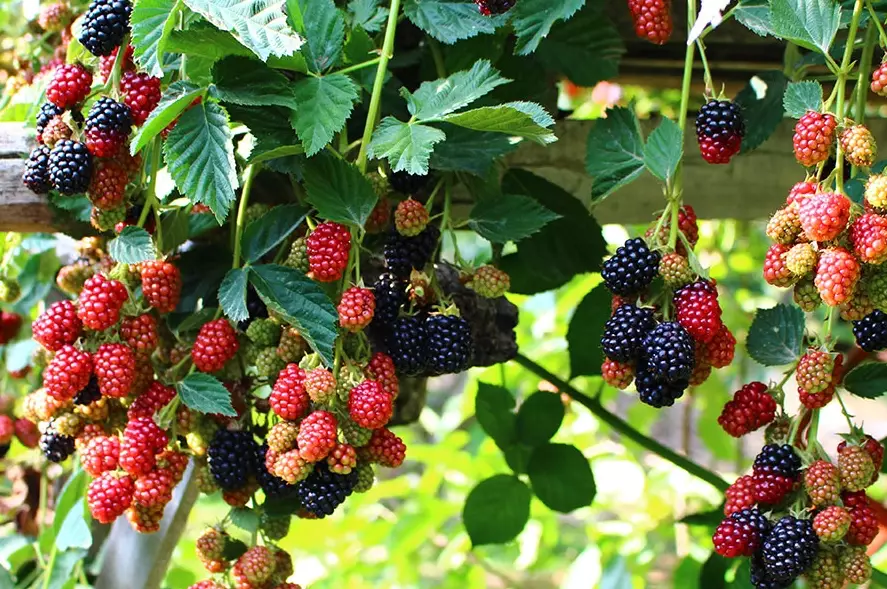
In the Pacific Northwest (think Oregon, Washington), prime time is late July through August. The Himalayan blackberry, an invasive but prolific forager's friend, blankets roadsides. Down in California, you might start as early as June in warmer zones. Head to the Midwest or Northeast, and you're looking at August into September. I once found a secret patch in upstate New York still yielding gems in early October after a mild fall.
Pro Tip: Elevation matters. Berries ripen later at higher altitudes. If the lowland patches are picked over, try a hike up a few hundred feet.
Where to look? Abandoned farmland, sunny forest edges, and along riverbanks are classic spots. But don't overlook power line cuts or the edges of rural roads—just stay well back from traffic and avoid areas that may have been sprayed. Always check local regulations; foraging is often permitted in National Forests (for personal use), but rules vary. The National Park Service generally prohibits foraging in national parks. Your best bet is state or county land with clear foraging guidelines.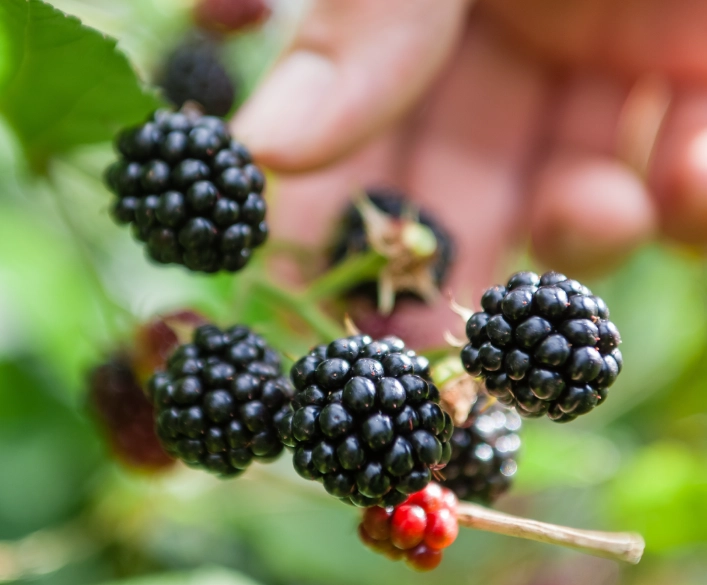
How to Spot the Perfect Berry (And Avoid the Duds)
This is where most beginners fail. They see a black berry and pick it. Color is just the first clue.
A ripe blackberry is a dull, deep black, not shiny. The shine means it's still developing. Each tiny drupelet (the little bump that makes up the berry) should be plump and full. Give it a gentle tug. If it doesn't release immediately, leave it. A ripe berry practically falls into your hand. If you have to pull, it's sending you a message: come back tomorrow.
Avoid berries that are red or purple. They're painfully tart. Also, skip any that look dusty white or matte—that's mold. And if the core (the torus) stays white and hard when you pick it, the berry won't sweeten up off the vine.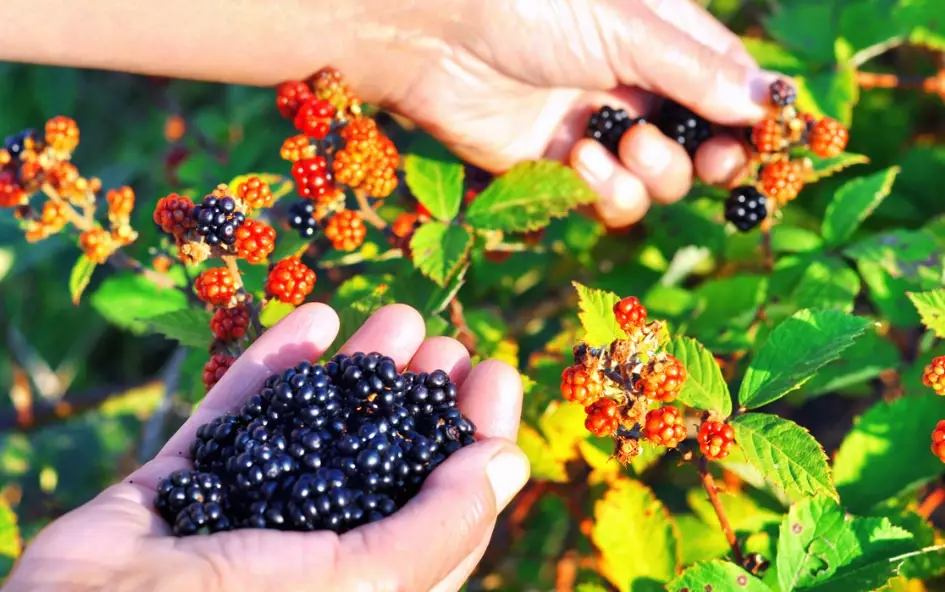
Here’s a quick visual guide to what you’re looking at on the cane:
| What You See | What It Means | Action |
|---|---|---|
| Shiny, firm, black berry | Almost ripe, but sugar content is still rising. | Mark the spot, check back in 24 hours. |
| Dull, deep black, soft to a gentle squeeze | Peak ripeness. Maximum flavor and sugar. | Pick immediately. Eat one on the spot for quality control. |
| Red or purple drupelets | Underripe. Will be sour and astringent. | Leave it. It won't ripen once picked. |
| Berry comes off, leaving a green/white core | Picked too early. Flavor won't develop. | In the future, wait for easier separation. |
Picking Safely: Gear and Thorn Avoidance 101
Blackberry canes are weaponized. They have thorns that curve backwards, designed to grab and hold. Your standard t-shirt and shorts are a recipe for regret.
Wear: A long-sleeved, tightly woven shirt (denim or canvas is ideal). Thick pants (jeans, again). Tall, thick socks you can tuck your pants into. Sturdy, closed-toe shoes or boots. Leather gloves are a hot topic—they protect your hands but make you clumsy. I use a lightweight goat-skin glove on my non-dominant hand to push canes aside, leaving my picking hand bare for delicate work.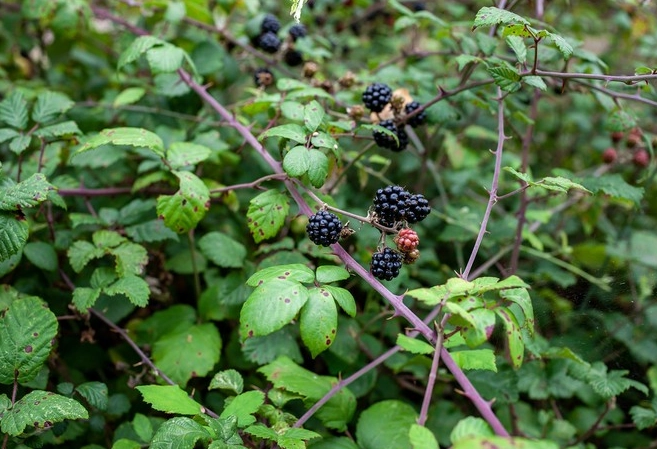
Bring: Containers matter. A wide, shallow basket or tray is better than a deep bucket. It prevents the berries at the bottom from getting crushed. I repurpose plastic clamshell containers from the store—they stack well. Bring water, bug spray, and a small first-aid kit. A walking stick is useful for testing the ground ahead and moving thorny branches.
The technique? Move slowly. Use your stick or gloved hand to lift a cane, revealing the hidden clusters underneath. The biggest, sweetest berries often hang in the shade, protected from direct sun that can sometimes cook them. Don't reach blindly into the thicket.
The One Thorn Hack Nobody Tells You
If a thorn does snag you, don't pull straight back. You'll just dig it in deeper. Push the fabric forward along the thorn's curve to disengage it. It feels counterintuitive, but it works.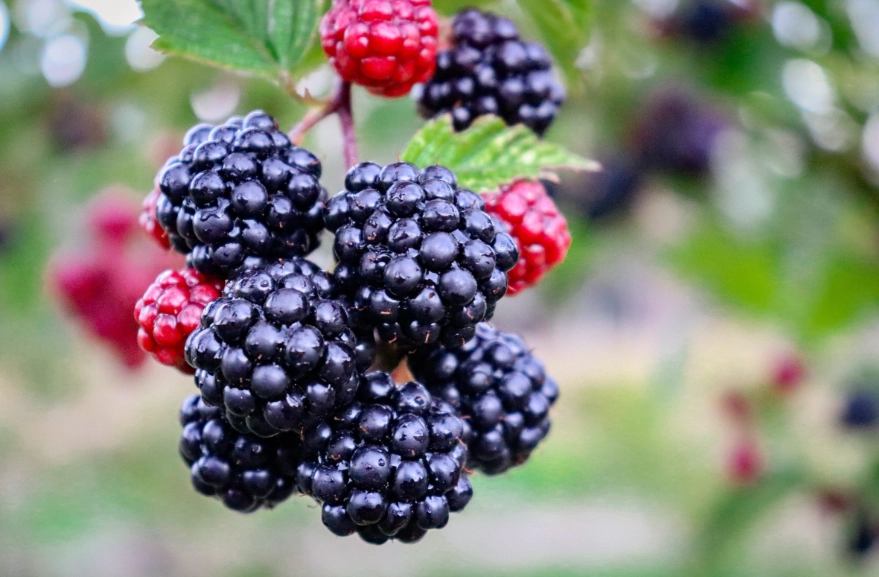
Post-Harvest Handling: Don't Ruin YourHaul
You've got your prize. Now the clock starts ticking. Blackberries are essentially tiny, fragile water balloons.
Do not wash them yet. Washing adds moisture that speeds up mold. When you get home, spread them in a single layer on a paper towel-lined sheet pan or tray. Pick out any leaves, stems, or crushed berries. Let them sit for an hour to air out any condensation. Then, if you must wash, do it just before use: a gentle swish in a bowl of cold water, lift them out, and pat dry.
For short-term storage (2-3 days), keep that single-layer tray in the fridge. For long-term, freeze. And here's the expert move: freeze them dry and unwashed. Spread them on a parchment-lined sheet pan, freeze solid (about 2 hours), then pour the frozen individual berries into a zip-top bag. This "flash freezing" method, recommended by food science resources like the USDA's food preservation guides, prevents a giant, unusable berry brick. You can scoop out a cup for smoothies anytime.
Recipes That Go Way Beyond Pie
Sure, pie is great. But let's talk about other ways to use a windfall. These recipes scale easily and capture that blackberry season magic.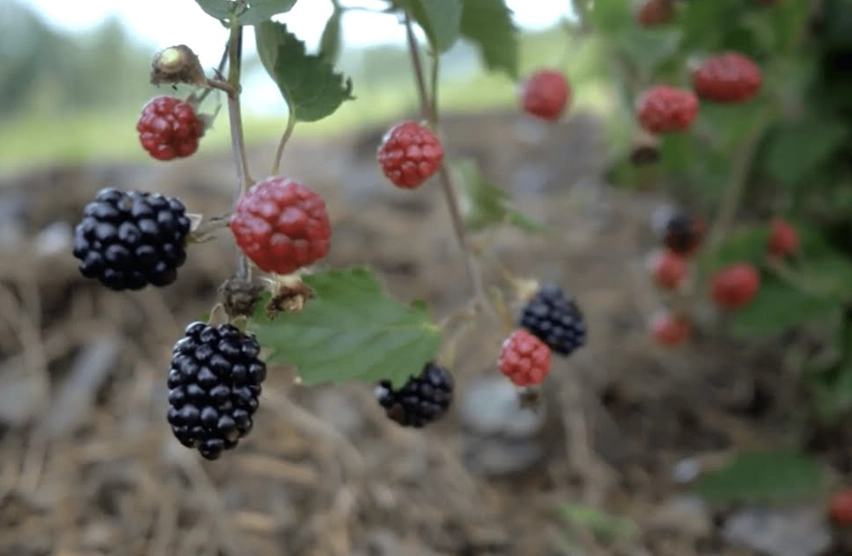
1. The Lazy Person's Perfect Blackberry Crisp
This is my desert-island recipe. It's forgiving, requires no pie crust skills, and highlights the berry's flavor.
Filling: Toss 4 cups blackberries with 1/3 cup sugar (adjust based on berry tartness), 2 tbsp cornstarch, and a big pinch of salt. Dump into a buttered 8x8 dish.
Topping: Mix 1 cup rolled oats, 1/2 cup flour, 1/2 cup brown sugar, 1/2 tsp cinnamon, 1/4 tsp salt. Cut in 1/2 cup (1 stick) cold, cubed butter until crumbly. Sprinkle over berries.
Bake at 375°F (190°C) for 35-45 minutes, until bubbly and golden. Serve with vanilla ice cream. The cornstarch is key—it sets the juices without making them gummy.
2. Blackberry-Lime Shrub (Drinking Vinegar)
This is a brilliant, old-fashioned way to preserve flavor. A shrub is a sweetened vinegar syrup you mix with soda water or cocktails.
Mash 2 cups blackberries with 1 cup sugar in a bowl. Cover and let sit overnight at room temp. The next day, strain the syrup into a clean jar, pressing on the solids. Add 1 cup of good-quality apple cider vinegar or white wine vinegar and the zest + juice of one lime. Shake well. It keeps in the fridge for months. Pour an ounce or two over ice, top with sparkling water. It's tangy, sweet, and incredibly refreshing.
3. Savory Blackberry-Balsamic Glaze
Blackberries aren't just for dessert. This glaze is incredible on grilled chicken, pork chops, or even roasted vegetables.
Simmer 2 cups blackberries, 1/2 cup balsamic vinegar, 1/4 cup honey or maple syrup, and a sprig of rosemary in a saucepan. Cook until berries break down, about 10 minutes. Strain through a fine-mesh sieve into a clean pan, pressing to extract all the juice. Simmer the strained liquid for another 5-10 minutes until it thickens to a syrup that coats the back of a spoon. Discard the solids. Let cool. It will thicken more as it cools.
Your Blackberry Season Questions, Answered
The heart of blackberry season isn't just in the picking or the eating. It's in that quiet, focused search, the purple-stained fingers, and the satisfaction of turning a free, wild harvest into something delicious. It connects you to the rhythm of the land in a way buying a plastic clamshell never could. Get out there, be safe, and enjoy every sweet, fleeting moment of it.
Reader Comments