You're standing in the grocery store, recipe in hand, staring at the apple display. The recipe just says "apples." You see the familiar, cheerful red and yellow stripes of a gala apple. It's affordable, it's sweet, it's always available. But a voice in your head whispers, "Are these actually good for baking?" I've been there. After years of testing, burning, and perfecting apple desserts, I'm here to give you the real, unvarnished scoop on baking with gala apples.
Let's cut to the chase: Gala apples can make fantastic baked goods, but they're not a one-size-fits-all solution. Using them well requires understanding their personality. Think of them as the friendly, sweet neighbor who's great for a chat but might need a little support moving a heavy sofa. They bring incredible flavor but need the right recipe and technique to shine.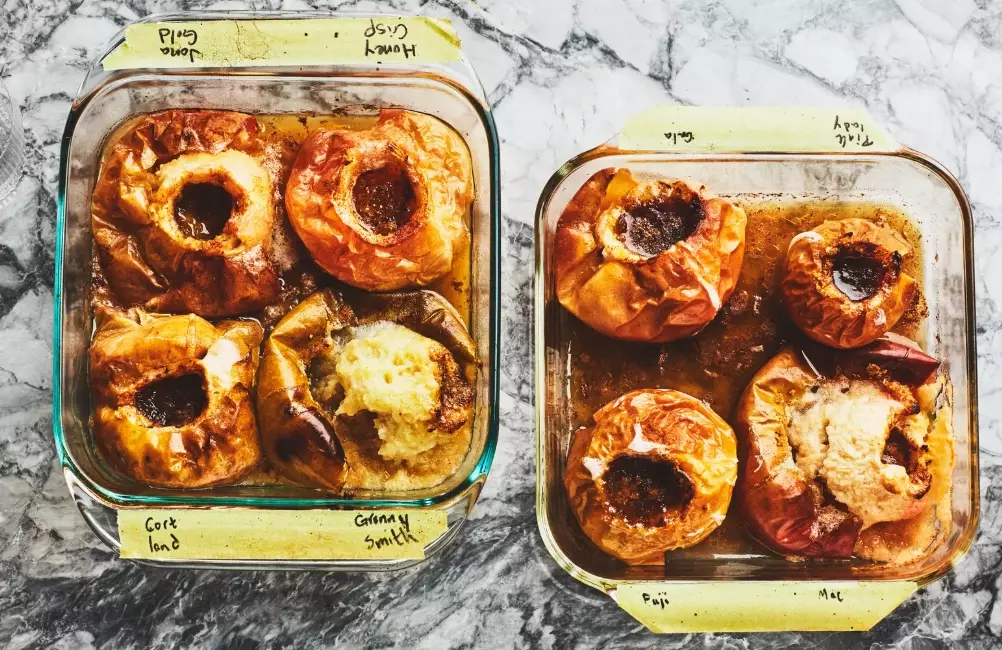
What's Inside: Your Quick Guide
The Gala Apple Profile: Sweetness, Texture, and How It Behats in Heat
First, know your ingredient. According to data from the USDA, gala apples are consistently among the highest in natural sugar content compared to common varieties. That's their superpower—and their potential weakness.
- Flavor: Pronounced honeyed sweetness, very low acidity, with subtle floral notes. You rarely need to add much extra sugar.
- Texture (Raw): Crisp and juicy.
- Texture (Baked): They soften considerably. They won't disappear into mush like a McIntosh, but they won't hold a perfect cube like a Granny Smith. Expect a tender, almost melt-in-your-mouth quality.
- Skin: Thin and tender, which is nice for eating fresh but can become a bit leathery in baked goods if not peeled.
Here’s how they stack up against the usual baking suspects. This isn't about good vs. bad, but about choosing the right tool for the job.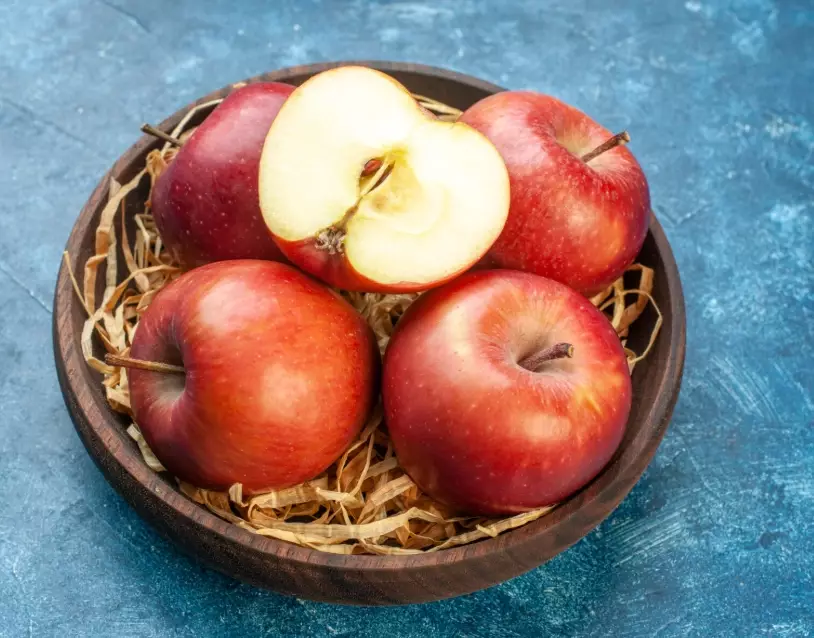
| Apple Variety | Best Quality for Baking | Texture When Baked | Flavor Profile | My Go-Use For |
|---|---|---|---|---|
| Gala | Intense Sweetness | Soft, tender | Very sweet, floral | Crisps, sauces, muffins |
| Granny Smith | Structural Integrity | Firm, holds shape | Very tart, sharp | Classic apple pie (structure) |
| Honeycrisp | Juiciness & Balance | Holds shape well | Sweet-tart, complex | All-purpose (but pricey) |
| Braeburn | Flavor Complexity | Firm, softens nicely | Spicy, sweet-tart | Pies, tarts |
See the pattern? Gala lives on the far end of the sweetness spectrum. If your recipe already has a cup of brown sugar in the filling, using all gala apples might send you into a sugar coma.
The Best (and Worst) Recipes for Gala Apples
Not all baked desserts are created equal. Based on how gala apples break down and sweeten, here’s where they excel and where you might want to think twice.
Where Gala Apples Shine
Apple Crisps and Crumbles: This is their absolute best use. The soft, sweet filling contrasts perfectly with the crunchy oat topping. The juices thicken beautifully with a bit of cornstarch. I never make a crisp without at least some gala apples in the mix.
Apple Muffins and Quick Breads: When diced small, they bake into lovely moist pockets of sweetness. Their soft texture integrates perfectly into the batter. Try them in a cinnamon-spiced apple bran muffin—heaven.
Applesauce and Apple Butter: No contest. Their high sugar content and tendency to break down make them ideal for sauces. You need minimal added sweetener, and the flavor is deeply aromatic.
Rustic Galettes: The free-form nature of a galette forgives a softer filling. The apples slump together in a delicious, jammy way that works with gala's personality.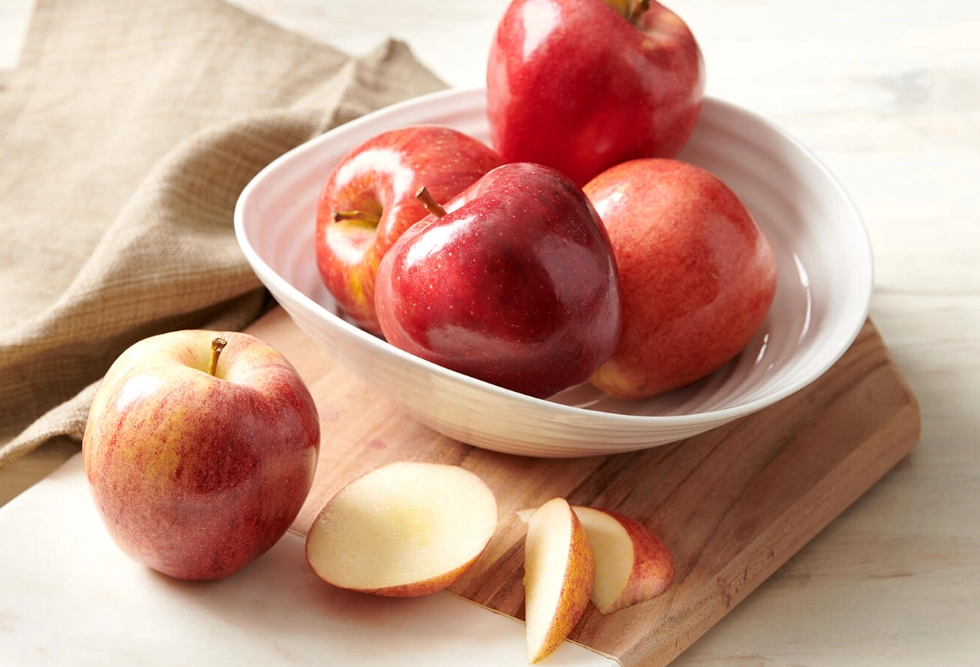
Proceed with Caution (or Adaptation)
Classic Double-Crust Apple Pie: This is the big one. Can you use gala apples for apple pie? Yes, but a pie made only with galas can lack structural definition and become overly sweet. The slices might lose their distinctness, creating a slightly homogenous filling. The fix? We'll get to that.
Apple Tarts with Neat Arrangements: If you're fanning out perfect slices on a tart, a firmer apple like Honeycrisp or Braeburn will look prettier after baking. Gala slices can wrinkle and sink more.
Pro Tips & The One Mistake Everyone Makes
Here’s the insider knowledge you won't find on the back of a pie box. The most common error I see? Overbaking. Because galas are softer, they continue to break down rapidly in the residual heat of the oven after you pull them out. If your crisp or pie is bubbling violently for the last 10 minutes, those apples are likely turning to baby food.
Pull your dessert when the topping is golden and the filling is just starting to bubble around the edges. It will set up as it cools.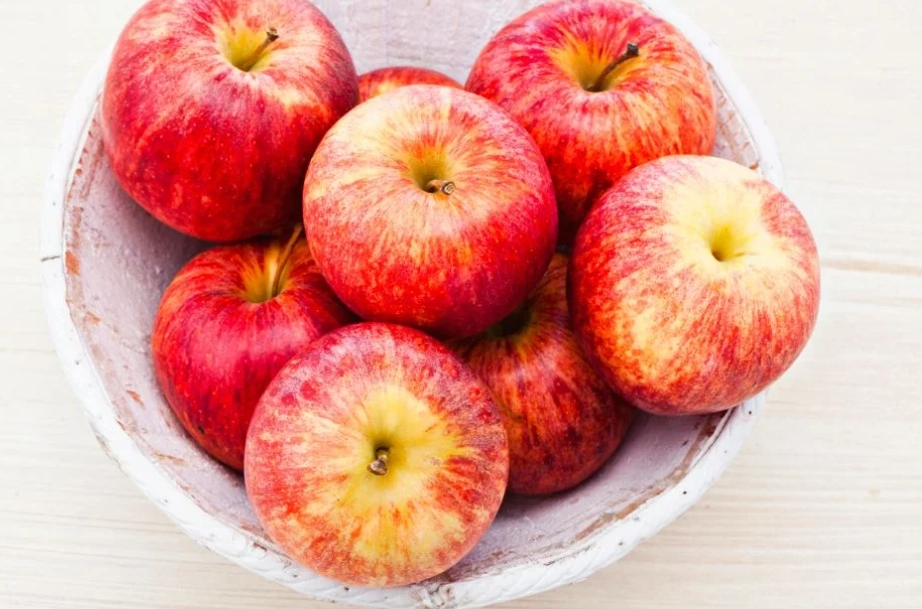
Other non-negotiable tips:
- Peel them. I know, it's a chore. But that thin skin can separate from the softening flesh and create little tough ribbons in your otherwise soft filling. It's a texture thing. For applesauce, leave them on for fiber and color.
- Slice thin and evenly. Aim for 1/4-inch slices. Thicker chunks take longer to soften, risking a soggy crust before the apples are done. Uniformity is key for even cooking.
- Cut back on sugar. Seriously, taste your sliced apples before adding the sugar called for in the recipe. Reduce the granulated sugar in the filling by at least 25% to start. You can always add a sprinkle on top later.
- Add acid for balance. A big squeeze of fresh lemon juice or a teaspoon of lemon zest over your sliced apples works wonders. It brightens the intense sweetness and prevents the flavor from tasting flat.
The Secret Weapon: Why Mixing Apples is a Game-Changer
This is the single best piece of advice I can give you for any apple baking. Don't use just one variety. Combine them. Think of it like building a team.
For a truly exceptional pie or crisp, use a 50/50 or 60/40 blend. Let the gala apple be your "sweetness and flavor" player. Pair it with a "structure and tartness" player like Granny Smith or Braeburn.
What you get is magic: complex flavor with layers of sweet and tart, and a filling that has both tender, juicy pockets (from the gala) and distinct, slightly firmer slices (from the tart apple) that hold the pie together when you cut a slice. It solves the mushiness problem and the one-note sweetness problem in one go.
My favorite blend for a classic pie? 60% Granny Smith, 40% Gala. You get that iconic pie tang with an underlying honeyed richness that makes people ask, "What's your secret ingredient?"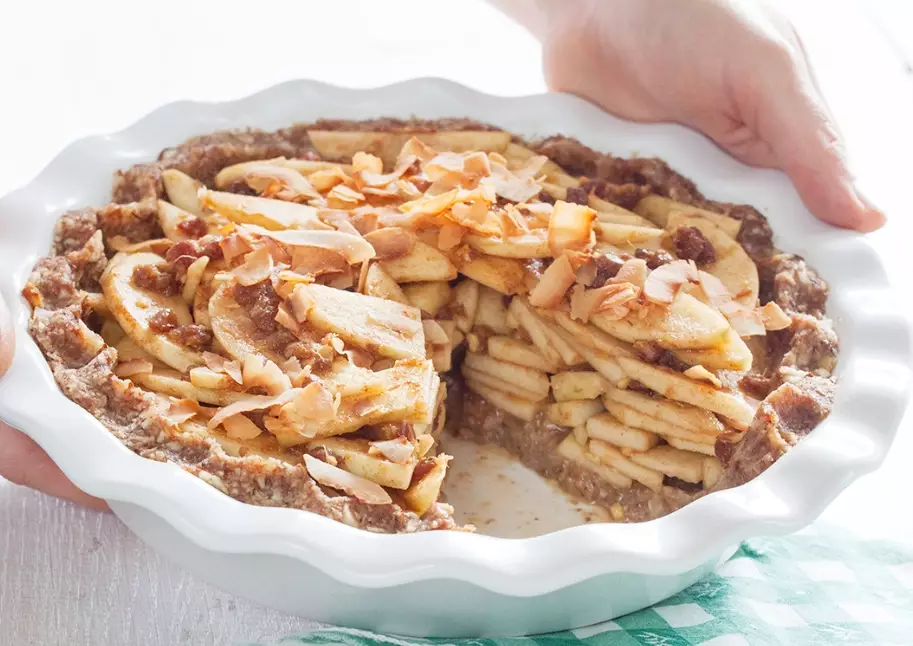
Your Burning Questions, Answered
So, the next time you see those pretty striped galas, grab them with confidence. Just know what you're getting into. Embrace their sweetness, respect their softness, and consider giving them a tart friend to play with. Your crisps, muffins, and sauces will be all the better for it. And your pies? They might just become legendary.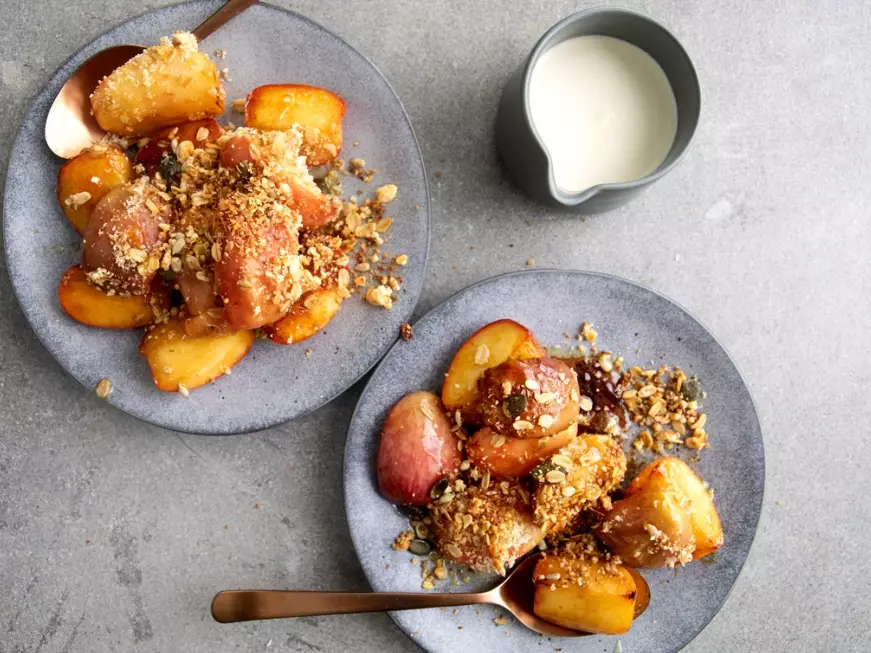
Happy baking.
Reader Comments