What You'll Discover in This Guide
If you're thinking about growing butternut squash, you're not just planting a vegetable—you're nurturing a vine that can take over your garden in the best way possible. I remember my first attempt: I tossed some seeds in the ground, watered them, and hoped for the best. The vines grew like crazy, but the squash were tiny and tasteless. That's when I realized there's more to it. This guide will walk you through everything, from that first seed to a harvest perfect for cozy fall recipes like soups and roasts. Let's get started.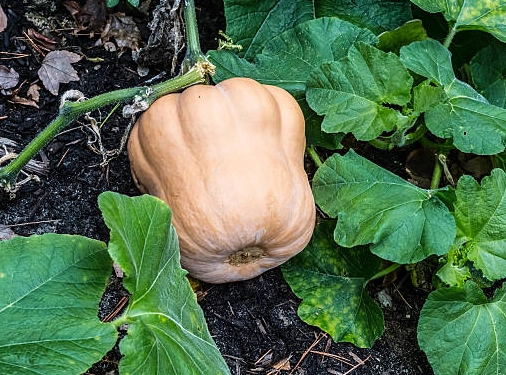
What Exactly is a Butternut Squash Vine?
A butternut squash vine is the sprawling, leafy plant that produces those sweet, bell-shaped squashes. It's a warm-season annual that loves to spread—I've seen vines reach 15 feet in a good year. Unlike bush varieties, these vines need space to roam. They're part of the Cucurbitaceae family, which includes cucumbers and melons, so they share similar growing habits.
Why grow it? Well, besides the obvious delicious squash, the vines add a lush, green cover to your garden. They're great for suppressing weeds. But here's a tip many beginners miss: the vine's health directly impacts flavor. A stressed vine yields bland squash. I learned this the hard way when I neglected watering during a dry spell.
The Anatomy of a Healthy Vine
Look for dark green leaves, sturdy stems, and plenty of flowers. Male flowers appear first on long stems, females on shorter stems with a tiny squash at the base. If you don't see female flowers, don't panic—it might just need more time or better pollination. I once had a vine that only produced males for weeks; turns out, it was too nitrogen-rich from over-fertilizing.
How to Plant Butternut Squash Vines for Success
Planting is where most mistakes happen. Get this right, and you're halfway to a great harvest.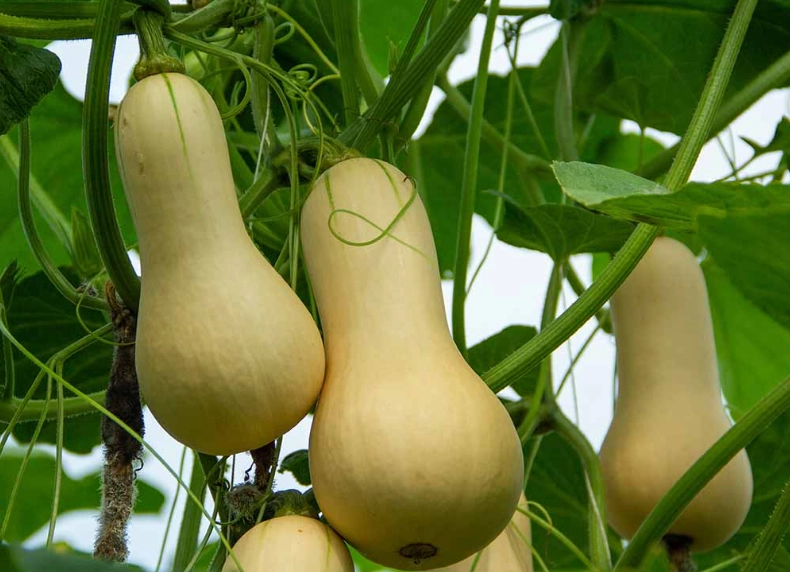
Choosing the Right Location
Butternut squash vines crave sun—at least 6-8 hours daily. But here's my non-consensus take: in scorching climates, a bit of afternoon shade can prevent leaf scorch. I've grown vines in partial shade in Arizona, and they still produced well, just a bit slower. Space is key: each vine needs about 4-6 square feet to spread. If you're tight on space, train them vertically on a trellis; it saves room and improves air circulation.
Soil Preparation Secrets
The soil should be rich, well-draining, and slightly acidic to neutral (pH 6.0-7.0). I mix in plenty of compost—about 3 inches worked into the topsoil. Avoid fresh manure; it can burn roots. A week before planting, I do a soil test. If it's clay-heavy, add sand or perlite. Sandy soil? More organic matter. According to the University of California's Agriculture and Natural Resources program, well-prepared soil reduces disease risk significantly.
Plant seeds 1 inch deep, 2-3 feet apart. If starting indoors, do it 3-4 weeks before the last frost. I direct-sow outdoors when soil temps hit 70°F. Water gently after planting.
Essential Care and Maintenance for Your Vine
Once planted, the real work begins. But it's not hard if you know what to focus on.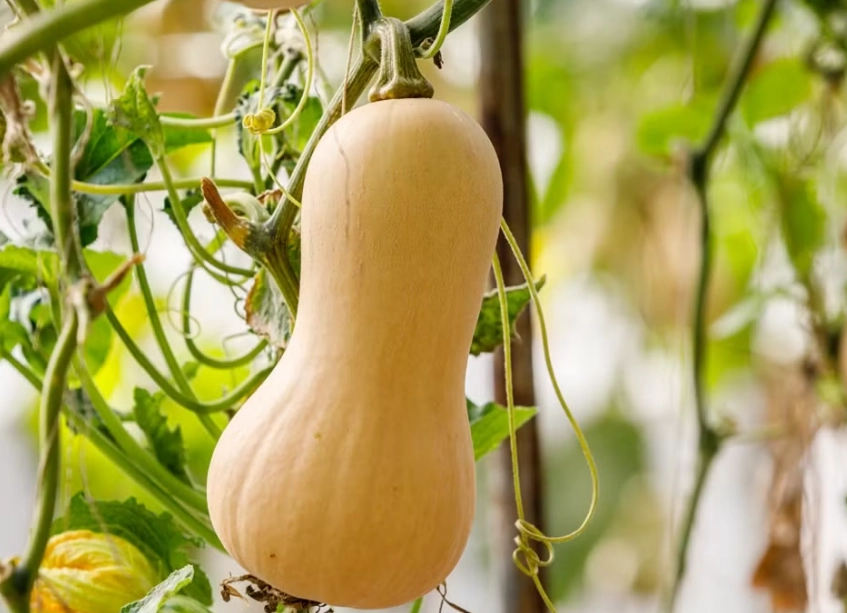
Watering: The Balancing Act
Water deeply once a week, giving about 1 inch of water. Use a soaker hose to keep leaves dry and prevent mildew. During fruit set, increase to twice a week if it's dry. I check soil moisture by sticking my finger in—if it's dry an inch down, water. Overwatering is a common killer; it leads to root rot. I lost a whole patch one year because I watered too often during a rainy spell.
Feeding Your Vine
Butternut squash vines are heavy feeders. At planting, I use a balanced fertilizer (10-10-10). Once vines start running, switch to a low-nitrogen, high-potassium feed to encourage fruiting. Here's a simple schedule I follow:
| Growth Stage | Fertilizer Type | Frequency |
|---|---|---|
| Planting | Balanced (10-10-10) | Once at planting |
| Vine Growth (3-4 weeks) | Compost tea or fish emulsion | Every 2 weeks |
| Flowering & Fruiting | Low-N, high-K (e.g., 5-10-10) | Every 3 weeks until harvest |
Side-dress with compost mid-season for a boost. Avoid over-fertilizing; it gives you lush leaves but few squash.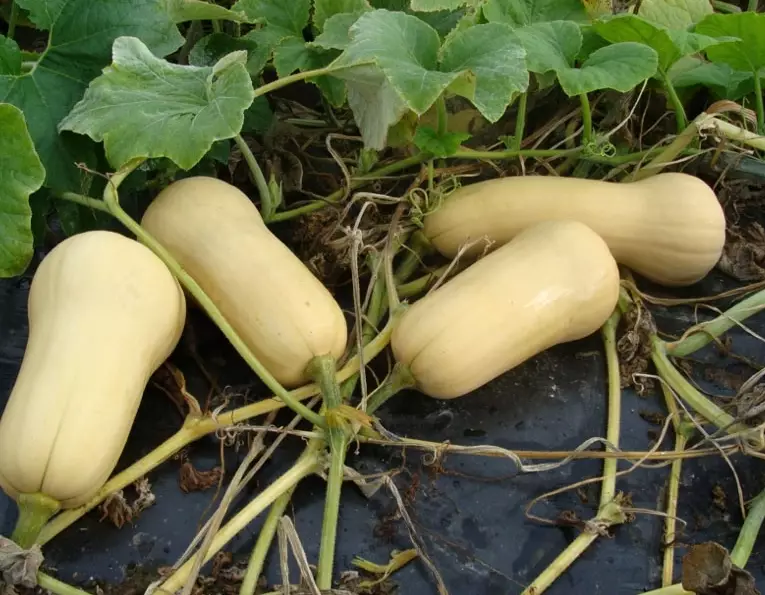
Training and Support
Let vines sprawl if you have space. For vertical growth, use a sturdy trellis. I use cattle panels arched over beds—they're strong and easy to install. Train vines gently; they can snap if forced. Pinch back tips if they get too wild, but don't over-prune; leaves are solar panels for the squash.
Tackling Common Problems with Butternut Squash Vines
Every gardener faces issues. Here's how to handle the big ones.
Pest Control: The Organic Way
Squash vine borers are the worst. Adults are moths that lay eggs at the base of stems. Larvae bore in and kill vines. My strategy: use row covers early season, remove them during flowering for pollination. Check stems for tiny red eggs daily and scrape them off. If borers appear, I make a careful slit along the stem, remove the larva, and mound soil over the wound. It's messy but can save the plant. Neem oil sprays help deter adults.
Powdery mildew shows as white patches on leaves. Improve air circulation and water at the base. I spray a mix of 1 teaspoon baking soda in a quart of water weekly as prevention. If it hits, remove affected leaves.
Cucumber beetles spread disease. Hand-pick them or use yellow sticky traps. Encourage beneficial insects like ladybugs by planting flowers nearby.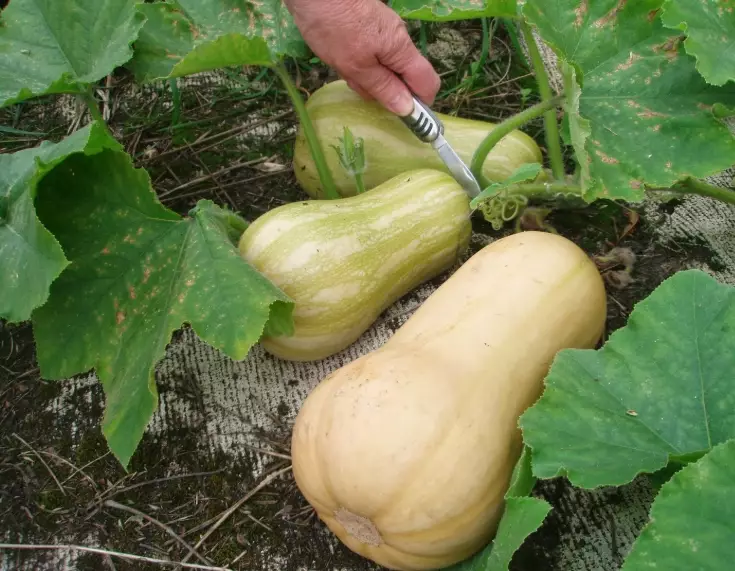
Disease Prevention
Rotate crops yearly—don't plant squash in the same spot for at least 3 years. Choose resistant varieties when possible. Keep the garden clean of debris.
Harvesting and Using Your Butternut Squash
This is the rewarding part. Harvest when the skin is hard and can't be pierced with a fingernail, usually 75-100 days after planting. The vine will start to die back, and the stem near the squash turns brown and corky. Use pruning shears to cut the squash, leaving 2-3 inches of stem attached.
After harvest, cure squash in a warm, dry place for 10-14 days to harden the skin and sweeten the flesh. Then store in a cool, dark spot—they can last for months. I've kept squash well into winter for soups and pies.
For fall recipes, butternut squash is versatile: roast it with herbs, blend into soup, or mash as a side. My favorite is a simple roasted squash with maple syrup and thyme—it brings out the natural sweetness.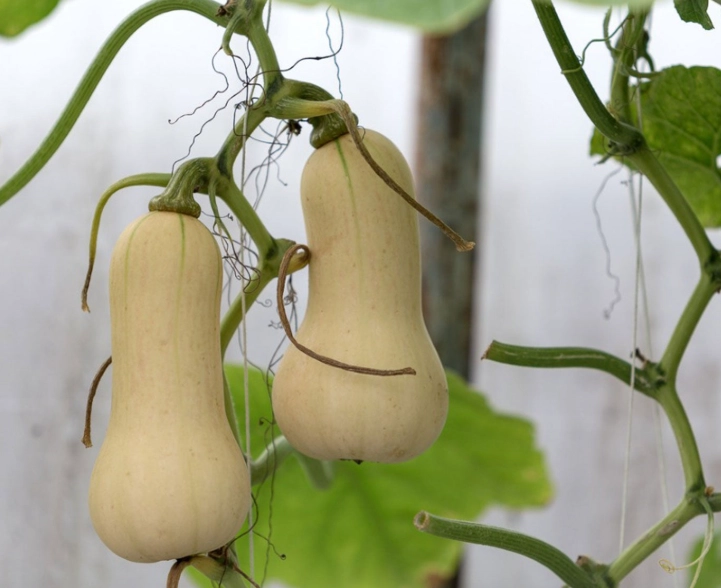
Your Questions Answered (FAQ)
Growing butternut squash vines is a journey—sometimes messy, always rewarding. With these tips, you'll avoid the pitfalls I stumbled through. Give it a try this season, and enjoy the fruits (or squashes) of your labor in your kitchen. Happy gardening!
Reader Comments