That simple question is the key to unlocking the best flavor your kitchen will see all year. Getting it right means sweet, creamy, nutty flesh perfect for roasting, soups, and pies. Getting it wrong means a bland, watery, or stringy disappointment. I’ve made that mistake—buying a squash in July that tasted like nothing. Let's make sure you don't.
The short, definitive answer: butternut squash is a late summer through winter crop. Its true peak season runs from September through December, often stretching reliably into March if stored properly. This isn't just calendar trivia; it's about sugar content, texture, and getting the most from your grocery budget.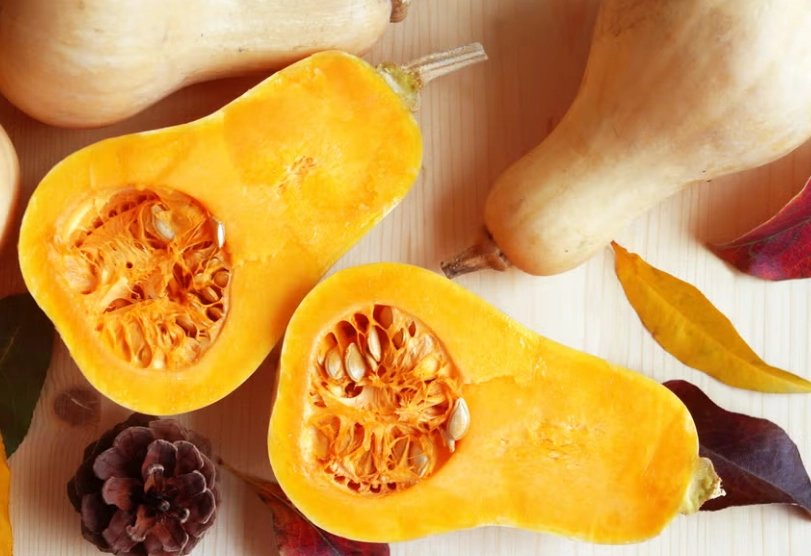
What’s in This Guide?
The Peak Harvest Timeline (It’s Not Just Fall)
Think of butternut squash season as a wave. It starts slowly, peaks, and then tapers off with the help of good storage.
A crucial nuance most blogs miss: "Harvest" and "Prime Eating" are two different dates. Squash need a "curing" period after being cut from the vine. This process hardens the skin and converts starches to sugars. A freshly harvested September squash is good, but one that's been cured for a few weeks is sublime.
| Period | What’s Happening | What You’ll Find in Stores |
|---|---|---|
| Late August – October | Main harvest in most regions. Squash are being picked and cured. | The first flood of new-season squash. Quality can be variable early on—some may not be fully cured. By mid-October, selection is excellent. |
| November – December | Absolute peak for flavor and sweetness. Curing is complete. Cool temperatures concentrate sugars. | The best of the best. This is the time to buy in bulk for storage. Prices are often lowest due to high supply. |
| January – March | "Storage season." No fresh harvesting, but well-cured squash from fall hold beautifully. | Still fantastic quality from local storage. The skin may look a little duller, but the flesh inside is still sweet and firm. This is the tail end of the true season. |
| April – July | The off-season. Domestic supply is gone. | Imports from warmer climates (like Central America) or old squash from extended commercial cold storage. Flavor, texture, and nutritional value are significantly diminished. I avoid them. |
Your location changes things. In my experience living in the Northeast, the squash from local farms in October have a denser, sweeter flesh than the ones shipped from California in September. Check with your local farmers' market for the most accurate regional start date.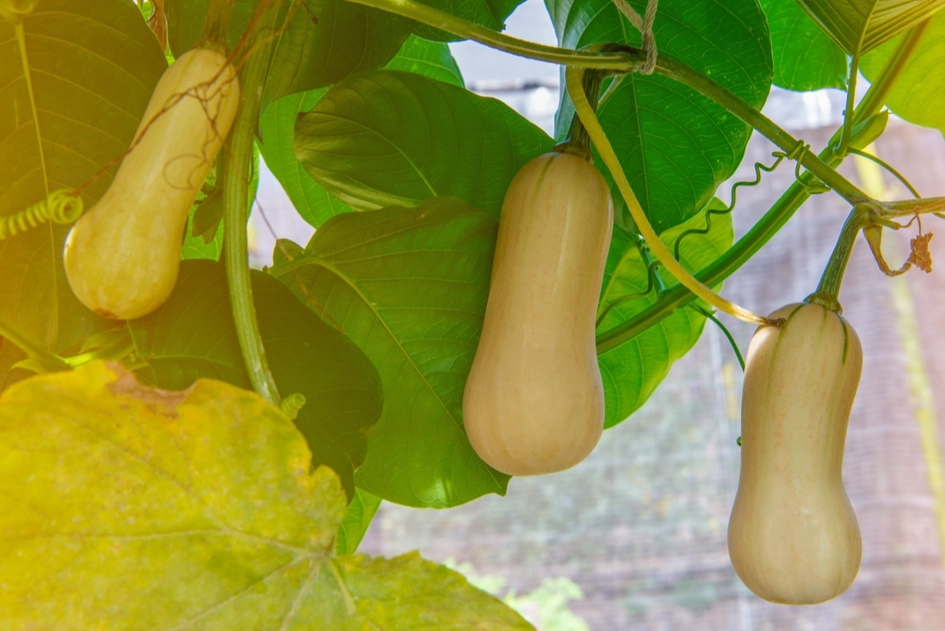
Why Season Matters More Than You Think
This isn't foodie snobbery. Buying butternut squash in season impacts your cooking in three concrete ways.
First, flavor and sweetness. A squash harvested in its prime after a frost has experienced a natural conversion of starches to sugars. An off-season import, picked early to survive shipping, is mostly starch. It’s the difference between a candy-sweet roasted carrot and a raw potato.
Second, texture. Properly matured and cured squash has a dense, smooth, creamy flesh when cooked. Immature or long-stored squash becomes stringy, watery, or granular. I once made a soup that separated because the squash leaked so much water—a sure sign it was out of season.
Third, nutrition and value. Vegetables reach their nutritional peak at maturity. According to data from the USDA, the nutrient composition of produce can decline during long storage and transport. You’re also paying a premium for those air-freighted imports in spring. In December, squash is practically a budget food.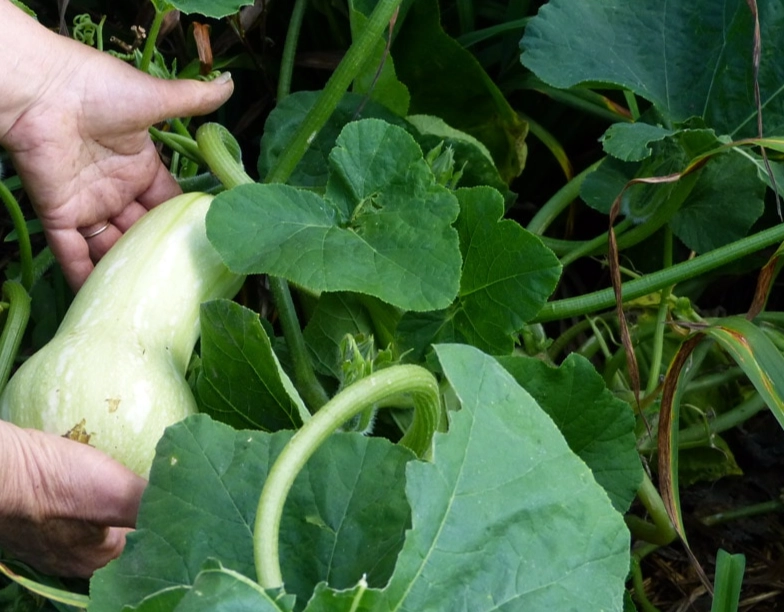
The Expert’s Guide to Selecting the Perfect Squash
Knowing the season is half the battle. Picking the right squash from the pile is the other. Forget weight alone. Here’s what I look for, in order of importance.
1. The Stem Test (The Most Important Check)
Look for a stem that’s about an inch long, dry, corky, and firmly attached. This means it was harvested when mature and the "wound" has healed properly, sealing the squash from rot.
Walk away if: the stem is missing, moist, blackened, or mushy. A missing stem is an open door for bacteria and mold. I’ve been burned by this—the squash looked fine but was rotten inside the neck.
2. Skin and Color
The skin should be a uniform, matte beige. A slight orange tinge is great. Avoid shiny skin (a sign of immaturity) or deep green patches (definitely not ripe). Minor scratches are fine; deep cuts or soft spots are not.
3. Sound and Feel
Give it a gentle tap with your knuckle. A good, ripe squash will sound solid, not hollow. The skin should be rock hard, impossible to puncture with a fingernail. The whole thing should feel heavy and dense for its size, indicating thick flesh, not a big seed cavity.
I prefer squash with a long neck and a small bulb. The neck is all solid flesh, while the bulb holds the seeds. More neck means more usable food.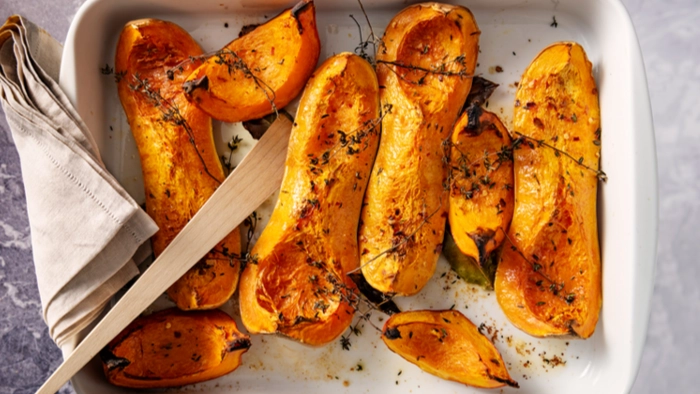
Long-Term Storage Secrets for Winter Meals
This is where you beat the season. Buy a bunch at peak in November and eat them in February. The goal is to mimic the conditions of a root cellar: cool, dark, dry, and well-ventilated.
- Ideal Spot: An unheated basement, a cool garage (above 50°F/10°C but below 60°F/15°C), or a dark pantry cupboard away from appliances.
- What Not to Do: Never store them in a plastic bag. Trapped moisture equals rot. Don’t pile them in a basket where they touch; a single rotten one can spoil its neighbors. Give them space on a shelf.
- Check Occasionally: Feel for any soft spots. Use those first.
Stored this way, a flawless squash can last 3 to 4 months easily. This turns a seasonal treat into a winter staple.
Prep & Cooking Tips for Peak-Season Squash
A great squash deserves proper treatment. Here’s how to honor it.
Peeling: Use a sturdy vegetable peeler, not a knife. The skin is tough. For easier handling, sometimes I slice the squash into thick rounds first, then peel the skin off each round.
The One Cooking Method That Never Fails: Roasting. Cut into 1-inch cubes, toss with olive oil, salt, and maybe a drizzle of maple syrup. Roast at 400°F (200°C) for 25-35 minutes until caramelized and tender. This concentrates the natural sugars like nothing else.
But don't stop there. Puree roasted squash for soup—it will be velvety, not watery. Mash it with butter for a side dish. Cube it into chili or stews in the last 20 minutes of cooking. The flavor is so robust, it can stand alone.
A personal favorite: I roast and puree several squash at peak season, then freeze the puree in 2-cup portions. In March, I’m making fresh-tasting squash risotto or muffins while the grocery store sells sad, imported versions.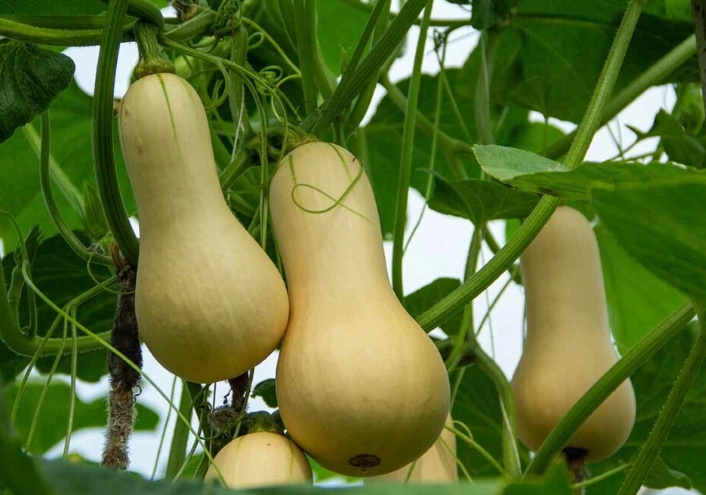
Your Butternut Squash Questions, Answered
Can I find butternut squash year-round in grocery stores?
How can I tell if a butternut squash is ripe and ready to eat?
What's the best way to store whole butternut squash to make it last for months?
My cooked squash turned out watery. What did I do wrong?
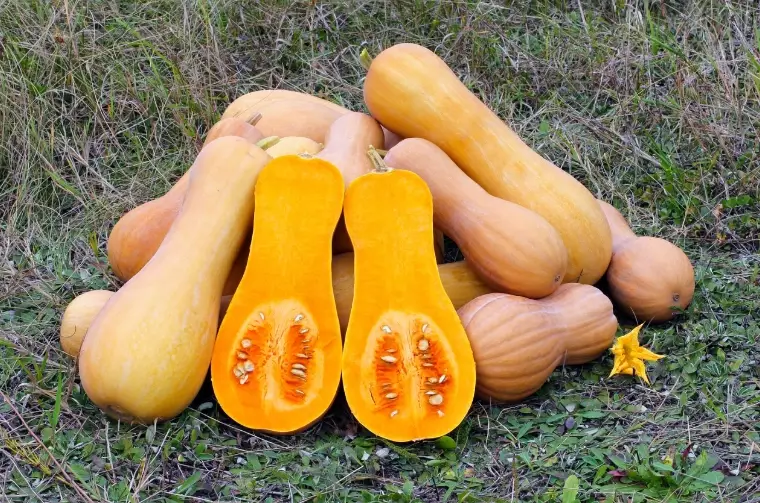 So, mark your calendar. Late summer through winter is your window. Use the selection tips, master storage, and treat that beautiful squash with a simple roast. The difference isn't subtle—it's the difference between a good meal and a memorable one. Happy cooking.
Reader Comments