Let's cut to the chase. The single biggest factor between a legendary, perfectly balanced apple pie and a bland, mushy disappointment isn't your crust recipe or your oven temperature—it's the apples you choose. I've baked hundreds of pies over the years, from professional kitchens to my own home, and I've seen the same mistake over and over: people just grab whatever apples are on sale. That's a recipe for mediocrity. The right apples for pie need to walk a tightrope: they must be flavorful enough to stand up to sugar and spice, firm enough to hold their shape after an hour in the oven, and have the perfect moisture content to create a lush filling without turning your bottom crust into a soggy sponge.
What's Inside This Guide
What Makes an Apple Good for Pie? The Science Behind the Slice
Forget the shiny, perfect-looking supermarket apple. A great pie apple is judged by three things you can't see on the surface: its flavor profile, its textural integrity, and its water content.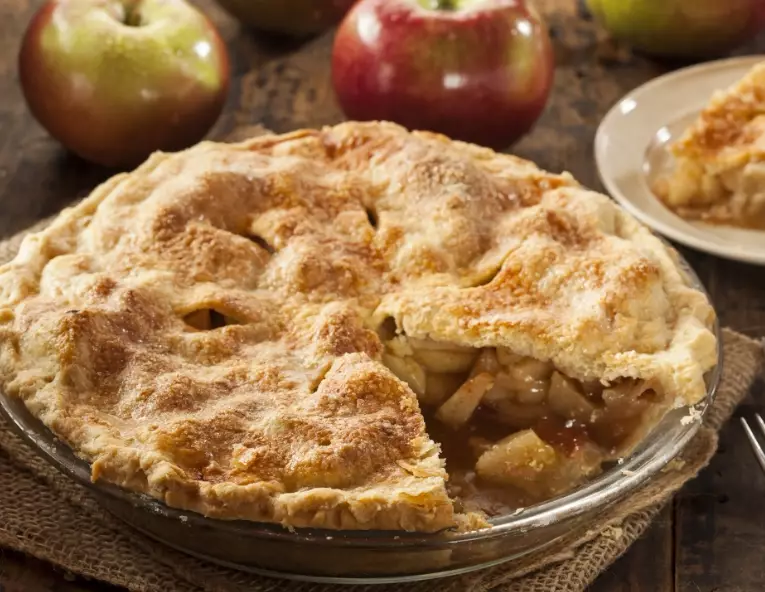
Flavor is about balance. You need a backbone of acidity to cut through the sweetness of the sugar and the richness of the butter in the crust. A one-note sweet apple makes a flat, cloying filling. The Washington Apple Commission notes that tartness is a key component in varieties favored for baking, as it provides a necessary contrast.
Texture is where many popular eating apples fail miserably. Think of a Red Delicious—it turns to flavorless mush when cooked. A good pie apple has cells that hold together under heat, giving you distinct, tender-but-not-mealy slices in every bite. This "holding shape" quality is non-negotiable.
Then there's water. Apples are mostly water. Too much, and you'll end up with a soupy filling that leaks everywhere and steam-cooks your bottom crust into a sad, pale layer. The ideal apple releases just enough juice to meld with the thickeners (like cornstarch or flour) and create a glossy, sliceable gel, not a flood.
Most experts agree: the secret is rarely one single variety. It's a blend.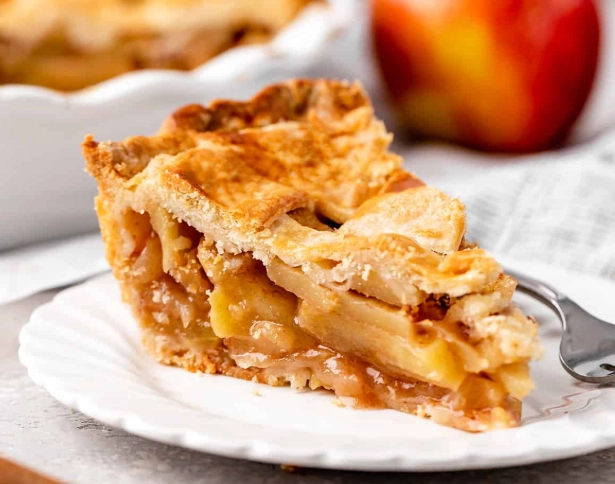
The Top Contenders: A Detailed Comparison of Pie Apple Varieties
Here’s the breakdown of the usual suspects you'll find at farmers' markets and better grocery stores. This isn't just a list; it's based on years of testing, including a few disappointing pies that taught me what not to do.
| Apple Variety | Flavor Profile | Texture When Baked | Moisture Level | Best Used For |
|---|---|---|---|---|
| Granny Smith | Very tart, bright, crisp | Holds shape very well, softens but stays intact | Medium-Low | The classic "safe" choice. Provides essential acidity. Can be one-dimensional alone. |
| Honeycrisp | Sweet with mild tartness, complex | Holds shape remarkably well, stays juicy | Medium-High | Excellent solo or in a blend. Sweetness means you can reduce added sugar. |
| Braeburn | Balanced sweet-tart, spicy notes | Firm, holds shape excellently | Medium | A top-tier all-rounder. Reliable and flavorful. My personal go-to for a 50/50 blend. |
| Jonagold | Sweet-tart, honeyed | Softens more, creates a smoother filling | Medium | Great for flavor. Best mixed with a firmer apple (like Granny Smith) for structure. |
| Golden Delicious | Mellow, sweet, buttery | Softens significantly, can become mushy if overcooked | Medium-High | Adds sweetness and creaminess. Use in small amounts within a blend. |
| Northern Spy | Tangy, aromatic, complex | Exceptionally firm, holds perfect slices | Medium | The holy grail for pie purists. Hard to find but worth seeking out in fall. |
| Pink Lady/Cripps Pink | Tangy-sweet, vibrant | Very firm, holds shape beautifully | Low-Medium | A modern superstar. Great texture and a lively flavor that shines through. |
Let me tell you about the Northern Spy. It's like the secret weapon of old-school bakers. If you see it at an orchard or specialty store in October or November, grab it. It has this incredible ability to stay slice-defined while becoming perfectly tender. It's not as common because it's a later-harvest apple and doesn't store as well commercially, but for pie, it's magic.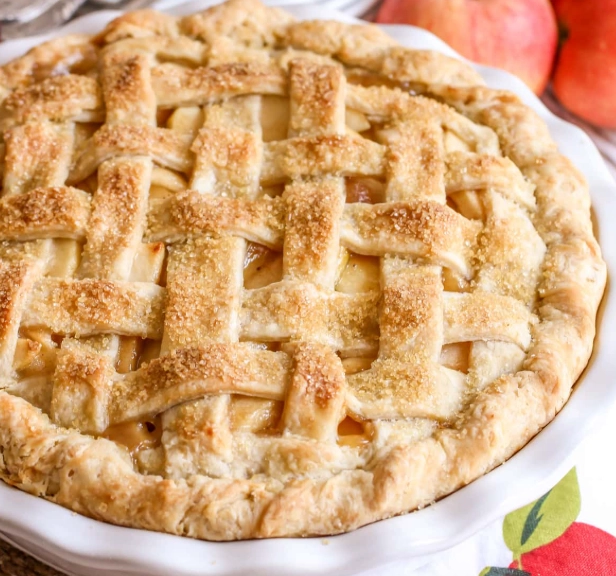
On the flip side, I have a minor grudge against McIntosh for pie. Don't get me wrong, I love eating them. They're fragrant and juicy. But for baking? They disintegrate into applesauce within 20 minutes. If you use them, make it a very small part of a blend, or you'll have a pie filling with no body.
Where to Find These Apples
Your standard supermarket will likely have Granny Smith, Honeycrisp, Gala, and maybe Braeburn year-round. For the more interesting varieties like Northern Spy, Jonagold, or specific heirlooms, you need to think seasonally and locally. Fall is prime time. Visit a pick-your-own orchard or a well-stocked farmers' market. The difference in flavor between a tree-ripened apple and one that's been in cold storage for months is staggering. Stores like Whole Foods or specialty grocers often carry a wider variety in autumn.
How to Choose Apples for Pie Based on Your Taste
Now, how do you turn this list into a decision? It depends on the pie you want.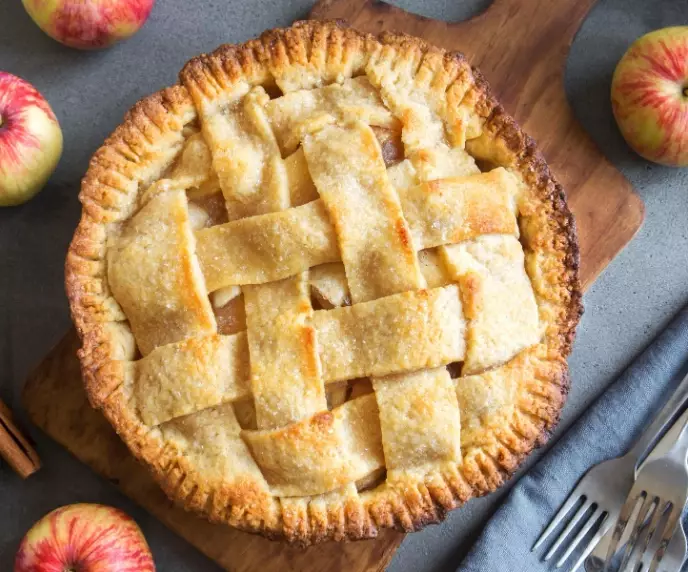
For a Bright, Tart, Classic Pie: Use a 2:1 or 1:1 ratio of tart apples to sweet ones. Try 2 parts Granny Smith to 1 part Honeycrisp or Braeburn. The Granny Smith gives that iconic tang, and the sweeter apple rounds it out and adds complexity.
For a Rich, Deeply Flavored Pie: Focus on balanced, aromatic varieties. A blend of Braeburn, Jonagold, and a single Pink Lady is fantastic. The different notes of spice and honey play off each other.
For a Sweet, Kid-Friendly Pie (or if you just have a sweet tooth): Start with a base of Honeycrisp or Fuji, but you must add at least one tart apple for structure and balance. Mix in one Granny Smith or Pink Lady for every three sweet apples. And remember, you can reduce the sugar in your recipe by about 1/4 cup if your blend is sweet.
The one rule I never break? Never use just one variety. Blending is the professional baker's trick for depth and a balanced texture. It's the easiest way to elevate your pie from good to unforgettable.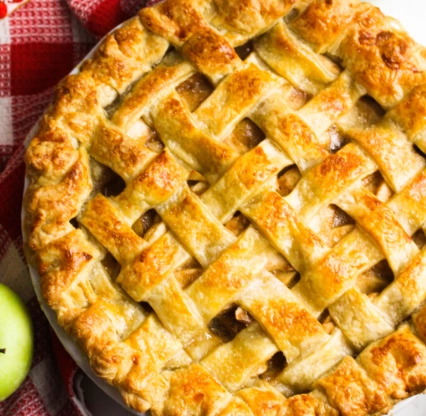
Pro Tips and Common Pitfalls to Avoid
Choosing the apples is 70% of the battle. The other 30% is how you handle them.
The Big Mistake Everyone Makes: Tossing your sliced apples with sugar and letting them sit for an hour to "draw out juices." This is terrible advice. It does draw out juice—so much that you lose all the fresh, bright flavor into the bowl, and the apples start to oxidize and get mealy. Prep your apples last. Mix your dry thickener (I prefer a mix of cornstarch and tapioca flour) with the sugar and spices, then toss it with the apple slices and immediately dump everything into the crust and bake. The juices release in the oven, where they belong.
On Thickeners: The water content of your blend dictates your thickener. For a very juicy blend (like one with a lot of Honeycrisp), lean on instant tapioca or clear jel for a clearer, sturdier gel. For a drier blend, cornstarch is fine. Always err on the side of slightly more thickener than the recipe says—an extra teaspoon can save you from a runny pie.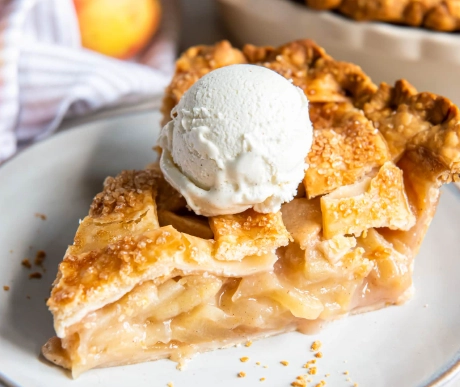
Preventing the Dreaded Soggy Bottom: First, don't overload with ultra-juicy apples. Second, bake your pie on a preheated baking sheet or pizza stone. Third, consider brushing the bottom crust with a thin layer of beaten egg white before adding the filling—it creates a barrier.
I learned the hard way about moisture. One Thanksgiving, I used an all-Jonagold pie because they smelled so good. The flavor was great, but the texture was almost like a loose compote. It wept all over the plate. Now, I always include at least one firm, low-moisture apple in the mix, like Braeburn or Pink Lady, to anchor it.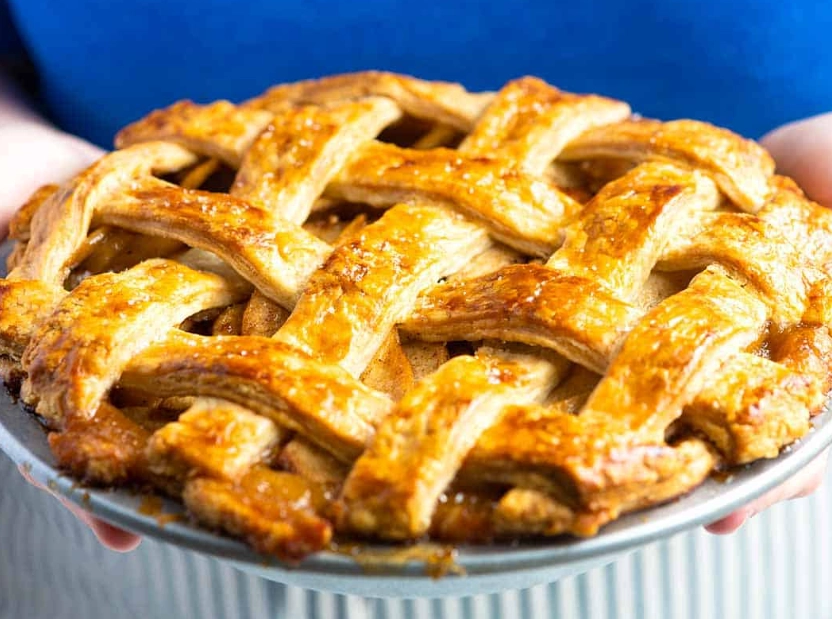
Your Apple Pie Questions, Answered
Can I use Granny Smith apples for pie if they're the only tart ones available?
Absolutely, and it's why they're so popular. They're widely available and provide reliable acidity. The key is to not use them alone. Pair them with a sweeter, more aromatic apple like Braeburn or Jonagold (about a 60/40 split) to build a more complex flavor profile. A 100% Granny Smith pie can taste one-dimensionally sour to some people.
What's the single biggest mistake people make when choosing apples for pie filling?
Using only one variety, especially if it's a soft, juicy eating apple like McIntosh, Gala, or Red Delicious. This guarantees a filling with a mushy texture and flat flavor. Baking is chemistry. Blending apples with different attributes (one for tartness, one for firmness, one for aroma) gives you control over the final product in a way a single apple never can.
I see "pie apples" for sale at the orchard. Are those a specific type?
Often, "pie apples" at an orchard are a mix of less-than-perfect looking (but perfectly tasty) seconds or a blend of heirloom varieties they grow that are excellent for baking but not well-known for eating out of hand. Always ask what's in the mix! It could be a fantastic, pre-made blend of Spys, Cortlands, and Russets. It's a great option if you trust the orchard.
How do I prevent my apple pie from getting a soggy bottom crust?
It starts with apple choice—firmer, lower-moisture varieties help. Beyond that, three technical steps make a huge difference: 1) Use a glass or ceramic pie dish, not metal, as it conducts heat to the bottom crust more evenly. 2) Bake on the lowest rack of your oven and place a preheated baking sheet on the rack below to radiate heat upward. 3) Avoid pouring any accumulated liquid from your apple bowl into the pie—leave it behind.
Can I use frozen apples for pie?
You can, but it changes the game. Frozen apples release a lot more water when they thaw. If using frozen, you must thaw them completely in a colander over a bowl, press out the excess liquid, and then adjust your thickener upward significantly—often by 50% or more. Honestly, for the best texture, fresh is the way to go. Freezing ruptures the apple cells, so you'll never get the same defined slice as with fresh, firm apples.
Reader Comments