Nothing screams fall like a glossy, homemade caramel apple. That perfect crunch through a sweet, buttery shell into a tart, crisp apple. It seems simple enough, right? Melt some caramel, dip an apple. I thought so too, until my first batch resulted in a puddle of beige goo sliding pathetically off a naked Granny Smith. The second batch? The caramel hardened into a shell so brittle it cracked into pieces with the first bite.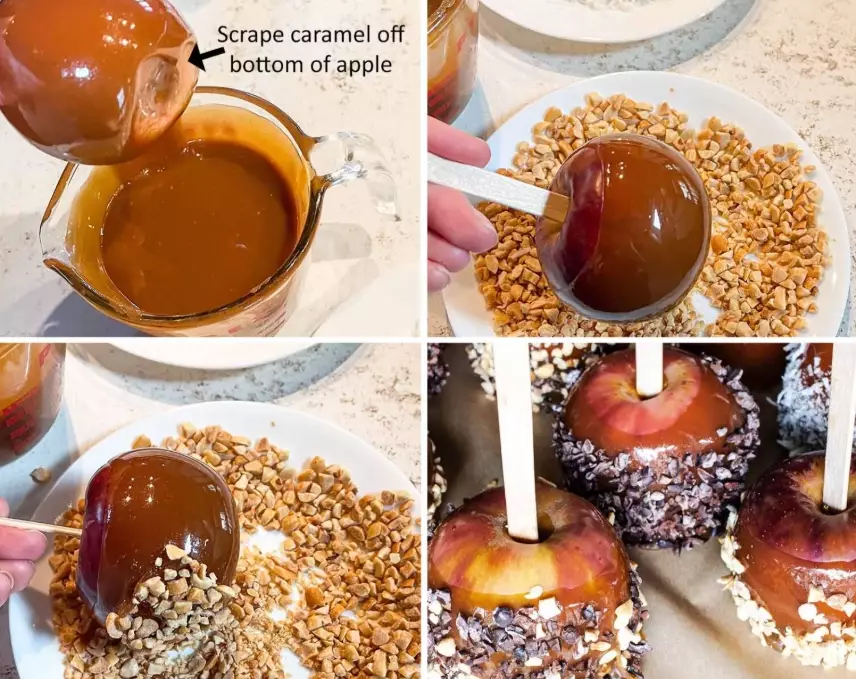
After more failed batches than I care to admit and consulting with a pastry chef friend, I cracked the code. The difference between a sticky mess and a perfect caramel apple lies in a handful of non-negotiable details most recipes gloss over. Let's get into it.
What's Inside This Guide?
Essential Tools & Ingredients You Actually Need
You can't build a house without a hammer. Same logic applies here. Skipping the right tools sets you up for frustration.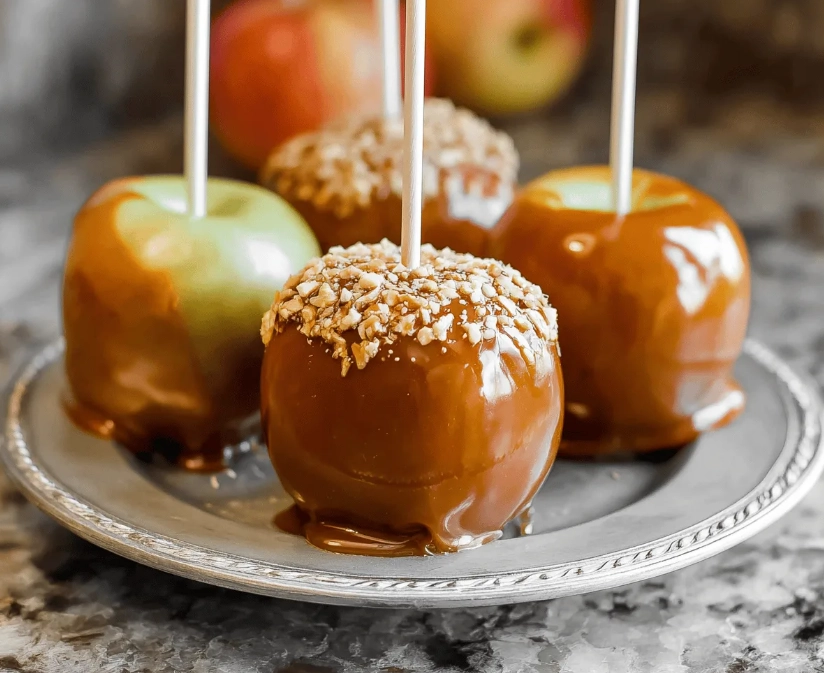
| Tool | Why It's Non-Negotiable | Budget-Friendly Swap |
|---|---|---|
| Candy Thermometer | This is your guide. Caramel is a science. 5 degrees Fahrenheit too low, and it's soup. 5 degrees too high, and it's a jawbreaker. Guessing doesn't work. | None. Seriously, borrow or buy one. A digital instant-read works if it goes high enough (at least 250°F). |
| Heavy-Bottomed Saucepan | Thin pans cause hot spots that burn the sugar before the rest cooks. A Dutch oven or thick 3-quart saucepan distributes heat evenly. | A large, deep non-stick pot can work if you're vigilant and stir constantly. |
| Wooden Craft Sticks | Popsicle sticks snap. You need the sturdy, pointy kind meant for crafts or caramel apples. They anchor the apple. | Thick bamboo skewers, but they're harder to grip. |
| Parchment Paper | Wax paper will fuse to the cooling caramel. Parchment paper doesn't. It's a clean release every time. | A well-greased, non-stick silicone baking mat. |
For ingredients, the star is the apple. You want firm, tart, and crisp. My top three, in order:
- Granny Smith: The classic. Its sharp tartness cuts through the sweet caramel perfectly. The firm flesh holds up best.
- Honeycrisp: A sweeter option, but incredibly crisp and juicy. A crowd-pleaser.
- Fuji or Pink Lady: Sweet and firm. Good if you're serving kids or those with a serious sweet tooth.
Avoid Red Delicious or Gala. They're often too soft and mealy.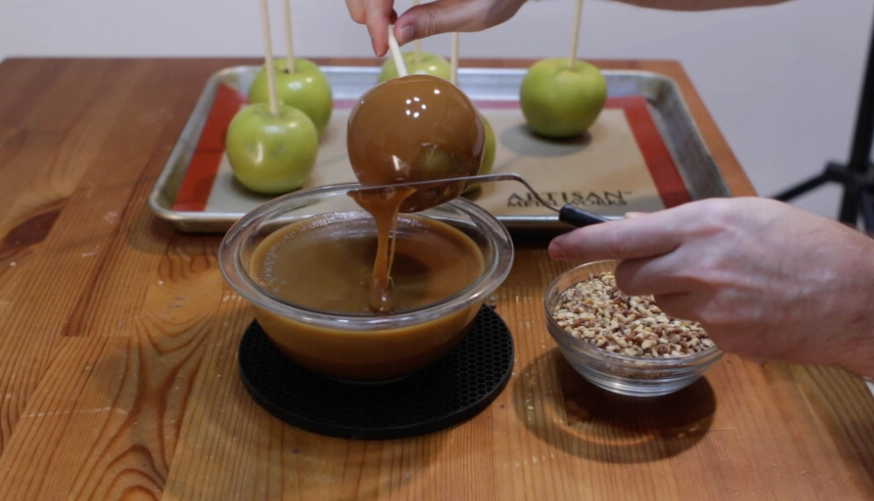
The Critical (and Often Skipped) Apple Prep
This is where 90% of failures happen. Store-bought apples have a natural wax coating to keep them shiny. Caramel hates wax. It won't stick.
Here's the foolproof prep routine I now swear by:
- Wash & Dry: Scrub each apple under warm water with a bit of dish soap or a produce wash. Rinse thoroughly.
- De-Wax: This is the key step. Bring a small pot of water to a boil. Using tongs, dip each apple in the boiling water for 5-10 seconds. You'll see the wax instantly bead up. Immediately rinse under cool water and dry aggressively with paper towels. Every single speck of water must be gone.
- Stem & Stick: Pull off the stem. Twist your wooden stick into the stem end, pushing it about halfway into the apple. Test that it's secure.
- Chill: Place the prepared apples on a tray and put them back in the fridge while you make the caramel. Cold apples are your friend.
Making the Caramel: From Scary to Simple
You can use store-bought caramel bits, and they work fine. But homemade has a depth of flavor that's worth the 15 minutes. This is a simple, foolproof recipe.
Homemade Caramel Apple Coating
Ingredients: 1 cup (2 sticks) unsalted butter, 2 cups packed light brown sugar, 1 cup light corn syrup, 1 can (14 oz) sweetened condensed milk, 1 tsp vanilla extract, ½ tsp salt.
The Process:
Melt the butter in your heavy saucepan over medium heat. Add the brown sugar, corn syrup, and salt. Stir until the sugar dissolves and the mixture starts to bubble gently.
Here's the critical part: stop stirring. Once you add the sweetened condensed milk, stir just enough to incorporate it, then attach your candy thermometer to the side of the pot. Let the mixture cook, without stirring, until it reaches 235°F to 240°F (soft-ball stage). Stirring creates sugar crystals, which can make your caramel grainy.
It'll take 10-15 minutes. Watch the thermometer, not the clock. The moment it hits 238°F (I split the difference), pull it off the heat. Stir in the vanilla extract. The caramel will be thin and bubbly. Let it cool in the pot, stirring occasionally, for about 5-7 minutes. It should thicken slightly to a lava-like consistency. If it's too thin, it'll run off the apple. Too thick, and you'll get a globby coating.
The Dipping & Setting Process
Line a baking sheet with parchment paper. Get your cold apples from the fridge.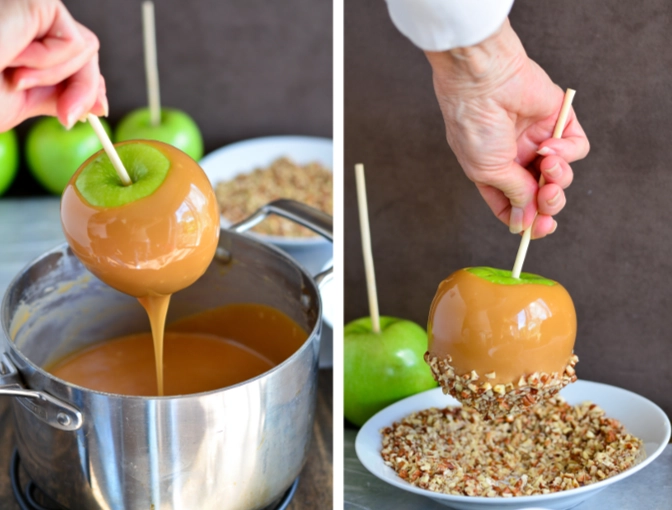
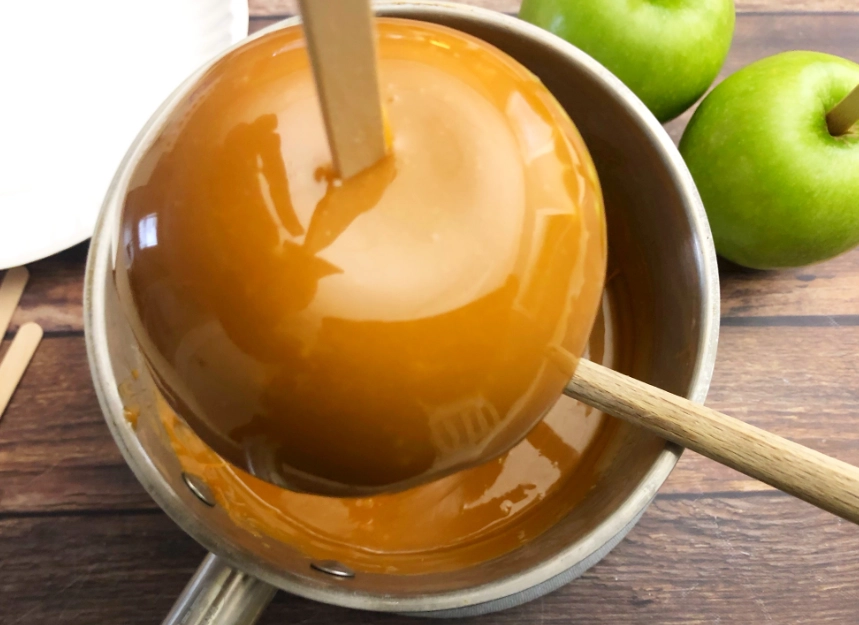
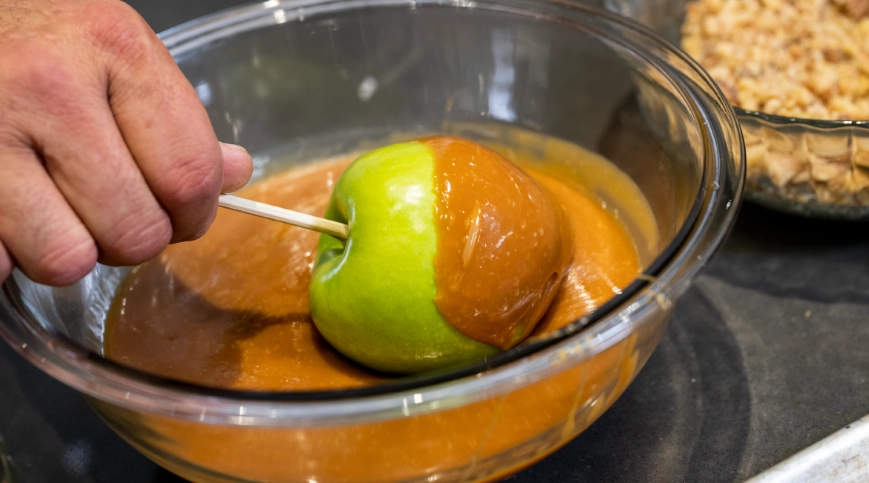
Tilt your pot of slightly cooled caramel. Dip an apple in, swirling it slowly to cover all but the very top around the stick. Lift it up, let the excess caramel drip off for a good 10-15 seconds. Twirl it gently above the pot. This drip time is crucial for an even coat.
If adding toppings (chopped nuts, sprinkles, crushed cookies), have them in shallow bowls. Roll the dipped apple in the toppings immediately, before the caramel sets. Then place it on the parchment paper.
Let all apples set at cool room temperature for about 30 minutes. Don't rush them into the fridge yet, as condensation can form. After that, you can transfer the tray to the fridge to fully firm up for another hour.
Troubleshooting Common Caramel Apple Disasters
- Caramel won't stick, slides right off: Apples weren't de-waxed or dried thoroughly. They might have been too warm.
- Caramel is too thin/runny: It wasn't cooked to a high enough temperature, or you didn't let it cool/thicken in the pot before dipping.
- Caramel is thick, globby, and hard to dip: It cooked too long, cooled too much in the pot, or you stirred it too much during cooking. Gently re-warm it over very low heat with a tablespoon of cream stirred in.
- Toppings won't stick: You waited too long to roll the apple after dipping. The caramel surface sets quickly.
- Caramel sweats or gets sticky after storage: This is normal for homemade caramel, especially in humidity. It's hygroscopic (attracts water). Store in a single layer, loosely covered, in the fridge. The USDA's food storage guidelines recommend refrigerating perishable foods like these.
Your Caramel Apple Questions, Answered
 The joy of a perfect homemade caramel apple isn't just in eating it. It's in the process—the smell of brown sugar and butter filling your kitchen, the satisfaction of that glossy dip, the pride of handing one to a friend. Skip the overpriced, often stale fair versions. With these steps, yours will be better. Guaranteed.
Reader Comments