You’ve nurtured your butternut squash plants all season, and now the fruits are swelling on the vine. But picking them at the wrong time can mean a bland, starchy mess instead of the sweet, nutty flavor you’re after. I learned this the hard way years ago when I harvested too early and ended up with squash that tasted like cardboard. Let’s cut to the chase: butternut squash is ripe when it meets a few key criteria, usually 80 to 100 days after planting, depending on your climate. But there’s more to it than just counting days. In this guide, I’ll walk you through the exact signs, timing, and techniques to ensure you get it right every time.
What You'll Find in This Guide
Key Signs of a Ripe Butternut Squash
Forget guesswork. Ripe butternut squash has distinct visual and physical cues. I’ve seen gardeners rely solely on color, but that’s a rookie error—you need to check multiple factors. Here’s what to look for.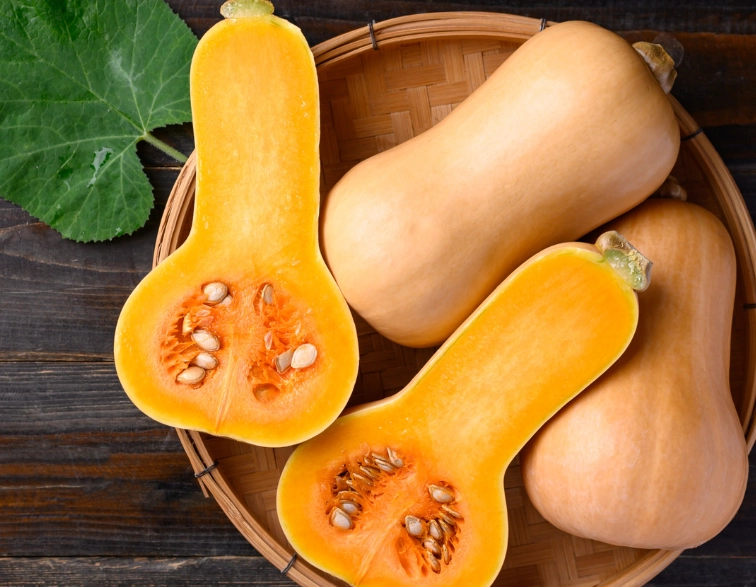
Color Changes: From Green to Tan
A mature butternut squash turns from a bright green to a uniform tan or beige color. The skin should look dull, not shiny. If there are any green patches, it’s not ready. But here’s a nuance: in cooler climates, the color might deepen to a richer brown, which is fine. Just avoid squash with a glossy sheen; that often indicates immaturity.
Stem and Skin Texture: The Toughness Test
The stem should be hard, dry, and starting to cork over—it’ll feel woody to the touch. If it’s still green and flexible, wait. As for the skin, press it with your thumbnail. On a ripe squash, the skin is so hard it won’t dent easily. I once tried to puncture an underripe one, and my nail went right in, releasing moisture. That’s a sure sign it needs more time.
Sound Test and Size: Listen and Measure
Give the squash a gentle tap. A ripe one produces a hollow sound, while an unripe one sounds solid. Also, size matters: most varieties reach 8 to 12 inches in length and 3 to 5 inches in diameter at the neck. If it’s smaller, it might not be fully developed. Don’t just go by size alone, though; combine it with other signs.
Pro tip: Many gardeners miss the stem check. A soft stem can lead to rot during storage, ruining your harvest. Always ensure it’s fully dried and hardened.
When to Harvest Butternut Squash: Timing is Everything
Timing depends on your planting date and local weather. Harvest too early, and the sugars haven’t developed; too late, and frost can damage the fruit. Let’s break it down.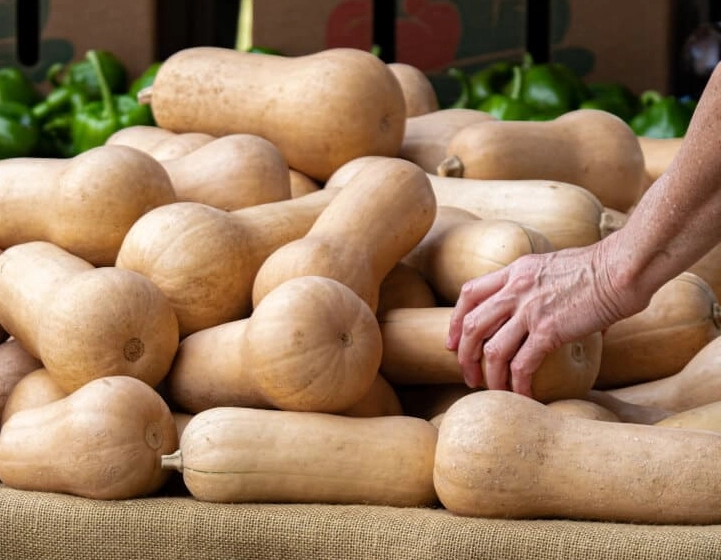
Based on Planting Date and Days to Maturity
Most butternut squash varieties take 80 to 100 days from planting to maturity. Check your seed packet for the exact number. For example, if you planted in late spring, count forward. But here’s a twist: days to maturity are estimates based on ideal conditions. In a cool, wet summer, it might take longer. I keep a garden journal to track planting dates and weather patterns—it helps me predict harvest windows more accurately.
Weather and Climate Factors
Butternut squash prefers warm weather and needs a frost-free period. Harvest before the first frost, as frost can soften the skin and reduce storage life. In temperate regions, this usually means late summer to mid-fall. In warmer areas, you might harvest into early winter. Watch the forecast; if frost is predicted, harvest immediately, even if the squash isn’t perfectly ripe. It’ll continue to mature off the vine to some extent.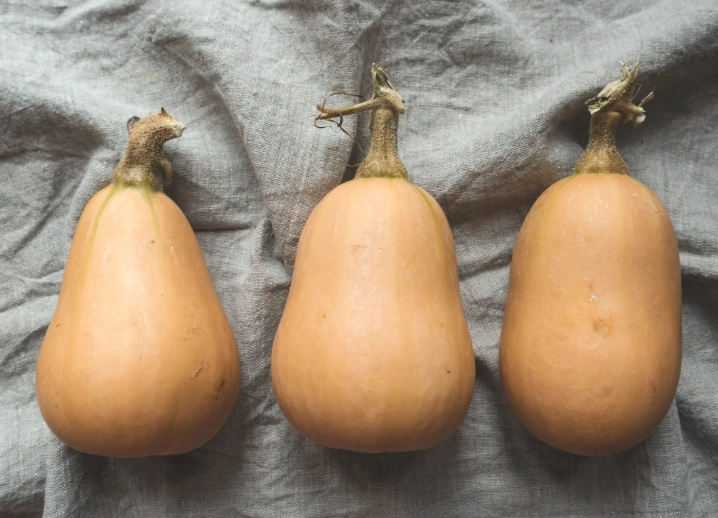
Here’s a quick reference table for harvest timing based on U.S. regions, based on data from agricultural extensions like the University of Minnesota Extension:
| Region | Typical Planting Time | Best Harvest Window |
|---|---|---|
| Northeast | Late May to Early June | Late September to Mid-October |
| Midwest | Mid-May to June | Late September to Early October |
| South | April to May | August to October |
| West Coast | April to June | September to November |
How to Harvest Butternut Squash Correctly
Harvesting isn’t just about picking; it’s about doing it cleanly to prevent disease and ensure longevity. I’ve seen people yank squash off the vine, which can tear the stem and invite rot. Here’s the right way.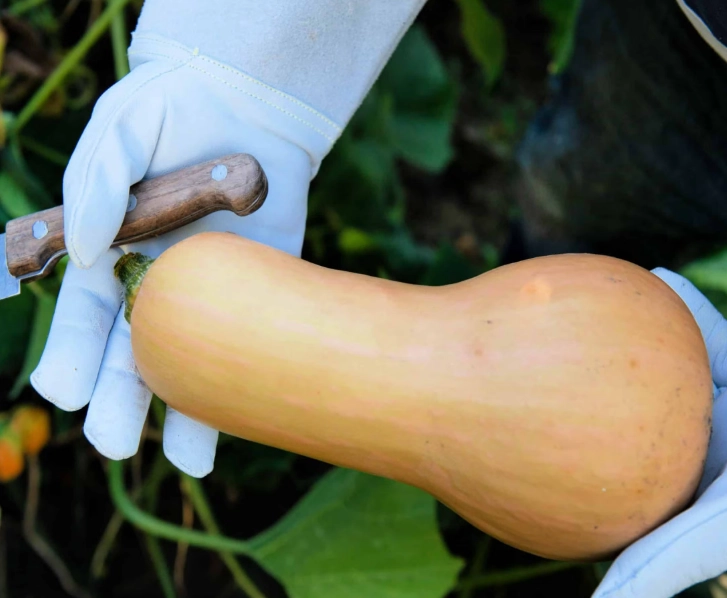
Tools You'll Need
- Sharp pruning shears or a knife
- Gardening gloves (the vines can be prickly)
- A basket or crate for collection
Step-by-Step Harvesting Process
First, choose a dry day—harvesting in wet conditions can promote mold. Cut the stem about 2 to 4 inches above the squash. Don’t cut too close; that long stem helps protect the fruit during storage. Avoid carrying squash by the stem, as it can break off. Instead, cradle the fruit in your hands. Once harvested, gently wipe off any dirt with a dry cloth, but don’t wash them yet. Washing removes the natural protective coating.
I remember one season when I harvested after a rainstorm and didn’t dry the squash properly. A few weeks later, mold started forming. Lesson learned: always keep things dry.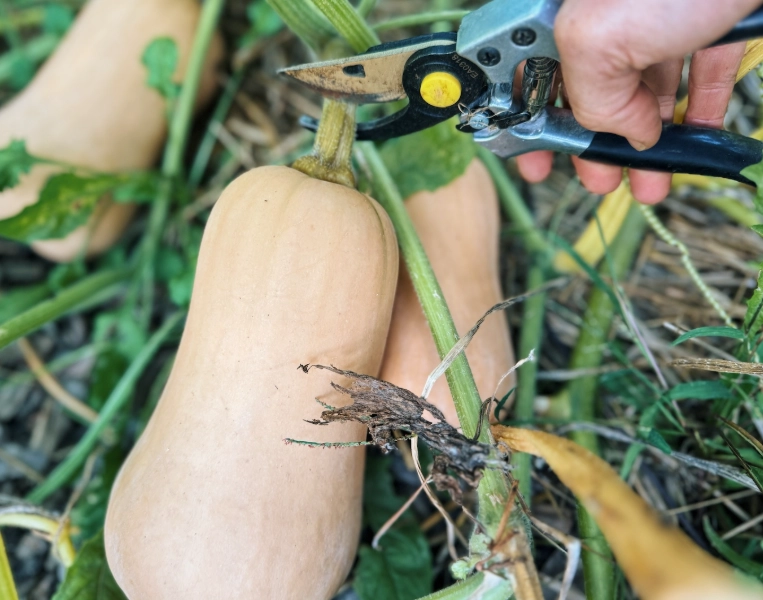
Storing Butternut Squash for Longevity
Proper storage can keep butternut squash edible for months. The key is curing and controlling conditions. Many folks skip curing and wonder why their squash spoils fast.
Curing Process: The Secret to Sweetness
After harvest, cure the squash by placing them in a warm, dry, well-ventilated area for 10 to 14 days. Ideal temperature: 80-85°F (27-29°C). This process hardens the skin, heals minor cuts, and converts starches to sugars, enhancing flavor. I use a sunny porch or a greenhouse. If you don’t cure, the squash might taste bland and rot sooner.
Ideal Storage Conditions
Once cured, store squash in a cool, dark place with good air circulation. Temperature should be 50-55°F (10-13°C), with humidity around 50-70%. A basement or pantry works well. Avoid stacking them tightly; place them on shelves or in single layers. Check periodically for soft spots or mold. Under these conditions, butternut squash can last 3 to 6 months.
Personal note: I once stored squash near apples, which release ethylene gas that speeds up ripening and spoilage. Big mistake—they softened within weeks. Keep them away from fruits like apples and bananas.
Common Mistakes and How to Avoid Them
Even experienced gardeners slip up. Here are pitfalls I’ve encountered and how to dodge them.
Harvesting Too Early or Too Late
Early harvest leads to poor flavor and texture. Wait for all signs of ripeness. Late harvest risks frost damage. Monitor weather closely and harvest proactively. If frost threatens, cover plants with blankets or harvest immediately.
Improper Storage
Storing in the fridge is a common error—it’s too cold and humid, causing chilling injury. Room temperature is too warm, leading to sprouting. Aim for that sweet spot of 50-55°F. Also, avoid plastic bags; they trap moisture and promote rot.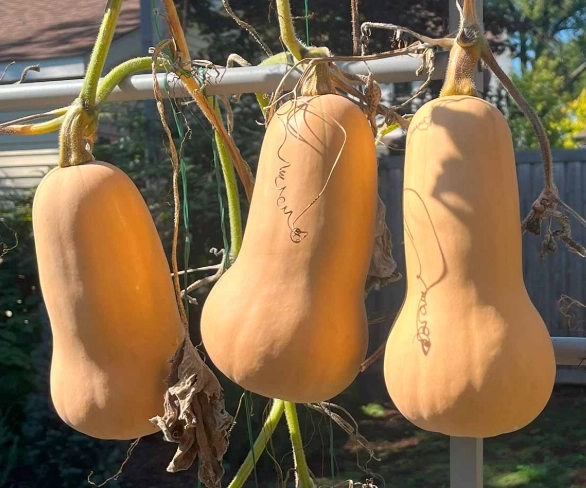
Your Butternut Squash Questions Answered
Harvesting butternut squash at the right time transforms your cooking. It’s not just about following rules—it’s about observing your plants and adapting to conditions. Start with the signs I’ve outlined, time it well, and store with care. You’ll enjoy sweet, creamy squash all winter long. Got more questions? Drop a comment below, and I’ll share from my decade of gardening trials.
Reader Comments