You've nurtured your butternut squash vines all summer, watching the little green bulbs swell. Now it's fall, and the leaves are dying back. Is it time? Picking too early means a bland, starchy disappointment. Wait too long, and a surprise frost could ruin your harvest. Getting it right matters. The difference between a mealy, watery squash and one that's sweet, nutty, and creamy is a matter of perfect timing. Let's cut through the guesswork.
I learned this the hard way my first season. I picked a squash because it looked big and had a nice tan color. I was so proud until I cut it open. The flesh was pale, the seeds were soft and white, and it tasted like nothing. Total letdown. Since then, after years of growing and a few conversations with veteran market gardeners, I've nailed down a foolproof system. It's not about one magic sign, but a combination of clues.
What You'll Learn in This Guide
The Foolproof Signs of a Ripe Butternut Squash
Forget complicated rules. A ripe butternut squash communicates its readiness through four clear, physical signals. Check all of these boxes, and you're golden.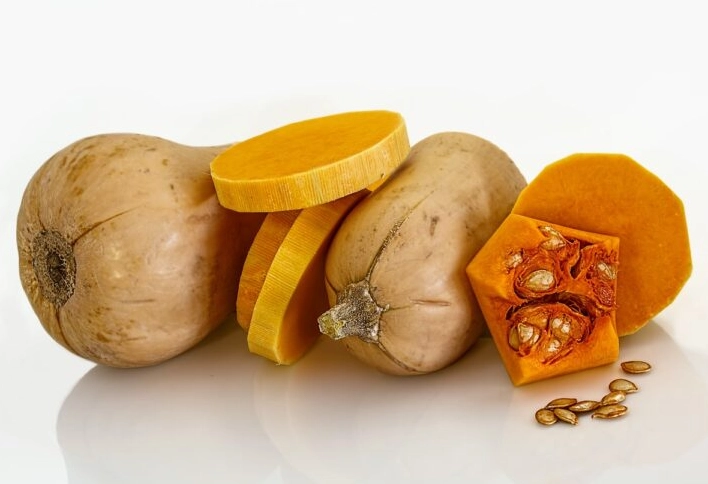
The Color Test: More Than Just Beige
This is the most obvious sign, but it's often misunderstood. A ripe butternut squash turns a deep, uniform tan or beige. The green streaks and mottling should be completely gone.
Here's the nuance everyone misses: the color under the squash, where it rests on the ground, is the true tell. That spot, called the "ground spot," should also be the same tan color, not a pale yellow or persistent green. If the bottom is still a different shade, the squash isn't fully mature, even if the top looks perfect. Sun exposure can trick you.
Pro Tip: On a sunny day, gently lift the squash and rotate it slightly every week or so during the late growing season. This helps the entire skin develop an even color and prevents a soft, pale patch on the underside.
The Sound Test: It's All About the Thump
This one feels a bit like judging a watermelon, but it works. Pick up the squash (carefully, supporting its weight) and give it a firm tap or knock with your knuckles.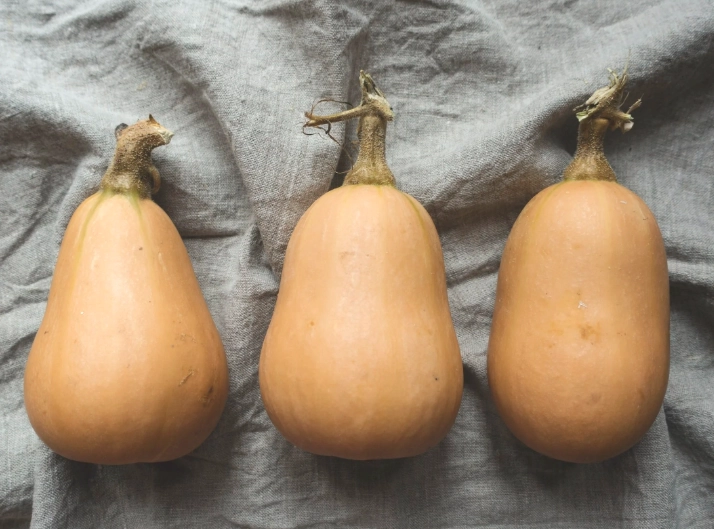
Listen closely. An unripe squash will sound dense and solid, with a high-pitched, almost hollow *ping*. A truly ripe butternut squash will have a deeper, duller, more resonant *thud*. The flesh inside has densed up and the seed cavity has dried out, changing the acoustics. It's a subtle difference, but with practice, you'll hear it.
The Stem Test: The Final Verdict
If I could only teach you one sign, this would be it. The stem is the squash's lifeline to the vine. When the squash is fully mature, the plant begins to sever that connection naturally.
Look for a stem that has turned from green, fleshy, and pliable to a dry, corky, and brown. It should look woody. Now, try to press your thumbnail into it. On a ripe squash, you won't make a dent. This corking process is the plant's way of sealing off the squash to prevent rot and signal that it's ready for independence.
Critical Warning: Never, ever harvest a squash by yanking it off the vine. You should use sharp pruners or a knife to cut the stem, leaving at least an inch attached. A stem that is ripped off creates an open wound that invites decay and drastically shortens storage life.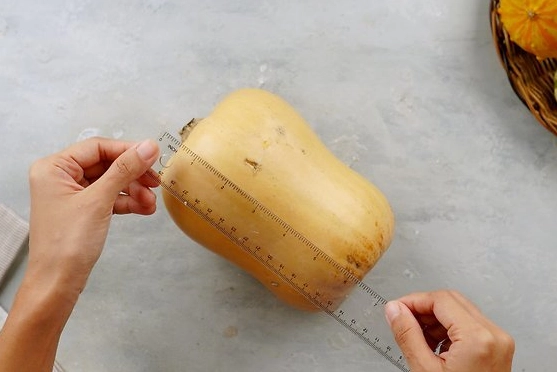
The Skin and Nail Test: The Ultimate Challenge
A ripe butternut squash develops a rock-hard rind to protect it through months of storage. This is your final check.
Run your fingers over the skin. It should feel completely hard, with no soft spots or give. Then, try the fingernail test. Press your thumbnail firmly into the skin. If you can easily puncture it or leave a deep indent, the squash is not ripe. On a ripe squash, the skin will be so tough it will resist puncture entirely. You might leave a faint scratch at most.
This hard skin is why butternut squash are such fantastic keepers. It's nature's perfect packaging.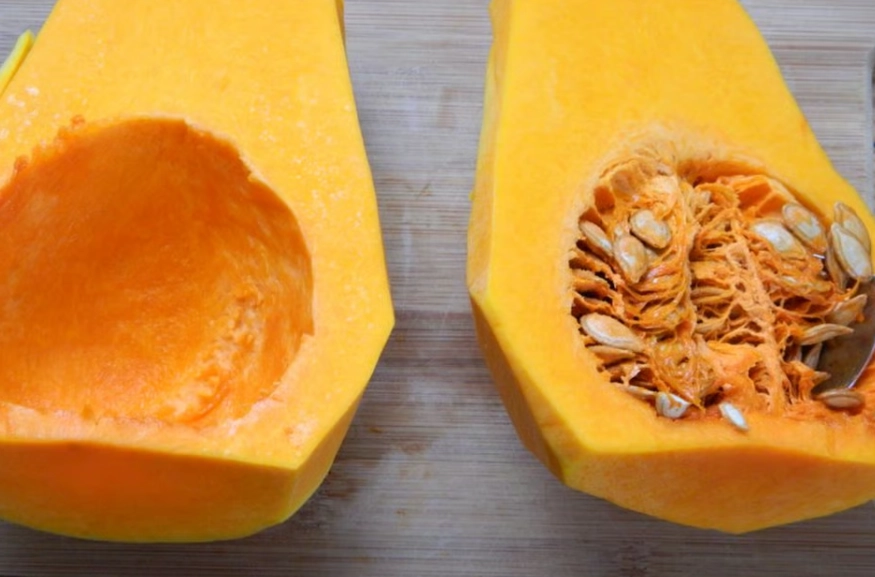
Beyond the Basics: The Expert's Touch
Okay, you know the four main signs. But what about timing, vine condition, and size? These factors provide context.
Most butternut squash varieties need 80 to 110 days from planting to reach maturity. Count the days from your last frost date as a guideline, not a rule. The vine itself gives clues. When the main vine starts to brown and wither, and the leaves around the squash die back, it's a strong environmental cue that the plant is diverting its last energy into the fruit.
Size can be misleading. A squash might reach its full size weeks before it's truly ripe internally. Don't pick based on size alone. I've had smaller squash that were perfectly ripe and giant ones that were still developing flavor.
One subtle sign I look for is the "netting" or web-like pattern on the skin. On many varieties, a fine, raised netting becomes more pronounced as the squash ripens. It's not a guarantee, but it's another piece of the puzzle.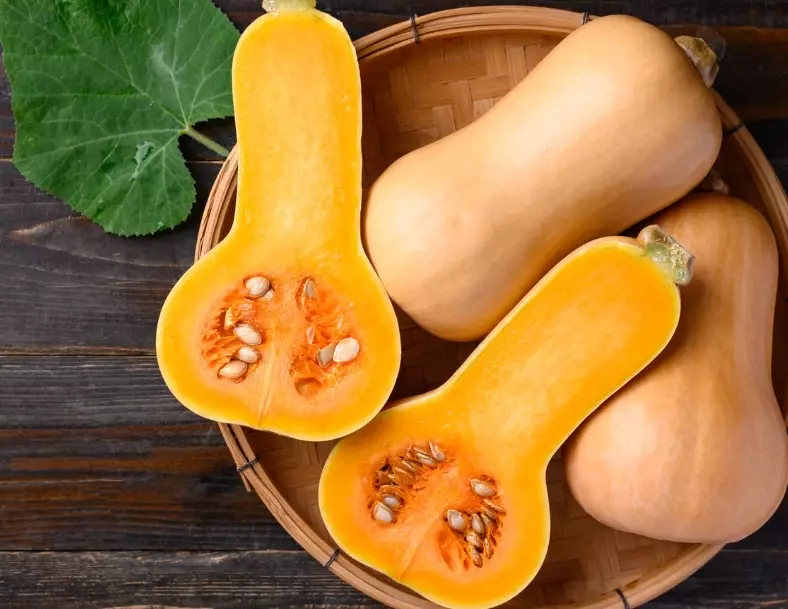
The Biggest Mistake New Gardeners Make: Panic-harvesting at the first sign of frost. A light frost that kills the leaves does not immediately ruin the fruit. The hard-rinded squash can actually handle a light frost or two. If a hard freeze is forecast, then you should harvest everything immediately, even if slightly underripe. It's better than letting them turn to mush on the vine.
What to Do After You've Found a Ripe Squash
You've identified a ripe squash. Great! Now, handle it with care to ensure it stores for months.
- Harvest: Use clean, sharp tools. Cut the stem, don't tear it. Handle the squash like eggs to avoid bruising.
- Cure: This step is non-negotiable for long-term storage. Wipe off any dirt, but don't wash it. Place your harvested squash in a warm (75-85°F), dry, well-ventilated spot out of direct sun for 10-14 days. This process further hardens the skin, heals minor scratches, and converts starches to sugars, improving flavor. A sunny garage floor or a warm room works perfectly.
- Store: After curing, move the squash to a cool, dark, dry place with good air circulation. Ideal conditions are around 50-55°F with 50-70% humidity. A basement, root cellar, or cool closet is ideal. Check them periodically for soft spots.
Properly cured and stored, a ripe butternut squash can easily last 3 months, often longer. I've eaten them in March that were harvested in October, and they were still fantastic.
Troubleshooting Common Butternut Squash Ripening Issues
What if things don't go perfectly? Here's how to handle common scenarios.
The squash is the right color but the stem is still green. Be patient. The stem is the last thing to cork over. Give it another week or two if frost isn't a threat.
I had to harvest early due to frost/pest damage. All is not lost. Perform the "curing" process as described above. Many slightly immature squash will continue to ripen off the vine, though they may not achieve peak sweetness or store as long. Use these first.
The skin is hard and the color is good, but it sounds hollow when thumped. This could mean the squash is over-mature and starting to dry out inside, or it may have an unusually large seed cavity. Check the stem. If it's fully corked, harvest it and use it soon. It might be a bit stringy.
There's a soft spot on one side. This is likely rot or damage from resting on wet soil. Cut out the soft part immediately and use the rest of the squash right away. Do not try to store it.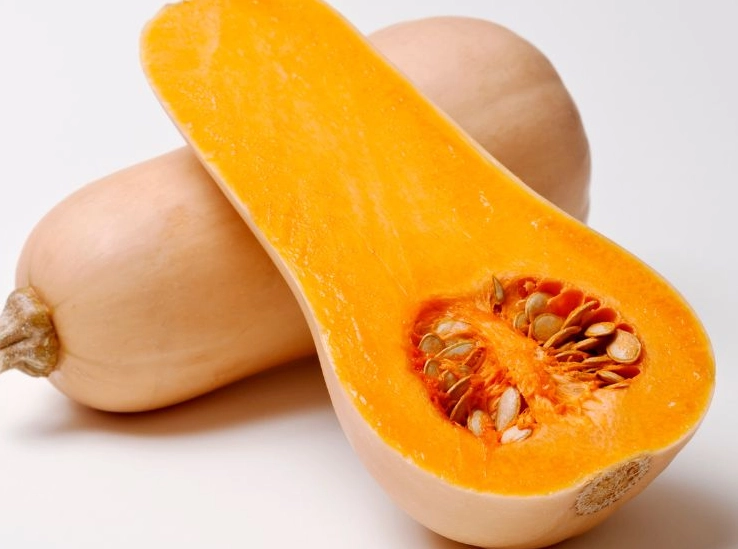
Mastering how to tell when butternut squash is ripe transforms the fall harvest from a gamble into a guarantee. It's the difference between a mediocre side dish and the star of your autumn table—sweet, rich, and satisfying. Use the four-sign checklist (color, sound, stem, skin), cure them properly, and you'll be enjoying homegrown squash flavor long after the garden is asleep.
Reader Comments