You've nurtured your butternut squash plants all season, watching the vines sprawl and the tiny fruits swell. Now, as the leaves start to turn, the big question hits: is it ready? Picking too early means a bland, watery squash that won't store. Wait too long, and you risk frost damage or an over-mature, fibrous texture. Getting it right transforms your harvest from a generic vegetable into the sweet, nutty, velvety superstar of fall cooking.
I learned this the hard way my first season. I got impatient, picked a squash that looked okay, and ended up with something that roasted up like a tasteless sponge. Total disappointment. Since then, after many seasons of trial and error (and conversations with much more experienced growers), I've nailed down a foolproof system. It's not just one thing—it's a combination of clues.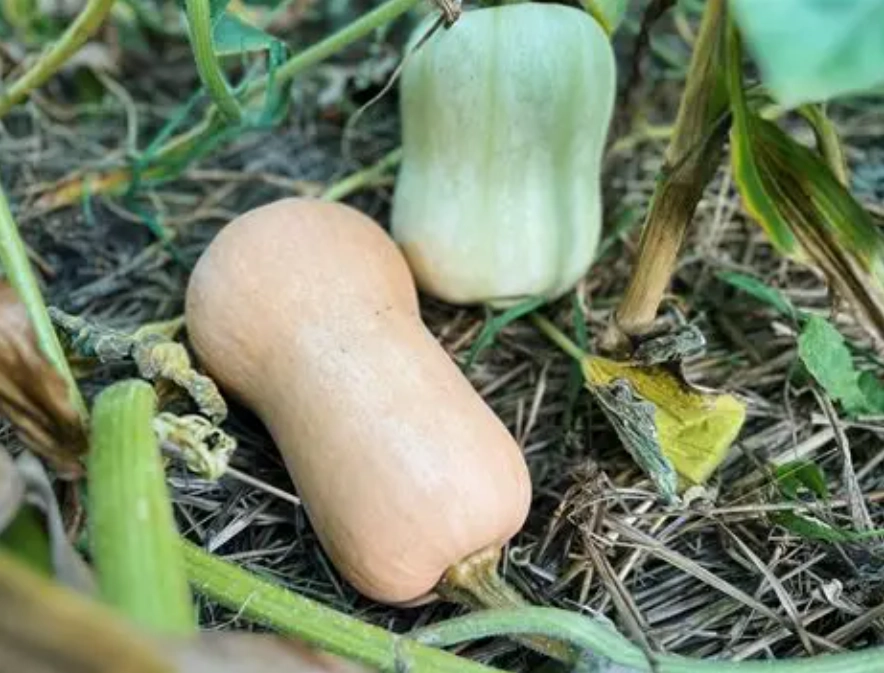
Your Quick Harvest Guide
Why Getting the Timing Right is a Game Changer
This isn't just about aesthetics. A fully mature butternut squash has completed its sugar development. The starches have converted, the flesh has thickened, and the skin has hardened into a protective shell. According to resources from university agricultural extensions, like those from Cornell University's College of Agriculture and Life Sciences, proper maturity is the single biggest factor determining storage life and eating quality.
A ripe squash can last in your pantry for 3 to 6 months. An underripe one might rot in a few weeks.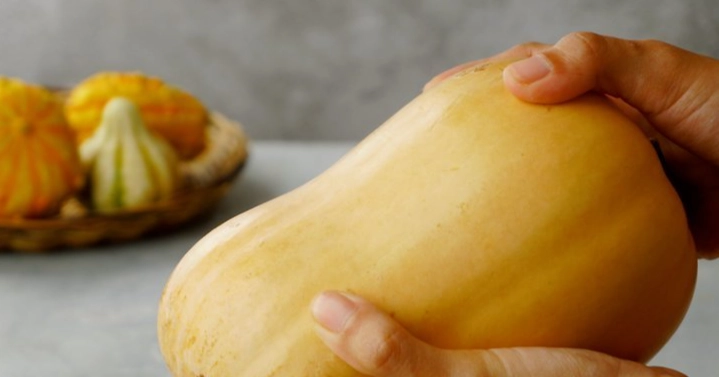
The flavor difference is night and day. A ripe squash is that iconic sweet, earthy, slightly nutty flavor perfect for soups, risottos, and roasting. An unripe one is... well, forgettable.
The 5 Signs Your Butternut Squash is Ripe (The Full Checklist)
Don't rely on just one indicator. Use at least three of these five tests to be sure. Think of it as building a case.
1. The Color Test: From Green to Deep Tan
A young butternut squash has a pale, creamy color with distinct green streaks or tones. As it ripens, it develops a uniform, deep tan or beige skin. The green should be completely gone. The color should be consistent across the entire fruit, especially on the side that rested on the ground. If you see any shiny green patches, it's not ready.
A subtle point most guides miss: look at the underneath. The ground spot should also be that same tan color, not yellow or white. A white ground spot often indicates immaturity.
2. The Skin Test: Hard as a Nail
This is crucial. The skin of a ripe butternut squash is incredibly hard. Press your thumbnail into it. If your nail pierces or dents the skin easily, it's not ready. On a ripe squash, you shouldn't be able to make a mark at all. It should feel like trying to scratch a hard-shell suitcase.
The skin loses its sheen and becomes quite matte. This hardening is what allows for long-term storage.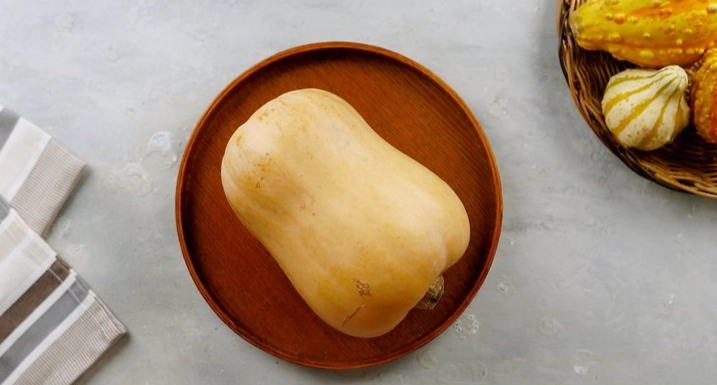
3. The Sound Test: The Hollow Thump
Give the squash a firm flick or knock with your knuckles. An immature squash will sound solid and dense. A ripe one will have a deeper, slightly hollow sound. It's not a dramatic echo, but more of a dull, deep thud compared to the dead thump of an unripe one.
It takes a bit of practice. Try it on a few you know are ripe (from the store) versus a young one on your vine to train your ear.
4. The Stem Test: Brown and Corky
Look at the stem where the squash connects to the vine. On a ripe squash, this stem will start to turn brown, dry out, and become corky or woody. It often begins to crack. The vine leading to the squash may also start to brown and die back. This is the plant's natural way of cutting off resources, signaling that the fruit is done.
If the stem is still green, pliable, and juicy, the squash is still actively growing.
5. The Heft Test: It Should Feel Heavy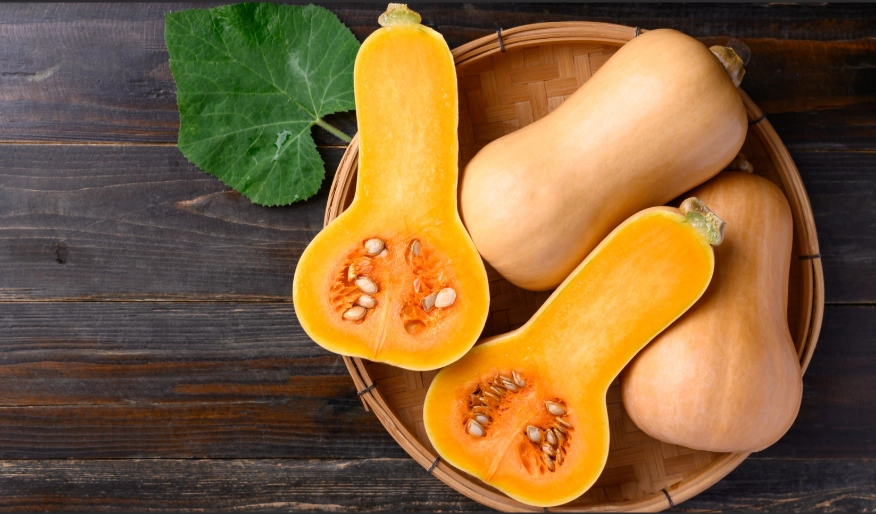
A ripe butternut squash, for its size, feels dense and heavy. This is because the flesh is thick and packed with material, not watery and underdeveloped. Pick up a similar-sized squash from the grocery store to get a sense of the expected weight. If yours feels suspiciously light, it's probably not ready.
The Frost Warning: These signs assume a full growing season. If a hard frost (temperature below 28°F / -2°C) is forecast and your squash is mostly mature (deep color, hard skin), harvest it immediately, even if the stem is slightly green. Frost will damage the skin and flesh, leading to rapid rot. It's better to have a slightly early harvest than a frozen one.
How to Harvest Without Hurting Your Squash (or Yourself)
You've confirmed it's ripe. Now, don't ruin it with a bad cut.
Use sharp, clean pruners or a sturdy knife. Do not twist or pull the squash off the vine. This can tear a large wound in the squash's top, creating an entry point for rot.
Cut the stem, leaving a minimum of 2-3 inches attached to the squash. That leftover stem acts like a protective cork. If you cut it flush, you create a flat, vulnerable spot that decays quickly. Think of that stem as the squash's natural seal.
Handle them gently. Avoid carrying them by the stem, as it can break off. Cuts, bruises, and punctures will shorten storage life dramatically.
The Critical Step Most People Skip: Curing & Storing
Here's where I see even experienced gardeners slip up. Harvesting isn't the finish line.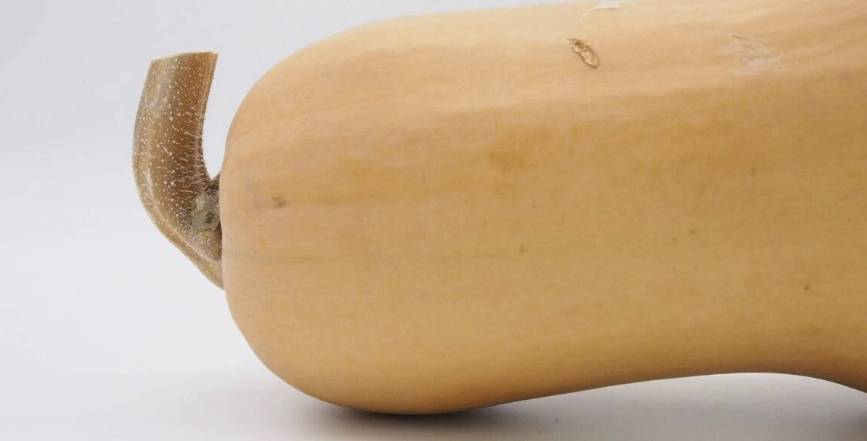
Curing is a non-negotiable post-harvest process. It's not ripening, but a healing and hardening phase. Place your harvested squash in a warm, dry, well-ventilated area (like a garage, covered porch, or sunny room) at about 70-80°F (21-27°C) for 10 to 14 days. This does a few magic things:
- It further hardens the skin.
- It allows minor scratches and the cut stem to dry and heal over.
- It converts some remaining starches to sugars, slightly improving flavor.
After curing, move them to their long-term storage location: a cool, dark, dry place around 50-55°F (10-13°C) with moderate humidity. A basement, unheated spare room, or cool cellar is perfect. Do not store them in a damp root cellar with potatoes or onions; they prefer drier conditions.
Check them every couple of weeks for soft spots. Use any with blemishes first.
Avoid the Fridge: Do not store uncut, whole butternut squash in the refrigerator. The cold, humid environment actually promotes decay and can cause chilling injury. The fridge is only for cut squash, wrapped tightly and used within a week.
Common Mistakes and Pro Tips From the Field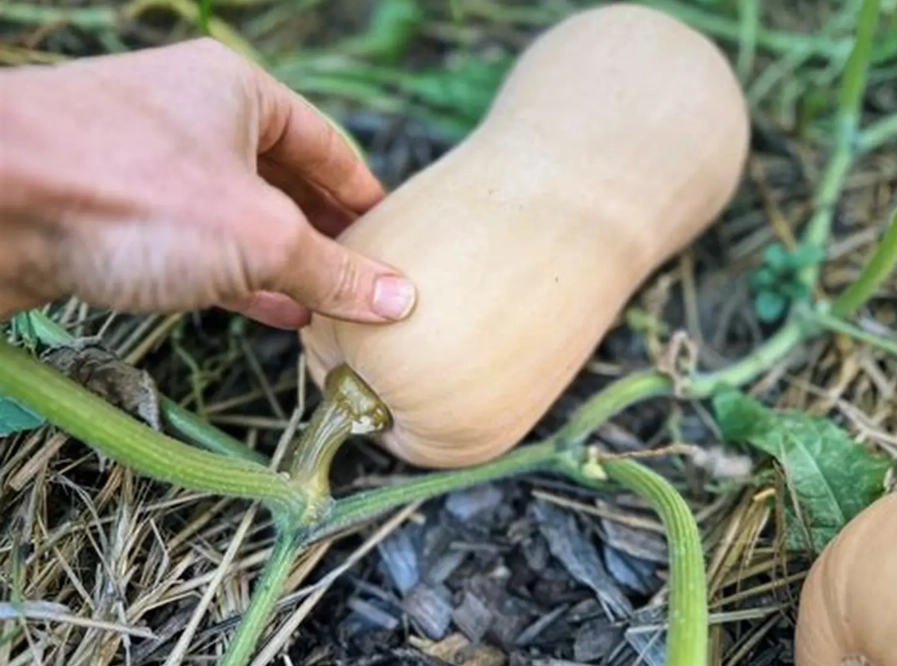
The biggest mistake is impatience. The squash will not sweeten after picking. Waiting those extra two weeks for the skin to harden and the color to deepen makes all the difference.
Size is a terrible indicator. A squash can be large and still be underripe (pale and soft). Conversely, a smaller squash can be perfectly mature if it passes the other tests. Focus on the signs, not the tape measure.
Watch the leaves, not the calendar. "Days to maturity" on seed packets is a rough estimate. Your local weather, soil, and season are the real guides. The plant will tell you when it's done by browning the vine and stem.
My personal trick? I mark a few promising squash with a bit of garden tape when they first set fruit. Then I can easily track their development over time, comparing their color and size week to week. It helps combat the "they all look the same" confusion later in the season.
Your Butternut Squash Questions, Answered
Getting your butternut squash harvest right is deeply satisfying. It's the reward for a season's work. By using these multi-sense checks—looking for that deep tan, feeling for rock-hard skin, listening for the right thump, checking the woody stem, and hefting its weight—you'll harvest squash that stores for months and becomes the star of your autumn kitchen. Now go check your garden.
Reader Comments