You order a Caesar salad thinking it's the light, healthy choice. It's just lettuce, right? Then you finish the bowl and feel oddly… heavy. That's because a Caesar salad's calorie count is one of the great deceptions of the restaurant world. It's not just a salad; it's often a vehicle for a heavy, oil-based dressing, cheese, and fried bread. So, how many calories are we actually talking about? The short answer: anywhere from a reasonable 300 to a shocking 1,200+ calories, depending entirely on how it's made.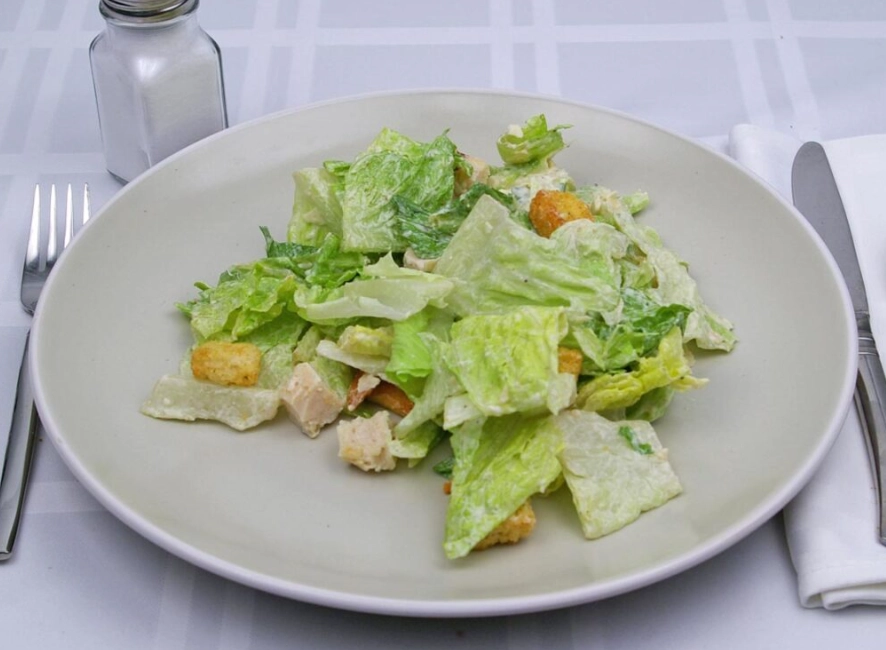
What's Inside: Your Quick Guide
The Great Calorie Divide: Restaurant vs. Homemade
Let's get specific. The biggest factor in Caesar salad calories is where you get it. Homemade gives you control; restaurants often prioritize taste (and cost) over calorie count. Here’s a real-world comparison that might make you think twice before ordering.
| Source / Type | Approximate Calories | Key Factors |
|---|---|---|
| Chain Restaurant Classic Caesar (e.g., Cheesecake Factory, Applebee's) | 800 - 1,200+ | Heavy dressing application, large portion of croutons, generous cheese, large bowl. |
| Fast-Casual Caesar Salad (e.g., Panera, Sweetgreen) | 400 - 700 | More standardized portions, sometimes lighter dressing options, portion-controlled toppings. |
| Grocery Store Pre-Made Kit | 350 - 550 | Packaged dressing and croutons are calorie-dense; portion sizes are usually smaller. |
| Homemade (Classic Recipe) (1 large bowl) | 500 - 700 | You control the oil in dressing, cheese amount, and crouton quantity. Still can be high. |
| Homemade (Lightened-Up Version) | 250 - 400 | Lighter dressing base, less cheese, whole-grain croutons or seeds, extra greens. |
See the range? That 1,200-calorie restaurant salad is equivalent to two large fast-food burgers. I once made the mistake of thinking a Caesar salad from a steakhouse was a "light dinner" before realizing I'd just eaten more calories than the steak option I passed on. The dressing was basically mayonnaise and oil, and the croutons were buttery and endless.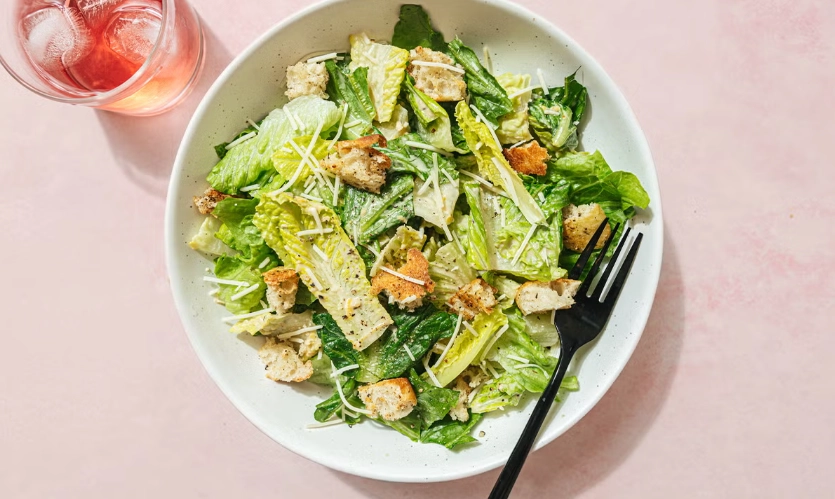
What Determines the Calorie Count in a Caesar Salad?
It's not one thing; it's a combination. If you want to manage calories, you need to understand where they hide.
1. The Dressing: The 500-Calorie Culprit
This is the heavyweight champion. Traditional Caesar dressing is an emulsion of oil, egg yolk, Parmesan, garlic, anchovies, and lemon juice. Olive oil has about 120 calories per tablespoon. A classic recipe can easily use half a cup of oil—that's 960 calories from oil alone before adding anything else. A typical 2-ounce (4 tablespoon) serving of restaurant dressing can pack 300-400 calories.
2. The Croutons: The Crunchy Calorie Bomb
They're not just bread. They're bread fried or toasted in butter or oil, then often seasoned with more oil, garlic, and cheese. A single cup of store-bought croutons can be 150-200 calories. Restaurants often use oversized, dense croutons and sprinkle them generously.
3. The Cheese: Flavorful Fat
Parmesan cheese is flavorful, so a little goes a long way. But "a little" is subjective. A quarter-cup of grated Parmesan adds about 110 calories. Some places use a mix of Parmesan and a milder, higher-fat cheese.
4. The Base and Add-Ons
Romaine lettuce is low-calorie, so that's the good news. The bad news is the popular add-ons: grilled chicken (a 6-oz portion adds ~250-300 calories), shrimp, or salmon. Even "healthy" toppings like avocado can add 200+ calories for half an avocado.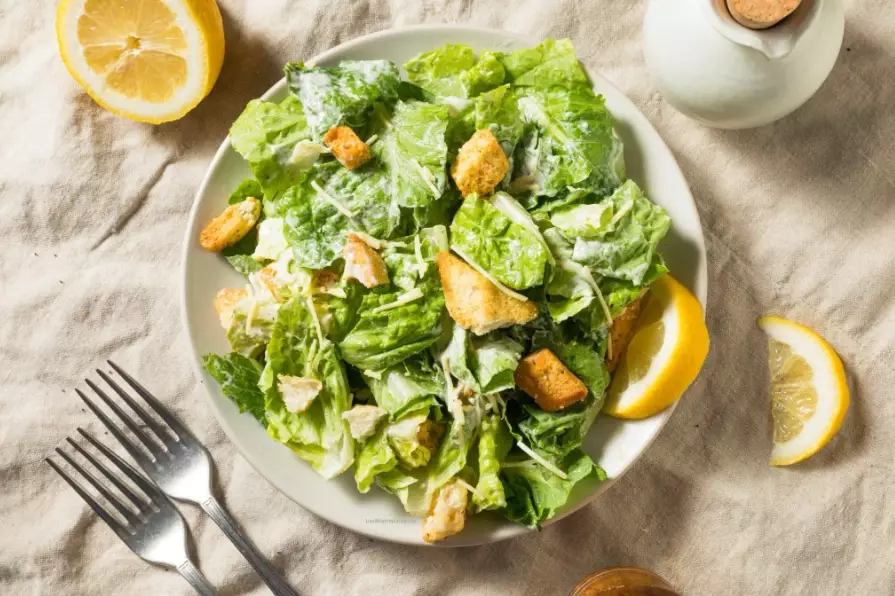
Pro Tip from a Decade of Salad-Making: The single biggest mistake people make is eyeballing the dressing. They pour it straight from the bottle. Get a measuring spoon. Two tablespoons of a rich dressing is often more than enough for a large bowl of greens. That simple habit can save you hundreds of calories instantly.
How to Make a Lighter Caesar Salad at Home
You don't have to give up Caesar salad. You just need a smarter recipe. The goal is to keep the umami, tangy, and creamy profile while slashing calories from fat.
Step 1: Reinvent the Dressing
Forget the cup of oil. Use a creamy, high-protein base to replace most of it. Here's my go-to recipe that actually tastes better than many bottled versions:
- 1/2 cup plain 2% Greek yogurt (creamy texture, high protein, ~80 cal)
- 2 tbsp light mayonnaise (for richness, ~70 cal)
- 2 tbsp grated Parmesan (for the essential cheesy flavor, ~55 cal)
- 1 tbsp extra virgin olive oil (just enough for flavor and mouthfeel, ~120 cal)
- 1 small garlic clove, minced
- Juice of half a lemon
- 2-3 anchovy fillets, minced, or 1 tsp anchovy paste (don't skip this—it's the umami heart of the dish)
- Salt, black pepper, and a splash of water to adjust consistency.
Blend it all. This makes about 3/4 cup of dressing. A 2-tablespoon serving is roughly 60-70 calories. Compare that to 300+ for the traditional version. The Greek yogurt gives it a tangy punch and a thick, luscious texture that clings to the lettuce.
Step 2: Rethink the Croutons
Instead of oil-fried croutons, try one of these:
- Whole-grain croutons: Slightly more fiber, but still watch the portion. Half a cup is plenty.
- Homemade pita chips: Cut a whole-wheat pita into triangles, spray lightly with oil, season with garlic powder, and bake until crisp.
- Seeds and nuts: A tablespoon of toasted pumpkin seeds or slivered almonds adds crunch, healthy fats, and only about 50-70 calories.
Step 3: Pile on the Greens and Protein
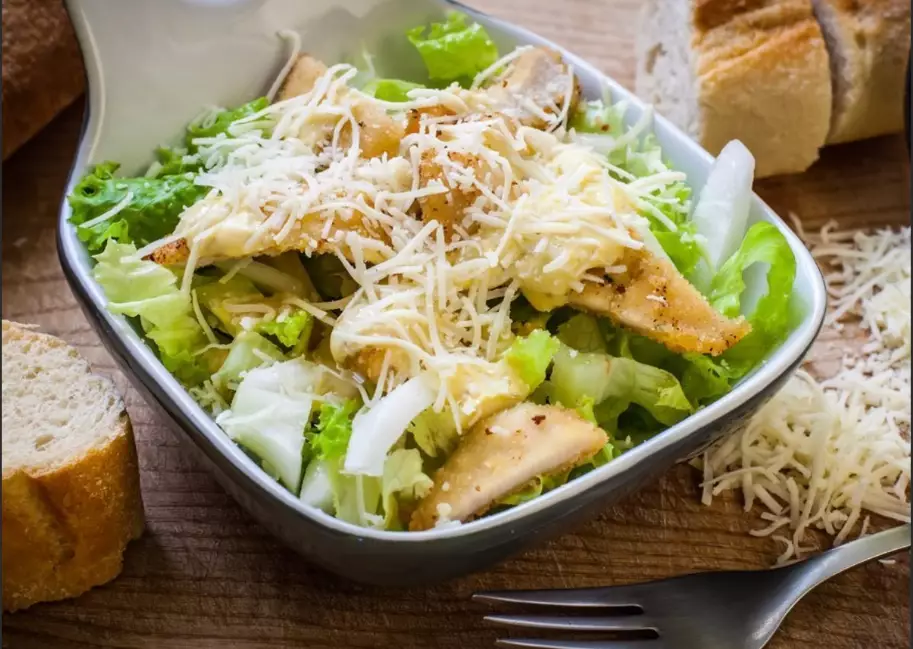
Use a whole head of romaine for volume. For protein, a 3-4 ounce portion of grilled chicken breast (~150-200 calories) or a can of drained, flaked white tuna in water (~100 calories) is perfect. This creates a filling, balanced meal.
Put it all together, and you've got a satisfying, restaurant-quality Caesar salad for 350-450 calories—less than half of what you might get dining out.
Your Caesar Salad Calorie Questions Answered
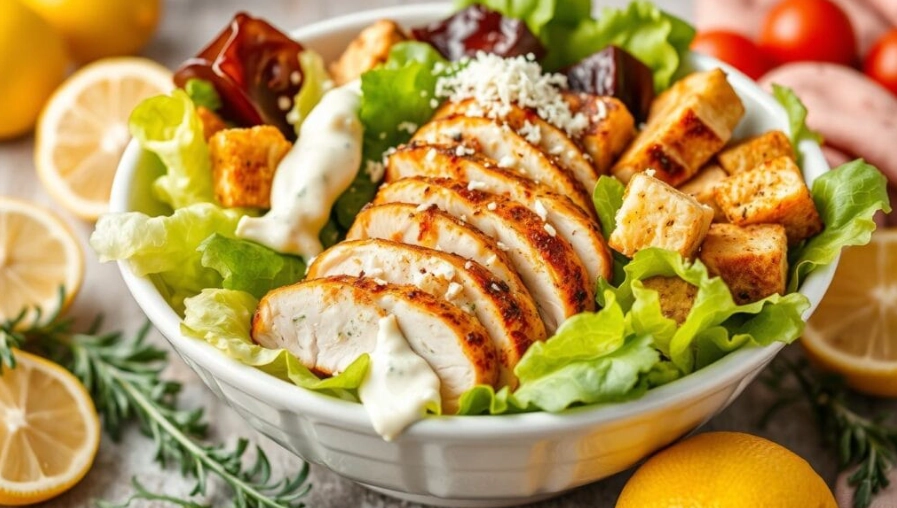 The bottom line? Don't let the word "salad" fool you. When it comes to Caesar salad calories, knowledge is power. By understanding where the calories come from and learning to make smart swaps at home, you can enjoy this classic dish without derailing your health goals. Start with that lighter dressing recipe—it's a game-changer.
Reader Comments