Blackberry season isn't a single date on the calendar—it's a sweet spot that shifts with your location and the weather. If you've ever gone picking only to find hard, red berries, you know the frustration. After years of foraging, I've learned that timing is everything. In most temperate regions, peak blackberry season falls between late June and early September, but let's dig into the details so you never miss a ripe berry again.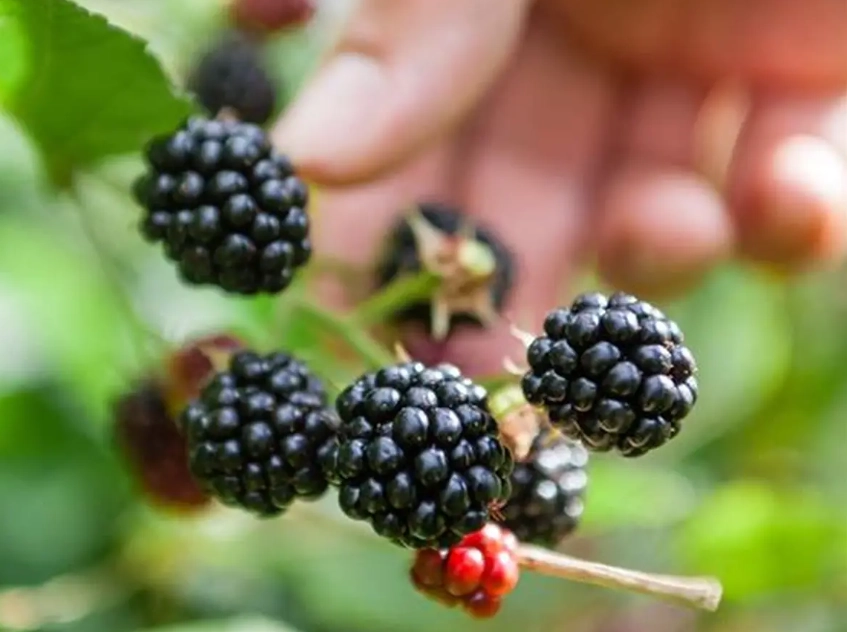
Quick Navigation: What You'll Learn
What Makes Blackberry Season Tick?
Blackberries are perennials that thrive in full sun and well-drained soil. Their ripening depends on a few key factors. Temperature is huge—a warm spring speeds things up, while a cool one delays it. I remember one year in Oregon where a cold snap pushed the season back by two weeks. Rainfall matters too; too much rain can cause mold, but drought makes berries small and bitter. Variety plays a role as well. Thornless types like 'Chester' often ripen later than wild varieties.
Here's a thing most guides don't mention: elevation. If you're in a hilly area, berries at higher spots might be ready weeks after those in valleys. I learned this the hard way by driving up a mountain for nothing.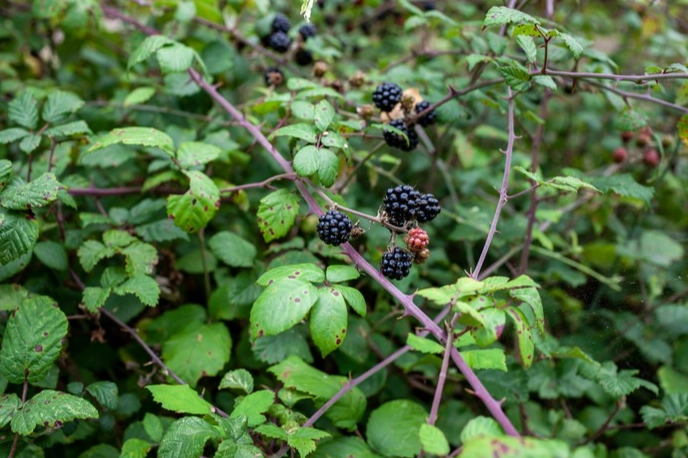
Blackberry Season Across Different Regions
Timelines vary wildly. Don't rely on generic advice—check local farms or foraging groups. Below is a rough guide based on my experience and reports from agricultural extensions like the USDA.
| Region | Typical Season Start | Peak Weeks | Notes |
|---|---|---|---|
| Pacific Northwest (e.g., Washington, Oregon) | Early July | Mid-July to August | Long season due to mild summers; wild berries abundant in forests. |
| Northeast U.S. (e.g., New York, Pennsylvania) | Late July | August | Shorter window; watch for early frosts. |
| Southern U.S. (e.g., Texas, Georgia) | Late May | June to July | Heat can shorten season; pick in early morning to avoid sun damage. |
| United Kingdom | Mid-July | August to September | Often extends into fall if weather stays mild. |
| Australia (e.g., Victoria) | December | January to February | Summer harvest; coastal areas may have later starts. |
For Europe, countries like France and Germany see peaks in August. In my travels, I've found that microclimates near rivers or urban heat islands can tweak these dates by a week. Always call ahead to u-pick farms—they know best.
North America Deep Dive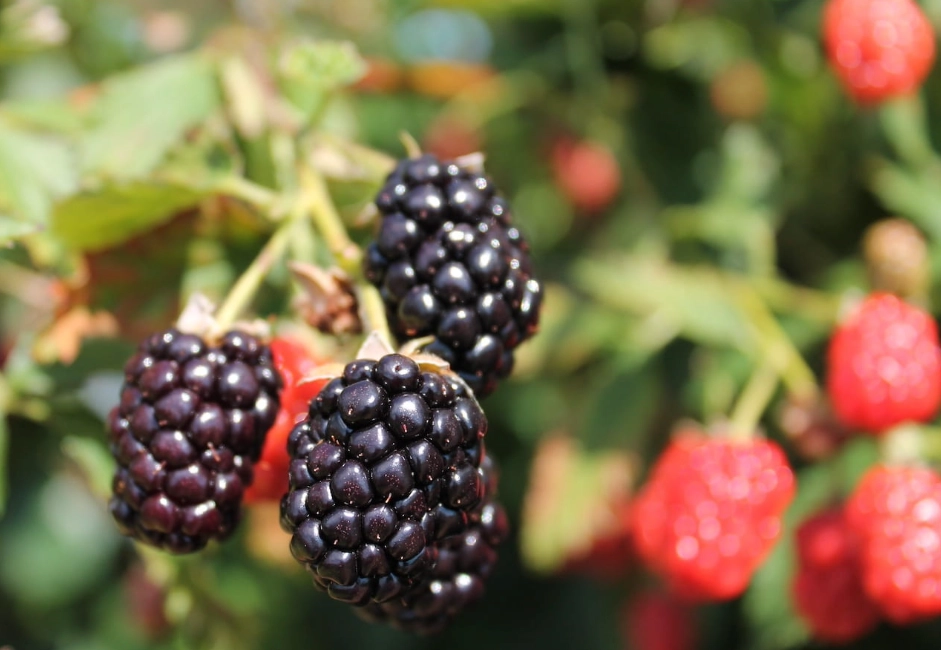
In the Midwest, say Illinois or Ohio, blackberry season kicks off around mid-July. But here's a tip: look for abandoned orchards or roadside patches. They often fruit earlier because of reflected heat from pavement. I once scored a huge haul in late June near an old railroad track.
Europe and Beyond
UK foragers swear by the "blackberry winter" myth—that berries after October are unfit. Not entirely true. I've picked decent berries in early October during a warm spell, but they're often softer. Check the BBC Gardening guides for local updates.
How to Spot Ripe Blackberries Like a Pro
Ripe blackberries are deep, glossy black. Not purple, not red—black. Give them a gentle squeeze; they should be firm but give slightly. If they're mushy, they're overripe and might ferment. The stem should detach with a light pull. If you're tugging hard, walk away. Another sign: bees. When you see bees buzzing around a patch, it's usually a good indicator that berries are sweet and ready.
I made a mistake early on: picking berries with a reddish tint, thinking they'd ripen off the vine. They don't. Blackberries are non-climacteric, meaning they stop ripening once picked. So only harvest what's fully black.
Quick Check: Hold a berry up to the light. A ripe one will have a uniform color and no greenish hues. If it looks dull, it might be past its prime.
Pro Tips for Picking Without the Pain
Blackberry thorns are no joke. I've come home with scratches that lasted days. Wear long sleeves, sturdy gloves, and closed-toe shoes. Jeans are better than shorts. Go in the late morning after dew dries—wet berries spoil faster. Bring shallow containers like baking sheets or trays. Don't pile berries deep; they crush easily.
Timing your visit matters. Weekends get crowded at popular spots. Try a weekday early in the season for the best picks. And don't be greedy—leave some for wildlife and other foragers. It's a courtesy thing.
Here's a personal ritual: I always bring a small pair of pruning shears. Sometimes, you need to snip a thorny branch to access a juicy cluster. Just be gentle and avoid damaging the plant.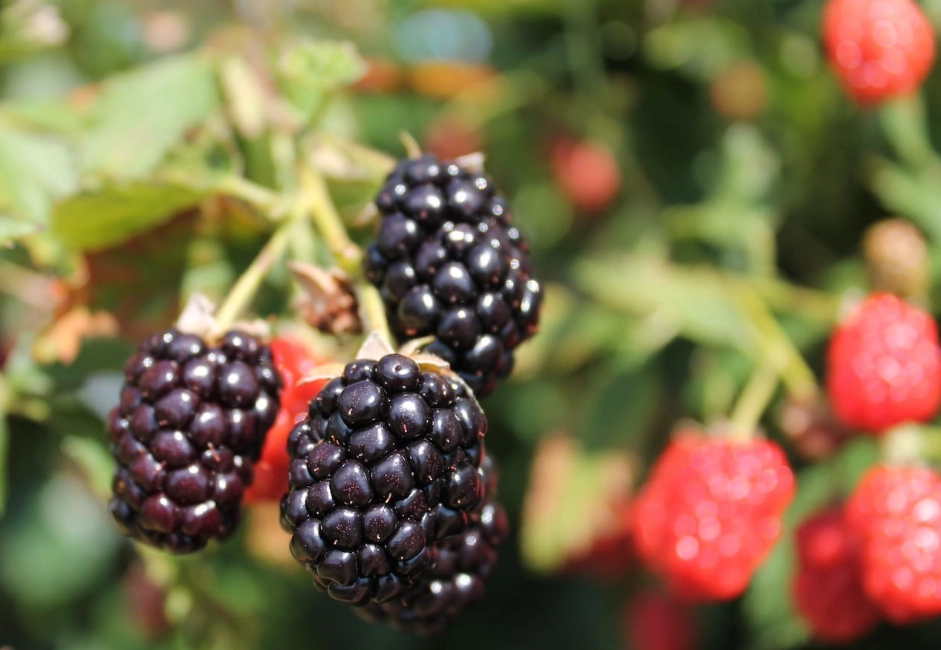
Storing and Using Your Blackberry Bounty
Once picked, don't wash berries until you're ready to use them. Moisture invites mold. Spread them on a towel in a single layer in the fridge—they'll last up to five days. For longer storage, freeze them on a baking sheet first, then transfer to bags. I've kept frozen blackberries for months without loss of flavor.
Now, what to do with them? Beyond jam and pie, try savory uses. I love adding blackberries to salads with goat cheese or reducing them into a sauce for grilled chicken. For a quick dessert, toss them with a bit of honey and yogurt.
If you're into canning, blackberry season is prime time for preserves. But a warning: homemade jam can be runny if you don't add enough pectin. I learned this after a batch turned into syrup.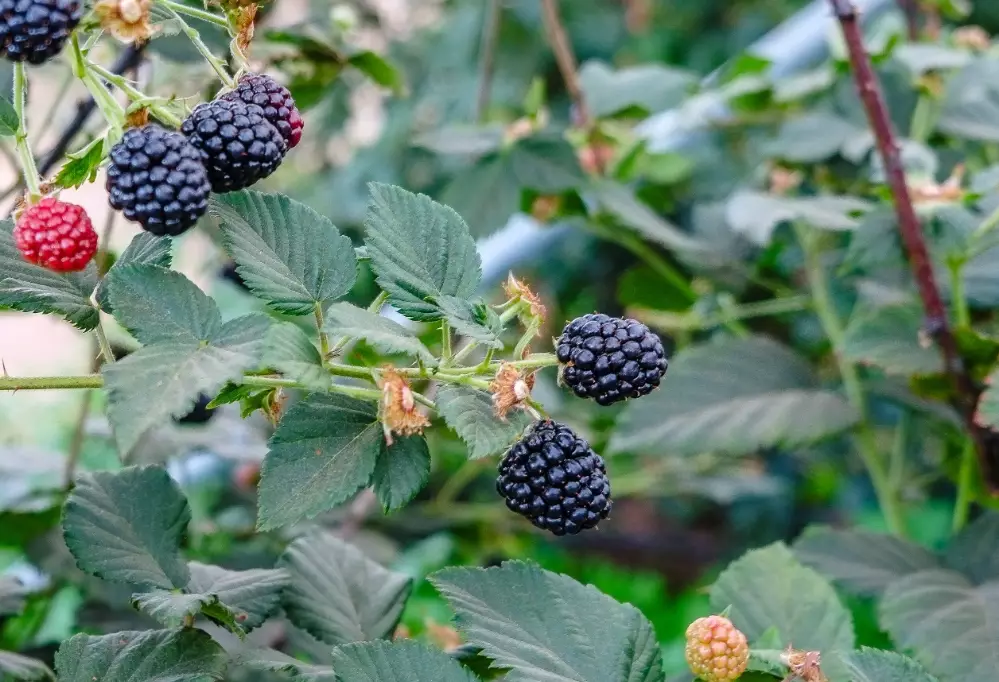
Common Mistakes and How to Dodge Them
New foragers often pick too early in the day or season. Patience pays off. Another error: ignoring weather forecasts. Rain right after picking can ruin berries if they're not dried properly. I once lost a whole bucket to mold because I stored them while damp.
Also, people forget to check for pests. Look under leaves for insects or bird droppings. I've had to toss berries because of tiny worms—not fun.
Lastly, over-harvesting. It's tempting to clear a patch, but sustainable picking ensures berries for years. Take only what you need, and avoid trampling plants.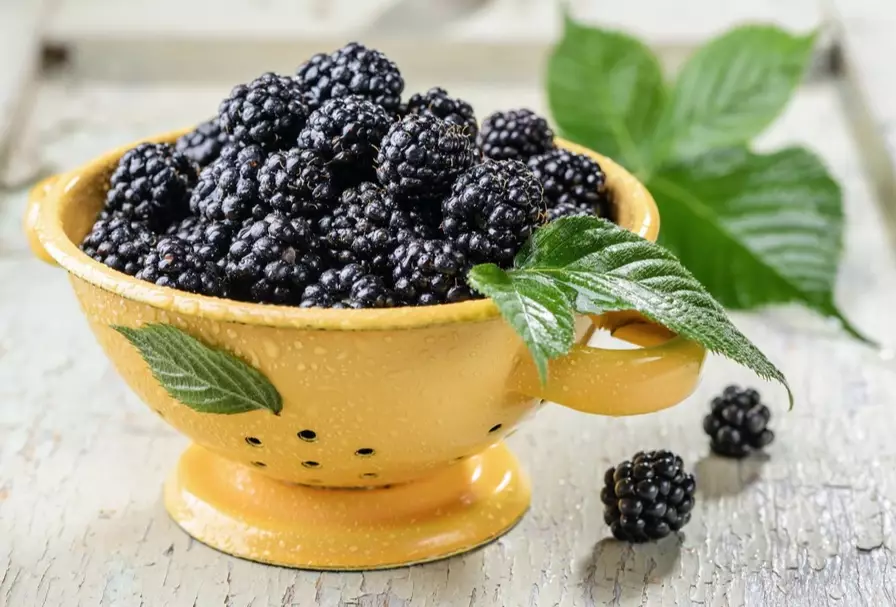
Reader Comments