Let's cut straight to the chase. The single biggest factor that decides whether your cherry pie is a triumph or a tragedy isn't your crust recipe or your oven temperature. It's the cherry. Pick the wrong one, and you're fighting an uphill battle for flavor and texture from the start. After years of testing (and a few disappointing, soupy slices), I've learned that the secret to a perfect cherry pie lies in choosing a cherry with the right balance of tartness and structure.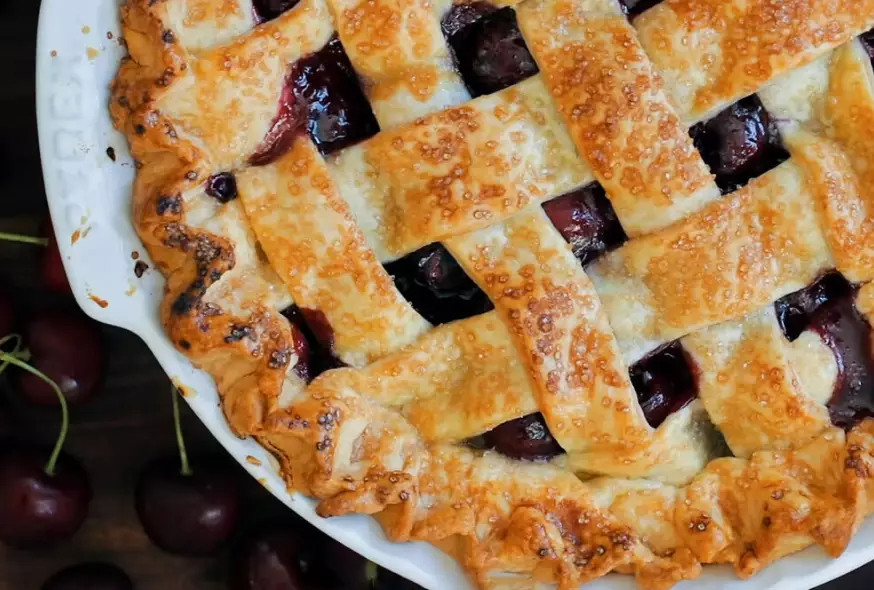
Your Quick Guide to Cherry Pie Success
The Undisputed Champion: Tart Cherries
For a classic, iconic cherry pie, tart (or sour) cherries are non-negotiable. Their higher acidity and lower water content are what pie dreams are made of. They cook down into a filling that's vibrant, complex, and—crucially—firm enough to hold a clean slice.
The two stars you need to know are Montmorency and Morello.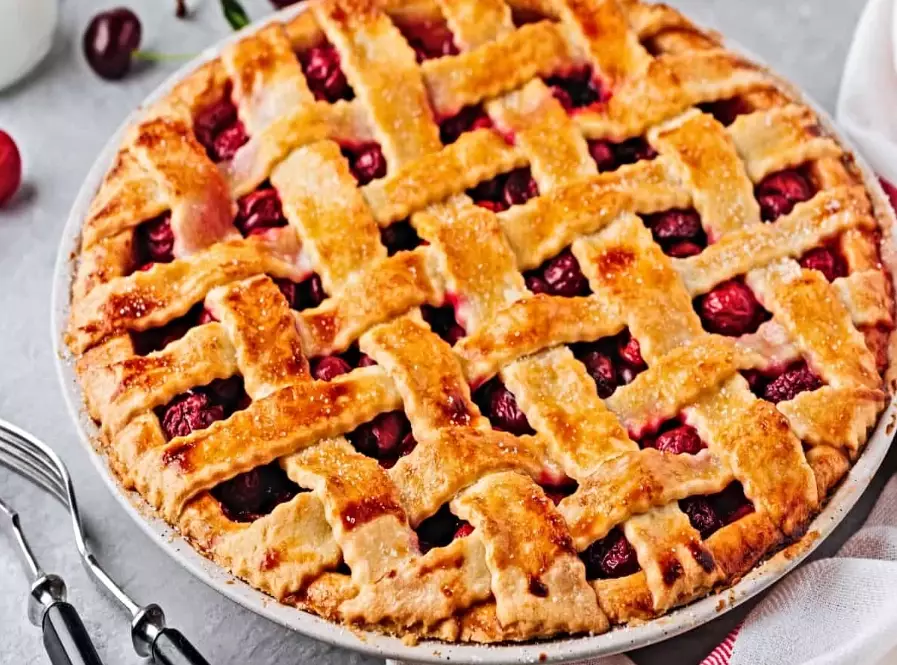
Pro Tip: Don't be fooled by color. Some sweet cherries are deep red, but it's the tart ones that pack the punch you need. Their flavor is more intense, less one-dimensionally sugary.
Montmorency: The American Pie Standard
If you're in North America and you've eaten a classic cherry pie, you've probably had Montmorency. They're bright red, juicy, and have that perfect lip-puckering tang. Nearly all the "tart cherries" sold frozen in supermarkets are Montmorency. They're reliable, widely available, and give you exactly the flavor profile you're expecting.
I once made two pies side-by-side: one with fresh Montmorency I sourced from a Michigan farm (shipped overnight) and one with a high-quality frozen bag. The fresh had a slightly brighter top note, but the frozen was 95% as good and a thousand times more convenient. For most of us, frozen Montmorency is the practical champion.
Morello: The European Contender
Morello cherries are darker, almost black-red, and their flavor is deeper and more wine-like. They're common in European baking and are often sold jarred in light syrup. If you're going for a richer, more decadent pie, seek them out. You can find them in specialty stores or online. Drain and rinse them well if using jarred, and adjust your sugar down since they're packed in syrup.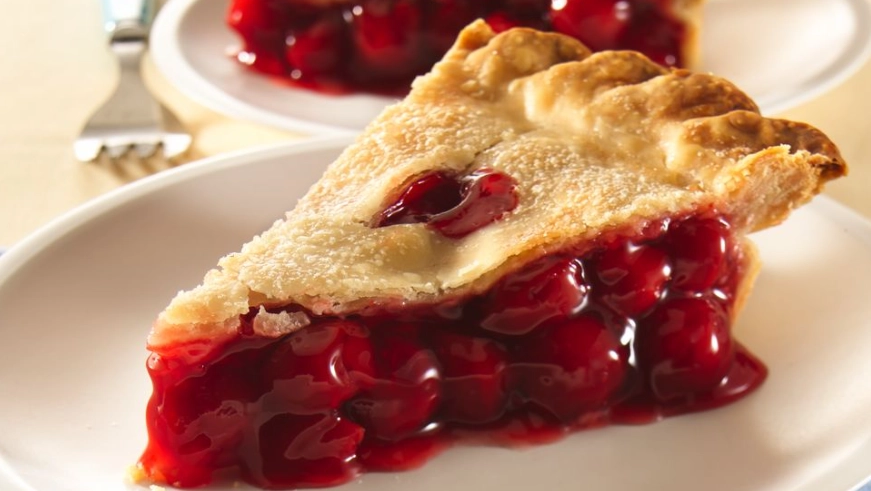
| Cherry Type | Best For | Flavor Profile | Texture When Cooked | Availability |
|---|---|---|---|---|
| Montmorency (Tart) | Classic American cherry pie | Bright, tangy, balanced | Firm, holds shape well | Excellent (fresh in season, frozen year-round) |
| Morello (Tart) | Deep, rich, complex pies | Deep, wine-like, intense | Soft but structured | Good (jarred, sometimes frozen) |
| Bing (Sweet) | Eating fresh, salads | Very sweet, mild | Can become mushy | Excellent (fresh in summer) |
| Rainier (Sweet) | Showstopper fresh desserts | Super sweet, delicate honey notes | Very soft, can disintegrate | Seasonal (fresh) |
Can Sweet Cherries Work? The Honest Truth
You have a bag of beautiful, plump Bing cherries from the farmer's market. Can you use them? Technically, yes. Should you? That depends.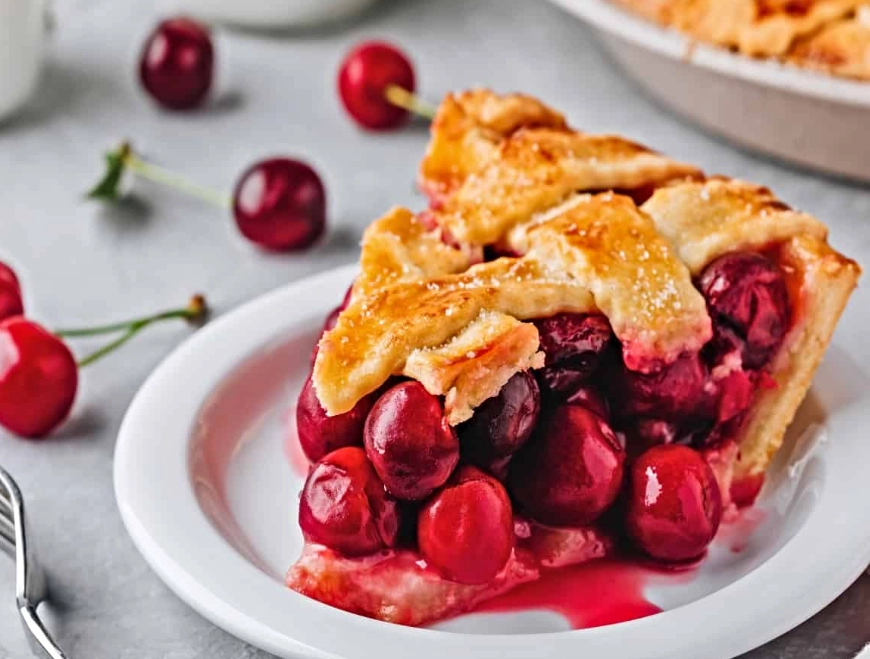
Sweet cherries (Bing, Rainier, Lapins) lack the necessary acidity. A pie filling is a balancing act between fruit, sugar, and thickener. Without that acid to cut through, the pie can taste flat and cloying. More importantly, their cell structure is different. They release more water and tend to cook down into a softer, sometimes mushy, consistency. You won't get those distinct, tender-yet-intact cherry pieces.
If you're determined to use sweet cherries:
- Add acid: A big splash of lemon juice or even a teaspoon of balsamic vinegar is mandatory.
- Use a sturdy thickener: Instant tapioca or a cornstarch-arrowroot blend works better than flour.
- Pre-cook the filling: Don't add raw sweet cherries to a crust. Cook them down with the thickener first to drive off excess moisture.
It can make a delicious dessert, but it will be a different beast than the tart cherry pie you might be craving.
Finding and Buying the Best Cherries
Here’s the real-world guide to sourcing.
Fresh vs. Frozen vs. Canned vs. Jarred
Frozen Tart Cherries: The home baker's best friend. They're pitted, available year-round, and are typically flash-frozen at peak ripeness. The quality is consistently high. Look for bags with no added sugar. Thaw in a colander over a bowl to catch the juice—you can use that juice in the filling!
Fresh Tart Cherries: A seasonal treasure. You'll find them at farmers' markets or farms in July (in the Northern Hemisphere). They require pitting, but the flavor is phenomenal. Buy a few extra pounds and freeze them yourself on a baking sheet before bagging.
Canned Cherry Pie Filling: I avoid it. The texture is often gloopy, the flavor artificial, and the cherries are usually a vague, mushy afterthought. You're better than that.
Jarred Morello Cherries: A fantastic pantry staple. Just remember to drain, rinse, and adjust sugar. They're a reliable shortcut to a gourmet pie.
From Pit to Pie: Prepping the Perfect Filling
You've got your cherries. Now what?
The Pitting Problem (Solved)
If you're using fresh, you need to pit. A dedicated cherry pitter is great for large batches. The handheld clamp-style ones work fine. But here's a hack I use: a sturdy metal straw or the blunt end of a chopstick. Place the cherry over a bowl, push through the stem end, and the pit pops out the bottom. It's messy but effective.
Watch Out: Wear an apron! Cherry juice stains. Do your pitting over the bowl you'll mix your filling in to catch every drop of precious juice.
The Thickener Debate
This is where pies fail. You need something to bind the juices.
- Cornstarch: Creates a clear, glossy filling but can break down if over-mixed or frozen/thawed. It needs a full boil to activate.
- Instant Tapioca: My personal favorite for cherry pie. It gives a clear set with a pleasing texture and holds up better to longer bakes. Grind it in a spice grinder for a few seconds if you don't want visible pearls.
- Flour: Creates a cloudy, pasty filling. I don't recommend it for a pristine cherry pie.
A good starting ratio: For 4-5 cups of pitted tart cherries, use 3/4 cup to 1 cup of sugar and 1/4 cup of instant tapioca or cornstarch. Always mix your thickener with the sugar first to prevent clumps.
Beyond the Fruit: Expert Tips & Tricks
Little things make a big difference.
Pre-cook Your Filling: Don't dump raw cherries into a crust. Cook the cherries, sugar, thickener, and a pinch of salt in a saucepan until thickened and bubbling. Let it cool slightly before filling the pie. This ensures your thickener activates and you don't get a soggy bottom.
Flavor Boosters: A scraped vanilla bean, a drop of almond extract (careful, it's potent), or a tablespoon of bourbon can elevate your pie to new heights.
The Bottom Crust Shield: To prevent sogginess, brush your bottom crust with a thin layer of beaten egg white before adding the filling. It creates a barrier.
Bake Hot, Then Cool: Start at a high temperature (425°F/220°C) for 20 minutes to set the crust, then reduce to 375°F/190°C to cook through. Let the pie cool completely—for at least 4 hours—before slicing. This is the hardest but most important step. Cutting into a warm pie guarantees a runny mess.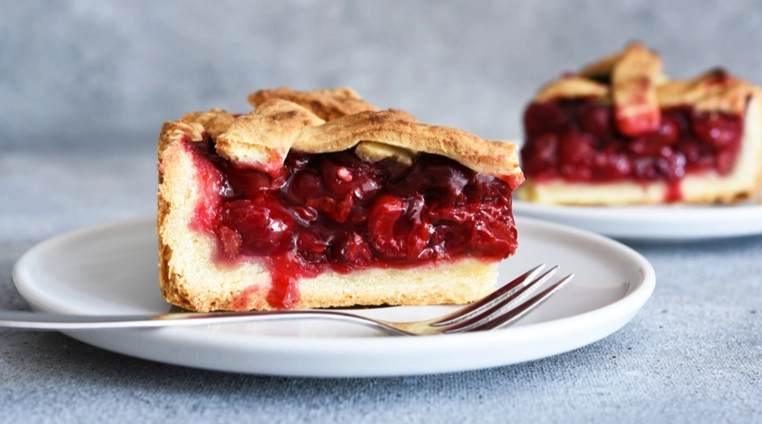
Your Cherry Pie Questions, Answered
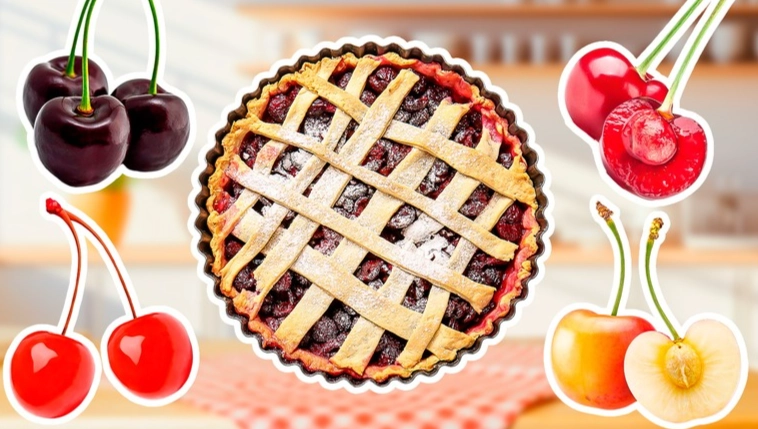 The journey to the perfect cherry pie starts in the orchard, not the oven. By choosing the right cherry—a firm, tart variety like Montmorency—you set a foundation that's almost impossible to ruin. Pair it with a robust thickener like tapioca, have the patience to pre-cook your filling and let the pie cool, and you're not just baking a dessert. You're creating a slice of summer, perfectly captured in a crust.
Reader Comments