Jump Straight to What Matters
Plum red flesh isn't just a pretty color—it's a flavor powerhouse that most home cooks waste. I learned this the hard way after years of bland plum jams and soggy tarts. In this guide, I'll cut through the noise and show you exactly how to harness that vibrant red flesh for summer dishes that impress. Forget generic advice; we're diving into specifics, from market stalls to your plate.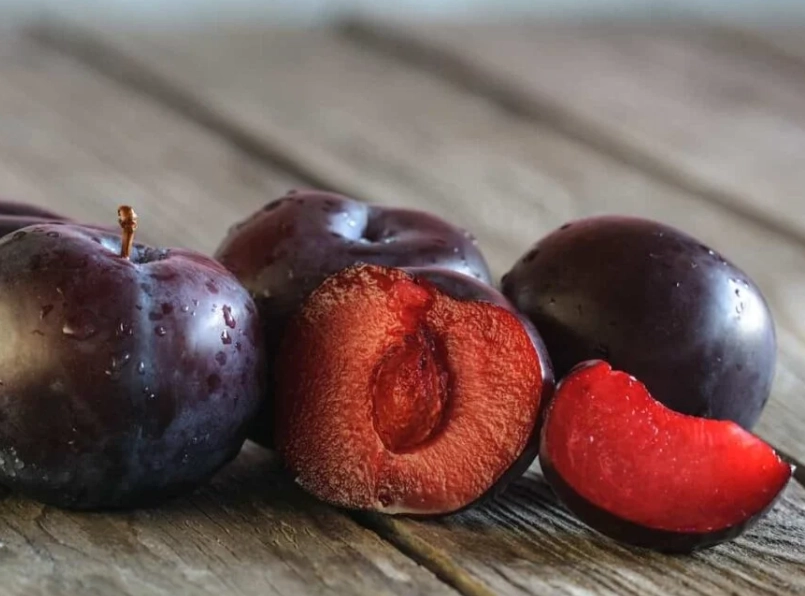
What Plum Red Flesh Really Means
When you slice open a plum and see red flesh, it's not a single variety. It's a trait found in types like 'Santa Rosa', 'Satsuma', or 'Black Amber'. These plums often have a tangy-sweet balance that green or yellow-fleshed ones lack. The red comes from anthocyanins, the same antioxidants in berries. But here's the kicker: color intensity doesn't always predict taste. I've bought deep red plums that were disappointingly bland, while some lighter ones burst with flavor. It's about ripeness and growing conditions, not just looks.
Why does this matter? If you're making a salad, a firmer red-fleshed plum adds crunch. For sauces, a juicier one blends smoother. Most recipes online don't specify, leading to inconsistent results. Let's fix that.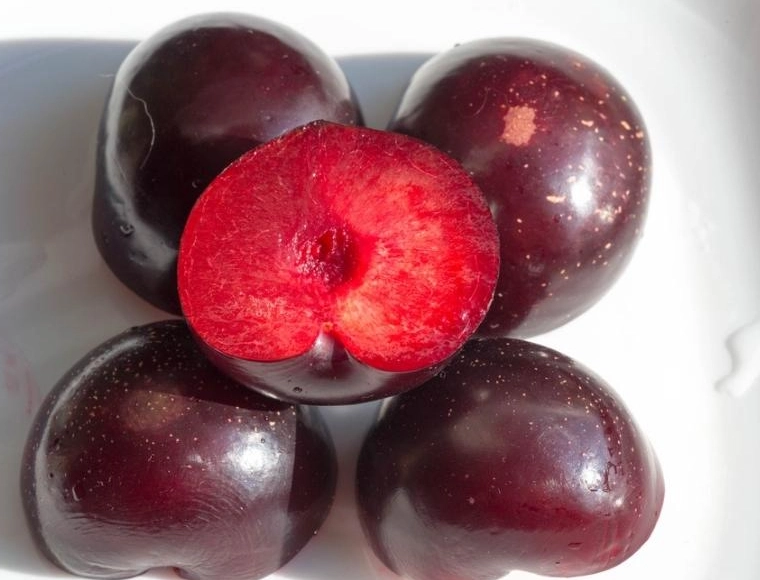
How to Pick the Perfect Red-Fleshed Plums
Standing at the grocery store, how do you choose? I used to go by color alone and ended up with plums as hard as rocks. Here's my field-tested method:
- Look for a blush: The skin should have a reddish-purple hue with a slight give when gently pressed. Avoid any with brown spots or wrinkles—they're past prime.
- Smell the stem end: A sweet, fruity aroma means ripeness. No smell? It was picked too early and won't sweeten much.
- Check the weight: Heavier plums for their size are juicier. Light ones might be dry inside.
Season matters too. In the Northern Hemisphere, peak time is July to September. I once bought plums in April from Chile—they looked great but tasted like cardboard. Local summer plums always win.
Storage is simple: keep unripe plums at room temperature until they soften, then refrigerate in a paper bag for up to five days. Don't pile them up; they bruise easily.
3 Summer Recipes You'll Actually Make
These aren't fancy chef creations—they're weeknight-friendly dishes I make regularly. Each leverages plum red flesh differently.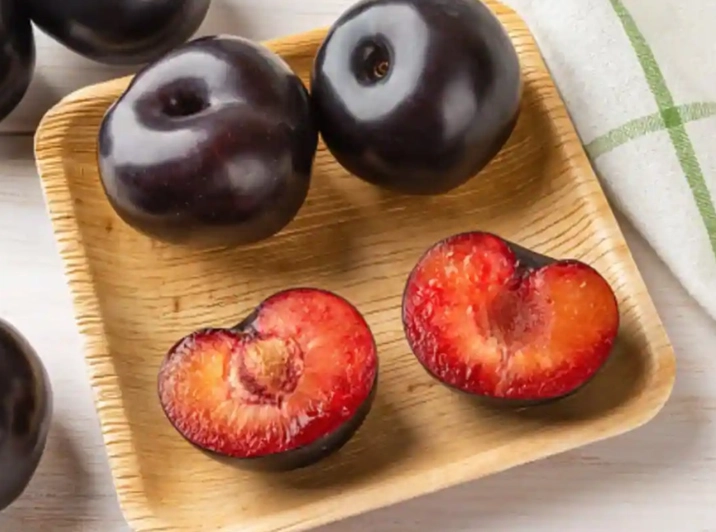
1. No-Cook Plum Red Flesh Salsa
Why it works: Raw red flesh adds a crisp texture that holds up against acids. Dice two ripe red-fleshed plums (about 1 cup), mix with half a diced red onion, a chopped jalapeño, cilantro, lime juice, and salt. Let it sit for 10 minutes. Serve with grilled chicken or chips. The plums shouldn't be too soft, or it becomes watery.
2. Simple Roasted Plum Red Flesh Compote
My go-to for yogurt or oatmeal: Halve 4 plums, remove pits, and toss with a tablespoon of honey and a pinch of cinnamon. Roast at 375°F (190°C) for 20 minutes until bubbling. The red flesh caramelizes into a jam-like consistency without added pectin. I skip sugar—the natural sweetness shines.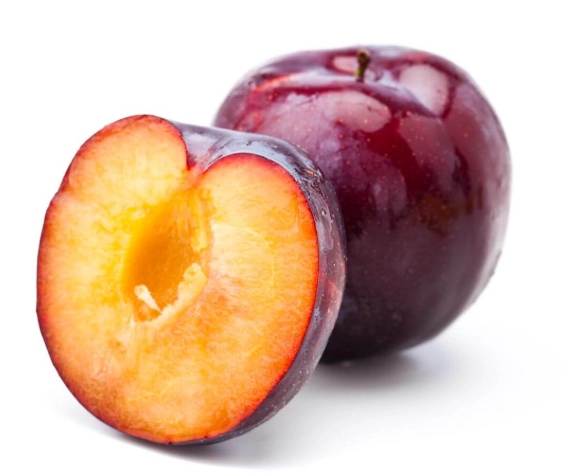
3. Grilled Plum Red Flesh Skewers
Perfect for BBQs: Thread plum wedges onto skewers with halloumi cheese and bell peppers. Grill for 3-4 minutes per side. The red flesh firms up slightly, adding a smoky sweetness. I learned to oil the grill grates well; otherwise, the plums stick and tear.
Each recipe uses under 30 minutes of active time. No obscure ingredients—just the plums and pantry staples.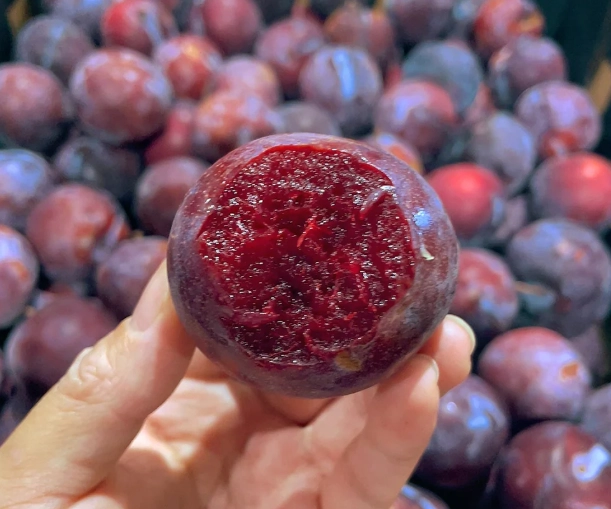
Why Your Body Loves Red-Fleshed Plums
Beyond taste, plum red flesh packs a nutritional punch. According to the USDA FoodData Central, plums are rich in vitamin C, fiber, and potassium. The red hue signals anthocyanins, which studies link to reduced inflammation. But here's what most sites miss: cooking affects this. Heat can degrade some vitamins, but anthocyanins in red flesh are relatively stable. My advice? Mix raw and cooked plums to maximize benefits.
| Nutrient | Per 100g Raw Red-Fleshed Plum | Key Benefit |
|---|---|---|
| Vitamin C | 9.5 mg | Boosts immunity, skin health |
| Fiber | 1.4 g | Aids digestion, keeps you full |
| Potassium | 157 mg | Regulates blood pressure |
| Anthocyanins | Varies by variety | Antioxidant properties |
I don't buy into superfood hype, but adding a few red-fleshed plums to your summer diet is an easy win. They're low in calories—about 46 per plum—making them a smart snack.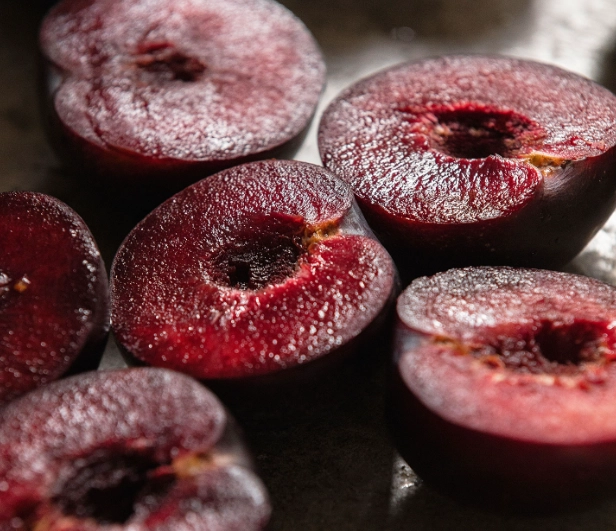
Mistakes I've Made (So You Don't Have To)
We all mess up. I once made a plum tart where the red flesh turned brown and mushy. Why? I overmixed the batter, releasing too much moisture. Here are subtle errors even experienced cooks make:
- Using overripe plums for baking: They release water and sog your crust. Slightly underripe plums hold shape better.
- Not pitting properly: The pit near the red flesh can leave bitter traces. Cut along the seam and twist halves apart—don't just chop randomly.
- Ignoring acidity: Red-fleshed plums vary in tartness. Taste before adding sugar to recipes. I've ended up with cloying jams by assuming they're all sweet.
Another thing: many recipes call for peeling plums, but with red flesh, the skin adds color and fiber. Skip the extra work unless you're making a super-smooth puree.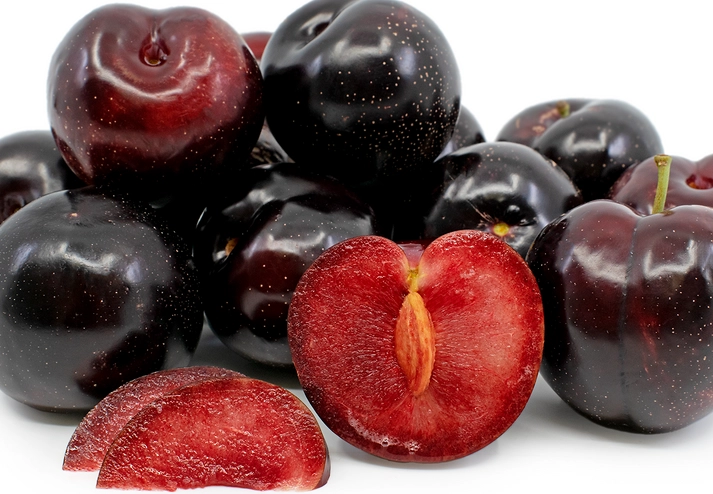
Chef-Answered FAQs
That's the lowdown on plum red flesh. It's not rocket science—just a matter of picking right and cooking smart. Next time you see those red-fleshed gems at the market, grab a few and experiment. Your summer meals will thank you.
Reader Comments