You love a good Caesar salad. That creamy, garlicky, salty-umami punch is hard to beat. But then the question hits you, right as you're about to dig in or pour dressing from a bottle: how many calories are actually in this stuff? The answer isn't simple, and that's the problem. A "serving" from a chain restaurant can clock in over 300 calories, while a tablespoon from a bottle might be 80. Which one is real? What's the difference? And more importantly, can you still enjoy it without derailing your day?
Let's cut through the confusion. I've spent years tweaking recipes and reading nutrition labels, and the calorie count in Caesar dressing is one of the most variable in the condiment world. It all comes down to one thing: the base.
What's Inside?
The Calorie Breakdown: Restaurant vs. Bottled vs. Homemade
Think of Caesar dressing calories on a spectrum. On one end, you have the indulgent, traditional preparation. On the other, the diet-friendly, often gum-thickened versions. Most of us eat something in the middle without realizing where it falls.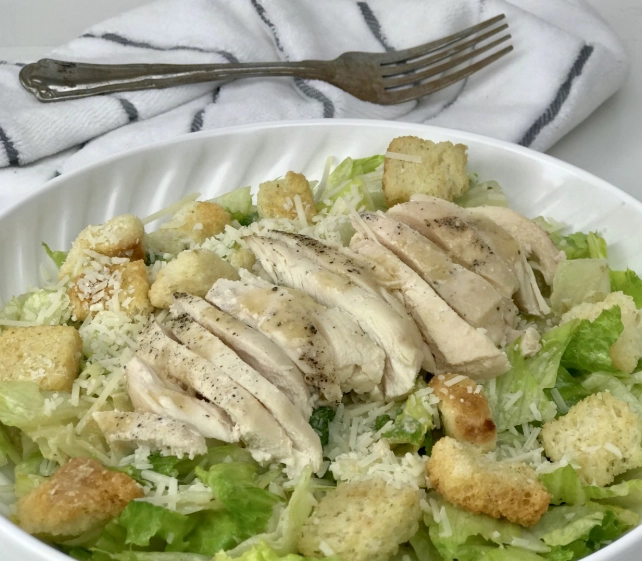
| Source | Typical Serving Size | Estimated Calories | Key Characteristics |
|---|---|---|---|
| Fine Dining / Steakhouse | ~3 tbsp (45ml) on a side salad | 250 - 350+ | Made tableside or in-house with raw egg yolk, high-quality olive oil, generous Parmesan. Rich and unapologetic. |
| Casual Chain Restaurant | Dressing for an entrée salad (often 4-5 tbsp) | 300 - 450 | Often uses a pre-made, mayonnaise-heavy base. Portions are large and dressing is frequently tossed to coat every leaf, maximizing coverage (and calories). |
| Standard Bottled (e.g., Kraft, Wish-Bone) | 2 tbsp (30ml) | 140 - 180 | Mayonnaise and oil base, but often includes water, sugar, and stabilizers. A consistent, shelf-stable option. |
| "Light" or "Reduced Fat" Bottled | 2 tbsp (30ml) | 60 - 100 | Water is the first ingredient. Relies on thickeners (xanthan gum, starch) to mimic creaminess. Flavor can be tangy or artificial. |
| Homemade (Classic Recipe) | 2 tbsp (30ml) | 160 - 220 | You control the oil and cheese. Calories depend entirely on your hand with the pour. A great middle ground. |
See the huge range? The restaurant numbers are staggering. I once asked for dressing on the side at a popular bistro and got a ramekin that must have held a quarter cup. That single ramekin was likely my entire meal's calorie allowance.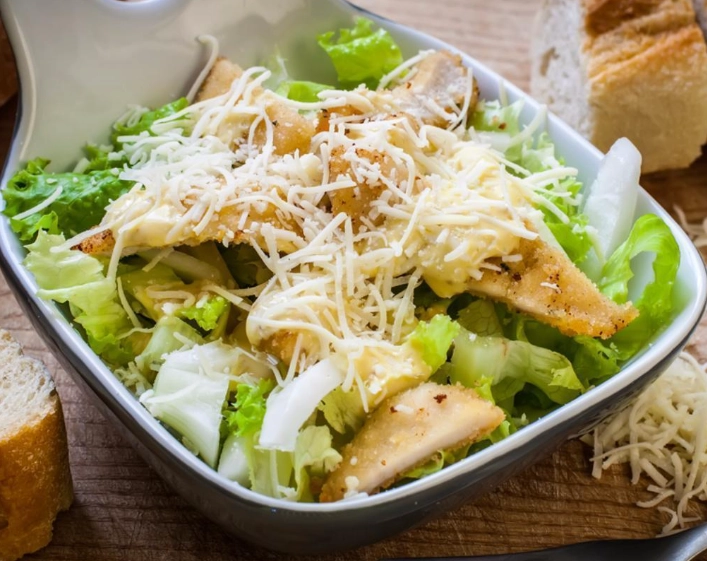
The bottled versions seem better, but there's a catch. The serving size on the label (2 tbsp) is often much less than what people actually use. Who measures salad dressing? We pour. That "140-calorie" serving can easily double if you're not careful.
The Biggest Source of Calories (It's Not What You Think)
Most people blame the cheese or the egg. Nope. It's the oil.
Whether it's the soybean oil in the commercial mayonnaise or the cup of olive oil you slowly drizzle into egg yolks for a classic emulsion, oil is pure fat at 120 calories per tablespoon. A traditional recipe might use 3/4 to 1 cup of oil for a batch that yields about 1.5 cups of dressing. Do the math – the oil alone contributes the vast majority of the calories.
Anchovies and Parmesan are flavor powerhouses, but they're not the calorie villains here. A teaspoon of anchovy paste is negligible. An ounce of Parmesan (a lot for a batch of dressing) is about 110 calories, and that ounce gets divided across many servings.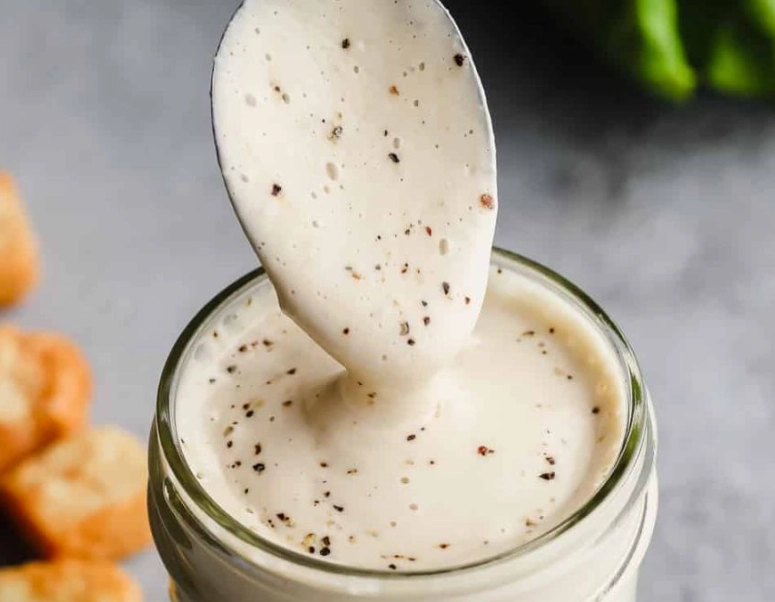
This is actually good news. It means if you want to reduce calories, you have a clear target: the fat content. You don't need to eliminate the cheese or the anchovy—the soul of the dressing. You just need to find a smarter base.
Pro Tip I Learned the Hard Way: When a recipe says "slowly drizzle in oil," it's not just for emulsion. It's a portion control mechanism. Drizzling makes you conscious of how much you're adding. Dumping it in all at once is a surefire way to end up with an oil slick masquerading as dressing.
How to Make a Low-Calorie Caesar Dressing That Actually Tastes Good
Forget the sad, watery "light" bottles. The secret to a great lower-calorie Caesar is to replace some of the oil with something that provides creaminess and tang, not just water. My go-to is plain Greek yogurt. It has protein, thickness, and a pleasant sharpness.
Here's my workhorse recipe. It makes about 1 cup, and a 2-tablespoon serving comes in around 45-55 calories. Seriously.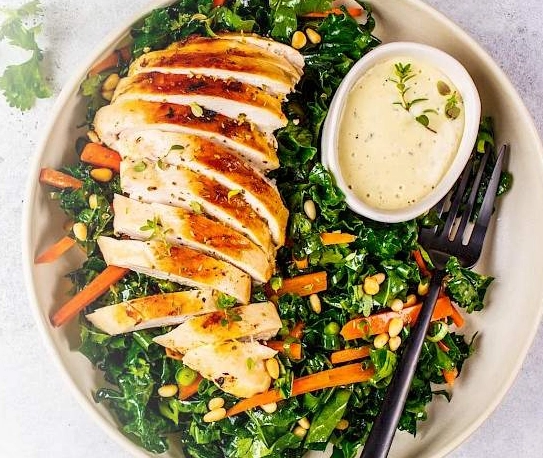
The "No-Compromise" Lower-Calorie Caesar Dressing
Ingredients:
- 3/4 cup (180g) plain non-fat Greek yogurt
- 2-3 cloves garlic, minced or pressed (I use 3, I love garlic)
- 2 tbsp fresh lemon juice
- 1 tbsp red wine vinegar or white wine vinegar
- 1-2 tsp anchovy paste (Start with 1, taste, add more. DON'T skip this.)
- 1 tsp Dijon mustard
- 1/2 tsp Worcestershire sauce
- 1/4 cup (about 20g) finely grated Parmesan cheese
- 2 tbsp water (to adjust consistency)
- 1 tbsp extra virgin olive oil (for finishing flavor)
- Freshly ground black pepper
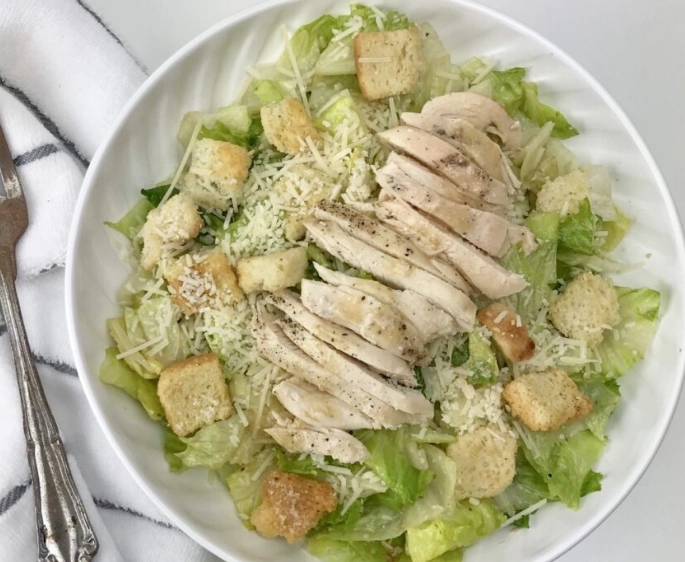
Method:
Whisk everything except the water and olive oil together in a bowl until smooth. It will be thick. Whisk in water a tablespoon at a time until it reaches a pourable but still creamy consistency. Now, whisk in the single tablespoon of olive oil. This last step is crucial—that oil isn't for bulk, it's for the rich, round mouthfeel and flavor that fat provides. Taste. Need more salt? (The Parmesan and anchovy add plenty). More tang? A splash more lemon. Let it sit in the fridge for at least 30 minutes; the flavors meld beautifully.
This dressing clings to lettuce, has the signature garlic-anchovy-Parmesan flavor, and saves you hundreds of calories per salad. The yogurt base is also packed with protein, which makes your salad more filling.
Making Smart Choices at the Store & Restaurant
You can't always make your own. Here's how to navigate.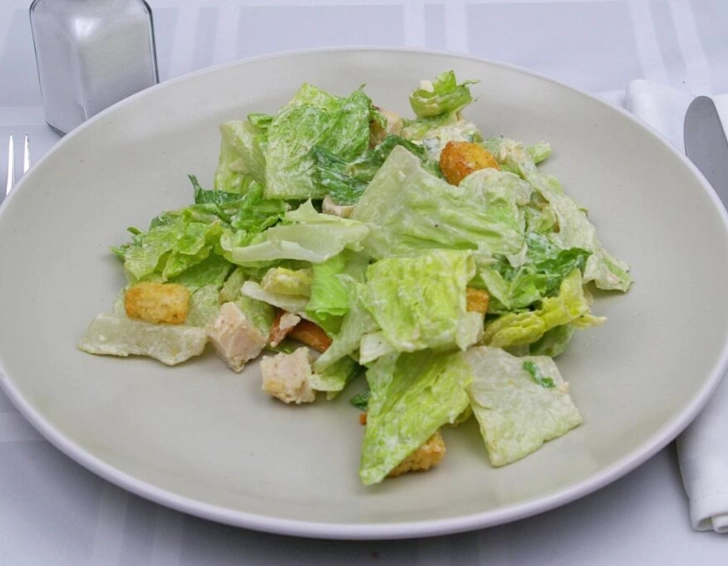
At the Grocery Store:
Turn the bottle around. Look at the serving size and calories per serving. Then, scan the ingredients. If water is the first ingredient, expect a thinner, more acidic dressing. If oil is first, it'll be richer and higher-calorie. My personal strategy? I buy a regular, full-flavored bottled Caesar with a decent ingredient list (like Brianna's or Newman's Own). Then, I extend it. I'll mix 2 tablespoons of the bottled stuff with 2 tablespoons of non-fat Greek yogurt or even a little buttermilk. You double the volume, cut the calories per tablespoon nearly in half, and keep great flavor.
At a Restaurant:
This is where you save the most. Always, always get the dressing on the side. Not next to the salad—on the side in a separate container. Then, use the fork-dip method: dip the tines of your fork into the dressing, then spear a bite of salad. You get flavor in every bite without drowning the greens. You'll use about a quarter of what they give you.
Ask how the dressing is made. If they say "house-made," it's likely the higher-calorie, traditional style. Be extra vigilant with portion control. If it comes from a gallon jug, it's probably closer to the bottled nutrition facts.
Finally, remember that the salad itself matters. A Caesar topped with grilled chicken is a meal. A Caesar loaded with fried chicken strips, extra bacon, and giant Parmesan crisp on top is a calorie bomb, and the dressing is just one part of that equation.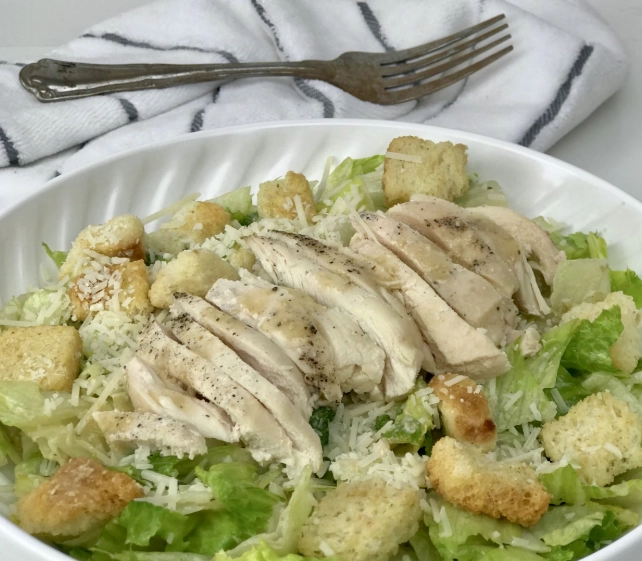
So, how many calories are in Caesar dressing? It's a question with a range of answers, from 50 to 150 per tablespoon. The power is in knowing what creates those calories and how to adjust the dial. You don't have to give up the flavor. With a simple homemade swap or smarter ordering tactics, you can keep the Caesar in your life without the calorie shock.
Reader Comments