I remember the first time it happened. I was making a salad, proudly using cucumbers from my own backyard. I took a bite of a fresh slice and—wow. It wasn't crisp and refreshing. It was harsh, medicinal, and completely ruined my lunch. That nasty, lingering bitterness is a letdown every gardener and cook dreads. But it's not random bad luck. There's a clear, fascinating reason why cucumbers turn bitter, and more importantly, how you can almost always prevent it.
Quick Navigation
The Science Behind the Bitterness
That offensive taste comes from a group of natural compounds called cucurbitacins. Think of them as the cucumber plant's built-in chemical defense system. They're meant to deter insects and animals from munching on the leaves and fruit.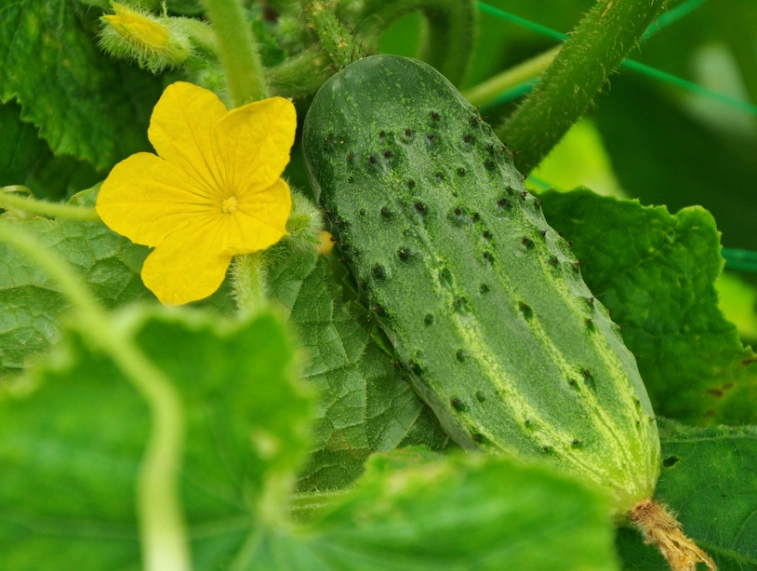
All cucumber plants have the genes to produce cucurbitacins, primarily in the leaves, stems, and roots. In modern varieties bred for eating, these genes are largely suppressed in the fruit itself. The bitterness stays in the vine where it belongs. The problem starts when the plant gets stressed. Under stress, that suppression fails, and the cucurbitacins travel into the developing fruit.
Here's the crucial part most guides gloss over: the bitterness isn't evenly distributed. It concentrates at the stem end (where it was attached to the vine) and just under the skin. The blossom end and the inner flesh are often much milder. This is key for salvage operations later.
Plant Stress Triggers: What exactly stresses a cucumber plant into producing bitter fruit? It's usually a combination of factors, not just one bad day.
- Inconsistent Watering: This is the biggest offender. Letting the soil dry out completely, then flooding it, sends the plant into panic mode.
- Extreme Temperatures: Prolonged periods of heat above 90°F (32°C) or unexpected cold snaps.
- Poor Soil Nutrition: Not just lack of fertilizer, but an imbalance. Too much nitrogen can promote leafy growth at the expense of healthy fruit, increasing stress.
- Lack of Sunlight: While they need sun, intense, scorching sun without relief can be a trigger.
How to Identify a Bitter Cucumber Before You Cut
You can't always tell from the outside, but there are clues. Relying solely on appearance is a common mistake. I've had perfectly gorgeous, dark green cucumbers that tasted terrible, and slightly misshapen ones that were sweet as can be.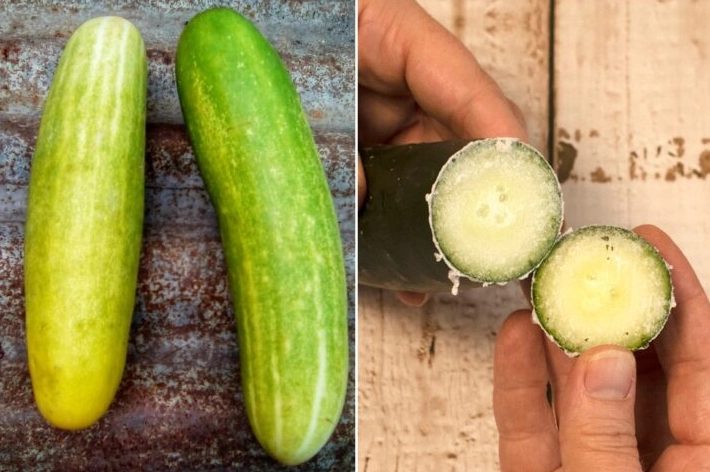
| Potential Sign | What to Look For | How Reliable Is It? |
|---|---|---|
| Skin Color & Texture | Dull, yellowish, or overly thick, tough skin. | Moderate. Often indicates an over-mature or stressed fruit, which increases the chance of bitterness. |
| Shape | Severely curved, pinched, or stunted fruit. | Low to Moderate. Irregular shape often points to pollination issues or minor stress, not guaranteed bitterness. |
| The "Taste Test" Trick | Gently scrape the skin at the stem end with your fingernail and taste the tiny bit of green. | Very High. If that tiny speck is bitter, the whole cucumber likely is. This is the most reliable pre-cut method. |
| Growing Conditions | Did you have a heatwave? Forget to water? | High. Context matters. Cucumbers from a known stressful period are higher risk. |
The fingernail test is a game-changer. It takes two seconds and saves you from ruining a whole salad.
Your Action Plan: How to Prevent Bitter Cucumbers
Prevention is entirely in your hands, whether you're a gardener or a shopper. Let's break it down.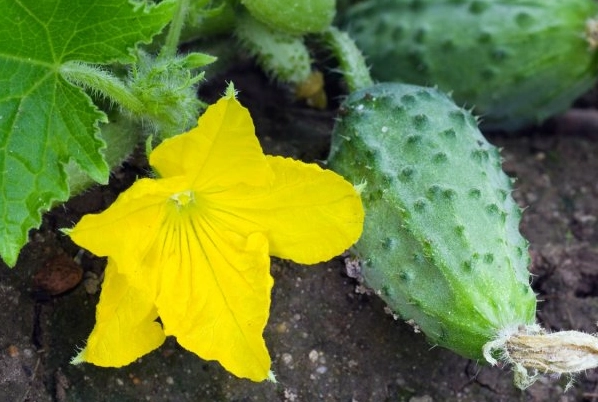
For Gardeners: Stress-Free Growing
The goal is consistent, happy plants.
Watering is Non-Negotiable. Cucumbers are about 95% water. They need deep, regular watering. Aim for at least 1 inch per week, more during hot, dry spells. Use a soaker hose or drip irrigation at the base to keep leaves dry and deliver water directly to the roots. Mulching heavily with straw or shredded leaves keeps soil moisture even and cool.
Choose the Right Variety. This is where you can stack the deck in your favor. Some older heirloom varieties are more prone to bitterness. Modern hybrids are often bred for "bitter-free" or "burpless" traits, which means they have genetic resistance to producing cucurbitacins in the fruit under stress. Look for seeds or starts labeled as such.
Feed Them Right. Use a balanced, slow-release fertilizer when planting. Avoid high-nitrogen formulas once flowering begins; switch to a fertilizer higher in phosphorus and potassium to support fruit development.
Harvest on Time. Don't let cucumbers turn into giant yellow monsters on the vine. Over-maturity stresses the plant and the fruit. Check plants every other day during peak season.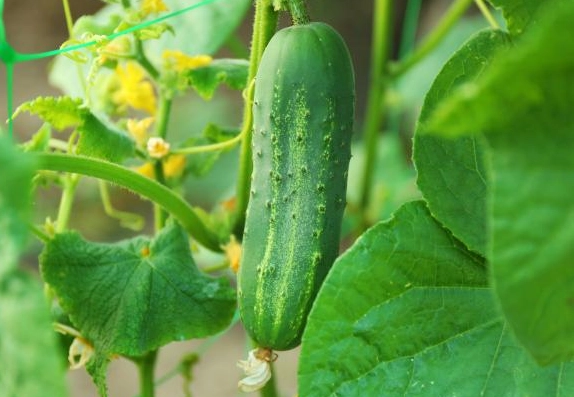
For Shoppers: Smart Selection at the Store
You can't control the farm, but you can be a savvy buyer.
Feel the cucumber. It should be firm all over, with no soft spots. The skin should be bright, not dull. Smaller to medium cucumbers are often sweeter and less prone to bitterness than massive ones. If you can, buy from local farmers' markets and ask the grower about their watering practices. A farmer who cares about consistent irrigation likely has better-tasting produce.
A widespread myth says peeling a cucumber always removes the bitterness. It helps, because the compound is concentrated under the skin, but if the plant was severely stressed, the bitterness can permeate the flesh. Peeling is a treatment, not a guaranteed cure.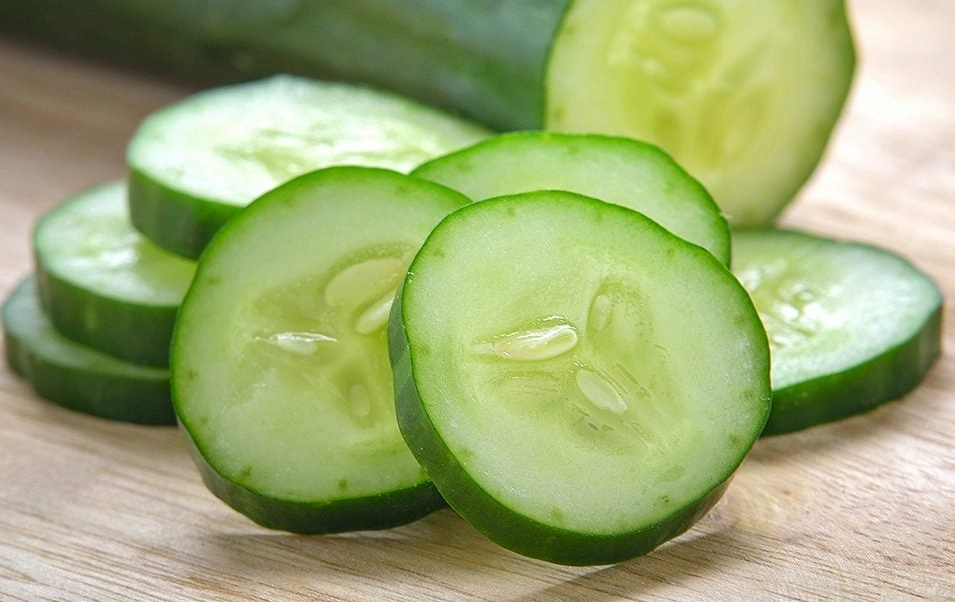
What to Do If Your Cucumber Is Already Bitter
Don't throw it out just yet. Try this salvage sequence:
- Cut off the Stem End: Slice about 1-1.5 inches off the end that was attached to the vine. This is where the highest concentration of cucurbitacins resides.
- Peel It: Use a vegetable peeler and remove the skin completely.
- Taste a Slice: Try a piece from the middle of the peeled cucumber. Often, steps 1 and 2 are enough.
- The "Rubbing" Trick (Last Resort): If it's still slightly bitter, cut the peeled cucumber in half lengthwise. Take the two halves and rub the cut faces together in a circular motion. You'll see a white, foamy substance appear. Rinse this off. This ancient method is thought to draw out some of the remaining bitter compounds. I find it works about 60% of the time for mildly bitter cukes.
If, after all this, it's still unpleasantly bitter, it's compost bin material. Don't force it. The compound, while not typically toxic in the amounts found in cultivated cucumbers, can cause stomach upset in some people if extremely concentrated.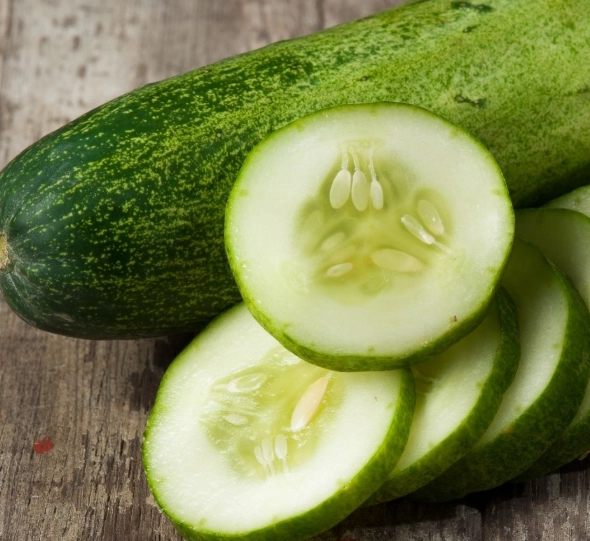
Reader Comments