A classic Caesar salad isn't as light as you might think. On average, it ranges from 300 to over 800 calories per serving, depending on ingredients and portion size. I learned this the hard way when I tracked my meals and realized my go-to restaurant Caesar was pushing 700 calories—almost a full meal's worth! Let's break it down so you can make smarter choices without guessing.
Here’s a Quick Look at What We’ll Cover
- Breaking Down the Calories in a Classic Caesar Salad
- What Makes Caesar Salad Calories So Variable?
- How to Craft a Lower-Calorie Caesar Salad at Home
- Caesar Salad Calories at Chain Restaurants: A Reality Check
- The Biggest Mistake People Make with Salad Calories
- Frequently Asked Questions About Caesar Salad Calories
Breaking Down the Calories in a Classic Caesar Salad
To understand the calorie count, let's dissect a standard Caesar salad. It typically includes romaine lettuce, Caesar dressing, croutons, and Parmesan cheese. Here’s a rough estimate per component, based on data from sources like the USDA FoodData Central:
- Romaine lettuce (2 cups): About 15 calories. It’s the low-calorie base, but don’t let that fool you—the other parts add up fast.
- Caesar dressing (3 tablespoons): 150-250 calories. This is the biggest culprit. Traditional dressing has oil, egg yolk, anchovies, and Parmesan, making it high in fat.
- Croutons (1/2 cup): 100-150 calories. They’re basically toasted bread with oil, so they pack a punch.
- Parmesan cheese (2 tablespoons grated): 40-60 calories. Not too bad, but it adds up if you’re generous.
Add it all up, and a homemade version can hit 300-500 calories. But restaurants often double the dressing and croutons, pushing it higher.
Why Dressing Matters More Than You Think
I used to pour dressing without measuring, and that’s where I went wrong. Just an extra tablespoon can add 50-80 calories. Most recipes call for 2-4 tablespoons per serving, but I’ve seen places use up to 6. That’s why asking for dressing on the side is a game-changer.
What Makes Caesar Salad Calories So Variable?
Calories aren’t fixed; they swing based on a few key factors. Here’s what to watch for:
- Portion size: A side salad vs. an entrée salad can differ by 200+ calories. Restaurants like Olive Garden serve huge portions—their Caesar salad entrée has around 350 calories, but add chicken and it jumps.
- Dressing type: Creamy vs. light dressing makes a big difference. A light Caesar dressing might save 100 calories per serving.
- Add-ons:
- Grilled chicken: Adds 150-200 calories.
- Bacon bits: 50-100 calories.
- Extra cheese: 50+ calories.
- Preparation method: Homemade lets you control ingredients, but if you use store-bought dressing, check the label—some have hidden sugars and oils.
I once made a Caesar salad with avocado instead of mayo in the dressing, and it cut calories by 30% while keeping it creamy. Little swaps like that matter.
How to Craft a Lower-Calorie Caesar Salad at Home
Want to enjoy Caesar salad without the guilt? Here’s a step-by-step guide I’ve tested over the years.
Step 1: Rethink the Dressing
Skip the heavy mayo and oil. Try this: blend Greek yogurt, lemon juice, garlic, anchovy paste (optional), and a bit of Parmesan. It’s tangy and creamy with half the calories—about 80 calories per 3 tablespoons. I make a batch weekly; it keeps in the fridge for days.
Step 2: Swap Croutons for Something Crunchy
Croutons are calorie-dense. Instead, use:
- Toasted almonds or walnuts: 100 calories for 1/4 cup, plus healthy fats.
- Seeds like pumpkin or sunflower: Lower in calories and packed with nutrients.
- Even crispy chickpeas—roast them with spices for a protein boost.
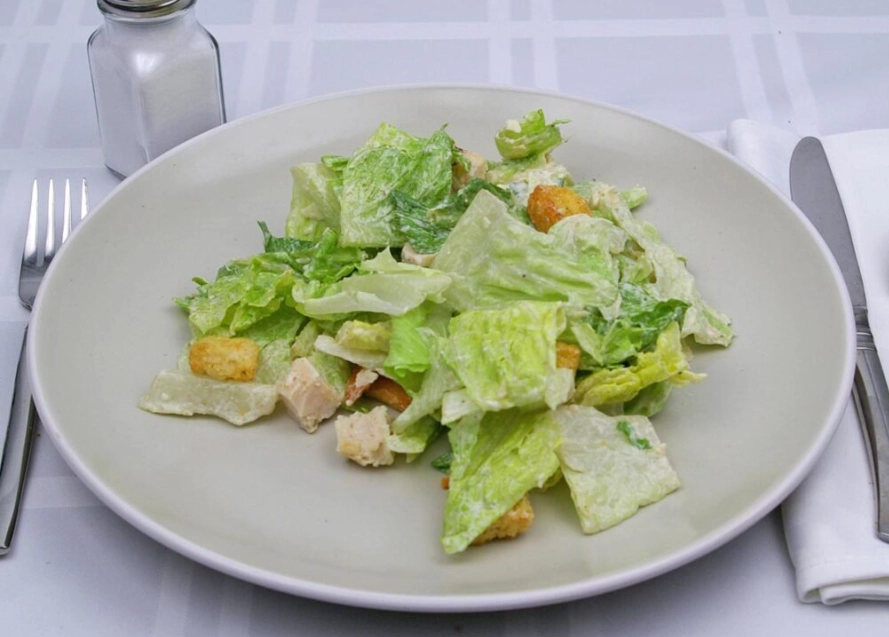
Step 3: Bulk Up with Veggies
Add more volume without many calories: cherry tomatoes, cucumbers, or bell peppers. They fill you up and add vitamins. I often throw in a handful of spinach for extra iron.
With these tweaks, you can get a satisfying Caesar salad under 250 calories. It’s all about balance.
Pro tip: Measure your dressing with a spoon. Eyeballing it leads to overpouring, and that’s where calories sneak in. I keep a tablespoon in my kitchen drawer just for salads.
Caesar Salad Calories at Chain Restaurants: A Reality Check
Eating out? Here’s a comparison of Caesar salad calories from popular chains, based on their nutrition information (always check their websites for updates). This table shows how variable it can be.
| Restaurant | Caesar Salad Item | Approximate Calories | Notes |
|---|---|---|---|
| McDonald's | Side Caesar Salad | 90 calories | Without dressing; add dressing for 190+ calories. |
| Chick-fil-A | Market Salad with Caesar Dressing | 340 calories | Includes grilled chicken and veggies—a decent option. |
| Olive Garden | Caesar Salad (entrée) | 350 calories | Without protein; add grilled chicken for 550 calories. |
| Panera Bread | Caesar Salad | 390 calories | With dressing; they offer light dressing options. |
| Cheesecake Factory | Caesar Salad | 710 calories | Known for large portions and rich dressing. |
Notice the range? From 90 to 710 calories—it’s huge. The Cheesecake Factory version is a calorie bomb, while McDonald’s side salad is light if you go easy on dressing. When I eat out, I always ask for dressing on the side and skip croutons. It saves at least 200 calories.
Why Restaurant Salads Are Often Higher in Calories
Restaurants prioritize taste over health, so they use more oil, cheese, and salt. Plus, portions are oversized. A study from the Journal of the Academy of Nutrition and Dietetics found that restaurant salads can have more calories than a burger. Always check nutrition facts online before ordering.
The Biggest Mistake People Make with Salad Calories
Here’s a non-consensus view from my experience: people assume all salads are low-calorie, but Caesar salad is a trap if you’re not careful. The mistake? Focusing only on the greens and ignoring the extras.
I’ve seen friends load up on croutons and dressing, thinking it’s healthy because it’s a salad. But those additions can make it higher in calories than a sandwich. Another error: not accounting for protein add-ons. Grilled chicken is fine, but breaded or fried chicken adds 300+ calories.
My advice: treat Caesar salad like any other meal—check the components. If you’re counting calories, log everything, even the Parmesan sprinkle. A little mindfulness goes a long way.
Frequently Asked Questions About Caesar Salad Calories
 Wrapping up, Caesar salad calories aren’t a mystery—they’re about choices. Whether you’re dining out or cooking at home, a few tweaks can make it fit your diet. I still enjoy it weekly, but now I know how to keep it in check. Happy eating!
Reader Comments