You order a Caesar salad, feeling virtuous. It's a salad, right? Must be healthy. Then you finish the plate, still hungry, and wonder why you're not losing weight. I've been there. For years, I considered it my "safe" restaurant choice until I started digging into the numbers. The reality of Caesar salad nutrition is a classic story of hidden calories and misunderstood ingredients. Let's break down what's really in that bowl, from the deceptively creamy dressing to the salty cheese, and figure out how to make it a meal that actually deserves a spot in your healthy eating plan.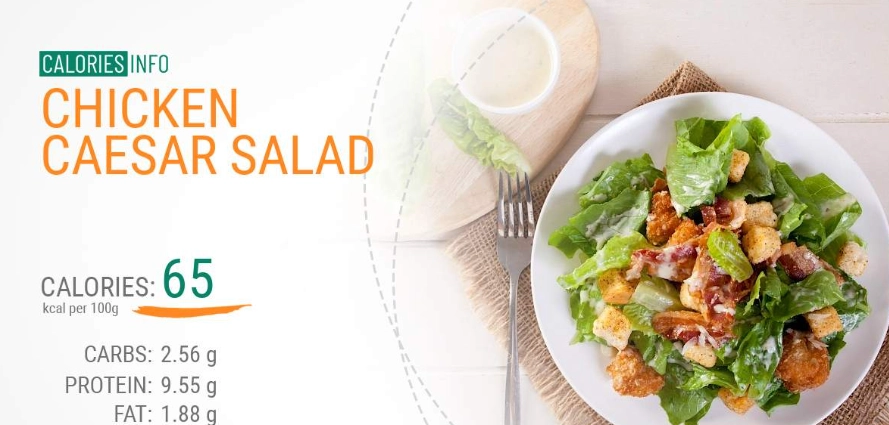
What's Inside This Guide
The Shocking Nutrition Breakdown: It's Not Just Lettuce
Think of a Caesar salad as three components: the base, the toppings, and the dressing. The romaine lettuce is innocent—crisp, low-calorie, and full of vitamin K. The trouble starts with everything else. A standard serving at a casual dining chain isn't a side; it's a main event loaded with energy.
Here’s a comparison that opened my eyes. These are estimates based on data from sources like the USDA FoodData Central and common restaurant nutrition guides.
| Component | Approximate Calories | Fat (g) | Protein (g) | The Real Story |
|---|---|---|---|---|
| Romaine Lettuce (3 cups) | 24 | 0.3 | 1.7 | The green hero. Almost negligible impact. |
| Traditional Dressing (1/2 cup) | 360-400 | 38-42 | 2-3 | The villain. Mostly oil and egg yolk. Half a cup is often used. |
| Parmesan Cheese (1/4 cup grated) | 110 | 7 | 10 | Nutrient-dense but calorie-dense. Easy to over-shake. |
| Croutons (1 cup) | 120-150 | 2-4 | 3-4 | Refined carbs. Adds crunch but little nutrition. |
| Grilled Chicken Breast (6 oz) | 280 | 6 | 52 | The saving grace. Lean, satiating protein. |
Add it up. A full-sized restaurant Caesar with chicken can easily hit 900 to 1,100 calories. That's comparable to a large burger and fries. The fat content? Often 50-70 grams. Suddenly, the "healthy choice" feels different.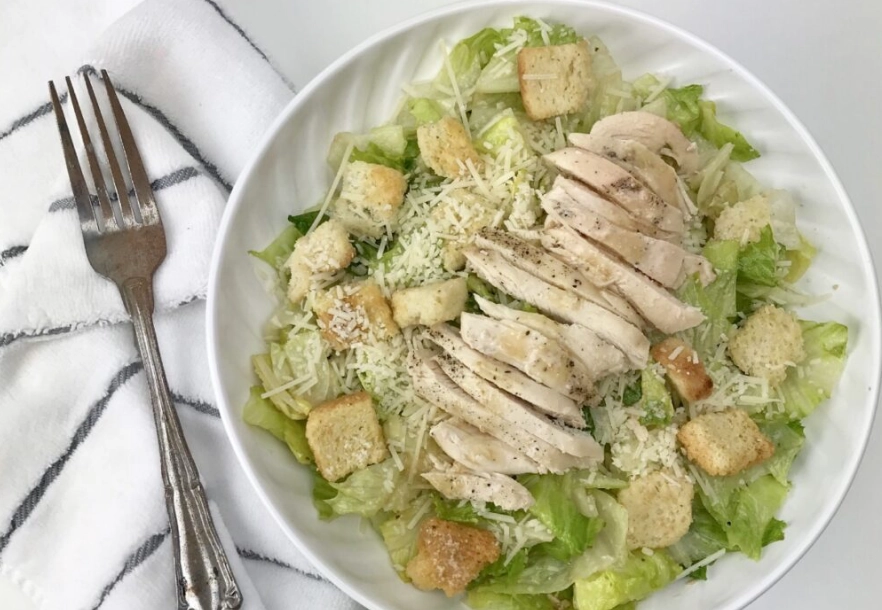
The takeaway: The romaine lettuce is just a vehicle for the dressing, cheese, and croutons. When you analyze Caesar salad nutrition, you're mostly analyzing the nutrition of a rich, oily emulsion and a pile of toasted bread.
The Dressing Problem: A Calorie Bomb in Disguise
This is the heart of the issue. Authentic Caesar dressing is an emulsion of oil, raw egg yolk, garlic, anchovies, lemon juice, and Worcestershire sauce. It's delicious because it's mostly fat.
Why Store-Bought Isn't Always Better
You might think bottled dressing is lighter. Sometimes it's worse. To achieve shelf stability and that thick texture, many brands add sugars, starches, and extra oils. They also often use pasteurized egg products and less of the flavorful anchovies. You get more calories with less of the authentic, nutrient-rich ingredients like the omega-3s from anchovies.
I made a mistake for years: I'd buy a "light" version, use twice as much because it tasted bland, and ended up consuming the same amount of calories and more additives. The lesson? If you go bottled, read the label. The first ingredients shouldn't be soybean oil, water, and sugar.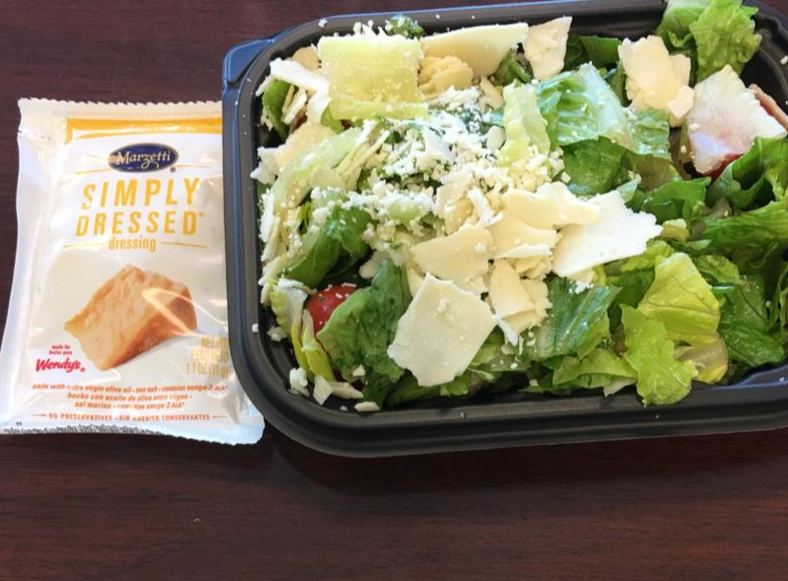
How to Build a Truly Healthy Caesar Salad at Home
The good news is you have complete control at home. You can keep the soul of the dish—the umami, the creaminess, the crunch—while slashing unnecessary calories and boosting nutrients. Here's my blueprint, perfected after many bland and many successful experiments.
1. Rethink the Dressing Base: You don't need a cup of oil. The creaminess can come from other sources.
Greek Yogurt Caesar: Mix 1/2 cup plain Greek yogurt, 2 tbsp olive oil, 2 minced anchovies, 1 garlic clove, juice of 1 lemon, 2 tbsp grated Parmesan, salt, and pepper. This cuts fat by over 50% and adds protein.
Avocado Caesar: Blend 1 ripe avocado, juice of 1 lemon, 1 garlic clove, 2 anchovies, 3 tbsp water, and Parmesan. You get healthy fats and a luxuriously creamy texture without mayo.
2. Upgrade Your Croutons: Instead of store-bought white bread cubes, try:
- Cubed whole-grain bread or sourdough, toasted with a little olive oil and garlic powder.
- Roasted chickpeas tossed in olive oil and smoked paprika for a crunchy, protein-packed alternative.
- A handful of raw, chopped walnuts or almonds for healthy fats and crunch.
3. Pile on the Protein: This turns the salad from a side to a meal. Go beyond chicken.
- Grilled Shrimp or Salmon: Adds omega-3 fatty acids.
- Hard-Boiled Eggs: Chopped egg adds richness and protein.
- Lentils or White Beans: For a plant-based punch of fiber and protein.
- Leftover Roasted Turkey or Steak: Thin slices work perfectly.
4. Add More Greens (and Colors): Romaine is great, but mix it up. Add arugula for a peppery bite, spinach for iron, or kale (massaged with a bit of lemon juice) for staying power. Throw in some cherry tomatoes, roasted red peppers, or shredded purple cabbage for color and extra vitamins.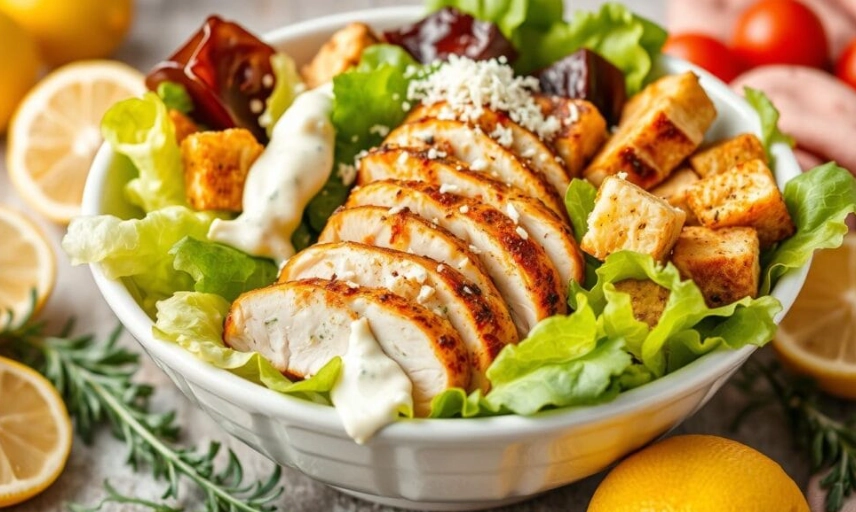
Navigating the Caesar Salad on a Restaurant Menu
You're out. The menu has a Caesar. Here's how to order smartly, based on painful experience and server confessions.
Always ask for the dressing on the side. This is non-negotiable. Restaurants often use 4-6 ounces of dressing. You probably need 1-2. Dip your fork into the dressing before spearing the salad. You'll use a fraction of the amount.
Request "light" or "half" the cheese. Most kitchens are happy to do this. The flavor is still there, but the calorie load drops.
Ask about protein options. Is the chicken grilled or fried? Is there a shrimp or salmon add-on? Opt for grilled or roasted.
Consider a side Caesar instead of an entrée. The portion is smaller by design. Pair it with a cup of soup (like a broth-based minestrone) for a balanced meal.
I once asked for grilled chicken, dressing on the side, and extra vegetables on my Caesar. What arrived was a sad pile of lettuce with a dry breast on top. Now, I'm more specific: "Can I have the Caesar salad with grilled chicken, but can you add some cherry tomatoes and cucumbers to it? And the dressing on the side, please." Framing it as an "add" rather than a "replace" often gets better results.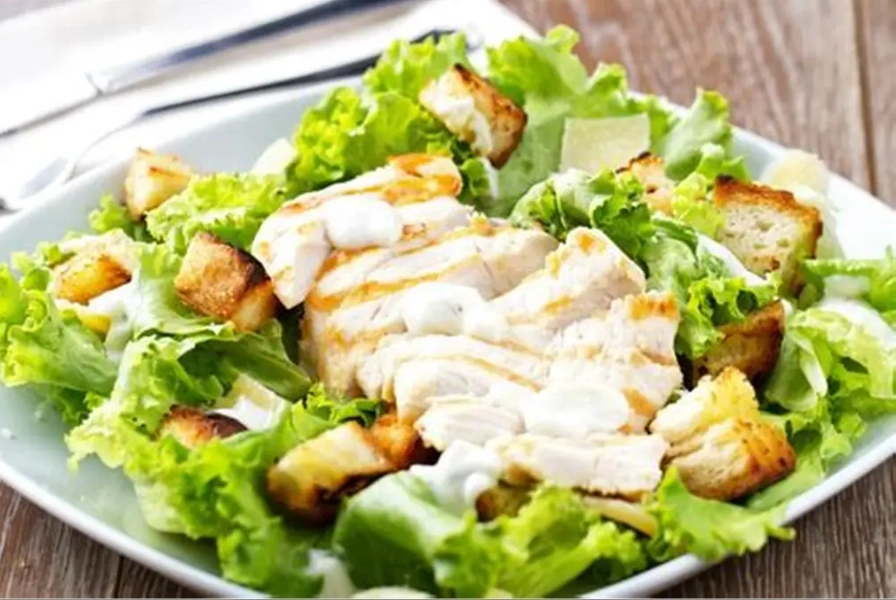
Your Caesar Salad Questions Answered
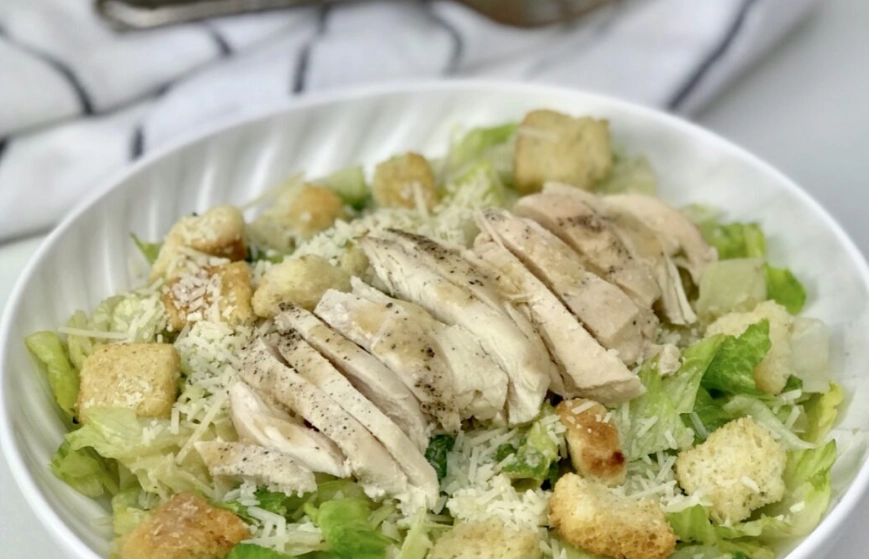 So, is Caesar salad healthy? It can be. But the default version served in most places is a nutritional trap dressed in green. By understanding where the calories hide—primarily in that delicious, decadent dressing—you can take back control. Make your own with smarter ingredients, or order strategically at restaurants. Transform your Caesar from a calorie bomb into a balanced, satisfying, and genuinely nutritious powerhouse. Your body (and your taste buds) will thank you.
Reader Comments