There's a particular satisfaction that comes from harvesting butternut squash. It's the payoff for months of tending vines, the final step before those hard-earned fruits become soup, roast, or pie. But get the timing or technique wrong, and you can lose your entire crop to rot in storage. I've learned this the hard way. This guide isn't just about picking squash; it's about ensuring every one you harvest makes it to your winter table.
What You'll Learn in This Guide
When is the Right Time to Harvest Butternut Squash?
Forget the calendar date. I see so many people mark a day in early October and start cutting. The plant doesn't care what month it is. It cares about maturity and weather. Your primary cues come from the squash and the vine itself.
The most reliable sign is a deep, uniform tan or beige color. Immature squash will have noticeable green streaks or a pale, yellowish skin. That green needs to fade completely. Next, check the rind hardness. Press your thumbnail into the skin. If it punctures easily, it's not ready. A mature butternut squash has a rind so hard it's nearly impossible to dent without significant force.
Then, look at the stem. It should start to turn from green and pliable to brown and corky, almost woody. Finally, observe the vine. As the plant finishes its life cycle, the vine leading to the squash will begin to wither and brown. This is nature's way of saying the fruit is done drawing nutrients.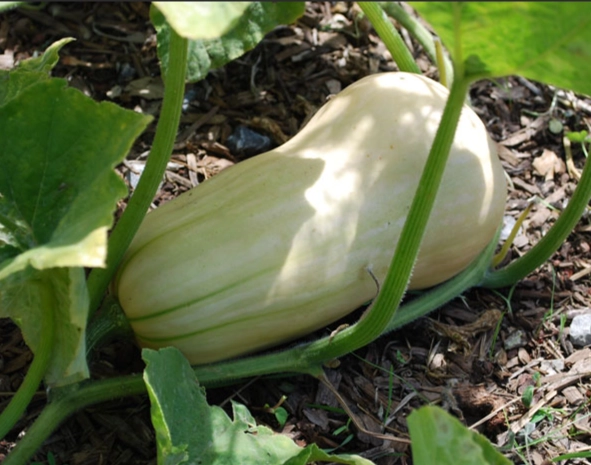
The Three-Step Ripeness Check (Do This in the Garden)
- Color Test: Is the skin a deep, solid tan with no green patches?
- Thumbnail Test: Can you pierce the skin with light pressure? If yes, wait.
- Stem & Vine Test: Is the stem hardening and the connecting vine starting to dry up?
If you answer "yes" to all three, you're in the harvest window.
Now, the weather veto. Butternut squash can handle a light frost that kills the vines, but a hard freeze (below 28°F / -2°C) will damage the fruit itself, causing cell walls to rupture and leading to rapid spoilage. If a hard freeze is forecast, harvest all mature squash immediately, even if the color isn't perfect. It's better to have a slightly immature squash than a frozen, ruined one.
How to Harvest Butternut Squash Properly (Tools & Technique)
This is where the subtle art comes in. It's not a yank-and-go operation. A clean, careful harvest is your first line of defense against storage rot.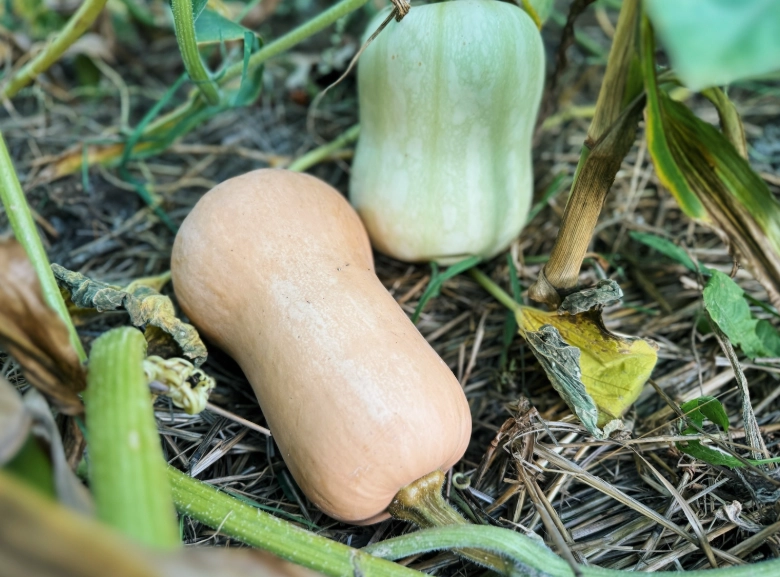
Choosing Your Weapon
You need a sharp, clean cutting tool. The goal is a clean cut, not a ragged tear. Here’s a quick comparison:
| Tool | Best For | Pro Tip / Watch Out |
|---|---|---|
| Pruning Shears (Bypass) | Most gardeners. Clean, controlled cuts on stems up to 1" thick. | Keep blades sharp. Dull shears will crush the stem. My personal go-to. |
| Sharp Knife | Situations where shears can't reach easily. | Use a serrated bread knife for tough, woody stems. More risk of slipping, so be extra careful. |
| Garden Scissors | Small, tender stems on very young squash. | Usually too weak for mature squash stems. Can crush instead of cut. |
| Hands (Twisting) | Not recommended. | Almost guarantees you'll snap the stem off too short, creating a large wound. Avoid this. |
The Harvesting Motion
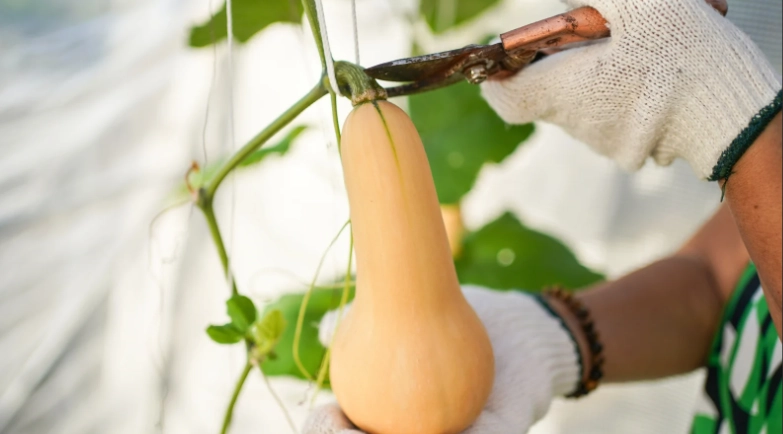
Don't cut the stem flush against the squash body. This is a critical mistake. You want to leave a sturdy stem, 2 to 4 inches long. Why? That stem acts as a protective "handle" and, more importantly, a seal. When you break it off at the base, you expose the inner flesh, creating a direct pathway for rot organisms.
Here's my method: Support the squash with one hand to take its weight. With your other hand, position your pruning shears a few inches up the stem from the squash. Make one firm, decisive cut. You should hear a satisfying, clean *snip*. If you're sawing or crushing, your tool isn't sharp enough.
Handle the harvested squash like eggs. Avoid tossing them into a bucket or letting them bump into each other. Bruises and cracks are invisible invitations to decay. I use a garden cart lined with old towels or a shallow basket.
The Critical Steps After Harvest: Curing and Storage
You've picked them. Now, do not immediately shove them into a cold basement. This is the phase most beginners skip, and it's the reason their squash goes soft in December.
Curing: The Secret to Sweetness and Longevity
Curing is a 7 to 14-day process where the squash sits in a warm, dry, well-ventilated place. This isn't just drying it out. It allows minor scratches to heal (suberize), the skin to harden into an impermeable shell, and—crucially—starches to convert into sugars. According to resources from university extensions like Michigan State University Extension, curing is essential for winter squash storage.
Ideal Curing Conditions: A sunny spot on a porch, a greenhouse bench, or even a warm room in your house (around 75-85°F / 24-29°C) with good air circulation. Space them out so they don't touch. Let them bask for at least a week. You'll know it's working when the stem end feels completely dry and hard.
Long-Term Storage: Creating a Squash Dormitory
After curing, move them to their long-term home. The perfect storage environment is cool, dark, and dry.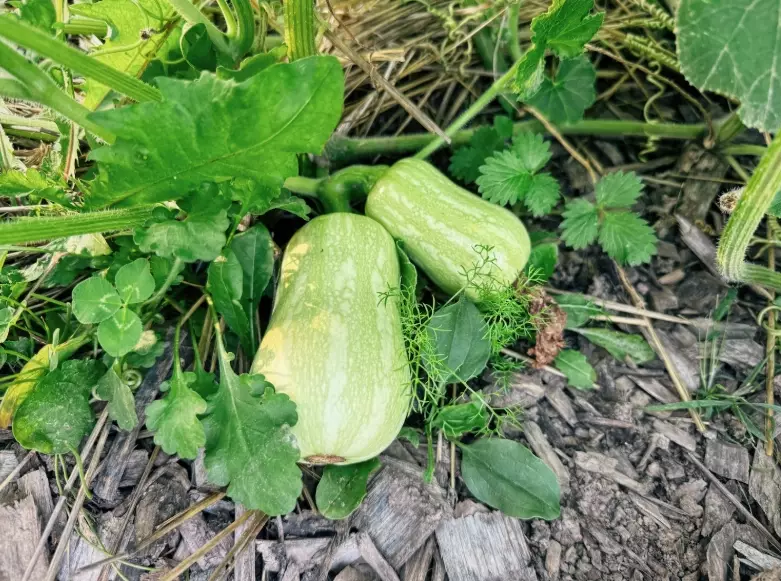
- Temperature: 50-55°F (10-13°C) is the sweet spot. A cool basement, unheated garage (if it doesn't freeze), or a spare bedroom with the heat vent closed.
- Humidity: Moderate, around 50-70%. Too dry causes shriveling; too damp encourages mold.
- Setup: Never store squash directly on a concrete floor—it's cold and often damp. Use wooden shelves, slatted crates, or even a layer of cardboard. Don't pile them; keep them in a single layer with space between for air flow.
Check your stash every few weeks. If one starts to develop a soft spot, use it immediately. One rotten squash can spoil others nearby.
Common Mistakes and How to Avoid Them
Let's talk about the blunders I've made or seen, so you don't have to.
Mistake 1: Harvesting with a "Handle" of Vine. You cut several inches of vine attached to the stem, thinking it's a handy carry handle. That vine is full of moisture and will decay quickly, right against the stem, often spreading rot into the squash. Cut the stem clean, vine-free.
Mistake 2: Washing the Squash Before Storage. It seems logical to clean off the garden dirt. Don't. You'll remove the squash's natural protective bloom and introduce moisture. Brush off dry dirt with your hands, but never wet it. The curing process will harden any remaining soil into a harmless dust.
Mistake 3: Ignoring the Stem After Harvest. That stem you worked so hard to preserve is fragile. If it gets knocked off during handling or storage, treat that squash as a "use soon" candidate. The protective seal is broken.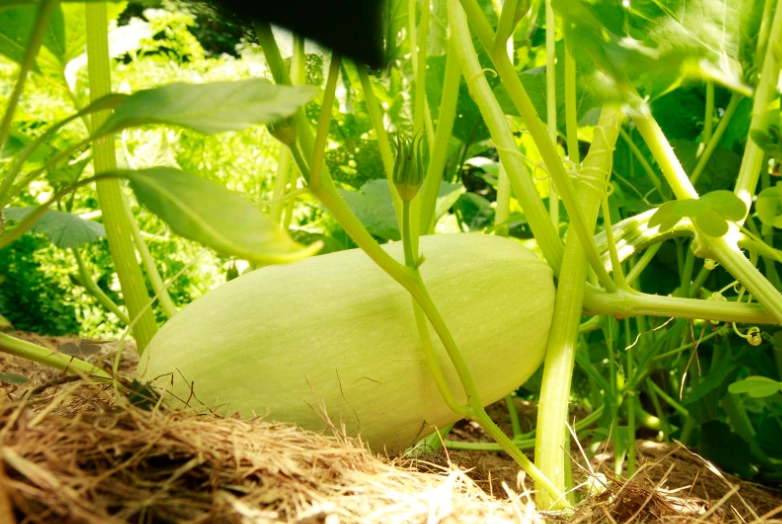
Your Harvesting Questions Answered
 The final word? Patience and a sharp pair of pruners are your best tools. Get the harvest right, and you'll be pulling sweet, firm butternut squash from your storage well into the new year, long after the garden is asleep under snow. That's the real reward.
Reader Comments