You grab a blueberry muffin with your coffee. It feels like a decent choice. Blueberries are healthy, right? It's practically a fruit salad in baked form.
Then, maybe later, a thought creeps in. Exactly how much of that "healthy choice" did I just eat? What's the damage?
Let's cut to the chase. A standard, average-sized blueberry muffin from a typical bakery or homemade recipe contains between 350 and 450 calories.
That's the short answer. But if you're asking the question, you deserve the long one. Because that number is almost meaningless on its own. I've spent years testing recipes, analyzing nutrition labels, and yes, occasionally regretting that second muffin. The calorie count of a blueberry muffin isn't a fixed fact; it's a story told by its ingredients, its size, and most importantly, how it's made.
Let me show you exactly why.
What's Inside This Guide
The Calorie Breakdown: From Basic to Bakery-Style
Here’s where things get interesting. When we talk about a "blueberry muffin," we're not talking about one single thing. We're talking about a spectrum.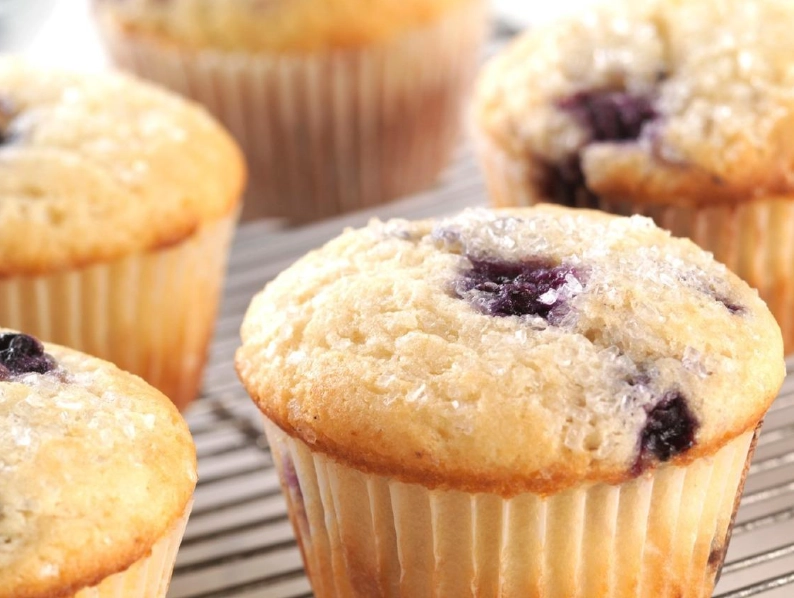
The Basic Homemade Blueberry Muffin
This is your classic, no-frills recipe. It uses all-purpose flour, sugar, oil or melted butter, eggs, milk, and baking powder. It's what most of us think of when we imagine a homemade muffin.
Calories: 380 - 420 for a standard size (about the size of a baseball).
The calories here come primarily from the carbohydrates (flour and sugar) and fat (oil/butter). It's a solid baseline.
The Bakery-Style or "Jumbo" Muffin
Walk into any coffee shop or bakery, and this is what you'll likely see. It's larger, often denser, and may include additions like a sugary crumb topping (streusel), a sprinkle of coarse sugar on top, or even a glaze.
Calories: 450 - 600+. Yes, you read that right. The size increase alone adds calories, but the extra toppings and potential use of more fat or even a cream cheese swirl in some gourmet versions can send the calorie count soaring.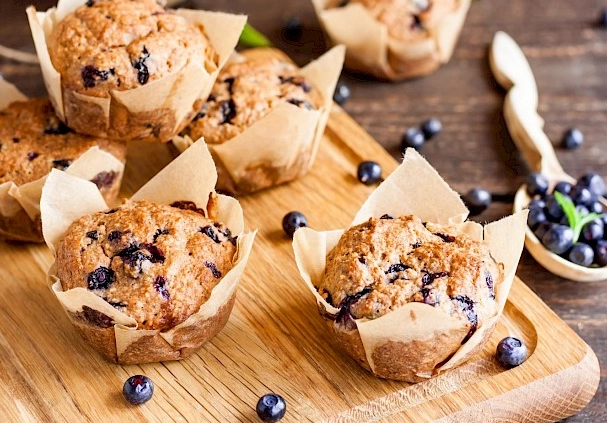
The "Healthy" or Bran Muffin Version
This is the trap many fall into. A bran muffin might sound healthier, but unless carefully crafted, it often contains just as much sugar and fat to compensate for the denser, less sweet bran flavor. The calories can be very similar to a basic muffin, sometimes even higher if nuts and seeds are added.
What Makes a Muffin High in Calories? (The Detailed Breakdown)
Let's look under the hood. A muffin is essentially a quick bread. Unlike a cake, it's meant to be denser and less sweet, but that line has blurred over the years. The main contributors to the calorie count are:
- Flour: The base. All-purpose flour is standard, but some recipes might use part whole wheat, which adds a bit more fiber but doesn't drastically change calories.
- Sugar: This is a big one. A typical recipe uses between ½ cup to 1 cup of granulated sugar for a batch of 12 muffins. That's 400 to 800 calories just from the sugar, divided by 12. You can see how it adds up quickly.
- Fat: Oil or butter. This adds richness and moisture, but also a significant chunk of calories. A ½ cup of oil is about 960 calories.
- Eggs and Milk/Dairy: These contribute protein and some fat, but their calorie impact is moderate compared to sugar and fat.
But here's the kicker, the part most articles don't talk about: the blueberries themselves contribute almost nothing. A half-cup of blueberries adds only about 40-50 calories. The real issue isn't the fruit; it's everything else.
And then there's the portion size.
I remember once making a batch of "healthy" muffins for a friend who was dieting. I swapped half the oil for applesauce, used whole wheat flour, and reduced the sugar. They were... fine. A bit dense, but acceptable. The problem came when my friend ate two of them because they were "healthy." She ended up consuming more calories than if she'd just had one of my classic, full-fat muffins. That's the mistake: equating "healthy ingredients" with "unlimited portions."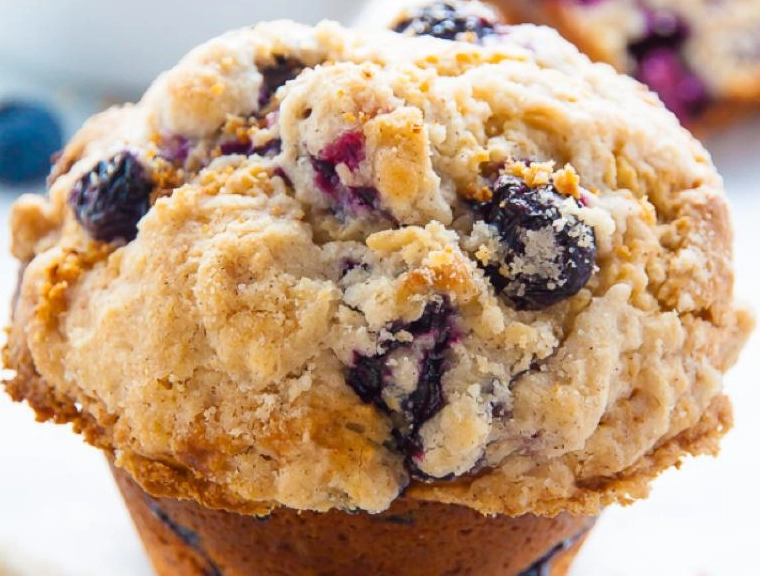
Store-Bought vs. Homemade: A Calorie Comparison Table
To make this actionable, let's put some real-world examples side by side. I've compiled data from common sources and my own kitchen scale.
| Source / Type | Approximate Weight | Calories (Estimate) | Key Calorie Contributors (Why it's that high) |
|---|---|---|---|
| Starbucks Blueberry Muffin | Large (130g) | 350 | Large size, sugar streusel topping. |
| Dunkin' Donuts Blueberry Muffin | Medium (113g) | 410 | Higher sugar content in the batter, possible glaze. |
| Costco Blueberry Muffin (famous for its size) | Jumbo (170g+!) | 600+ | Massive size. It's practically a cake. |
| Basic Homemade Blueberry Muffin (classic recipe) | Standard (85g) | 380 | Balanced recipe, standard ingredients. |
| Homemade Blueberry Muffin with Reduced Sugar & Fat | Standard (85g) | 250-300 | Substitutions: whole wheat flour, less sugar, applesauce replacing some fat. |
Notice the massive range? The Costco muffin is nearly double the weight of a standard homemade one. That's the single biggest factor people overlook. Always, always check the weight or size description if you're buying store-bought.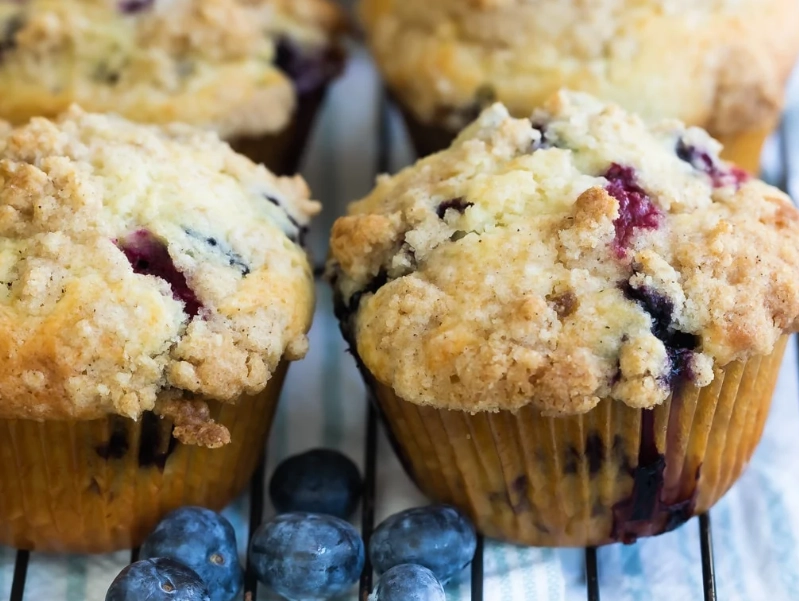
The Starbucks/Dunkin' Factor
Commercial muffins are designed to be delicious, not necessarily nutritious. They often use:
- More Sugar: Not just in the batter, but sometimes in a sugary swirl or topping.
- More Fat: Sometimes a combination of oils and butters for a richer mouthfeel.
- Refined Flour: White flour has less fiber, so you digest it faster and might feel hungry sooner.
That's not to say you should never buy one. But if you do, think of it as a treat, not a breakfast staple.
How to Make a Lower-Calorie Blueberry Muffin That Actually Tastes Good
This is where we get into the fun part. Can you make a blueberry muffin that's lower in calories and still satisfying? Absolutely. But there are trade-offs, and most "healthified" recipes get them wrong.
The biggest mistake is trying to remove too much sugar and fat at once. Fat carries flavor and creates tenderness. Sugar provides sweetness, tenderness, and browning. Remove both without careful compensation, and you get a hockey puck.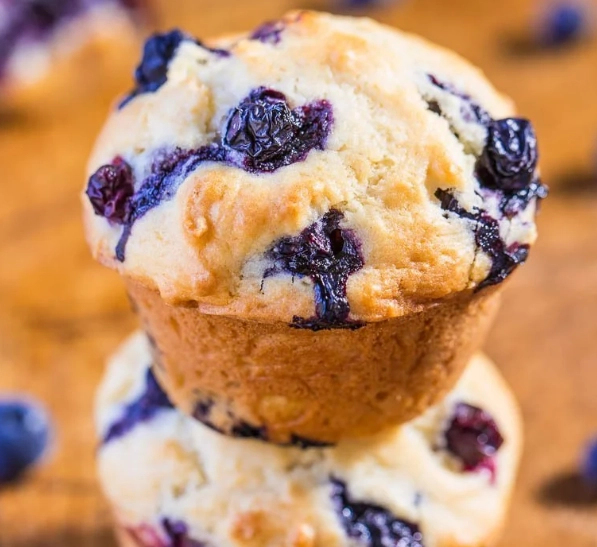
Here's my approach, refined after many, many failed batches:
- Start with a recipe you already love. Don't jump to a completely alien "healthy" recipe.
- Reduce the sugar by 25%. Most classic muffin recipes are too sweet for modern palates anyway. A 25% reduction is often undetectable, especially if you're using juicy blueberries that burst with sweetness.
- Replace half the all-purpose flour with whole wheat pastry flour. Not regular whole wheat, which can be gritty. Pastry flour has less protein, so it keeps the texture light while adding fiber.
- Replace half the oil or butter with unsweetened applesauce or mashed banana. This is the magic trick. It maintains moisture while cutting fat calories. Don't replace all of it, or the texture suffers.
- Use larger blueberries or even wild blueberries. They distribute better, so you get more fruit flavor in every bite, which psychologically satisfies.
- Do not skip the streusel topping if the recipe calls for it. Instead, make a smaller amount with a mix of oats, a tiny bit of brown sugar, and cinnamon. That crunchy topping provides a textural contrast that makes the muffin feel more indulgent, so you might be satisfied with a smaller portion.
Let me give you a specific scenario. Imagine you're making muffins for a weekend breakfast. You want them to feel special. You could make 12 standard muffins at 400 calories each. Or, you could make 24 mini muffins at 200 calories each. The total calorie count of the batter is the same, but the perception changes. A mini muffin feels like a treat, a complete piece. You might have one, and be perfectly happy. With a standard muffin, you might cut it in half, feel deprived, and then go back for the other half later.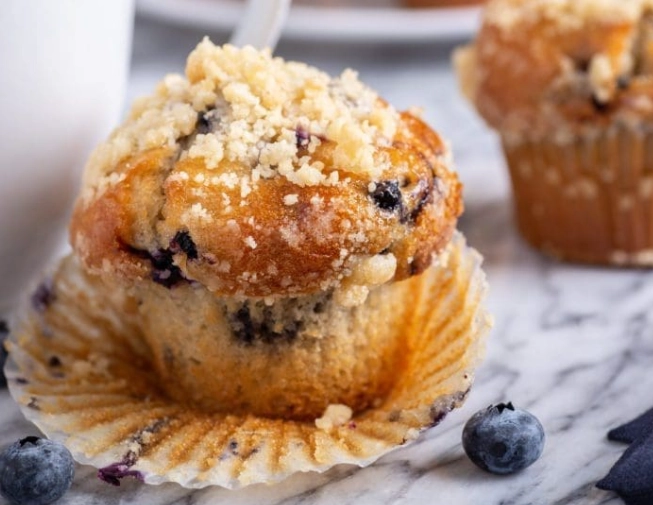
Your Blueberry Muffin Calorie Questions, Answered
So, the next time you're looking at a blueberry muffin, you'll know exactly what you're getting into. It's not about fear, it's about information. You can have your muffin and eat it too, you just need to know which one you're choosing.
Reader Comments