Let's be honest. Squash plants are space hogs. One summer, my zucchini plants staged a hostile takeover of my entire garden bed, smothering the beans and making it impossible to walk. That's when I committed to trellising. It wasn't just about reclaiming real estate; it transformed everything about how I grow squash. The plants were healthier, the fruits were perfect, and harvesting became a joy, not a jungle expedition. If you're tired of the sprawl, growing squash on a trellis is the single most effective change you can make.
What's Inside This Guide
- Why Bother Trellising Squash? (Beyond Just Saving Space)
- Choosing the Right Squash Trellis: Materials & Designs Compared
- Step-by-Step Guide to Building a Simple A-Frame Trellis
- Training, Tying, and Ongoing Maintenance
- 3 Common Trellising Mistakes (And How to Avoid Them)
- Your Squash Trellis Questions Answered
Why Bother Trellising Squash? (Beyond Just Saving Space)
Everyone talks about saving space with vertical gardening, and it's a huge benefit. You can grow squash in a raised bed, a narrow side yard, or even a large container. But the advantages go much deeper.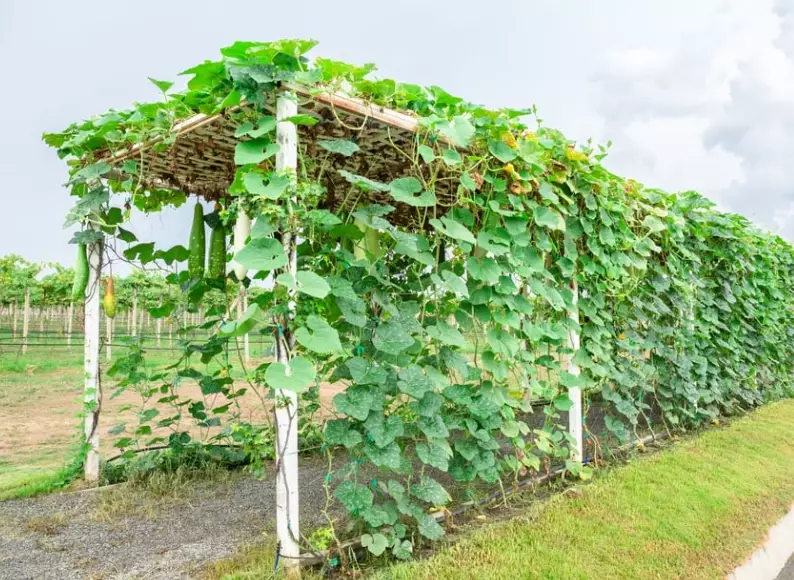
Healthier Plants: Air circulates freely around vertically grown leaves. This is your best defense against powdery mildew, that white, dusty plague that loves humid, stagnant air. Sunlight hits more of the plant, boosting photosynthesis and vigor.
Perfect, Blemish-Free Fruit: When squash fruits dangle in the air, they develop evenly. No more yellow, flattened sides from sitting on damp soil. They're also out of reach of many soil-borne pests and slugs. The fruits are cleaner and often straighter.
Harvesting is a Breeze: No more crawling on your knees, lifting giant leaves to search for hidden zucchinis that have ballooned into baseball bats overnight. You can see every fruit clearly and snip it off without damaging the plant.
Choosing the Right Squash Trellis: Materials & Designs Compared
Not all trellises are created equal. Squash vines are heavy, especially when laden with fruit, and their tendrils need something to grip. Here’s a breakdown of what works and what doesn't.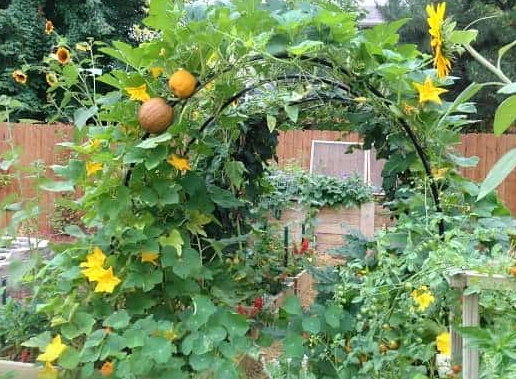
| Trellis Type | Best For | Pros | Cons & Watch-Outs |
|---|---|---|---|
| Cattle Panel Arch/A-Frame | All squash types, high durability. | Extremely strong, wide grid for easy tying, creates a beautiful garden tunnel. | Heavy, requires sturdy posts (T-posts or wooden 4x4s). Initial setup is more work. |
| Heavy-Duty Nylon Netting | Summer squash, small winter squash. | Lightweight, easy to install, inexpensive. Great for attaching to a fence or between posts. | Can sag under extreme weight. Must be very taut. May need replacement after 2-3 seasons of sun exposure. |
| Wooden Lattice (2x2" grid) | Light to medium squash loads. | Attractive, integrates well with garden aesthetics. | Weaker than metal. Ensure it's made of rot-resistant cedar or treated lumber. Grid can be too small for easy hand access. |
| T-Post & Twine/Webbing System | Budget-friendly, single-row setups. | Very cheap and adaptable. Create a vertical "hammock" of support. | Requires consistent tying of vines. Not as supportive for very heavy fruit without a sling. |
A rookie mistake I see all the time? Using flimsy tomato cages. They will collapse by midsummer. Squash needs industrial-strength support.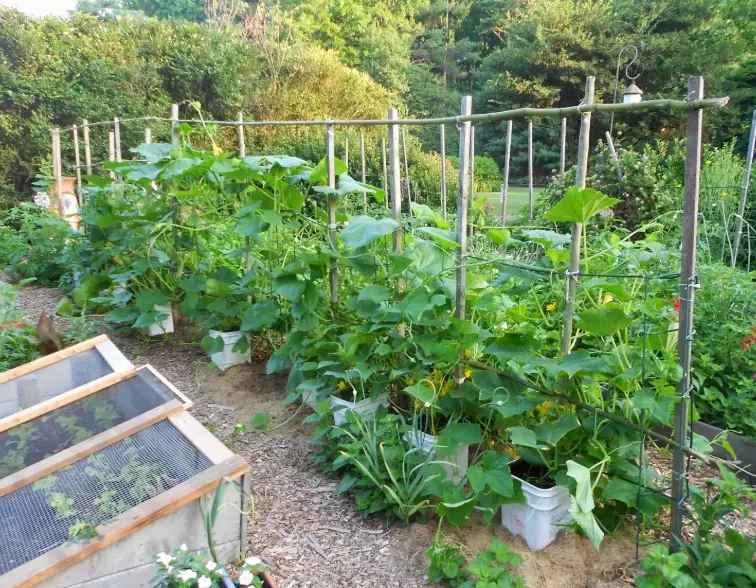
The Non-Negotiable: Strength and Grip
The trellis must handle at least 20-30 pounds of dynamic weight (wind + fruit). The surface should be rough or have a grid no larger than 6 inches. Smooth PVC or metal poles alone are terrible—the tendrils can't grip, and you'll be tying non-stop. A grid or mesh gives the plant a natural climbing aid.
Step-by-Step Guide to Building a Simple A-Frame Trellis
This is my go-to, bomb-proof design. It uses a 16-foot cattle panel and creates a sturdy arch that can last a decade.
Materials:
- One 16-ft x 50-inch cattle panel (the 4"x4" or 4"x6" grid is perfect)
- Four 6-ft T-posts (or six if your soil is very sandy)
- Heavy-duty zip ties or galvanized wire
- Gloves (the panel edges are sharp)
- A mallet or T-post driver
The Process:
- Position the Panel: Lay the panel flat on the ground where you want your trellis. The long side will be the base of your arch.
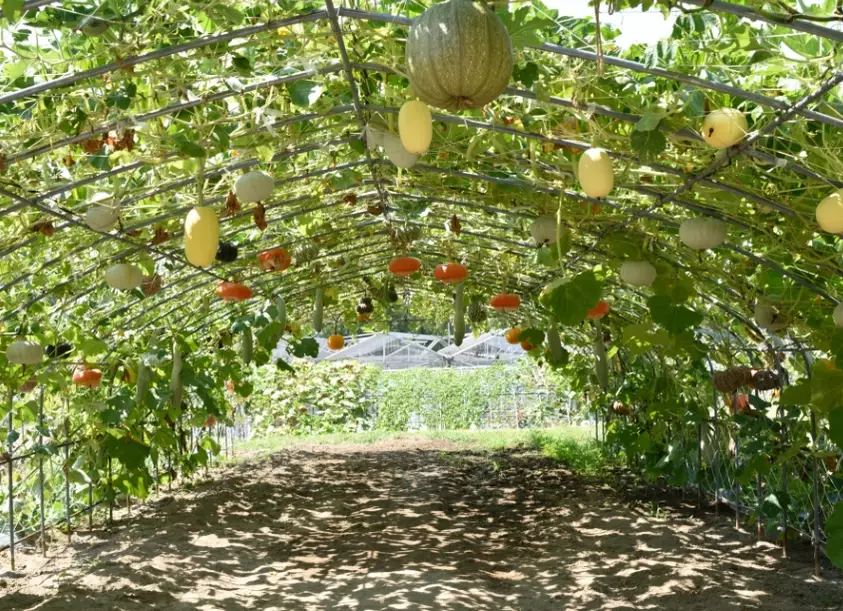
- Drive Corner Posts: At each of the four corners of the panel, drive a T-post about 18-24 inches into the ground. Angle the two posts on one long side slightly inward, and the two on the opposite side slightly inward as well. This creates a stable "A" shape.
- Bend and Secure: Wearing gloves, carefully bend the panel into an arch. This takes some muscle. Attach the panel to the T-posts at multiple points along its height using zip ties or wire. Don't skimp here—every 12-18 inches is good.
- Add Mid-Support (Optional but Recommended): For extra stability in windy areas, drive one or two more T-posts along the base of each side of the arch and secure the panel to them.
Plant your squash seeds or seedlings about 6-12 inches from the base of the trellis on one or both sides. Now you have a structure that won't flinch.
Training, Tying, and Ongoing Maintenance
Young squash plants won't automatically climb. You need to guide them. This is where most people give up too early.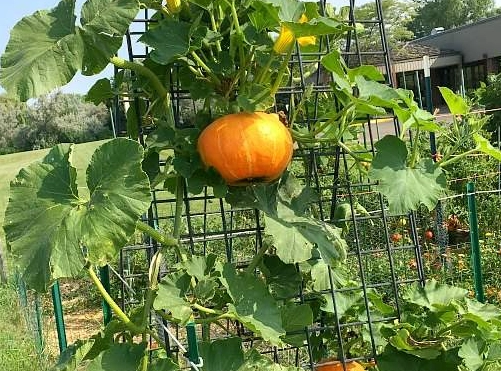
When the main vine is about 12-18 inches long, gently weave it through the lower grid of the trellis. Use soft plant tie tape, strips of old t-shirt, or Velcro garden ties to loosely secure it. Never use wire or string that can cut into the stem. Make a figure-eight with the tie—one loop around the stem, one loop around the trellis wire.
As it grows, continue guiding the lead shoot upward. The plant's tendrils will start grabbing the grid. Your job is to direct the traffic, not tie every single inch.
The Fruit Sling: A Pro Tip for Heavy Winter Squash
When a developing winter squash (like a butternut or small pumpkin) gets to the size of a baseball, it needs extra support. Create a sling from stretchy fabric (pantyhose, mesh produce bags) or a piece of old t-shirt. Gently cradle the fruit in the sling and tie it securely to the trellis. This takes the weight off the stem, preventing it from snapping. I've saved countless fruits this way.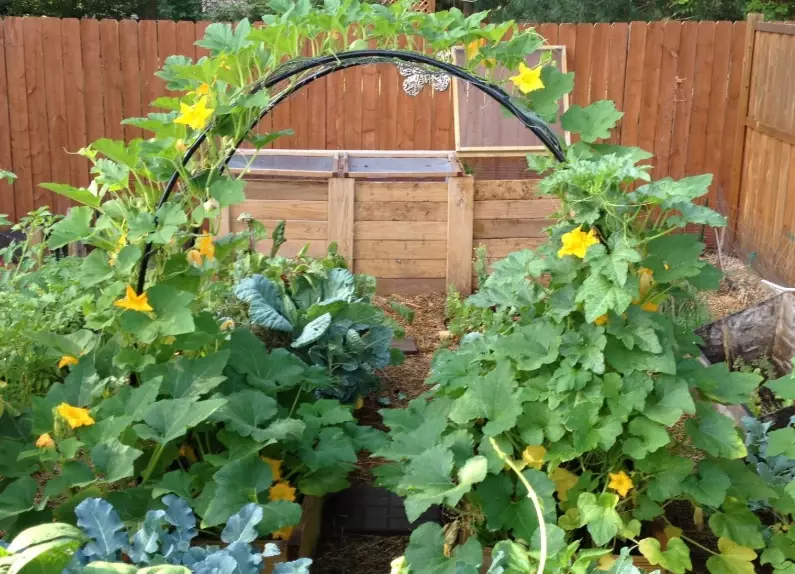
3 Common Trellising Mistakes (And How to Avoid Them)
- Starting Too Late: Trying to train a mature, sprawling plant onto a trellis is a nightmare of broken stems and frustration. Install the trellis at planting time and start training when the vine is young and flexible.
- Using the Wrong Tie Material: Twine or wire cuts. Plastic tape can girdle a growing stem. Use something soft and wide that has give. My favorite is the green vinyl-coated plant tie wire—it's flexible, reusable, and gentle.
- Ignoring the Weight: Assuming the vine alone will hold a 5-pound squash. It won't. Always support the fruit itself with a sling once it gains substantial size. Check your slings every few days as the fruit grows and expands the fabric.
Your Squash Trellis Questions Answered
In a small urban garden, what's the absolute best type of squash to grow on a trellis?
Focus on vining summer squash. Varieties like 'Tromboncino' (also called climbing zucchini) or 'Yellow Fin' are bred to climb vigorously and produce long, straight fruits that hang perfectly. For winter squash, 'Delicata' and 'Sweet Dumpling' are small, prolific, and handle vertical growth beautifully. Bush varieties, while compact, aren't meant for trellising and won't give you the same benefits.
My squash leaves keep getting powdery mildew even on the trellis. What am I missing?
Air flow is only half the battle. Overhead watering is the other culprit. If you're wetting the leaves every evening, you're creating a perfect damp environment for mildew spores. Switch to drip irrigation or a soaker hose at the base of the plants. Also, ensure your plants aren't overcrowded; give them at least 2-3 feet of space at the base even on a trellis. A morning splash from a hose to knock off spores can help, but do it early so leaves dry fast.
Can I grow pumpkins on a trellis, or is that a bad idea?
It depends entirely on the pumpkin. Small pie pumpkins (3-5 lbs) like 'Small Sugar' or 'Baby Pam' can be trellised with a very strong support and a heavy-duty sling. For anything larger—especially carving pumpkins—it's a high-risk endeavor. The sheer weight (15-50 lbs) puts immense stress on the stem and trellis. One storm could mean total loss. For large pumpkins, I use the "vertical then horizontal" method: let the vine climb initially to save space, but once the fruit sets, gently lower it to the ground on a piece of wood or straw mulch to finish growing.
What should I plant at the base of my squash trellis to maximize the space?
This is a great strategy. Plant shallow-rooted, shade-tolerant companions. I've had success with leafy greens like spinach, lettuce, or arugula early in the season before the squash canopy fills in. Herbs like cilantro or parsley also work. Avoid planting other heavy feeders like corn or tomatoes right there. The Old Farmer's Almanac companion planting guide and research from institutions like Michigan State University Extension suggest radishes and nasturtiums can help deter pests. The key is to harvest these companions before the squash vines completely shade them out.
Giving your squash plants a vertical lift isn't just a gardening technique; it's a mindset shift. It turns a problem plant into a showcase. You invest a bit more effort in setup, but you're repaid tenfold in garden sanity, plant health, and harvest quality. Grab some panels and ties, and get those vines climbing. Your garden (and your back) will thank you.
Reader Comments