June hits a sweet spot. Spring's tender greens are still hanging on, but summer's bold, sun-drenched flavors are just arriving. This overlap creates a unique and fleeting moment at the market. It's not just about eating what's available; it's about eating what's optimal. The flavor, texture, and nutritional density of seasonal food for June is at its annual peak. A strawberry in December is a sad, watery imitation of the complex, fragrant berry you get now. Let's talk about how to make the most of it, without any foodie pretension.
What's Inside This June Produce Guide
The June Harvest: What's Actually in Season
Forget vague lists. Here’s a practical breakdown of what you should be looking for, categorized by their prime window in June. This isn't just a grocery list; it's a flavor forecast.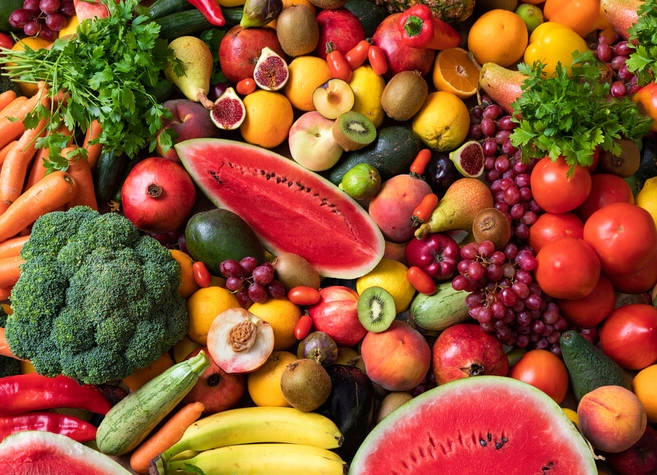
| Produce | Flavor Profile & Peak Notes | Key Selection Tip | Best Storage Method |
|---|---|---|---|
| Strawberries | Deeply sweet, floral, aromatic. Peak is early-mid June. Avoid giant, hollow-centered varieties. | Smell them. A strong, sweet scent at the stem end is the #1 indicator of flavor. | Don't wash until ready to eat. Store in a single layer on a paper towel in the fridge for 1-2 days max. |
| Cherries | Bursting with juice. Sweet (Bing, Rainier) and tart (Montmorency) varieties arrive. | Look for plump, glossy fruit with green, flexible stems. Stems should not be dry and brittle. | Keep them cold and dry. Wash just before eating to prevent mold. |
| Peas & Fava Beans | The last call for spring's sweet legumes. Sugar snap peas are edible-pod candy. | Pods should be bright green, firm, and snap crisply. Avoid swollen peas. | Store in a perforated bag in the fridge's high-humidity drawer. Eat fast. |
| Zucchini & Summer Squash | Mild, tender, and versatile. The season is just beginning. | Smaller is better (6-8 inches). Skin should be glossy, not dull, with no soft spots. | Loose in the fridge crisper. Don't cram them in a sealed bag—they'll sweat and rot. |
| Leafy Herbs | Basil, mint, cilantro, dill are exploding with volatile oils. Potent and fragrant. | Look for perky, vibrant leaves without black spots or wilting. | Treat like flowers: trim stems, place in a glass of water, loosely bag, and refrigerate. |
| New Potatoes | Thin-skinned, waxy, and creamy. They don't need peeling. | Skin should be smooth and taut. Avoid any with a green tint (indicates solanine). | Keep in a cool, dark, well-ventilated place (not the fridge). A paper bag works. |
This is the core cast. You'll also see the first true tomatoes (look for local varieties, not the hard, pale ones), early stone fruits like apricots, and cucumbers starting to come in strong.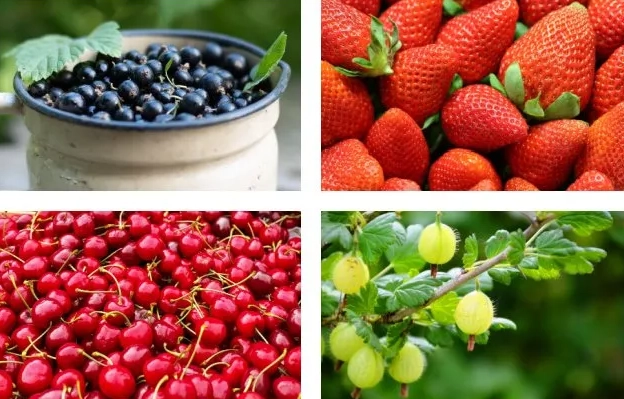
How to Select and Store June's Seasonal Stars
Buying great produce is one thing. Keeping it great is another. Here’s where most home cooks slip up.
The Berry Conundrum: Why They Go Bad So Fast
You bring home a perfect pint, and two days later it's a fuzzy science experiment. The culprit is almost always moisture and compression. Berries are delicate. They're often picked ripe, which means they're already on a fast track. The single worst thing you can do is pile them in a bowl, wash them all, and then refrigerate.
Here's my method, born of frustration and wasted money: When you get home, spread the berries on a clean kitchen towel. Gently pick through and remove any that are already soft or leaking—one bad berry spoils the bunch. Do not wash them. Line a storage container with a dry paper towel, place the berries in a single layer if possible, top with another paper towel, and loosely seal. The towels absorb excess moisture. This buys you an extra couple of days.
Herbs Are Not Lettuce
Shoving a plastic clamshell of basil or cilantro into the back of your fridge is a death sentence. These are living, breathing plants. The best method is shockingly simple. Trim the stems, place them in a glass with an inch or two of water (like a bouquet), and loosely place a plastic bag over the top. Refrigerate. Change the water every couple of days. Your herbs will stay crisp and lively for over a week. For woody herbs like rosemary and thyme, just wrap them in a slightly damp paper towel and seal in a container.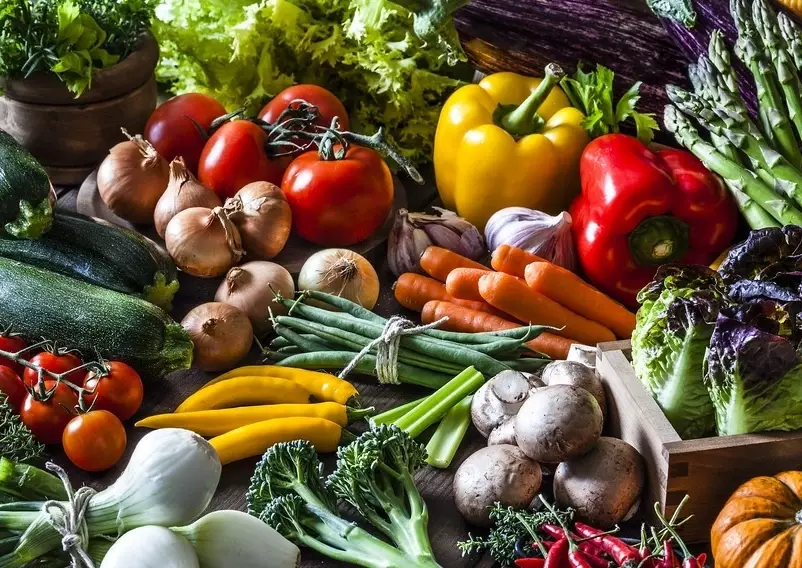
Keeping It Simple: No-Recipe Ideas for June Produce
You don't need a complicated recipe to enjoy seasonal food for June. The ingredient is the star. Here are three things I make on repeat.
The 5-Minute Salad: Thinly slice raw zucchini or summer squash on a mandoline. Toss with lemon juice, a big pinch of salt, a glug of good olive oil, and a handful of torn mint or basil. Let it sit for 10 minutes. The salt and acid soften the squash slightly. It's crisp, refreshing, and tastes like summer.
The Lazy Cook's Sauce: Have pasta water boiling. In a large bowl, crush a pint of ripe cherry tomatoes with your hands. Add a minced garlic clove, a large handful of torn basil, a generous amount of sea salt, and your best extra virgin olive oil. Drain your hot pasta directly into the bowl. The residual heat from the pasta and the starchy water will wilt the basil, mellow the garlic, and create a light, fragrant sauce. Toss vigorously. Top with grated cheese if you like.
The Dessert That Isn't: Hull and slice strawberries. Sprinkle with just a tiny pinch of flaky sea salt (not table salt). Let them macerate for 15 minutes. The salt intensifies the fruit's natural sweetness in a way sugar alone cannot. Serve with a dollop of plain, full-fat yogurt or just eat them straight from the bowl.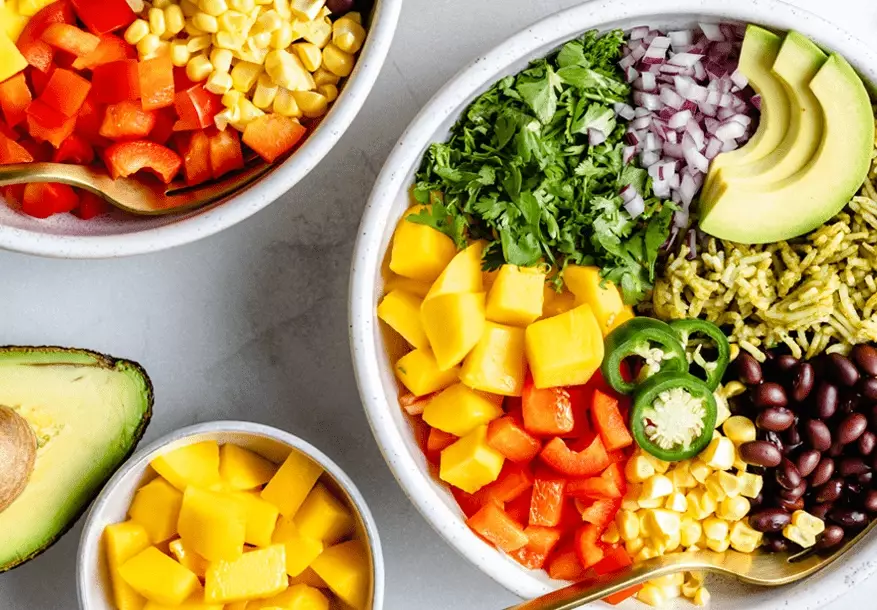
Why It Matters: Flavor, Nutrition, and Your Local Food Web
Eating seasonally isn't a trendy diet; it's the most logical way to eat. The flavor argument is obvious. But there's more.
Plants harvested at their peak of ripeness, and eaten soon after, have higher levels of vitamins, antioxidants, and phytonutrients. A study in the Journal of Agricultural and Food Chemistry found that the antioxidant activity in ripe, fresh produce can be significantly higher than in produce picked early and ripened off the vine. You're getting more nutritional bang for your buck.
Then there's the economic and ecological layer. Buying June strawberries from a local farm puts money directly into your regional food system. It supports smaller-scale agriculture, which tends to use more sustainable practices. The food miles are lower. It's a tangible way to vote with your dollar for a more resilient food supply.
It also connects you to a rhythm. There's a quiet pleasure in anticipating asparagus in May, strawberries in June, tomatoes in August. It makes food special again.
Your June Seasonal Food Questions, Answered
Reader Comments