In This Guide
Let's be honest. We've all been there. You follow a famous apple pie recipe to the letter—the perfect crust, the right amount of spice, the correct baking time. You pull it out of the oven, it looks gorgeous, smells divine... and then you cut into it. Instead of distinct, tender-crisp slices of apple nestled in a thick, glossy filling, you get something closer to applesauce in a crust. Or worse, a watery mess that soaks the bottom pastry into a sad, soggy layer.
The culprit? It's almost never your skill. It's your apples.
Choosing the right apples for pie is the single most important decision you'll make, and it's the one most recipes gloss over with a vague "use tart baking apples." That's like telling someone to "use a good car" for a road trip. It's not helpful. The variety of apple you choose dictates everything: the texture of your filling, the balance of sweet and tart, how much liquid it releases, and ultimately, whether your pie is memorable or mediocre.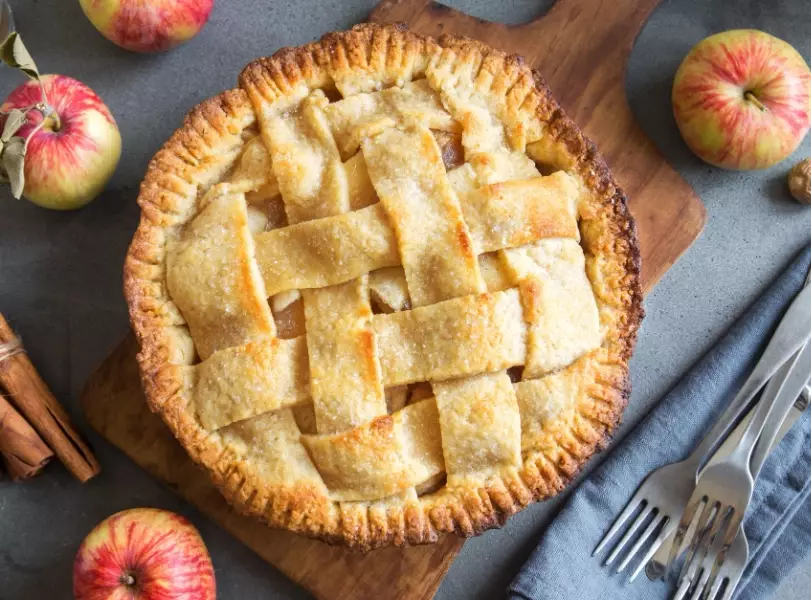
What Makes an Apple a Great "Pie Apple"?
Forget just tartness. A top-tier apple for pie needs a specific combination of traits that work in harmony during the long, slow heat of the oven.
The Texture Factor: Hold Your Shape!
This is non-negotiable. A good pie apple has a firm, dense flesh that maintains its structure when cooked. It should soften pleasantly but keep some integrity, offering a slight bite rather than dissolving completely. This characteristic is often called being "slow to break down" or having "good cell structure." Apples that turn to mush are great for sauce, but they'll rob your pie of its defining texture.
Think of it like building a little architecture inside your pie. Each piece of apple is a tiny pillar holding up the structure of the filling.
Flavor Profile: The Sweet-Tart Spectrum
While tart apples are classic for a reason (they balance the added sugar beautifully), it's more about complexity than just sourness. You want an apple with a bright, distinct flavor that won't get lost under cinnamon and nutmeg. Some apples taste bland when cooked; others have their flavor concentrate and deepen. A little tanginess prevents the pie from being cloying, especially if you have a sweet tooth and are heavy-handed with the sugar scoop.
Moisture Content & Pectin: The Secret to Perfect Thickening
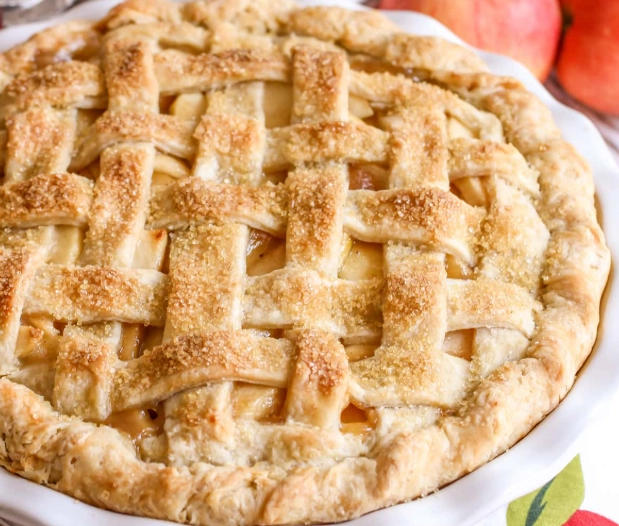
Here's the geeky-but-crucial part. Apples contain pectin, a natural thickener. When heated with sugar and acid (like lemon juice), pectin gels. Apples high in pectin and with a balanced moisture level will thicken their own juices beautifully, often needing little to no extra thickener like cornstarch or flour. Apples that are very juicy and low in pectin release a flood of thin liquid that thickeners struggle to manage, leading to that dreaded gap between the top crust and a soupy filling.
Getting the moisture right is the key to a slice that holds together on the plate.
The Ultimate Apple for Pie Breakdown: A Baker's Cheat Sheet
Let's get specific. This table isn't just a list; it's the result of years of testing (and some delicious failures). I've ranked these based on overall performance for a classic, sliceable apple pie.
| Apple Variety | Flavor (Raw) | Texture When Baked | Moisture/Pectin | Best For... | My Personal Take |
|---|---|---|---|---|---|
| Granny Smith | Very tart, crisp, bright | Holds shape excellently, softens but doesn't mush | Moderate juice, high pectin | The classic safe choice; perfect for learning | A reliable workhorse. Can be one-note if used alone, but never fails. |
| Honeycrisp | Intensely sweet, explosively juicy | Holds surprising shape, becomes tender | Very juicy, moderate pectin | Pies where you want natural sweetness; reduce sugar! | Pricey but performs. The juiciness requires extra thickener, a trade-off for flavor. |
| Braeburn | Balanced sweet-tart, spicy aroma | Excellent structure, keeps a defined bite | Low-moderate juice, high pectin | The ideal all-rounder. My top recommendation. | If I could only use one apple for pie forever, it might be this. Consistently perfect. |
| Jonagold | Sweet with honey notes, mild tartness | Softens more, becomes almost creamy | Juicy, good pectin | Creamier fillings; great in a mix | A crowd-pleaser. Less "tang" means it suits those who dislike tart desserts. |
| Northern Spy | Tangy, aromatic, complex | Legendary for holding perfect slices | Low juice, very high pectin | The gold standard for texture purists | Hard to find but worth the hunt. Makes a pie that looks like the magazine photo. |
| Golden Delicious | Mild, sweet, mellow | Breaks down significantly, can become mushy | Moderate juice, low pectin | Saucy fillings or mixing (for sweetness) | Overrated for solo pie use. I find it bland and too soft. Use sparingly in a blend. |
| Pink Lady (Cripps Pink) | Tangy-sweet, vibrant | Firm and holds shape very well | Moderate juice, good pectin | A modern, reliable favorite with great flavor | Consistently good in stores year-round. A solid, flavorful choice. |
| McIntosh | Tart, tender, aromatic | Disintegrates completely into sauce | Very juicy, low pectin | Apple sauce, not pie! | The biggest trap for new bakers. Smells amazing, makes a terrible, watery pie filling. Avoid. |
See? It's not just about "tart vs. sweet." The McIntosh is tart but terrible for pie. The Golden Delicious is sweet but structurally weak. This is the nuance most discussions miss.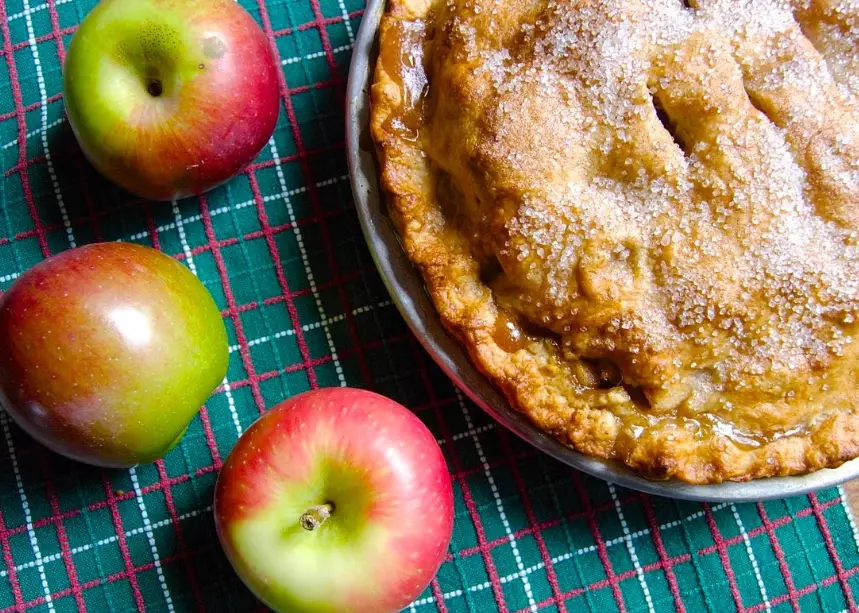
The Pro Move: Why Blending Apples is the Real Secret
If you take one thing from this guide, let it be this: Use at least two different kinds of apples for pie. Seriously. This isn't a fancy chef trick; it's a fundamental upgrade.
A single-variety pie is like a band with only a drummer. Functional, but lacking depth. Blending creates a symphony of flavor and texture.
My personal favorite blend? A 50/50 mix of Granny Smith and Braeburn. You get the bright tartness from the Granny and the spicy complexity and rock-solid structure from the Braeburn. Another winner is 60% Northern Spy (for that perfect slice) with 40% Honeycrisp (for floral sweetness).
Experiment. Buy three different apples, make a small batch of filling on the stovetop, and taste the combinations. It's the fastest way to find your personal perfect blend of apples for pie.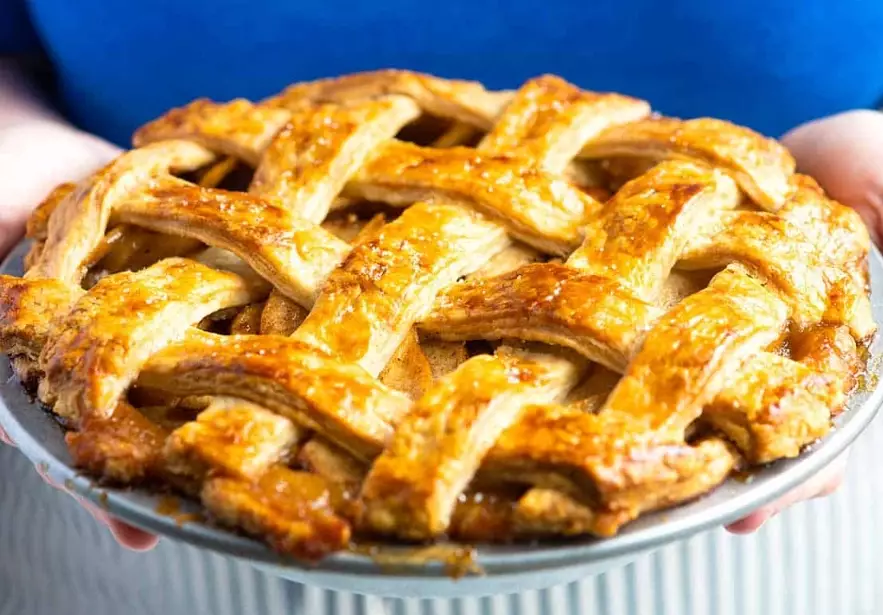
How to Test ANY Apple for Pie Suitability (The Quick Kitchen Test)
Staring at a farmers' market stall or a supermarket bin with an unfamiliar apple? Don't panic. You can run a simple, 5-minute test to get a good idea of its baking fate.
- The Snap Test: Bite into the apple raw. Does it break with a crisp, clean snap? That's a good initial sign of firm cell structure. A mealy, soft bite is a red flag.
- The Flavor Check: Is the flavor distinct and pleasant, even if it's very tart or very sweet? Bland apples rarely improve with baking.
- The Microwave Pectin Test (The Secret Weapon): Dice a few pieces of the apple (skin on is fine) into a microwave-safe bowl. Don't add anything—no sugar, no water. Microwave on high for 60-90 seconds until the pieces are completely soft and swimming in their own juices.
- Look at the juice: Is there a lot of thin, watery liquid? That's free moisture that will flood your pie.
- Now, stir it vigorously: Does the mixture look cloudy and start to thicken slightly on its own as it cools? That's the pectin at work! A good thickening response is a fantastic sign.
- Check the texture: Mash a piece with a fork. Does it dissolve into a smooth sauce, or do you still see some fibrous structure? You want the latter for pie.
This little test has saved me from countless baking disappointments. An apple that passes this is almost certainly a good candidate for your pie filling.
Your Action Plan: From Store to Oven
Buying and Storing
Buy firm, unbruised apples. Don't buy apples that feel light for their size—they might be pithy. For the best flavor, buy apples for pie during peak season (late summer through fall), but the good keepers like Granny Smith and Braeburn are reliable most of the year. Store them in the fridge's crisper drawer to slow ripening until you're ready to bake.
To Peel or Not to Peel?
I peel. Always. The peels can become tough and separate from the flesh during baking, creating little leathery rolls in your filling. They also can interfere with that smooth, thick gel of the filling. Some argue for nutrients and color, but for texture and consistency, peeling wins. Use a good swivel peeler—it's worth the extra five minutes.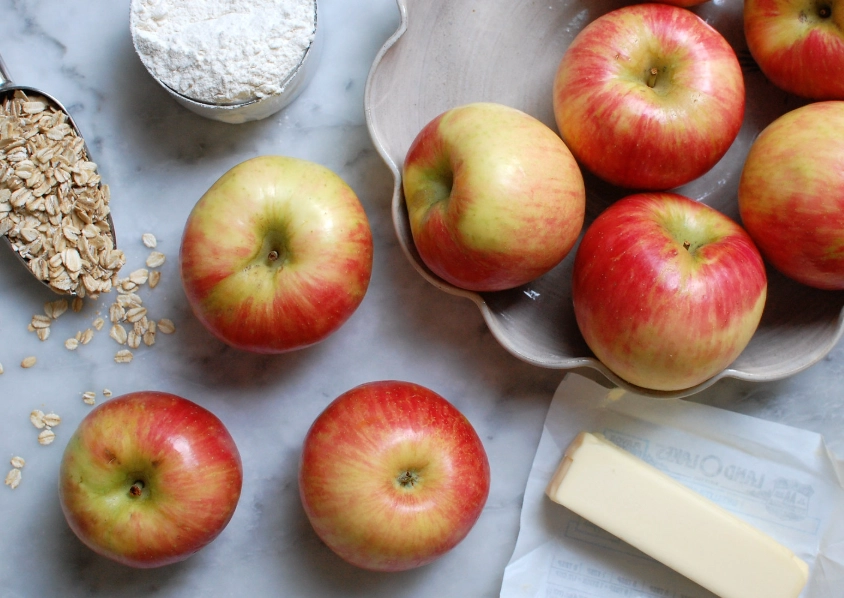
Pre-Treating Your Slices: The Lemon Juice Debate
Tossing sliced apples with a little lemon juice does prevent browning, but its real job is to provide acid. Acid works with the pectin and sugar to set the filling. Don't skip it. About a tablespoon for a full pie's worth of apples is plenty. Some recipes use apple cider vinegar for a more subtle tang—it works great too.
A Simple, Foolproof Filling Ratio
Here's a baseline for about 6 cups of sliced, peeled apples (a deep-dish 9-inch pie):
- 3/4 cup granulated sugar (reduce to 1/2 cup if using very sweet apples like Honeycrisp)
- 2 tablespoons all-purpose flour OR 1.5 tablespoons cornstarch
- 1 teaspoon ground cinnamon
- 1/4 teaspoon ground nutmeg
- 1/4 teaspoon salt
- 1 tablespoon lemon juice
- 1 tablespoon cold butter, diced (dot over filling before topping with crust)
Mix dry ingredients, toss with apples and lemon juice. Let sit for 15 minutes—you'll see moisture start to pull out. That's good! Then pile into your bottom crust.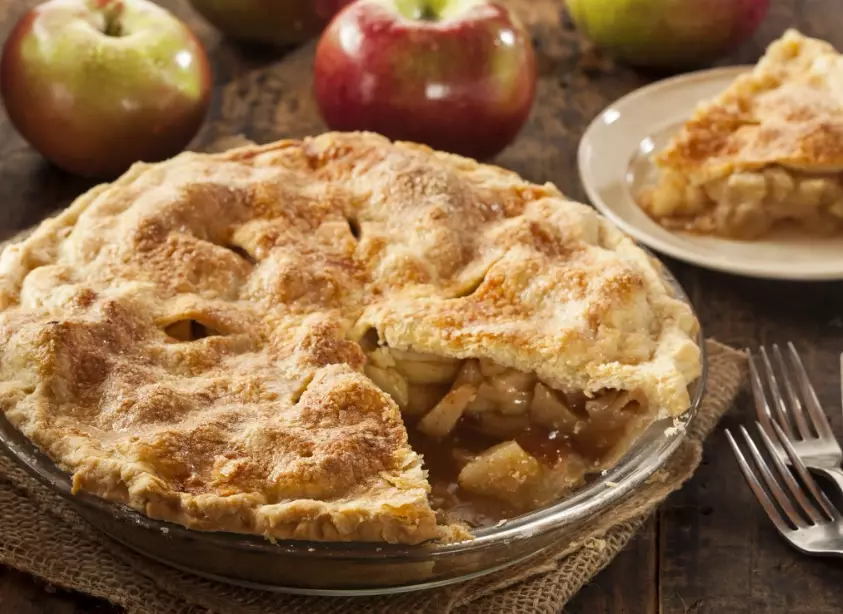
Frequently Asked Questions About Apples for Pie
Wrapping It Up: Your Pie, Your Rules
At the end of the day, the best apples for pie are the ones that make a pie you love to eat. If your family adores a softer, sweeter filling made with Jonagolds, that's your perfect apple. The goal of this deep dive is to give you the knowledge to make an informed choice, to understand why a pie turns out the way it does, and to equip you to fix problems.
Stop seeing the apple bin as a mystery. See it as your first and most important ingredient. Pick a firm base, mix in a character actor for flavor, treat them right, and you'll never have to fear a soggy bottom or a bland bite again.
Now go bake a pie that's all about the apples.
Reader Comments