Quick Guide
- What Makes a Cucumber a "Pickling" Cucumber?
- The Top Pickling Cucumber Varieties: A Grower's and Buyer's Guide
- Prepping Your Pickling Cucumbers: The Crucial Steps Everyone Rushes
- The Two Main Paths: Quick Pickling vs. Fermentation
- Why Are My Pickles Soggy? The Ultimate Troubleshooting Guide
- Answers to Your Burning Pickling Cucumber Questions
- Taking It Further: From Basic to Brilliant
Let's be honest. You've probably grabbed any old cucumber from the grocery store, tossed it in some vinegar, and ended up with a sad, mushy, disappointing pickle. I've been there. It feels like a personal failure, doesn't it? All that time and hope, wasted. Well, here's the secret you might have missed: not all cucumbers are created equal. The magic starts long before the brine hits the jar. It starts with the right cucumber.
Pickling cucumbers are a specific breed, literally. They're not just baby slicing cucumbers. They're the unsung heroes of the pickle jar, bred for crunch, flavor absorption, and a texture that holds up under pressure (both the physical pressure of packing and the acidic pressure of the brine). This guide is the result of years of trial, error, soggy failures, and finally, crispy successes. We're going to walk through the whole journey, from the seed catalog to the sealed jar on your shelf.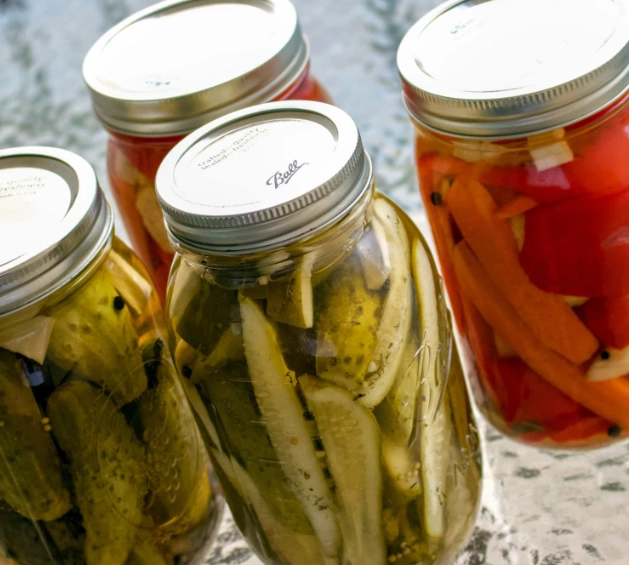
What Makes a Cucumber a "Pickling" Cucumber?
Think of it like this: a pickling cucumber is built for the job. It's the workhorse, while a slicing cucumber is the showhorse. The key differences aren't just skin deep.
First, the skin. It's thinner and less waxy than a slicer's skin. This is huge. A thinner skin allows the brine to penetrate more evenly and quickly, leading to better flavor throughout. It also means you often don't need to peel them, saving time and adding texture. That waxy coating on supermarket slicers? It's like a raincoat against your brine.
Then, the flesh. This is the crunch factor. Pickling cukes have denser, firmer flesh with smaller seed cavities. A large, watery seed cavity is the enemy of a crisp pickle; it's where mushiness begins. Dense flesh holds its structure during the pickling process, whether you're doing a quick refrigerator pickle or a long ferment. The seeds are also generally smaller and less developed, especially if you pick them at the ideal size (more on that later).
Finally, the shape and size. They're typically shorter, blockier, and have a more consistent diameter. This isn't just for looks. A uniform shape ensures even pickling. No one wants a raw center in a otherwise perfect spear. Their smaller size means they can be packed whole (like gherkins) or cut uniformly.
So, when you're looking for true pickling cucumbers, you're looking for a specific set of traits designed for preservation. It's the foundation everything else is built on.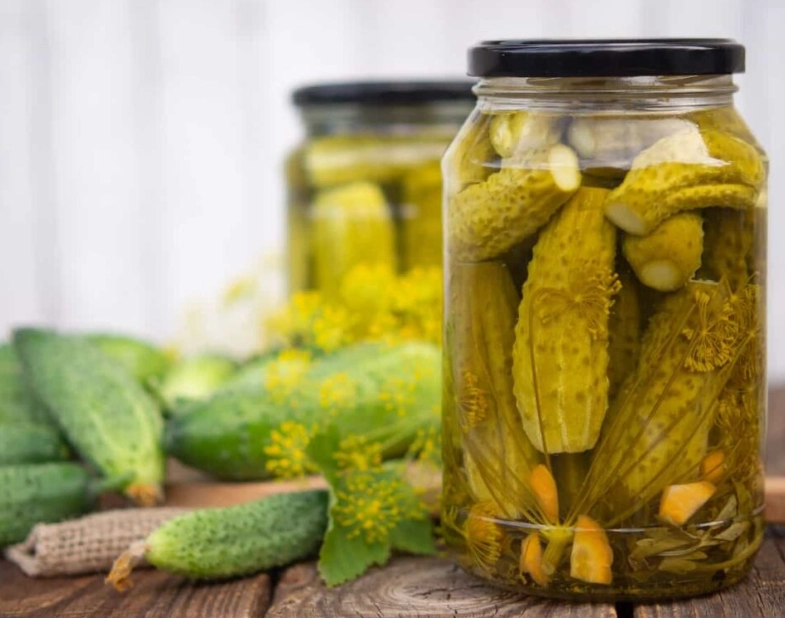
The Top Pickling Cucumber Varieties: A Grower's and Buyer's Guide
Okay, so we know what to look for. But which names should you be seeking out? Whether you're browsing seed packets for your garden or scanning the farmer's market signs, here are the champions. I've grown most of these, and each has its own personality.
| Variety Name | Best For | Key Characteristics & My Notes | When to Harvest (Length) |
|---|---|---|---|
| Boston Pickling | All-purpose, classic dill pickles | The old reliable. Dark green, slight spines, incredibly productive. Makes consistently good, crunchy pickles. Not the most exciting, but it never lets you down. | 3-6 inches |
| National Pickling | Machine harvesting, uniform spears | Very uniform, straight fruits. Bred for commercial use but great for home gardeners who want neat, identical spears. Crunch is excellent. | 5-6 inches |
| Kirby (often a type, not a single variety) | Classic deli-style pickles | This is the one you'll most often see labeled at markets. Stubby, bumpy, incredibly crisp. They have a great "snap." The quintessential pickling cucumber for many. | 3-5 inches |
| Parisian Gherkin | True cornichons, tiny pickles | Tiny, ridged, and prickly. Picked when only 1-2 inches long for authentic cornichons. A pain to harvest in quantity, but the flavor and crunch are unmatched for that specific use. | 1-3 inches |
| County Fair | Beginners, disease resistance | If your plants tend to get mildew or wilt, this is your friend. It's bred to resist common diseases. The pickles are very good, not legendary, but you'll actually get a harvest. | 5-7 inches |
| Lemon Cucumber | Conversation-starting pickles | Yes, it's round and yellow! Mild, sweet flavor. Makes fantastic sweet pickles or bread-and-butters. The texture is different—still crisp, but in a more tender way. Kids love them. | Size of a lemon (2-3" diameter) |
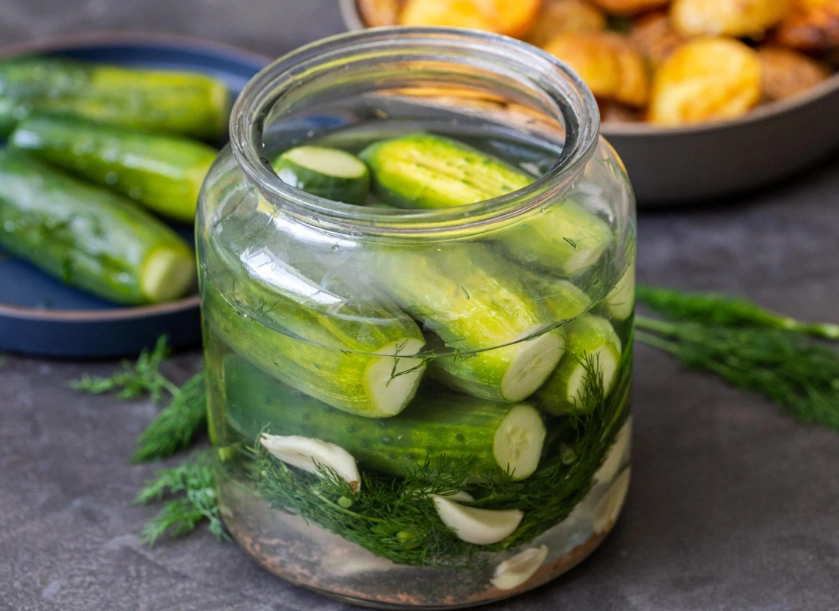
How to Choose the Best Pickling Cucumbers at the Store or Market
You're not growing them? No problem. Here's how to pick the winners from the bin.
Look for Firmness: This is non-negotiable. Give it a gentle squeeze. It should feel rock-solid, with no give whatsoever. Any soft spots are a highway to mush-town. The ends should be firm, not wrinkled or soft.
Check the Color: A vibrant, medium to dark green is ideal. Avoid yellowing cucumbers—they're overripe, and their seeds will be large and hard. Pale green can be okay, but often indicates less flavor development.
Mind the Size: Smaller is almost always better for pickling cucumbers. Aim for 4-6 inches for general pickling. The tiny 1-3 inch ones are for gherkins. Once they balloon past 6-7 inches, they start becoming seedy and less dense.
Examine the Skin: You want a matte finish, not a shiny, waxy one. Small bumps or spines are normal and even desirable for many pickling varieties. The skin should be thin-looking. Avoid any with significant blemishes, cuts, or dull patches.
The Stem End Tell: A fresh, green stem end is a good sign. A dry, brown, or missing stem end isn't a deal-breaker, but it means the cucumber is less fresh and may have started dehydrating slightly.
Prepping Your Pickling Cucumbers: The Crucial Steps Everyone Rushes
You have your perfect batch of pickling cucumbers. Now, don't ruin them by skipping prep. This is where attention to detail pays off in crunch.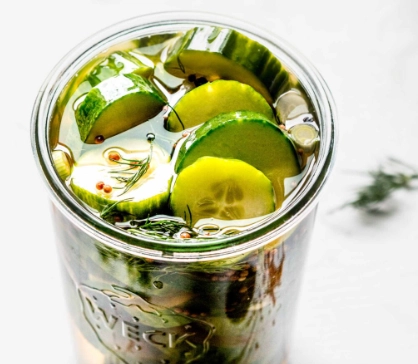
Wash, But Don't Soak: Give them a good scrub under cold running water with a vegetable brush to remove any dirt or field grit. Do NOT soak them in water. Soaking can cause them to absorb water, which dilutes their natural flavor and can lead to soggier pickles. Just a quick, vigorous scrub.
The Blossom End Controversy: This is a big one. The blossom end (the opposite end from the stem) contains an enzyme called pectinase or cucurbitacin that can lead to soft pickles. Many recipes insist you must slice off at least 1/16th of an inch from the blossom end. Honestly? With fresh, proper pickling cucumbers, I often find this matters less for quick pickles. For fermentation or canning, I'm more diligent about it. If you're unsure, just trim it off. It takes two seconds and eliminates a variable. How do you tell which end is which? The blossom end is often slightly wider and may have a small, dry flower remnant or a circular scar. The stem end is narrower and has a puckered spot where it was attached.
To Prick or Not to Prick? Some old-school recipes for whole pickles tell you to prick the cucumbers all over with a fork or toothpick. The theory is it helps the brine penetrate. For small gherkins, it might help. For spears or slices, it's completely unnecessary and can make the pickles look messy. I skip it.
The Two Main Paths: Quick Pickling vs. Fermentation
This is the fundamental fork in the road. Your choice here changes the flavor, texture, process, and even the health profile of your final product.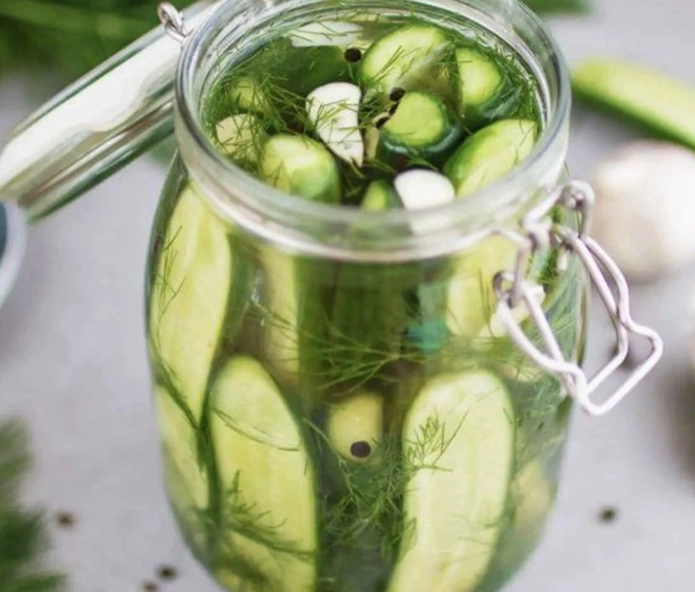
Quick Pickling (Vinegar Brine)
This is the gateway method. You make a hot vinegar-salt-sugar-spice solution and pour it over your prepared pickling cucumbers. They live in the fridge. It's fast, safe, and delivers that classic, tangy pickle flavor in days or even hours.
Pros: Fast (ready in hours/days). Consistent, tangy flavor. Very low risk of spoilage if kept refrigerated. Great for beginners.
Cons: The crunch has a shorter shelf life (weeks, not months). The flavor is more one-dimensional (just vinegar tang). Lacks the probiotic benefits of fermentation.
My Basic Never-Fail Quick Brine Ratio (for about 1 lb of pickling cucumbers):
1 cup water
1 cup vinegar (white distilled for clarity, apple cider for flavor)
1 tbsp pickling or kosher salt (NOT iodized table salt!)
1 tbsp sugar (optional, but balances)
Bring this to a boil with your spices (dill seed, garlic, peppercorns, mustard seed), pour over packed jars, cool, and refrigerate.
Fermentation (Lacto-Fermentation)
This is the ancient, magical way. Here, salt alone (in a specific concentration) creates an environment where beneficial bacteria (lactobacillus) thrive. These bacteria convert the natural sugars in the pickling cucumbers into lactic acid, which preserves them and creates that deep, complex, sour flavor. This is how traditional deli pickles, kimchi, and sauerkraut are made.
Pros: Complex, nuanced sour flavor. Amazing, deep crunch that can last for months. Contains live, gut-healthy probiotics. No vinegar needed.
Cons: Slower (takes 1-6 weeks). Requires more careful monitoring (keeping things submerged). Small risk of surface mold (usually harmless, but scary for beginners).
The Golden Rule of Fermenting Pickling Cucumbers: Use the correct salt concentration. Too little, and bad bacteria win. Too much, and the good bacteria can't start. A 3.5% to 5% brine by weight is the standard. For example, for 1 liter of water, you'd use 35-50 grams of non-iodized salt. Weighing is more accurate than volume.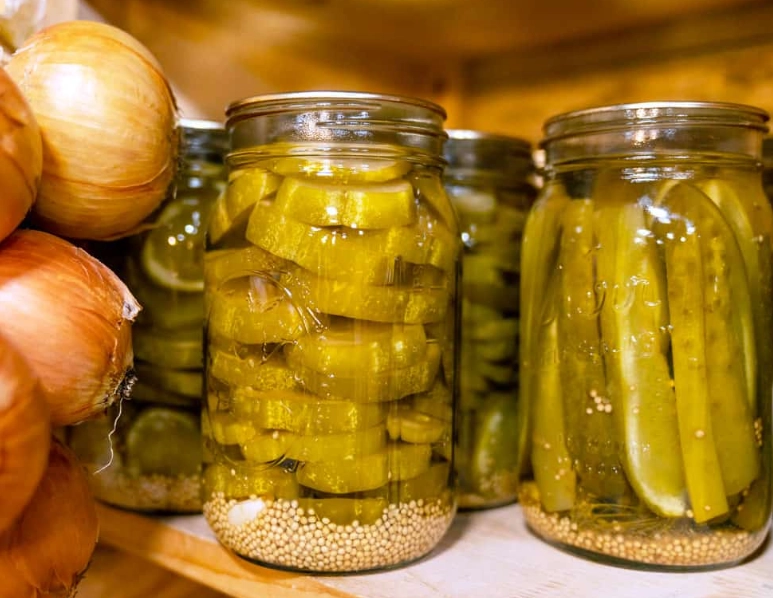
Choosing your path depends on your goal. Want pickles tomorrow with a familiar taste? Quick pickle. Want a project that yields a transformative, gut-healthy product? Ferment.
Why Are My Pickles Soggy? The Ultimate Troubleshooting Guide
This is the heartbreak. You did everything (you thought) right, and you're left with a jar of limp sadness. Let's diagnose it.
- Wrong Cucumber: This is the #1 cause. Using a thick-skinned, watery, seedy slicing cucumber is a recipe for mush. Go back to the top of this article. Start with real pickling cucumbers.
- Overripe Cucumbers: Big, yellowing cukes have passed their prime. Their cell structure is breaking down already.
- Blossom End Enzyme: For fermented or canned pickles, not removing the blossom end can introduce the softening enzyme.
- Insufficient Salt or Acid: In quick pickles, the brine wasn't acidic or salty enough to firm up the pectin. In ferments, the salt percentage was too low.
- Heat Damage: For quick pickles, pouring boiling-hot brine directly over cucumbers can cook them slightly, leading to softness. Let the brine cool for a minute or two, or use a cold brine method. For canning, over-processing in the water bath can cook them to death.
- Calcium to the Rescue: This is the old pickle-maker's trick. Adding a source of calcium chloride keeps pectin bonds strong. You can use:
- Pickle Crisp® (Calcium Chloride): A pure, food-safe product. Follow package instructions.
- Grape or Oak Leaves: Tannins in the leaves help preserve crispness. A few fresh, clean leaves in the bottom of your jar.
- Black Tea: A spoonful of loose black tea or a tea bag in the brine adds tannins.
- Alum (Potassium Aluminum Sulfate): An old-fashioned crisping agent. It works, but there are health debates about ingesting aluminum. I avoid it in favor of calcium chloride.
Answers to Your Burning Pickling Cucumber Questions
These are the things you Google at 11 p.m. while your jars are cooling.
Q: Can I use regular cucumbers for pickling?
A: You *can*, but you shouldn't expect great results. They will likely be softer, less flavorful, and the skin might be tough. If it's all you have, peel them, slice them, and make a quick refrigerator pickle to eat within a week. Manage expectations.
Q: Do I need to sterilize jars for refrigerator pickles?
A: For quick pickles stored in the fridge, a good wash in hot, soapy water is sufficient. The high acidity and refrigeration inhibit spoilage. For fermentation or canning for shelf-stability, proper sterilization is critical. The National Center for Home Food Preservation is the ultimate authority on safe canning procedures.
Q: How long do homemade pickles last?
A: Quick pickles in the fridge: 2-4 weeks, with crispness declining over time. Fermented pickles in the fridge (after fermenting): 4-6 months, often longer. Properly canned, shelf-stable pickles: 12-18 months for best quality.
Q: Is it safe if my ferment gets bubbly/cloudy?
A: Bubbles are a GREAT sign—it means fermentation is active! Cloudy brine is also completely normal in a live ferment; it's the sign of happy bacteria and spent yeast. Clear brine in a fermented product is often a sign that fermentation never really started. Trust the process. (But always trust your nose—foul, putrid smells mean toss it).
Q: What's the healthiest way to pickle cucumbers?
A: Lacto-fermentation, hands down. You get the vitamins from the cucumber plus a dose of natural probiotics created during fermentation. Vinegar pickling doesn't create these beneficial bacteria. Research from sources like PubMed highlights the potential gut health benefits of fermented foods.
Taking It Further: From Basic to Brilliant
Once you've mastered a basic dill pickle with your perfect pickling cucumbers, the world is your oyster... pickle.
Flavor Adventures: Add sliced sweet onions, jalapeño slices, whole coriander seeds, a pinch of red pepper flakes, fresh dill fronds (not just seeds), mustard seeds, or even a tiny bit of curry powder to your brine.
Bread and Butter Pickles: This is where varieties like Lemon cucumber shine. Use a sweeter brine with turmeric, onions, and mustard seed for that classic sweet-and-tangy chip.
Pickle Other Things with Your Cucumbers: Make a mixed jar with your pickling cucumbers, cauliflower florets, green beans, and carrot sticks. They all pick beautifully together.
The journey with pickling cucumbers is deeply satisfying. It connects you to food in a way few other kitchen projects do. You start with a humble, spiny fruit, apply some simple science and patience, and end up with a jar of something vibrant, delicious, and made entirely by you. It’s the opposite of instant gratification, and that’s what makes the final crunch so sweet. Or, well, so sour.
Go find some real pickling cucumbers. Give it a try. And don't be afraid of the ferment. The worst that can happen is you learn something for next time. The best that can happen is you'll never be satisfied with a store-bought pickle again.
Reader Comments