Quick Guide
- Why Getting the Timing Right Matters So Much
- The Foolproof Signs: How to Tell It's Time to Harvest
- The Harvest Itself: How to Pick and Handle Properly
- What Comes Next: Curing and Storage for Longevity
- Your Butternut Squash Harvest Questions, Answered
- A Personal Mistake (So You Don't Make It)
- The Final Checklist for Perfect Timing
I remember the first time I grew butternut squash. I was so excited, watching those little green bulbs swell on the vine. But then came the big question that stumped me—when on earth are they ready? Pick them too early, and you get a bland, starchy disappointment. Leave them too late, and you might find a mushy, frost-damaged mess. It’s a gardening moment of truth.
Figuring out the perfect time to pick butternut squash isn't just about the calendar. It's a sensory thing. You've got to look, touch, and even give it a little poke. After years of getting it right (and oh, I've gotten it wrong too), I’ve put together this guide to cut through the confusion. We’ll talk about color, feel, vine health, and what to do after you’ve made the cut. Let's get into it.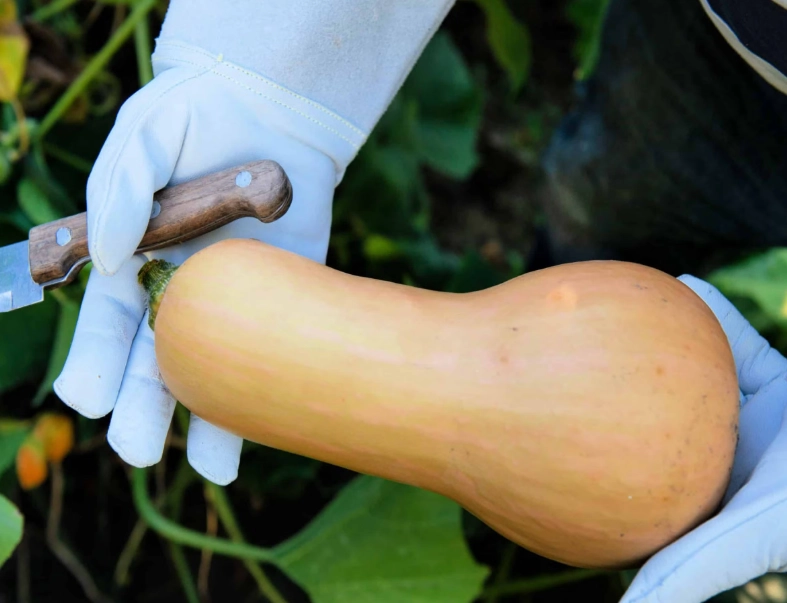
Why Getting the Timing Right Matters So Much
You might think a squash is a squash, but the difference between one picked at peak ripeness and one picked even a week off is night and day. It’s the difference between sweet, nutty, creamy flesh and something that’s just… meh. The right timing directly impacts two huge things: flavor and storage life.
A butternut squash that matures fully on the vine develops its full complement of sugars. That’s where that signature sweetness comes from. An immature squash hasn’t finished converting its starches, so it tastes bland and can have a weird, fibrous texture. Not good for soup, that’s for sure.
Then there’s the skin. A mature squash has a hard, tough rind that acts like a natural armor. This rind is what allows butternut squash to be stored for months in a cool, dark place. If you pick it too early, the skin is thinner and more prone to nicks and rot. Your precious harvest might only last a few weeks instead of all winter. That’s a lot of wasted potential soup and roast dinners.
So, getting the butternut squash picking time right isn't just garden pedantry. It’s about maximizing your yield’s quality and longevity. It’s the key to unlocking that amazing flavor and making your garden work for you through the colder months.
The Foolproof Signs: How to Tell It's Time to Harvest
Forget guessing. Here are the concrete, can’t-miss signs that your butternut squash is begging to be harvested. You’ll want to see a combination of these, not just one.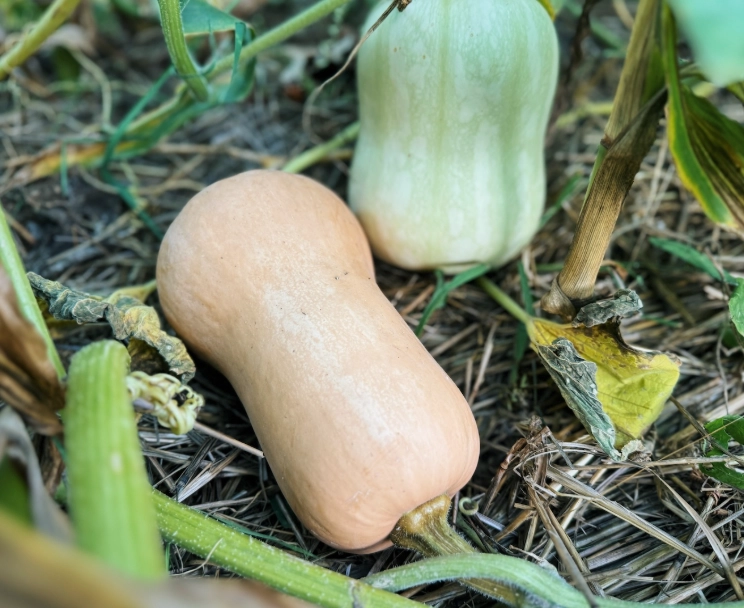
The Visual Checklist: What Your Eyes Should See
First up, look at it. A mature butternut squash sends clear visual signals.
Color is the biggest giveaway. Forget the bright, creamy yellow or green of a young squash. You’re looking for a deep, uniform tan or beige color. Think latte or a brown paper bag. The part that was resting on the ground will often turn a darker, creamy orange spot—that’s perfectly normal and a good sign. If there’s still a lot of green streaking, especially near the stem, it’s not ready. Patience.
Next, check out the stem. It should be drying out, turning from a fresh, green, pliable stem into a hard, brown, corky one. This is the plant’s way of sealing off the fruit. If the stem is still soft and green, the squash is still actively receiving nutrients from the vine.
Finally, look at the skin’s texture. It should look dull and matte, not shiny or glossy. A glossy skin usually indicates immaturity. The skin itself should look tough. You shouldn’t be able to easily pierce it with your fingernail (more on that test next).
The Touch Test: The Thumbnail Test and Skin Hardness
Looks can be deceiving, so you’ve got to get hands-on. This is my favorite test because it’s so definitive.
Take your thumbnail and try to press it into the skin of the squash. Not the stem end, but the main body. Give it a good, firm push.
- If your nail easily punctures the skin, leaving an indent, the squash is immature. Leave it on the vine.
- If you have to press very hard and your nail barely leaves a mark, or makes no mark at all, congratulations—the rind has hardened (or “cured” on the vine), and it’s ready. This hardness is your #1 indicator for long storage.
I can’t stress this enough. That rock-hard skin is non-negotiable for winter storage. A soft rind equals short shelf life. It’s the single most reliable physical sign for determining when to harvest butternut squash.
The Vine Tells a Story: Reading the Plant's Clues
The squash itself isn’t the only thing talking to you. The vine it’s attached to is giving a play-by-play commentary.
As autumn progresses, the once-lush, green vine will start to senesce. That’s a fancy word for die back. It will turn yellow, then brown, and become dry and crispy. This is a natural process. When the vine connected to your specific squash is mostly brown and dead, it’s a strong signal that the plant has finished sending energy to that fruit. It’s done its job.
But here’s a nuance: sometimes one vine will have multiple squash maturing at slightly different rates. The vine might be half-dead. In this case, don’t rely solely on the vine. Use it as a supporting clue alongside the color and thumbnail test. If the vine is completely dead and the squash looks good and passes the hardness test, it’s definitely time to pick.
Timing It Right: The Calendar, Frost, and Your Growing Zone
Okay, so we have the visual and tactile signs. But when should you start looking for them? This is where a general timeline comes in handy.
Most butternut squash varieties need 80 to 110 days from planting to mature harvest. Count the days from when you transplanted seedlings or from when seeds germinated. This gives you a ballpark “checking window.” For most gardeners in temperate climates, this window is late September through October.
The biggest external factor is frost. Butternut squash are warm-season crops and cannot tolerate frost. A light frost (temps just below 32°F/0°C for a short time) might just nip the leaves. But a hard frost will penetrate the squash itself, causing cell walls to rupture and leading to rapid rot in storage. It ruins the texture.
Your mission is to harvest before the first hard frost. If a hard frost is predicted, you must harvest all your squash, regardless of perfect ripeness. An immature squash harvested before frost is better than a mature one turned to mush by frost.
Your local climate is key. A gardener in USDA zone 4 will have a much tighter harvest window than someone in zone 8. The University of Minnesota Extension has excellent resources on frost dates for northern growers, while the University of California's Master Gardener program offers advice for warmer climates. Knowing your average first frost date is crucial garden planning. You can find your local frost dates through the USDA Plant Hardiness Zone Map and associated agricultural extensions.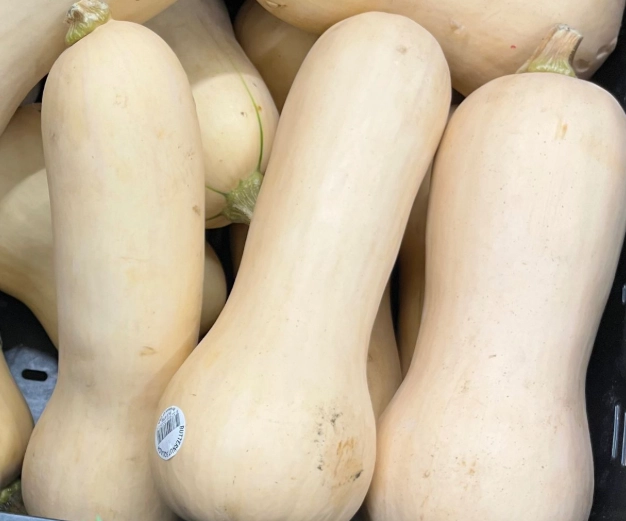
| USDA Zone Range | Typical Harvest Window | Primary Concern |
|---|---|---|
| 3-5 | Mid to Late September | Early frost. Speed of maturity is critical. |
| 6-7 | Late September to Mid-October | Balancing full maturity with first frost date. |
| 8-9 | Throughout October | More time for curing on vine. Less frost pressure. |
| 10+ | Fall/Winter months | Heat management during growth; frost not an issue. |
That table is a general guide, but your microclimate matters more. My garden is in a bit of a frost pocket, so I always harvest a week before my official zone’s average date. Better safe than sorry.
The Harvest Itself: How to Pick and Handle Properly
You’ve identified a ripe squash. Now, don’t ruin it with a bad harvest! This part is simple but critical.
Always use pruners or a sharp knife. Do not twist and pull the squash off the vine. You’re likely to rip a chunk out of the squash’s top, creating a wound that invites rot and drastically shortens storage life.
Cut the stem, leaving a good 2 to 4 inches of stem attached to the squash. Think of this stem like a protective cork. A squash “de-corked” by having its stem broken off flush is an open door for bacteria and fungi. A nice, long, handle-like stem is a sign of a carefully harvested squash. If the stem detaches accidentally, try to use that squash first.
Handle them gently. They’re tough, but they can still bruise. Avoid carrying them by the stem—it can break off. Cradle them in your arms or use a basket or wheelbarrow lined with a towel.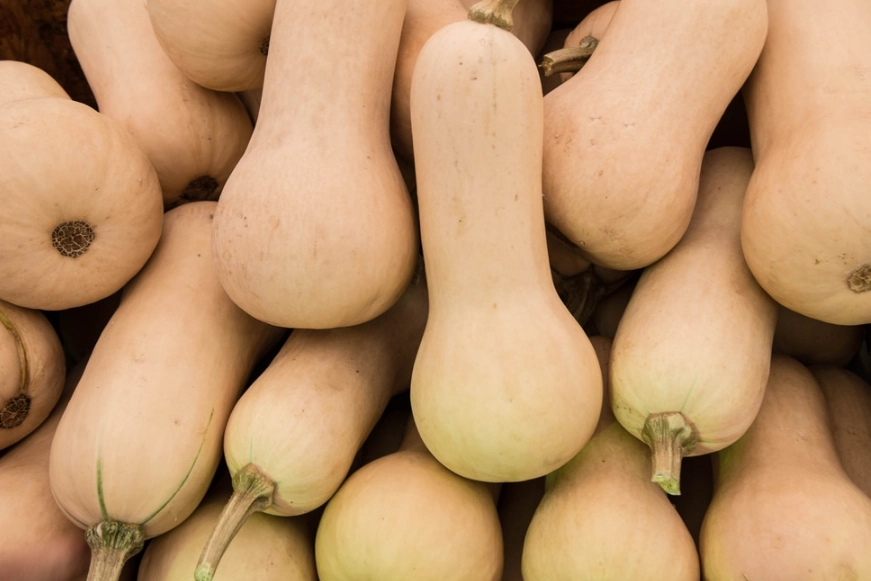
What Comes Next: Curing and Storage for Longevity
Harvesting isn’t the finish line. For the squash to reach its peak flavor and achieve that legendary storage life, it needs a process called curing.
Curing is simply letting the squash sit in a warm, dry, well-ventilated place for about 10 to 14 days after harvest. Ideal conditions are 80-85°F (27-29°C) with good air circulation. A sunny porch, a greenhouse bench, or even a warm garage floor can work. This process does a few magical things:
- It further hardens the rind, sealing any microscopic scratches.
- It allows the stem end to dry and seal completely.
- It encourages the last of the starches to convert to sugars, slightly sweetening the flesh.
After curing, move your squash to its long-term storage spot: a cool, dark, and dry place. Ideal storage temperature is between 50-55°F (10-13°C). A basement, root cellar, or unheated spare room is perfect. Do not store them in a damp cellar or a plastic bag—they need to breathe. Check them every few weeks and use any that show soft spots first.
A properly cured and stored butternut squash can easily last 3 to 6 months. I’ve eaten them in March that were harvested the previous October, and they were still fantastic. This is the ultimate reward for nailing the butternut squash when to pick decision.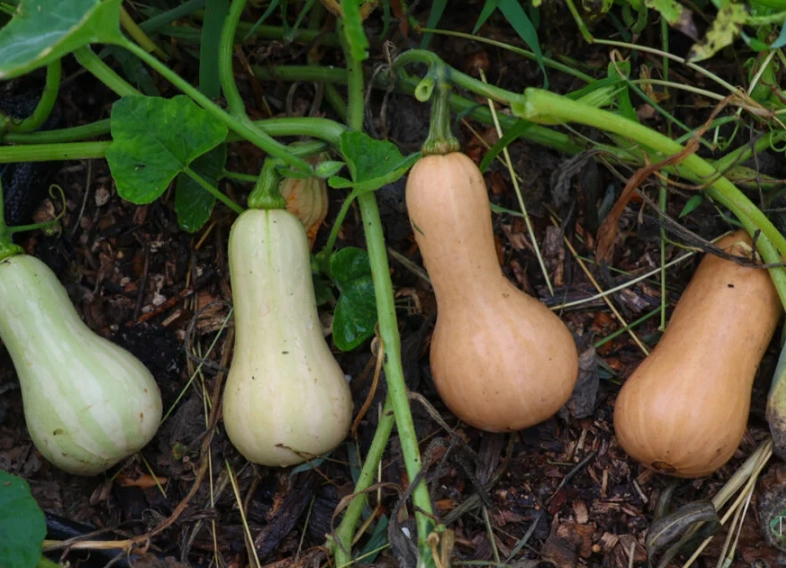
Your Butternut Squash Harvest Questions, Answered
A Personal Mistake (So You Don't Make It)
I have to confess one year I was too clever by half. I had a gorgeous squash that passed all the tests in mid-October. But the forecast was mild for weeks, so I thought, “I’ll let it get even sweeter on the vine!” I left it. We got an unexpected, soaking cold rain for four days straight, followed by a sneaky early frost I missed in the forecast. When I went out, the underside of that perfect squash was a waterlogged, rotting mess. The skin had been compromised by the constant wet. I lost it entirely.
The moral? Once it’s ripe, harvest it. Don’t gamble with perfect weather. The controlled conditions of your curing and storage area are safer than the whims of autumn. Knowing when to pick butternut squash is also knowing when to stop pushing your luck.
The Final Checklist for Perfect Timing
Let’s boil it all down. Before you make the cut, run through this mental list:
- Color: Deep, uniform tan/beige. No green streaks.
- Skin: Dull, not glossy. Rock-hard to the thumbnail test.
- Stem: Brown, dry, and corky.
- Vine: Browning or dead near the fruit.
- Weather: Harvest before a hard frost is forecast. Dry days are best for harvesting.
- Action: Use pruners, leave 2-4 inches of stem, handle gently.
- Next Step: Cure in warm, dry air for 10-14 days, then store in a cool, dark place.
Getting the butternut squash picking time right is one of the most satisfying skills in the autumn garden. It connects you directly to the cycle of the plant and rewards you with food that lasts for months. Trust the signs, not just the calendar. Your taste buds (and your future winter self) will thank you.
Now, go check your garden. Give one of those squash a tap with your thumb. Is it ready?
Reader Comments