What's Inside This Guide
- What Exactly Is a Raspberry? Let's Get Botanical
- Why Raspberries Are a Nutritional Powerhouse (The Data-Backed Stuff)
- From Market to Mouth: Selecting, Storing, and the Eternal Battle Against Mold
- The Art of the Pairing: What Goes With Raspberry?
- Beyond the Berry: Your Raspberry Questions Answered
- Putting It All Together: A Week of Raspberries
Let's talk about raspberries. You know, those little red gems that cost a small fortune at the grocery store for about six months of the year. I used to just toss them in my yogurt or on top of a pavlova and call it a day. But then I started really paying attention. Why does a handful of them feel like such a treat? Why do they pair so incredibly well with chocolate, but also somehow work with black pepper? There's a lot more going on with this fruit with raspberry flavors than just being a summer dessert topper.
This isn't just another list of facts. I've spent way too much time (and money) buying raspberries, trying to grow them, messing up recipes with them, and finally figuring them out. This guide is what I wish I'd had—a deep, practical, and honest look at everything from what a raspberry fruit actually is (botanically, it's wild) to how to stop them from turning into mush in your fridge.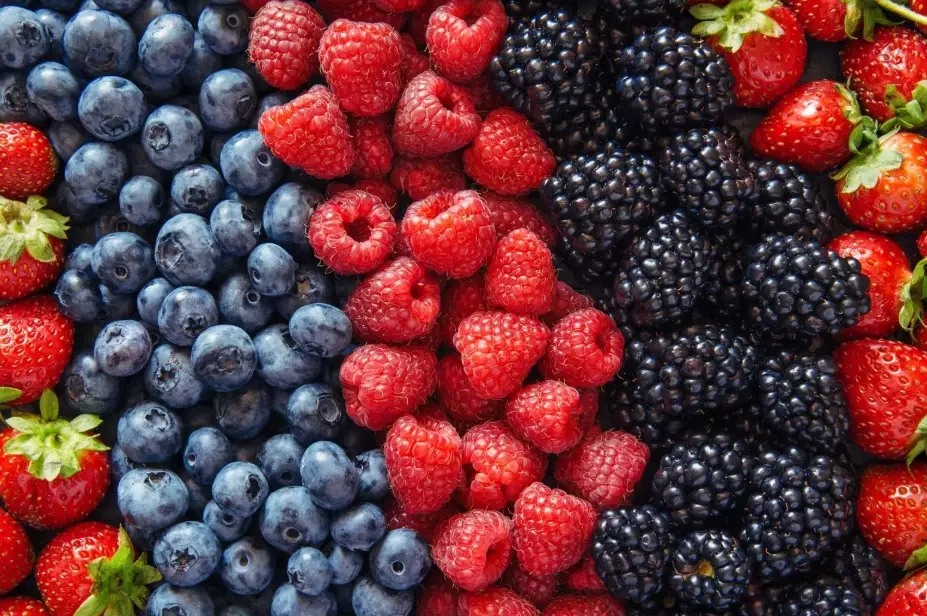
What Exactly Is a Raspberry? Let's Get Botanical
Most of us just see a tasty berry. But if you want to understand a fruit with raspberry characteristics, you gotta start with the science. It's a member of the Rubus genus, part of the rose family. That explains the delicate, floral notes hiding behind the tartness, right? Cousins include blackberries, boysenberries, and dewberries.
The plant itself is a perennial with biennial stems called canes. First-year canes (primocanes) grow leaves, second-year canes (floricanes) produce the fruit. Some modern varieties, called everbearing or fall-bearing, fruit on primocanes too, which is a game-changer for home gardeners wanting a longer harvest.
I killed my first raspberry plant because I didn't know this. I pruned everything back in the fall like I did my other shrubs. Big mistake. No fruit the next year. Lesson painfully learned.
The Rainbow of Raspberry Varieties (It's Not Just Red)
Red raspberries (Rubus idaeus) are the classic. But walk into a specialty farmer's market, and your mind might be blown.
- Black Raspberries (Rubus occidentalis): Often confused with blackberries, but they're different. They have a richer, deeper, almost wine-like flavor and are even more fragile. They're a powerhouse of anthocyanins (those antioxidants everyone raves about). Finding them fresh is a treasure.
- Golden or Yellow Raspberries: These aren't just unripe red ones. They're a natural mutation with a sweeter, milder, almost honey-like taste. They lack some of the anthocyanins that give red and black varieties their color, but they're a fantastic option for people who find red raspberries too tart.
- Purple Raspberries: A hybrid between red and black types. They combine the size and firmness of reds with the unique flavor of blacks. Great for jams.
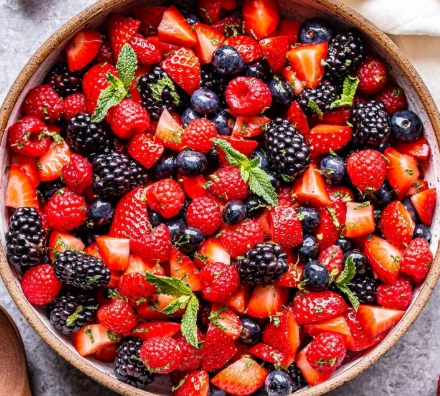
Here’s a quick cheat sheet to keep them straight:
| Variety | Flavor Profile | Best Uses | Peak Season Note |
|---|---|---|---|
| Heritage (Red) | Classic tart-sweet, balanced | Eating fresh, all-purpose baking | Midsummer staple |
| Jewel (Black) | Intense, earthy, super fruity | Jams, syrups, eating fresh if you're lucky | Short, early summer window |
| Anne (Golden) | Exceptionally sweet, mild, honeyed | Fresh eating, salads, elegant desserts | Late summer into fall |
| Brandywine (Purple) | Rich, full-bodied, less tart | Jams, pies, wines | Midsummer harvest |
The variety matters more than you think. A tart 'Canby' red raspberry will behave very differently in a vinaigrette than a sweet 'Polka' variety. It's the first secret to mastering this fruit.
Why Raspberries Are a Nutritional Powerhouse (The Data-Backed Stuff)
Okay, so they're delicious. But are they actually good for you, or is that just marketing? Let's look at the numbers, mostly from the USDA's FoodData Central, which is my go-to for reliable food composition info.
Per one cup (about 123 grams) of raw red raspberries, you're getting:
- Fiber: A whopping 8 grams. That's about 32% of the daily recommended intake. This is the headline act for me. Most of it's insoluble, which is great for digestive health. It's one of the highest fiber-per-calorie fruits you can find.
- Vitamin C: About 32% of the Daily Value (DV). Crucial for immune function and skin health.
- Manganese: Around 41% of the DV. Important for bone development and metabolism.
- Vitamin K: About 12% of the DV. Key for blood clotting and bone metabolism.
- Calories: Only about 64. They're low in sugar compared to many fruits (about 5.4 grams of sugar per cup).
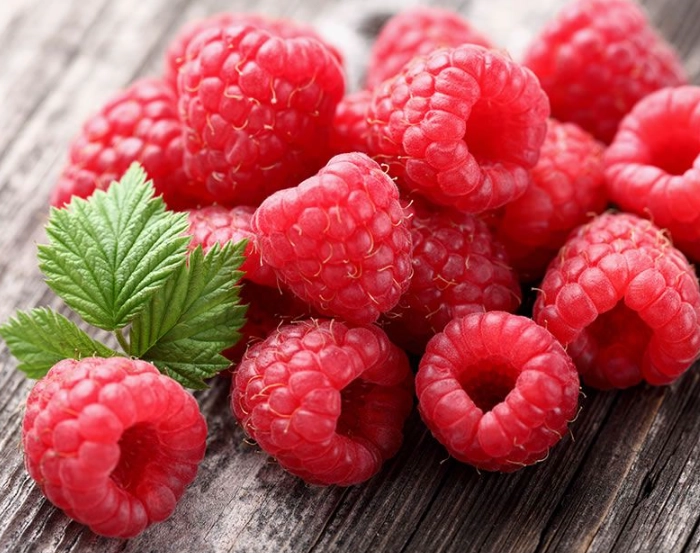
Then there are the phytochemicals—the compounds that give plants their color and have potential health benefits. Raspberries are loaded with ellagic acid, quercetin, and anthocyanins (especially in the darker varieties). Research, like some summarized by resources from The Nutrition Source at Harvard T.H. Chan School of Public Health, suggests diets rich in these compounds from berries are associated with reduced oxidative stress and inflammation.
But let's be real for a second. No single food is a magic bullet. Eating a cup of raspberries won't cancel out a terrible diet. The benefit comes from making them a regular part of an overall healthy pattern. I think of them as one of the most efficient, tasty delivery systems for fiber and antioxidants nature has on offer.
The downside? Cost and perishability. Which leads us perfectly to the next thing.
From Market to Mouth: Selecting, Storing, and the Eternal Battle Against Mold
This is the practical heart of dealing with any fresh fruit, and raspberries are the final boss of perishability. You bring home a perfect clamshell, look away for a day, and suddenly there's a fuzzy grey colony claiming sovereignty.
How to Pick a Winning Pint
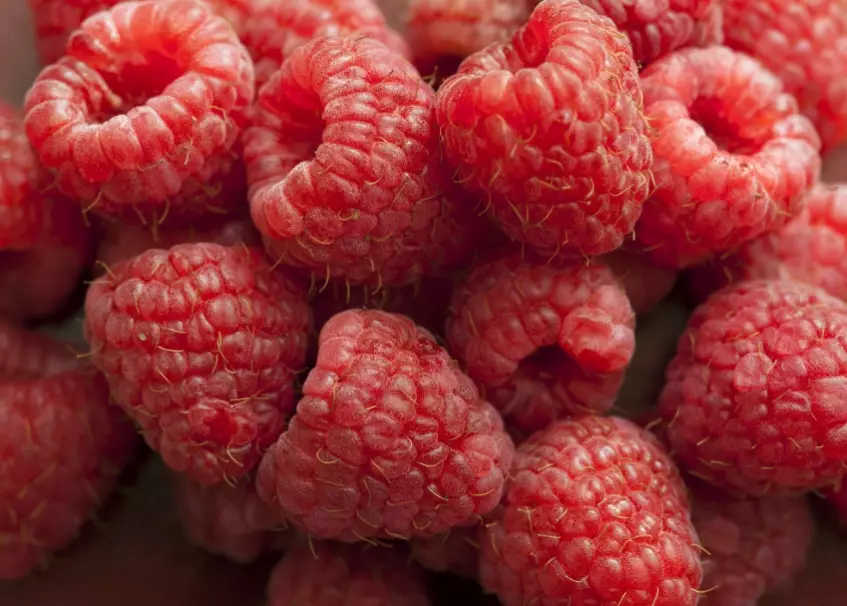
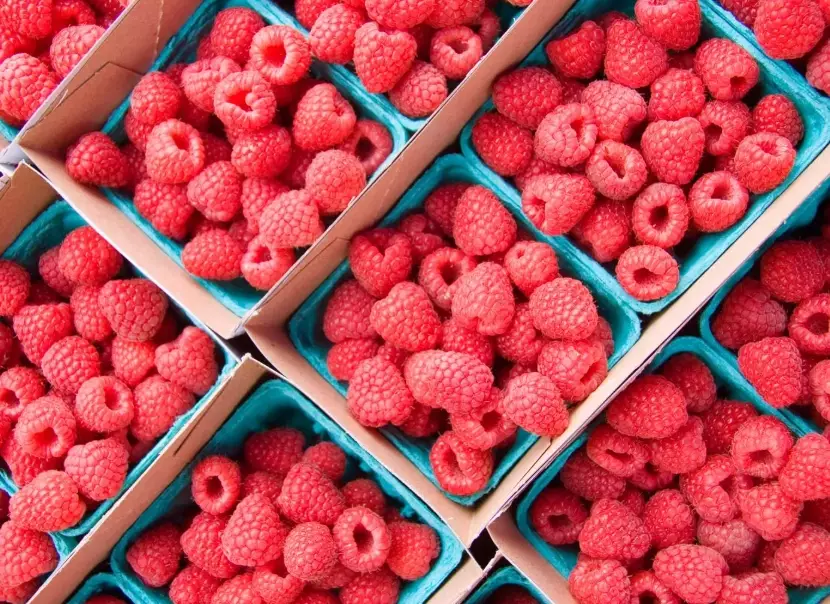
- Look: They should be plump, firm, and have a consistent, deep color. Avoid containers with stains or juice at the bottom—that's a sign of crushed or overripe berries. A few lighter colored ones in a red pint is usually fine.
- Feel (through the container): They shouldn't feel soggy or stuck together.
- Smell: This is a big one. Give the container a gentle sniff near the vents. You should get a faint, sweet, floral aroma. If you smell nothing, they're probably bland. If you smell anything sour or funky, walk away.
The Controversial Wash: Before or After Storing?
This is where home cooks divide into warring camps. The official food safety guidance from sources like the U.S. Food Safety website says to wash all produce before eating. But with raspberries, moisture is the enemy of longevity.
Here's my compromise method that works 90% of the time:
- Do NOT wash them right when you get home. Place the unopened container in the fridge immediately.
- When you're ready to eat them (within 1-3 days), prepare a bowl of cold water with a splash of white vinegar (about 1 part vinegar to 3 parts water).
- Gently place the berries in the vinegar bath, swish for 30 seconds. The vinegar helps kill mold spores.
- Lift them out gently (don't dump them into a colander—they'll bruise) and spread them in a single layer on a clean kitchen towel or paper towels.
- Pat them very gently with another towel and let them air dry completely before eating or using. This whole process adds 10 minutes but can extend your berry life.
The Art of the Pairing: What Goes With Raspberry?
This is where the magic happens. The flavor of a fruit with raspberry complexity is a brilliant balance of sweet, tart, and floral. It can play well with so many other ingredients.
Classic Fruit Pairings (The No-Brainers)
Some combinations are classics for a reason. Raspberry and peach in a cobbler? Divine. Raspberry and apple baked into a crisp? The raspberry's tartness cuts through the apple's sweetness perfectly. But let's go beyond the obvious.
One of my favorite simple desserts is just a mix of raspberries and blackberries with a tiny drizzle of honey and a pinch of flaky sea salt. The salt makes all the fruit flavors pop.
The Unexpected Allies: Herbs, Spices, and Savory Twists
This is where you can get creative. Raspberries aren't just for dessert.
- Herbs: Basil and mint are the most common. A raspberry-basil vinaigrette on a summer salad with goat cheese is a winner. But try thyme or even rosemary in a raspberry sauce for lamb or duck. The earthy pine notes work surprisingly well.
- Spices: Vanilla and cinnamon are safe. For a kick, try a tiny bit of freshly cracked black pepper mixed into raspberry jam—it's incredible on a cheese board. A pinch of cardamom in raspberry muffins is a game-changer.
- Cheese: This is a whole world. Fresh, tangy goat cheese or creamy mascarpone are perfect foils. But don't sleep on aged, salty cheeses like a good Pecorino or even a blue cheese. The sweet-tart jamminess of the berry cuts through the fat and salt beautifully.
- Vegetables: A raspberry vinaigrette is classic on salads. But try roasting beets and tossing them with a raspberry reduction and some walnuts. The earthy sweetness of the beets loves the berry's acidity.
Think of the raspberry not just as a sweet ingredient, but as a source of bright acidity and fruity depth. It can be your secret weapon in the kitchen.
Beyond the Berry: Your Raspberry Questions Answered
I get questions from friends all the time. Here are the big ones.
Are raspberries and blackberries the same thing?
Nope! They're cousins. The easiest way to tell: when you pick a raspberry, it leaves its white core behind on the plant, so the berry is hollow. A blackberry picks with its core attached, so it has a solid white center. Black raspberries (which are different from blackberries) also have a hollow core.
Why are raspberries so expensive?
Three reasons: they're incredibly fragile (require hand-picking and delicate packaging), they're highly perishable (short shelf life means lots of waste), and they have a relatively short growing season for the main varieties. You're paying for labor, packaging, and the race against time.
Can I grow my own raspberries?
Absolutely, and I encourage it if you have the space. They're not the easiest plant, but they're rewarding. Get a sunny spot with well-drained soil. Decide if you want summer-bearing (one big crop) or everbearing (two smaller crops). Be prepared to trellis them—they get wild. And be vigilant for birds. Netting is non-negotiable if you want any fruit for yourself. The taste of a sun-warmed raspberry you grew yourself is incomparable to anything in a store clamshell.
What's the deal with raspberry leaves? Can you make tea?
Yes, raspberry leaf tea is a thing, made from the dried leaves of the red raspberry plant. It's been used in traditional medicine for centuries, often associated with women's health. It's important to note that while it's generally recognized as safe for most, you should consult a healthcare provider, especially if pregnant or nursing, as its effects are not fully regulated or understood by modern science. It tastes like a mild, slightly earthy black tea.
Putting It All Together: A Week of Raspberries
Let's make this practical. You buy a pint. Here’s how to use it before they turn.
Day 1: Eat half the pint fresh, maybe with some Greek yogurt and honey for breakfast.
Day 2: Make a quick raspberry sauce (simmer 1 cup berries with a tablespoon of honey and a squeeze of lemon until broken down, strain if you want it seedless). Use it on pancakes or ice cream.
Day 3: Toss the last handful into a green salad with some almonds and a light vinaigrette.
If they're softening: Blend them into a smoothie with banana and spinach, or mash them onto toast with peanut butter.
The goal is to see this fruit with raspberry potential not as a one-trick dessert pony, but as a versatile, flavorful, and nutritious ingredient that can brighten up all sorts of meals.
So next time you see those containers at the store, you'll see more than just a price tag. You'll see a unique botanical structure, a fiber powerhouse, a culinary chameleon, and a challenge to get from fridge to plate before the mold does. And honestly, that challenge is part of the fun. It makes enjoying them at their perfect peak all the sweeter.
Reader Comments