Quick Navigation
- What Even Is a Pickling Cucumber?
- Top Pickling Cucumber Varieties to Grow (or Look For)
- How to Grow Pickling Cucumbers That Actually Produce
- The Harvest: Picking at the Perfect Moment
- From Vine to Jar: Prepping Your Cucumbers for Pickling
- Pickling Methods Demystified: Fridge, Canned, or Fermented?
- Your Pickling Cucumber Questions, Answered
- Putting It All Together: A Simple Roadmap
Let's be honest. You've probably stood in the grocery store, looked at the regular slicing cucumbers, and wondered if you could just use those for your pickle project. I've been there. I tried it once, and let me tell you, the result was a sad, mushy jar of disappointment. That's when I learned there's a whole world dedicated to the humble pickling cucumber. It's not just marketing; these little guys are bred for the job.
This isn't about fancy techniques or obscure ingredients. It's about understanding why a specific cucumber makes all the difference between a soggy pickle and that perfect, satisfying crunch. Whether you're a first-time gardener or a seasoned canner who's had a few jars go wrong, this guide is for you. We're going to walk through the entire journey, from seed to jar.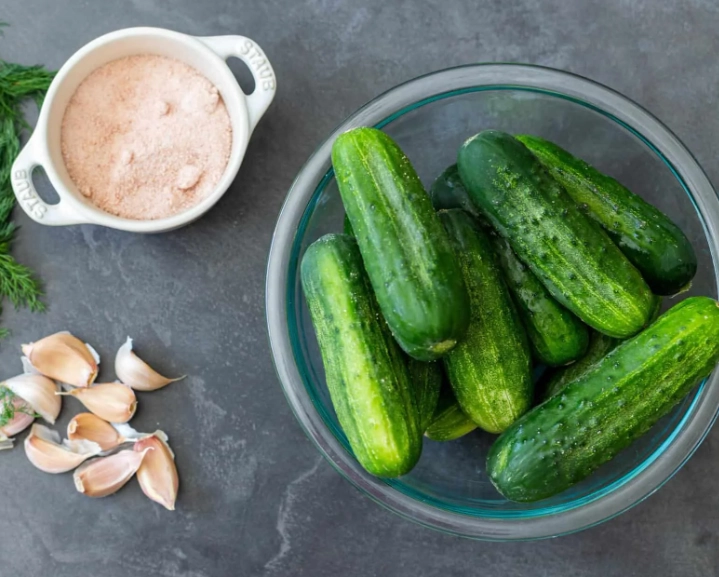
What Even Is a Pickling Cucumber?
It's a fair question. At first glance, they just look like small, bumpy cucumbers. But the magic is in the details. Pickling cucumbers, often called "picklers," are a specific type of Cucumis sativus. They're typically shorter and squatter than their slicing cousins, with a thicker, bumpier skin that holds up during the brining process. The real secret? Their flesh is denser and has smaller seed cavities.
Think of it like this: a slicing cucumber is like a sponge—lots of air and water. A pickling cuke is more like a brick—solid and compact. When you pour a hot vinegar brine over a sponge, it collapses. A brick stays firm. That dense flesh is what gives you that iconic pickle crunch. The skin also plays a role; it's better at absorbing flavors while maintaining its integrity.
Key Takeaway: Don't try to substitute. Using a slicing cucumber for pickling is the number one reason for homemade pickle failure. They lack the structural integrity and will almost always turn out soft.
Top Pickling Cucumber Varieties to Grow (or Look For)
Not all pickling cukes are created equal. Some are better for specific types of pickles, and some are just more reliable. Here’s a breakdown of the champions, based on my own trials and a lot of conversations with other gardeners.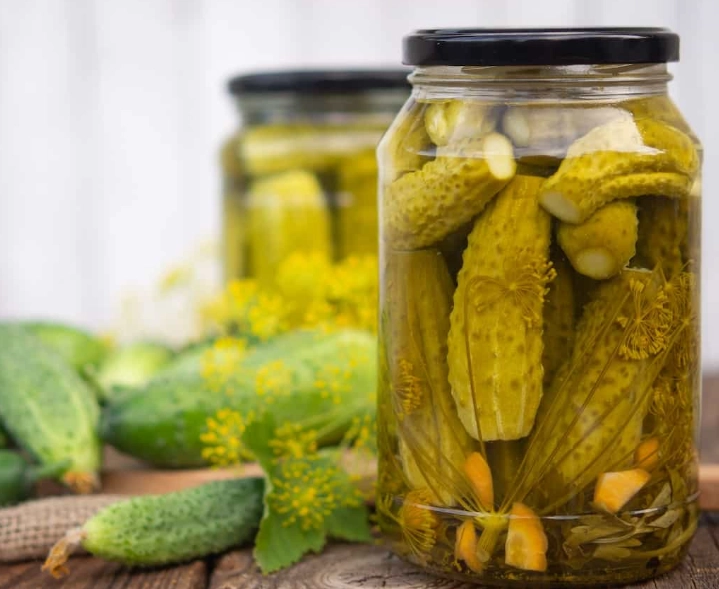
| Variety | Key Characteristics | Best For | My Notes |
|---|---|---|---|
| Boston Pickling | The classic. Dark green, blocky, about 3-5 inches. Very productive. | All-purpose, especially good for whole dill pickles. | This is my go-to for reliability. It's not fancy, but it works every single time. Produces like crazy if you keep picking. |
| National Pickling | An All-America Selections winner. Straight, slender, spineless. Great for machine harvest. | Bread and butter slices, spears, gherkins. | Grows very uniformly, which is satisfying. The "spineless" part is nice—no prickly hairs to deal with. |
| Kirby | Often sold under this name in stores. Short, stout, incredibly crisp. Thick, bumpy skin. | The ultimate crisp pickle. Perfect for classic dills. | This is what you're often buying at the farmer's market. If you can find seeds labeled "Kirby-type," grab them. The crunch is unmatched. |
| Parisian Gherkin | Tiny, prickly cucumbers meant to be harvested at 1-2 inches. | Authentic cornichons. Fancy pickles. | A labor of love. You have to pick them every single day when they're in season, but the result is a truly special, tangy little pickle. |
| Homemade Pickles | A newer hybrid. High yield, disease resistant, stays crisp. | Gardeners in humid climates where mildew is a problem. |
Where do you find good pickling cucumber seeds? I've had great luck with companies like Burpee and Johnny's Selected Seeds. They clearly label their pickling types and often have detailed growing guides.
My personal favorite for a backyard garden is a tie between Boston and Kirby. Boston because it's so dependable, and Kirby for that perfect texture. I tried 'Homemade Pickles' last year after a brutal powdery mildew season, and it lived up to the hype.
How to Grow Pickling Cucumbers That Actually Produce
You've got your seeds. Now what? Growing them isn't hard, but a few tweaks can mean the difference between a handful of cukes and a harvest so big you're giving them away to neighbors (and still pickling for months).
Sun, Soil, and Space: The Non-Negotiables
Sun: Full sun. I mean, at least 8 hours of direct, blazing sun. They are solar-powered pickle factories. Anything less and you get weak vines and few fruits.
Soil: This is crucial. They want rich, well-draining soil. I work in a lot of compost or well-rotted manure before planting. The soil should be warm—at least 70°F. Planting in cold, wet soil is an invitation for the seeds to rot. I usually wait a good two weeks after our last frost date.
Space: Don't crowd them. If you're planting in hills, do 2-3 plants per hill, with hills 3-4 feet apart. For rows, space plants about 12 inches apart in rows 4-5 feet apart. They need air circulation to prevent disease. Trellising is a game-changer. It saves space, keeps the fruits clean and straight, and improves air flow. A simple cattle panel arched over a bed works wonders.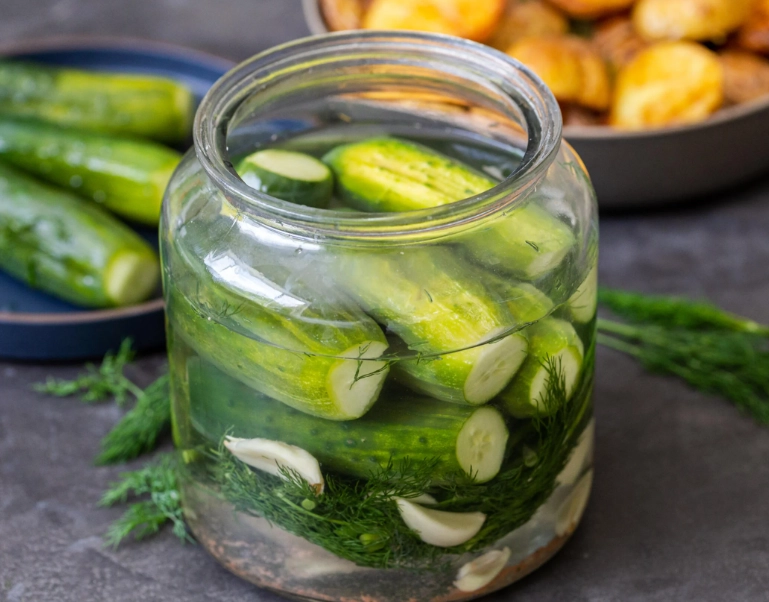
The Watering Balancing Act
This is where I messed up early on. Cucumbers are mostly water, so they need consistent moisture. Inconsistent watering leads to bitter fruits and misshapen cukes. The goal is deep, even soil moisture. A soaker hose or drip irrigation is ideal.
But here's the catch: avoid wetting the leaves. Water at the base of the plant. Wet foliage is the main cause of fungal diseases like powdery mildew, which looks like someone dusted your leaves with white powder. It can kill the plant. If you must overhead water, do it in the morning so the leaves dry quickly.
Pro Tip: Lay down a 2-3 inch layer of straw or shredded leaf mulch around your plants after they're established. This keeps the soil moist, suppresses weeds, and acts as a barrier, keeping soil-borne diseases from splashing up onto the leaves during rain.
Feeding for Success
They're heavy feeders. I start with that rich soil, then give them a boost when they start to vine. A balanced, water-soluble fertilizer every 3-4 weeks works. But go easy on the nitrogen once flowering starts; you want to encourage fruit, not just more leafy vines. A fertilizer higher in phosphorus and potassium is better at that stage.
The Harvest: Picking at the Perfect Moment
This is the most important step for quality pickles. You cannot be lazy here. Pickling cucumbers should be harvested small and often.
Why small? Because that's when they are at their peak crispness and have the smallest, softest seeds. Let a pickling cuke grow to the size of a slicing cucumber, and it becomes seedy, pithy, and less flavorful. The skin toughens. It's past its prime for pickling.
The ideal size depends on the variety, but a general rule is between 2 and 6 inches long. For most standard varieties like Boston or National, I pick them when they're about the diameter of a 50-cent coin and 3-4 inches long. For gherkins, you pick them when they're just 1-2 inches.
How often? In the peak of summer, you need to check your plants every single day. I'm not kidding. A cucumber can go from perfect to overgrown in just 24-48 hours, especially in hot weather. Harvesting frequently also signals to the plant to produce more fruit. If you leave a giant, yellowing cuke on the vine, the plant thinks its job is done and slows down production.
Common Mistake: "I'll just harvest everything at the end of the week." This is a recipe for disappointment. You'll end up with a few perfect ones and a bunch of oversized, useless ones. Daily patrols are non-negotiable for a quality pickle harvest.
Use a sharp knife or pruners to cut the stem about 1/4 inch above the fruit. Don't yank or twist, as you can damage the delicate vine.
From Vine to Jar: Prepping Your Cucumbers for Pickling
You've harvested a basket of perfect, crisp pickling cukes. Don't ruin them now! Proper prep is 50% of the crunch battle.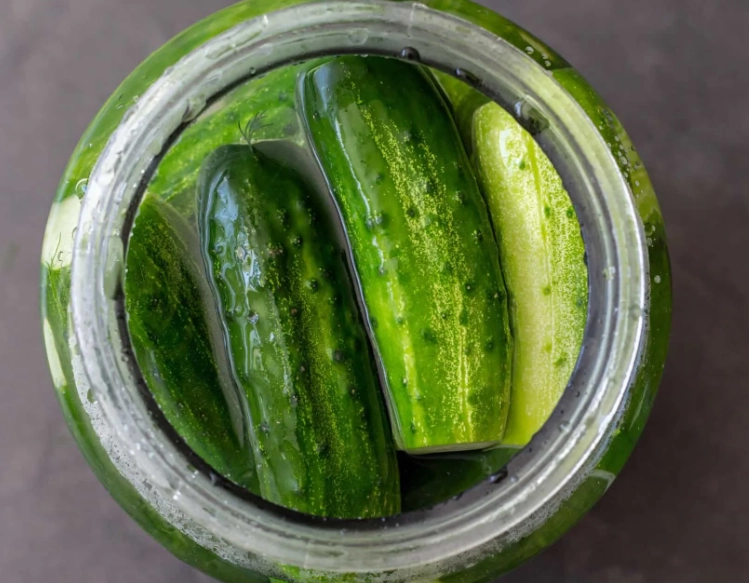
- Wash Immediately: Rinse them in cool water to remove any dirt or spines. Be gentle.
- The Bloom Scrub: This is a secret many miss. The blossom end (the end opposite the stem) contains an enzyme that can cause pickles to soften. Just take a small knife or vegetable brush and scrub or slice off a thin sliver from the blossom end. You don't need to do the stem end.
- The Ice Bath (The Crispness Savior): This is my non-negotiable step, especially if the cukes aren't going straight into the brine. Submerge them in a bowl of ice water for at least 1-2 hours, or even overnight in the fridge. This re-hydrates them and firms up the cell structure, guaranteeing a crunchier pickle. If they've been sitting on the counter for a day looking a bit sad, an ice bath can often revive them.
- Keep Them Cool: Never let your prepared cucumbers sit in a warm kitchen. Refrigerate them until you're ready to pack the jars.
Pickling Methods Demystified: Fridge, Canned, or Fermented?
Now for the fun part. There are three main roads to pickle town, and each has its own personality.
1. Refrigerator Pickles (The Easy Weeknight Solution)
These are not for long-term storage but for quick, delicious eating. You make a brine, pour it over cucumbers in a jar, and stick it in the fridge. They're ready in a few days and keep for a month or two.
Best for: Beginners, small batches, when you want pickles fast without the canning process. I use this method for odd amounts leftover from a big harvest.
The basic ratio I use: 1 cup water, 1 cup vinegar (white or apple cider), 1 tablespoon kosher salt, 1 tablespoon sugar (optional). Heat until salt/sugar dissolves, let cool slightly, pour over cukes and aromatics (dill, garlic, peppercorns) in a jar. Cool completely, lid it, and refrigerate.
2. Water Bath Canning (The Pantry Stockpile Method)
This is the classic method for shelf-stable pickles that you can store in your pantry for a year. It involves packing jars with cucumbers and brine, sealing them with lids, and processing them in a boiling water bath to create a vacuum seal.
Critical Safety Note: You must use a tested, scientifically sound recipe from a reliable source for canning. The acidity (pH) of the brine is critical to prevent the growth of dangerous bacteria like botulism. Do not just wing it or use Grandma's old recipe without verifying the acidity. The go-to authority for this in the US is the National Center for Home Food Preservation (NCHFP). Their website is an invaluable, free resource for safe, tested recipes.
A safe, basic canned dill pickle recipe from the NCHFP will have a specific, non-negotiable ratio of vinegar to water (usually 1:1 or with more vinegar) and will specify using 5% acidity vinegar. Canning salt (pickling salt) is used because it has no anti-caking agents or iodine, which can cloud the brine.
The processing time in the boiling water bath depends on your altitude and jar size. This is not a place to guess. Follow the recipe exactly.
3. Lacto-Fermentation (The Old-World, Probiotic Powerhouse)
This is how pickles were originally made, before vinegar was widely available. It uses salt, water, and time. You submerge cucumbers in a saltwater brine (usually 2-5% salinity by weight). Naturally occurring Lactobacillus bacteria on the vegetables convert sugars into lactic acid, which preserves the pickles and gives them a complex, tangy, sour flavor. These are alive with probiotics.
Best for: Flavor explorers and gut-health enthusiasts. They have a deeper, less vinegary sourness.
The key: Keeping the cucumbers fully submerged under the brine using a fermentation weight. Exposure to air can cause mold. They ferment at room temperature for 3-10 days (taste-testing along the way), then are moved to cold storage (fridge) to slow the fermentation. They are not shelf-stable like canned pickles and need to be kept refrigerated, where they'll last for months.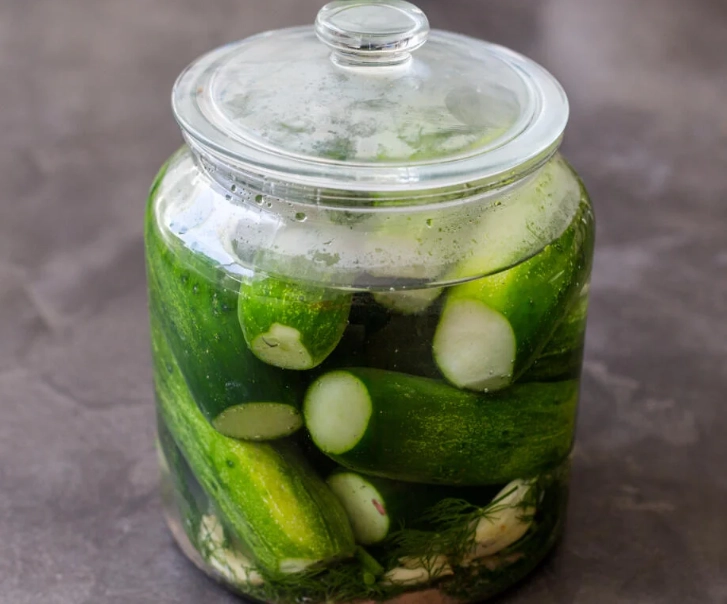
Your Pickling Cucumber Questions, Answered
1. You used the wrong cucumber (a slicer).
2. You didn't trim the blossom end.
3. You didn't process them in a water bath long enough (for canned pickles), or you skipped the ice bath prep.
4. The vinegar used was below 5% acidity.
5. They were stored in a warm place after canning.
Putting It All Together: A Simple Roadmap
It can feel like a lot, so here's the essence of it all, the bare-bones path to success:
Start with the right seed (Boston, National, Kirby).
Grow in hot sun and rich, warm soil. Water consistently at the soil level.
Harvest every single day when fruits are small (2-4 inches).
Prep immediately: wash, trim blossom ends, soak in ice water.
Choose your method: Quick fridge pickles for instant gratification, safe water-bath canning from the NCHFP for the pantry, or fermentation for funky, probiotic goodness.
Store canned pickles in a cool, dark place. Eat fermented ones from the fridge.
The journey from a tiny seed to the crack of a perfectly crisp, homemade pickle is one of the most satisfying things you can do in a garden or kitchen. It connects you to generations of people who did the same. It saves food from waste. And honestly, it just tastes better. Once you've had a pickle made from a cucumber you nurtured yourself, picked at its prime, and preserved with care, the store-bought stuff just won't compare. Give it a try this season. Start with a small batch of refrigerator pickles. You might just get hooked.
Reader Comments