You see them piled high at the farmers' market—butternut, acorn, spaghetti squash—and suddenly, it hits you: squash season is here. But what does that really mean? For me, it's more than just autumn decor; it's a culinary adventure that lasts for months. I've spent over a decade experimenting with squash, from botched purees to perfect roasts, and I'm here to share the real deal. Let's cut through the fluff and get practical.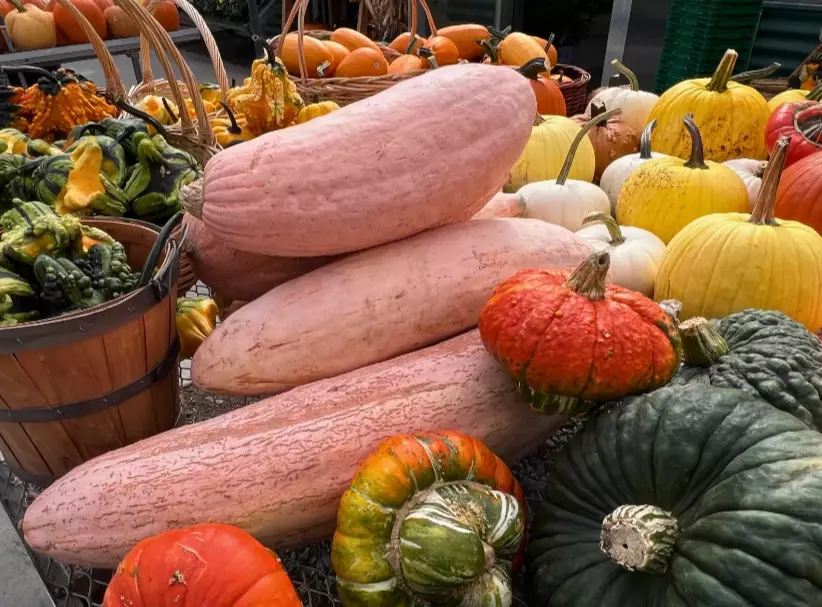
Jump to What Matters
What Exactly is Squash Season?
Squash season isn't a fixed date on the calendar. It's that sweet spot when squash is at its peak—fresh, flavorful, and abundant. In the U.S., it typically runs from late August through November, with October as the highlight. But here's something most blogs miss: squash season overlaps. Summer squash like zucchini winds down by September, while winter squash kicks in and holds strong. According to the USDA, winter squash is harvested in fall but stores well, so you can enjoy it for months. That's why I call it a season, not a moment.
I learned this the hard way. Once, I bought acorn squash in July, thinking it was early season. It was tasteless and woody. Now, I time my purchases with local harvests. Check your region's growing zones; in warmer areas like California, squash season might extend into December. The key is to follow the produce, not the calendar.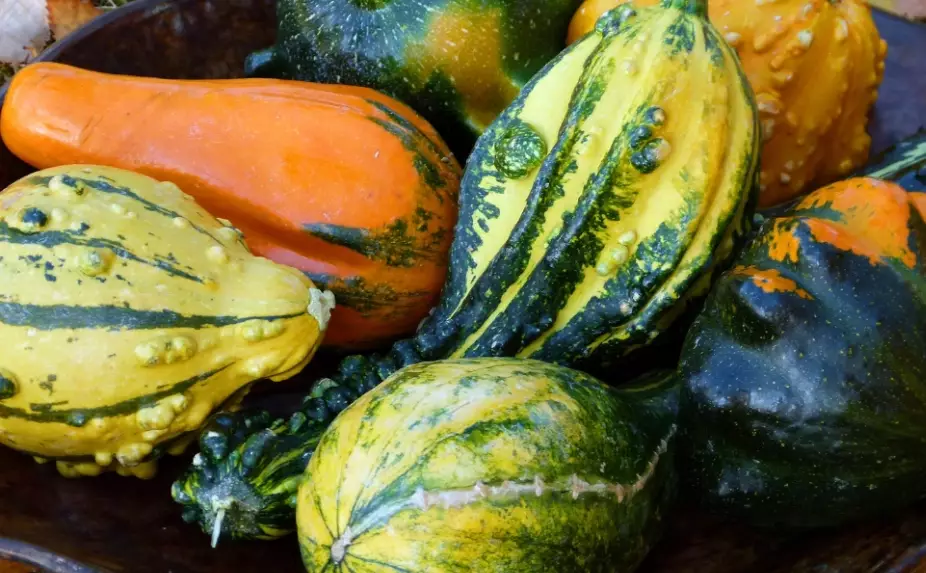
A Guide to Common Fall Squash Varieties
Not all squash are created equal. Some are sweet, some savory, and others just plain tricky to cook. Let's break down the stars of the season.
| Variety | Flavor Profile | Best Uses | Storage Tips |
|---|---|---|---|
| Butternut Squash | Sweet, nutty, creamy | Roasting, soups, purees | Cool pantry for 2-3 months |
| Acorn Squash | Mild, slightly peppery | Baking, stuffing, steaming | Pantry for 1-2 months |
| Spaghetti Squash | Neutral, stringy texture | Low-carb pasta substitute | Pantry for 3-4 weeks |
| Delicata Squash | Sweet, edible skin | Roasting, sautéing | Pantry for 3-4 weeks |
| Kabocha Squash | Rich, sweet potato-like | Stews, tempura, mashes | Cool place for 1 month |
I always go for butternut when I want something versatile, but delicata is my secret weapon for quick weeknight meals—no peeling needed. Kabocha can be denser, so it's great for hearty dishes. Don't overlook lesser-known types like carnival squash; they add color and variety to your cooking.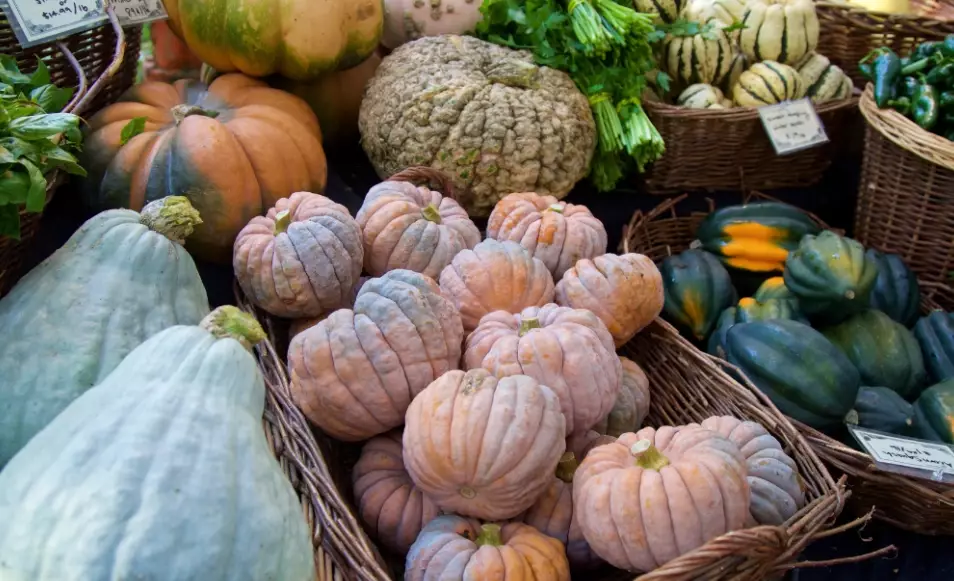
How to Pick the Perfect Squash Every Time
Choosing squash isn't just about grabbing the prettiest one. A common mistake is picking squash that's too young or overripe, leading to bland taste or poor texture. Here's my go-to method:
- Look for firm skin: Avoid squash with soft spots or cracks—they spoil faster. The skin should feel hard and dull, not shiny.
- Check the weight: Heavier squash means more moisture and flesh inside. Lift a few; the denser ones are usually better.
- Inspect the stem: A dry, intact stem is a good sign. If it's missing or moldy, the squash might be old.
- Color matters: For butternut, aim for uniform tan color. Acorn squash should be deep green with some orange patches.
I once bought a spaghetti squash that sounded hollow when tapped. Turns out, it was underripe and yielded barely any strands. Now, I give it a gentle knock—if it sounds solid, it's good to go. Farmers' markets often have samples; don't hesitate to ask for a taste. Local growers, like those at the Union Square Greenmarket in New York, can offer insights on peak ripeness.
Storing Squash: Do's and Don'ts
Storage is where most home cooks slip up. Refrigerating all squash is a rookie error I made for years. Here's the truth:
Do store whole squash in a cool, dark place. A pantry or basement around 50-55°F works best. Butternut can last up to 3 months, while delicata might only make it a month. Keep them away from apples and bananas—these fruits emit ethylene gas that speeds up ripening and spoilage.
Don't refrigerate uncut squash. The cold damages cell structure, making squash mushy. I learned this after ruining a batch of acorn squash; they turned soggy overnight. Only refrigerate cut squash, wrapped in plastic or sealed in an airtight container, for up to 5 days.
Freezing is an option, but with caveats. Cook and puree squash before freezing. Raw frozen squash becomes watery and loses texture. Portion it into freezer bags, label with dates, and use within 6 months for best quality.
5 Must-Try Squash Recipes for Autumn
Recipes should be approachable, not intimidating. Here are five I rely on, from simple to slightly advanced.
Roasted Butternut Squash Soup
This is my fall staple. Roast cubed butternut squash with onions and garlic at 400°F for 30 minutes. Blend with vegetable broth, a splash of coconut milk, and spices like nutmeg. Simmer for 10 minutes. Serve with crusty bread. It's creamy without heavy cream, and the roasting deepens the flavor.
Stuffed Acorn Squash
Cut acorn squash in half, remove seeds, and bake cut-side down at 375°F for 30 minutes. Fill with a mixture of quinoa, sautéed kale, cranberries, and walnuts. Bake another 15 minutes. It's a complete meal that looks fancy but takes minimal effort.
Spaghetti Squash Pad Thai
Roast spaghetti squash whole, then shred into strands. Toss with a sauce of tamarind paste, fish sauce, lime juice, and a bit of honey. Add scrambled eggs, tofu, and peanuts. It's a low-carb twist that satisfies noodle cravings.
Delicata Squash Fries
Slice delicata squash into rings (skin on), toss with olive oil and paprika, and bake at 425°F for 20 minutes. They crisp up like fries but are healthier. My kids devour these, and I don't have to peel anything.
Kabocha Squash Curry
Sauté cubed kabocha with onions, ginger, and curry paste. Add coconut milk and simmer until tender. Stir in spinach at the end. This dish is rich and comforting, perfect for chilly evenings. Kabocha holds its shape well, so it doesn't turn to mush.
Each recipe serves 4-6, and prep times range from 10 to 30 minutes. I've tweaked these over the years—like adding a pinch of cayenne to the soup for heat—so feel free to experiment.
Pro Tips from a Seasoned Cook
Beyond recipes, here are insights you won't find on every cooking site:
- Microwave squash to soften before cutting: Butternut squash can be rock-hard. Pierce it a few times, microwave for 2-3 minutes, and it'll be easier to slice. This saves time and reduces knife risk.
- Save the seeds: Don't toss squash seeds. Rinse them, toss with oil and salt, and roast at 325°F for 15 minutes. They make a crunchy snack or salad topping.
- Use a vegetable peeler for butternut: A knife can slip. I use a Y-shaped peeler—it's faster and safer. Peel from top to bottom in sections.
- Roast squash on parchment paper: This prevents sticking and makes cleanup a breeze. I learned this after scrubbing baking sheets for years.
- Don't overcrowd the pan: When roasting, give squash pieces space. Crowding leads to steaming, not caramelization. Spread them out in a single layer.
I once tried to roast squash directly on the rack for more crispiness. It was a mess—squash dripped everywhere and burned. Now, I stick to baking sheets.
Frequently Asked Questions
Squash season is more than a trend—it's a chance to connect with seasonal eating. Start with one variety, master a recipe, and build from there. Remember, squash is forgiving; even if a dish doesn't turn out perfect, it'll likely still taste good. Happy cooking!
Reader Comments