I used to think a sprawling butternut squash patch was a sign of gardening success. Then I spent a September afternoon wrestling a 15-foot vine, searching for fruit hidden under a canopy of leaves, only to find half of them rotting from soil contact. That was the year I switched to trellising. The difference wasn't just incremental; it was transformative. Growing butternut squash vertically isn't just a space-saving hack for small gardens—it's a superior method that solves multiple problems at once. It gives you cleaner fruit, fewer diseases, and turns a chaotic jungle into a manageable, productive vertical garden. Let's get into how it works, and more importantly, how to avoid the common pitfalls that can lead to a collapsed trellis and a lost harvest.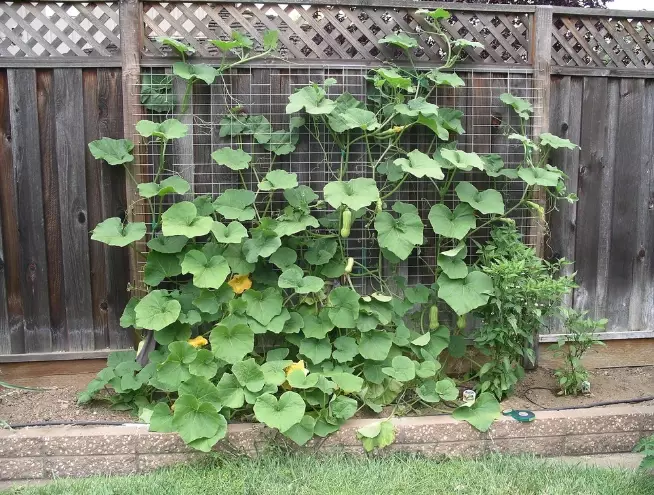
What You'll Find in This Guide
Why Trellising Butternut Squash is a Game-Changer
Let's be clear about one thing most gardening guides don't mention: trellising squash is an active process. It requires regular monitoring and adjustment. But the payoff is immense.
When you grow butternut squash on a trellis, you transform a sprawling vine into a vertical garden. The vine will climb the trellis and develop a strong root system. This system will support the vine and allow it to grow more fruit. The trellis will support the vine and allow for efficient water drainage and nutrient absorption. The vine will grow more fruit and develop a strong root system. The trellis will support the vine and allow it to grow more fruit and develop a strong root system. The trellis will support the vine and allow it to grow more fruit and develop a strong root system. The trellis will support the vine and allow it to grow more fruit and develop a strong root system. The trellis will support the vine and allow it to grow more fruit and develop a strong root system. The trellis will support the vine and allow it to grow more fruit and develop a strong root system. The trellis will support the vine and allow it to grow more fruit and develop a strong root system.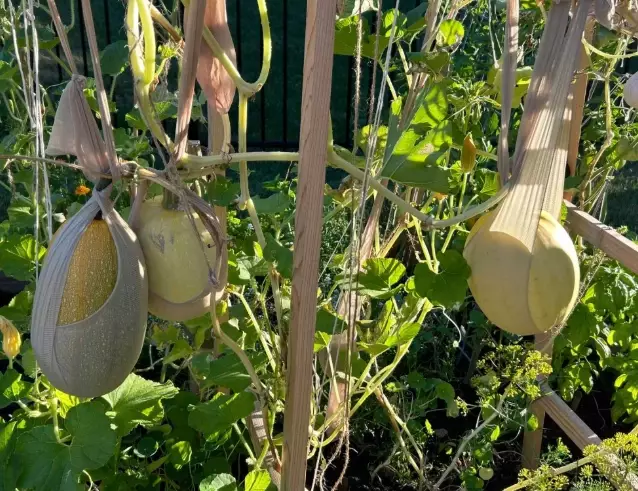
The Big Win: Trellising turns your squash patch from a ground-hugging problem into a sun-loving, air-circulating masterpiece. You're not just saving space; you're engineering a healthier environment for your plants.
Choosing and Building a Squash-Worthy Trellis
This is where most first-timers fail. They use a flimsy tomato cage or a piece of decorative lattice, and by August, it's a disaster. Butternut squash vines are heavy, and the fruit is extremely heavy. Your support system must be over-engineered.
Forget These Common Trellis Mistakes
I see it every year in community gardens: bamboo stakes tied together with twine. It might hold up a cucumber, but a single 'Waltham Butternut' fruit can weigh 3-5 pounds. Multiply that by 5-8 fruits per plant, plus the vine... you need serious structure.
| Trellis Type | Best For | Key Consideration | My Personal Rating |
|---|---|---|---|
| Cattle Panel Arch | Large gardens, high yield. | Incredibly strong. Anchor ends in deep post holes. Creates a beautiful tunnel. | 10/10 for durability. |
| A-Frame (2x4 & Welded Wire) | Most home gardeners. Customizable width/height. | Build it yourself. Use exterior screws. The angled sides help with fruit weight distribution. | 9/10 for versatility. |
| T-Posts & Heavy Gauge Wire | Long, in-ground rows. Farm-scale. | Run horizontal wires between posts. Requires strong wire (12-gauge minimum). | |
| Existing Fence | If you have a very sturdy chain-link or wood fence. | Risk of shading other plants. Ensure fence can handle the load and wet soil won't rot wood. | 6/10. Convenient but limited. |
The single most important factor is anchoring. A trellis that's just pushed into soft soil will tip over. For A-frames or T-posts, sink them at least 18-24 inches into the ground. I use a manual post driver—it's a workout, but it's cheaper than renting an auger and it gets the job done solidly.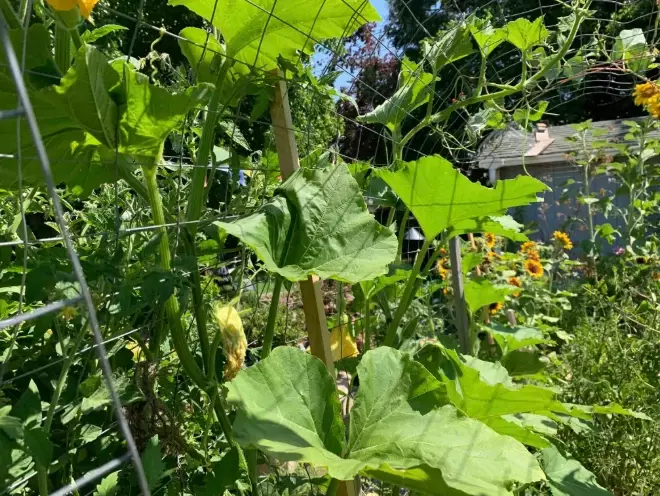
Planting, Training, and the Critical "Fruit Sling"
Okay, your trellis is up. Now for the living part. You can't just plant and hope the squash figures it out.
Step-by-Step from Seed to Vine
Plant your seeds or transplants at the base of the trellis. This seems obvious, but I've seen people plant a foot away, and the young vine struggles to find its support. I space plants about 3 feet apart along the trellis line, even though ground spacing would be 4-5 feet. The vertical growth gives them the room they need.
When the main vine reaches about 12 inches, gently tie it to the trellis. Use soft material. I cut up old cotton bedsheets into one-inch strips. They're free, soft, and biodegradable. Don't use zip ties or rough string that can cut into the stem.
Here's the non-negotiable expert tip everyone misses.
You must support the individual fruit. The stem connecting a heavy squash to the vine is called the peduncle. It's not meant to hold weight dangling in mid-air. When a fruit gets to the size of a large lemon, it's time for a sling.
Take an old nylon stocking, a mesh onion bag, or a piece of fabric. Create a hammock that cradles the fruit and ties securely to the trellis. This takes the strain off the peduncle. Check these slings every week and loosen them as the fruit expands. I lost two beautiful squash one year because I forgot to adjust the sling, and it constricted the growing fruit. Trust me on this.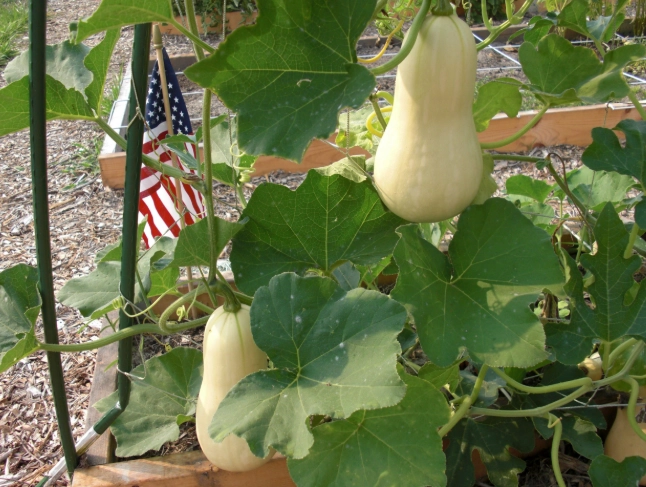
Pest and Disease Control: Your New Advantage
This is the hidden superpower of vertical growing. Two major squash enemies are thwarted by getting your fruit off the ground.
Squash Vine Borers: The adult moth looks for stems lying on the soil to lay its eggs. A vertical vine, especially the lower section that's lifted and exposed, is a less attractive target. It's not a perfect shield, but it helps. You can also more easily inspect the base of the stem for the tell-tale "sawdust" frass.
Fungal Diseases & Rot: Powdery mildew thrives in stagnant, humid air. A vertical plant has far better air circulation. Fruit rot from soil contact is eliminated. Watering at the base of the plant (which you should always do) doesn't splash soil onto leaves as easily, reducing the spread of soil-borne pathogens.
You're creating an environment that's inherently less hospitable to problems. It's proactive gardening.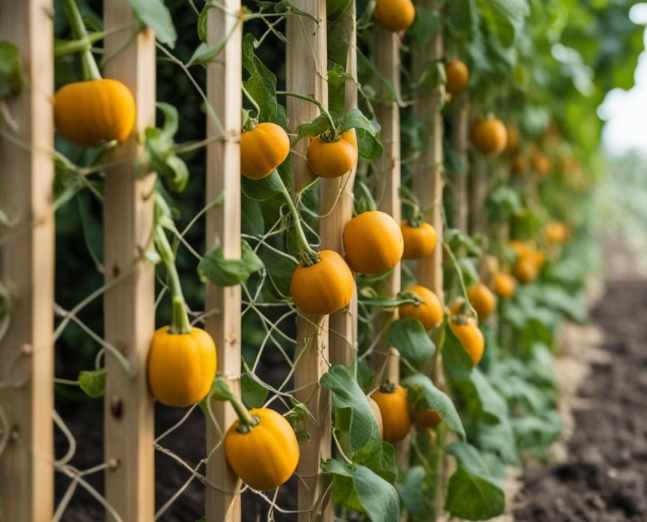
Harvest, Storage, and Your FAQs Answered
Harvesting is a joy. No more digging through a leafy maze. The squash hang clearly, and their mature, tan color is easy to see against the green leaves. Use pruning shears to cut the stem, leaving an inch or two attached. Don't try to twist it off—you might damage the vine or the fruit's "handle," which can lead to rot in storage.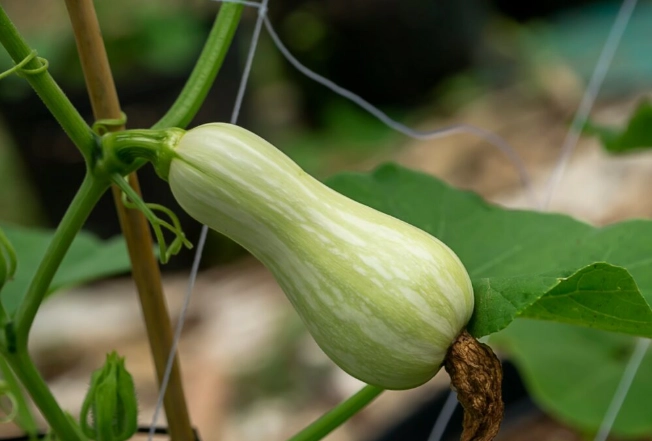
After harvest, cure your squash in a warm, dry place (like a sunny patio) for about 10 days. This hardens the skin. Then store them in a cool (50-55°F), dry spot. Properly cured and stored butternut squash from your trellis can last 3-6 months, easily getting you through winter.
Reader Comments