Quick Navigation
- The Top Tier: Your Go-To Good Baking Apples
- The Apple Baking Ranking: A Side-by-Side Comparison
- Beyond the Supermarket: Heirloom & Regional Good Baking Apples
- The Science of the Bake: Why Texture Matters More Than You Think
- Your Burning Questions About Good Baking Apples, Answered
- Matching the Apple to the Dessert: A Simple Guide
- The Final Slice: Putting It All Together
Let's be honest. We've all been there. You follow a recipe for apple crisp to the letter, but when it comes out of the oven, the filling is a watery, flavorless mush. Or your beautiful apple pie slices collapse into a sad, homogenous blob. What went wrong? Nine times out of ten, the culprit is the apple itself. You didn't start with good baking apples.
It seems simple, right? An apple is an apple. But walk into any grocery store, and you're faced with a dozen varieties, all promising different things. Picking the right one for baking isn't about grabbing the shiniest or the cheapest. It's a science, and honestly, a bit of an art. The wrong apple can turn your labor of love into a disappointment. The right one—the truly good baking apple—elevates a simple dessert into something magical, with perfect texture, balanced flavor, and that iconic aroma that fills your whole kitchen.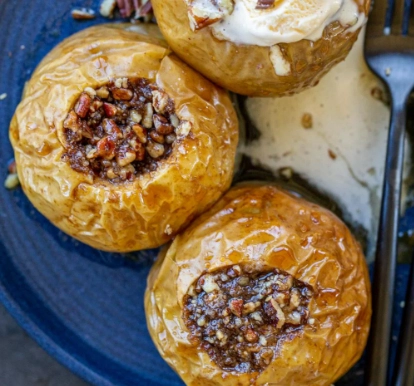
I learned this the hard way. My first from-scratch apple pie was made with Red Delicious apples because they were on sale. Big mistake. They turned into bland, grainy paste. It was a pie only a mother could love, and even then, she was just being polite. That failure sent me down a rabbit hole of research, farmer's market visits, and many, many (sometimes mediocre) test bakes. This guide is the result of all that. It's the deep dive I wish I'd had.
What Makes a "Good Baking Apple" Anyway?
It boils down to two things: structure and flavor. A good baking apple needs to hold its shape when heated, not disintegrate into applesauce. This comes from its cell structure and pectin content. Flavor-wise, it needs a balance of sweetness and acidity that intensifies, not fades, when cooked. A bland apple makes a bland dessert.
The Top Tier: Your Go-To Good Baking Apples
These are the workhorses, the reliable stars you can almost always find and count on. Think of them as the foundation of your baking apple knowledge.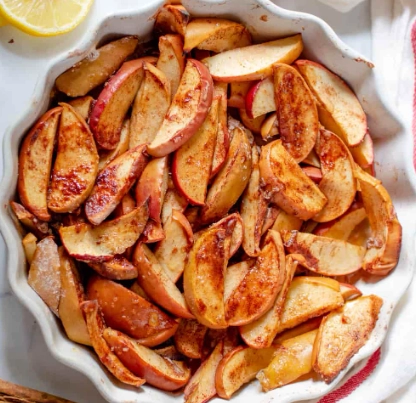
Granny Smith: The Tart Champion
You can't talk about good baking apples for pie without starting here. Granny Smith is the default for a reason. Its bright, lip-puckering acidity cuts through the sweetness of sugar and butter beautifully. It holds its shape like a champ, giving you clean, defined slices in every piece of pie. Some folks find it too tart on its own, which is why it often plays well with sweeter varieties in a mix. Personally, I love that sharp contrast in a deep-dish pie.
Honeycrisp: The Sweet, Crisp Crowd-Pleaser
Honeycrisp has exploded in popularity for eating, and it's fantastic for baking too. It's incredibly juicy and sweet with just a hint of tartness. The texture is phenomenally crisp, and it softens nicely when baked without turning to complete mush. It's a prime example of a dual-purpose apple. The downside? They're often more expensive. But for a special occasion crisp where you want that burst of honey-like flavor, they're worth it.
Braeburn: The Balanced All-Rounder
If Granny Smith and Honeycrisp had a baby, it might be Braeburn. It offers a perfect harmony of sweet and tart, with a spicy, almost aromatic flavor note that comes alive with heat. Its flesh is firm and holds up exceptionally well, making it a top contender for tarts and pies where structure is non-negotiable. It's less common than the first two, but if you see it, grab it.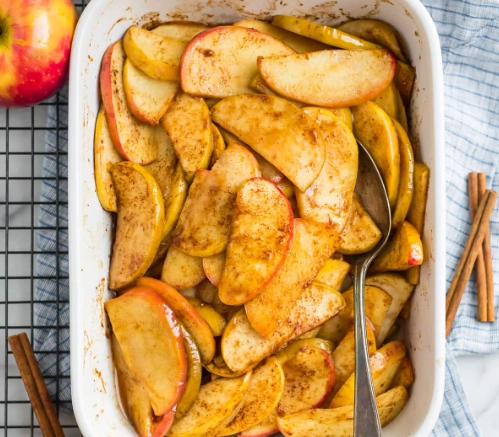
The Apple Baking Ranking: A Side-by-Side Comparison
This table is your quick-reference cheat sheet. It compares the most common apples you'll encounter based on the key traits a baker cares about.
| Apple Variety | Flavor Profile | Texture When Baked | Best Used For | Baker's Note |
|---|---|---|---|---|
| Granny Smith | Very tart, tangy | Holds shape excellently, firm | Apple pie (especially with sweeter mixes), tarts | The gold standard for structure. Balance with sugar. |
| Honeycrisp | Very sweet, mildly tart, juicy | Softens but retains some form, can be juicy | Apple crisps, crumbles, eating fresh | Delicious flavor but can release more liquid. Thicken well. |
| Braeburn | Sweet-tart balance, spicy note | Holds shape very well, firm | All-purpose: pies, tarts, baking whole | A reliable, versatile choice when available. |
| Jonagold | Sweet with honey notes, slight tartness | Softens to a tender, almost creamy texture | Apple sauce, butter, pies where a softer fill is desired | Great flavor, but don't expect distinct slices. |
| Rome | Mildly sweet, very mild flavor | Holds shape surprisingly well | Baked apples, decorations | Beautiful, but flavor is bland. Needs heavy spicing. |
| Golden Delicious | Sweet, mellow, buttery | Breaks down easily, becomes tender | Apple sauce, butter, combined with firmer apples | Will not hold a slice. Use in mixes cautiously. |
| Gala | Very sweet, floral | Becomes quite soft, can be mushy | Quick bakes, muffins, eating fresh | I avoid it for pies. It lacks the acid and structure. |
| Fuji | Very sweet, low acid | Stays somewhat firm but can be bland | Combined with tarter apples, eating fresh | Its high sugar can lead to faster burning. |
A Word of Warning: See Red Delicious, Gala, and Fuji at the bottom of that list? They are fantastic snacking apples, but they are notoriously poor choices for baking. They lack the necessary acidity and their cell structure turns mealy or mushy under heat. Using them is the fastest way to a soggy-bottomed, flavor-deficient dessert. Just don't do it.
Beyond the Supermarket: Heirloom & Regional Good Baking Apples
If you really want to level up your baking game, look beyond the usual suspects. Farmers' markets and orchards in the fall are treasure troves for heirloom varieties that are, in my opinion, the absolute best apples for apple pie. Their flavors are more complex and intense.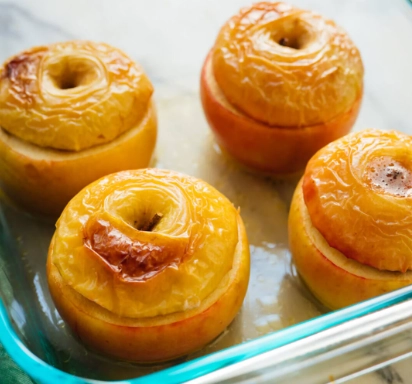
- Northern Spy: This is the pie-baker's secret weapon. Incredibly firm, tart, and aromatic. It holds a perfect slice and has a legendary reputation among serious bakers. If you see it, buy all of them.
- Winesap: An old-fashioned variety with a spicy, wine-like flavor and a firm, crisp texture. It's a true all-purpose baking apple that brings incredible depth.
- Pink Pearl (or other Cox-style apples): These often have a rosy flesh and a intensely balanced flavor that is both sweet and sharply tart. They bake up beautifully.
- Arkansas Black: A late-season keeper that gets better in storage. It's very firm and tart when harvested, mellowing over time. Great for pies made in winter.
Finding these can be a hunt, but resources like the Orange Pippin website are fantastic for identifying varieties and finding orchards that grow them. For scientifically-backed information on apple varieties and their horticultural traits, universities like Washington State University Extension provide excellent, verified resources.
Pro-Tip: The Magic of the Mix
Here's my favorite trick for complex flavor and perfect texture: use two or three different kinds of good baking apples in one dish. Combine a tart, shape-holder (like Granny Smith or Northern Spy) with a sweet, flavorful variety that softens (like Honeycrisp or Jonagold). You get structural integrity from the first, and deep, juicy flavor from the second. It's a game-changer.
The Science of the Bake: Why Texture Matters More Than You Think
It's not just about taste. The physical transformation of the apple in your oven determines everything from the mouthfeel to whether your pie slice stays intact on the plate.
Apples are held together by pectin, a natural fiber, and the structure of their cell walls. When heated, the pectin breaks down, and the cell walls weaken. Firm, dense apples have stronger cell walls and more stable pectin. They lose moisture more slowly and maintain their form. Softer, mealier apples have weaker structures that collapse completely, releasing all their water quickly into your filling. That excess liquid is what makes fillings soupy and prevents the bottom crust from crisping up.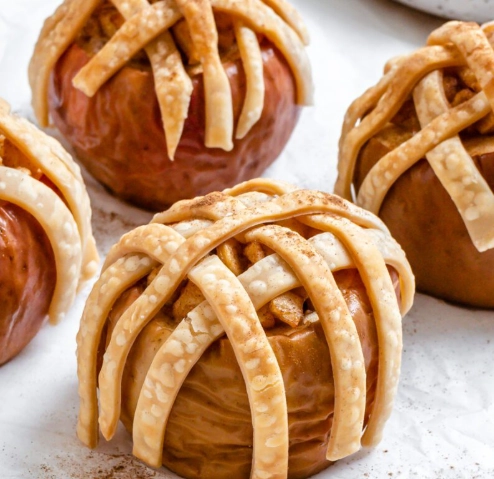
This is why the advice to "toss apples with sugar and let them macerate" can backfire. You're pulling out moisture before the bake, which is good, but you're also leaching out flavor and pectin. I often skip this step with my chosen good baking apples and rely on a good thickener (like tapioca starch or flour) to manage the juices that are released during cooking, trapping more flavor inside.
Your Burning Questions About Good Baking Apples, Answered
Can I use any apple I have on hand?
You can, but you might not like the results. Eating apples (like Red Delicious, Gala, Fuji) are bred for sweetness and a crisp bite when raw. They lack the acid and firm cell structure needed for baking. Your dessert will likely be overly sweet, mushy, and lack that bright, apple-y punch. It's worth the extra trip to get the right tool for the job.
How many apples do I need for a standard 9-inch pie?
This is where volume vs. weight gets tricky. A general rule is about 2 to 2.5 pounds of peeled, cored, and sliced apples. In terms of whole apples, that's roughly 6-8 medium-sized ones, depending on the variety. I always weigh my sliced apples. It's more accurate than counting, because apple sizes vary wildly.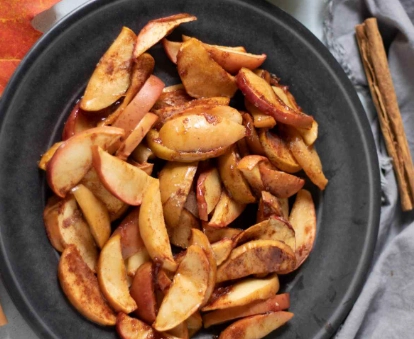
What's the best way to store baking apples?
Keep them cold! Store them in the crisper drawer of your refrigerator. The cold dramatically slows down the ripening process and helps them retain their firmness and acidity. At room temperature, they continue to convert starches to sugars and soften. If you buy a big bag from the orchard, the fridge is your friend. For long-term storage of heirloom varieties, some people have success with cool, humid root cellars, but that's beyond most of us.
Do organic apples bake differently?
Not in terms of texture or flavor chemistry. A Granny Smith is a Granny Smith. The choice for organic is more about personal preference regarding pesticide use. However, I find that apples from a local organic orchard often have more intense flavor, which might be due to growing practices and being tree-ripened, not necessarily the "organic" label itself.
My pie filling is always watery. Are my apples to blame?
Probably. Using apples that are prone to breaking down (like Golden Delicious) is a major cause. But it's a combination of factors: the apple type, your thickener (cornstarch, flour, tapioca), and ensuring the filling is actually bubbling in the center of the oven to activate the thickener. Start with a firm apple, and your battle is half-won.
Matching the Apple to the Dessert: A Simple Guide
Let's get practical. Here’s how I decide which good baking apples to use for what.
- For Classic Apple Pie (with distinct slices): Use 100% firm, tart apples like Granny Smith or Northern Spy, OR use a 50/50 mix of firm-tart and firm-sweet (like Braeburn).
- For Apple Crisp or Crumble: Here, a softer texture can be lovely. I love a mix of Honeycrisp (for flavor) and Jonagold (for creaminess). The oat topping contrasts with the softer fruit.
- For Apple Tarts (like Tarte Tatin): You need apples that hold a perfect shape and caramelize well. Granny Smith, Braeburn, or Pink Lady are superb. Avoid anything mushy.
- For Applesauce or Apple Butter: This is where your softer, sweeter apples shine! Jonagold, Golden Delicious, or even Macintosh break down perfectly. You can use a mix of sweet and one tart apple to balance flavor.
- For Baked Apples (whole): Choose large, round apples that hold their shape. Rome Beauty is literally called the "baking apple" for this reason, though I find it bland. I prefer sturdy apples like Braeburn or even hollowed-out Honeycrisps.
My Go-To Blend: For my "signature" pie, I use 1 part Granny Smith, 1 part Honeycrisp, and 1 part whatever interesting heirloom I found at the market (like a Winesap). The balance is perfect every single time.
The Final Slice: Putting It All Together
Choosing good baking apples is the first and most critical step in any apple dessert. It's the foundation. You can have the flakiest crust and the perfect blend of spices, but if your apples turn to mush, the whole thing falls flat.
Start with the tried-and-true varieties in the top tier of our chart. Experiment with mixing them. Then, when autumn rolls around, make a point to visit an orchard or a well-stocked farmers' market and ask for their best baking varieties. Taste them fresh. Notice the difference in crunch and flavor between a supermarket apple and one picked yesterday.
Baking is part recipe, part intuition, and part quality ingredients. By understanding what makes an apple a good baking apple, you're arming yourself with the knowledge to make better decisions, troubleshoot problems, and ultimately, create desserts that are consistently excellent. No more mushy pies. Just crisp, flavorful, beautiful results that taste like fall.
Happy baking!
Reader Comments