My Butternut Squash Season Cheat Sheet
You know it's officially autumn when the grocery stores and farmers' markets start piling up those pale, bell-shaped squashes. That's right, butternut squash season is here. For some, it's a welcome sight—the promise of creamy soups and sweet, roasted cubes. For others, it's a bit intimidating. What do you even do with this thing? How do you pick a good one? And when exactly is butternut squash season, anyway?
I used to be in the second camp. I'd walk past them, thinking they looked nice but were too much work. Then, one year, I got a giant one in a CSA box and was forced to figure it out. Let's just say there were some... learning experiences (burnt cubes, a stubborn peel, you get the idea). Now, it's one of my most looked-forward-to parts of fall and winter cooking. It's versatile, sweet, and when treated right, absolutely delicious.
This guide is everything I wish I'd known back then. We're going to dig into the nitty-gritty of butternut squash season, from the exact timing to how to pick the perfect one, store it for months, and turn it into meals you'll actually crave. No fluff, just practical stuff you can use.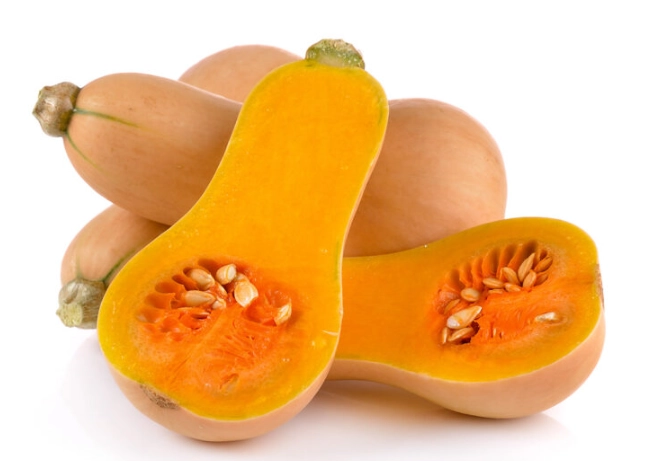
Here's the core truth: Butternut squash season is less about a strict calendar date and more about a window of perfect ripeness and availability. It's when the squash is at its sweetest, most flavorful, and most affordable. Missing this window means settling for less-tasty, often more expensive, or poorly stored squash.
When Exactly Is Butternut Squash Season?
This is the first question everyone has. The simple answer is: late summer through early winter. But that's too vague if you're planning meals or a trip to the market.
Think of it in phases:
- Early Season (Late August - October): This is the start. You might see the first harvests at local farmers' markets. These squashes are fresh, but sometimes they can be a bit less sweet if harvested very early. The prime window hasn't quite opened yet.
- Peak Season (October - December): This is it. The undisputed heart of butternut squash season. The squash has had time to fully mature on the vine, converting its starches into sugars. The flavor is deep, nutty, and sweet. Availability is everywhere—supermarkets, farm stands, everywhere. Prices are at their best.
- Late Season (January - March): The fresh harvest is over, but thanks to excellent storage qualities, butternut squash from the fall harvest is still widely available and very good. This is where proper storage (which we'll get to) really matters. The quality can start to decline towards March.
So, if you ask me for the absolute best time to enjoy butternut squash? Aim for October and November. That's the sweet spot.
I made the mistake once of buying a butternut squash in late July from a big grocery store. It was rock-hard, tasteless, and had probably been in storage for ages. It was a total waste. It taught me to be patient and wait for the true season to start.
Why does timing matter so much? A squash harvested at its peak and eaten within its season has a creamier texture and a richer flavor. It's the difference between a bland, watery tomato in January and a sun-warmed one from your garden in August. Seasonality isn't just a trendy word; it directly impacts taste and quality.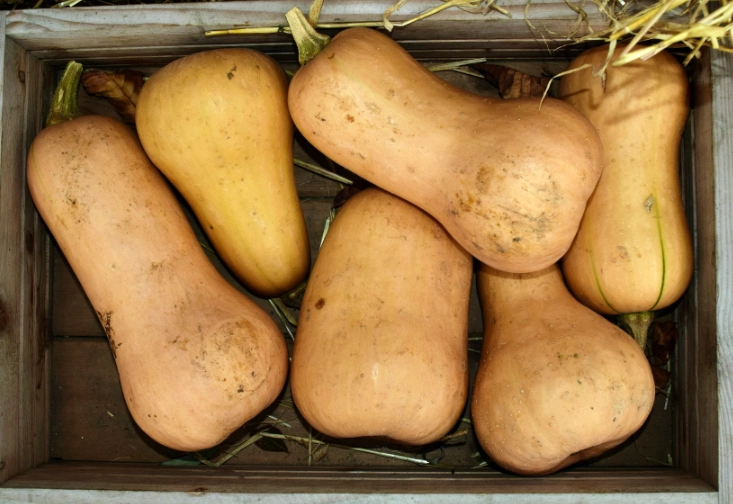
How to Choose the Perfect Butternut Squash Every Time
Alright, you're at the store during peak butternut squash season. There's a bin full of them. How do you pick the winner? Don't just grab the first one you see. A few quick checks make all the difference.
Here’s your foolproof checklist:
- Check the Color: Look for a uniform, deep tan or beige skin. Avoid any with green patches, which indicate it was picked too early. The skin should look matte, not shiny.
- Mind the Stem: The stem should be intact, firm, and dry. A missing or moist, soft stem is an entry point for rot.
- The Weight Test: Pick it up. A good squash should feel heavy for its size. This means it's nice and dense with moist flesh, not dry or pithy inside.
- The Sound Test (Yes, Really): Give it a gentle tap with your knuckle. It should sound solid, not hollow. A hollow sound can mean it's drying out.
- Skin Integrity is Key: Run your fingers over it. The skin should be very hard and smooth, with no significant cuts, soft spots, or mold. A few superficial scratches are usually fine, but avoid anything that looks damaged.
Pro Tip: I often look for squash with a large, round "bell" (the bottom part) compared to the long neck. The bell contains the seed cavity and can be stringier. A longer neck means more solid, seedless flesh, which is easier to cube for roasting. It's a small thing, but it makes prep a bit simpler.
What about size? Personally, I find medium-sized squashes (about 2-3 pounds) are the most manageable. The giant ones can be impressive, but they're a chore to cut and you might not use it all at once. Smaller ones are great for single servings.
Storing Butternut Squash: Make the Season Last for Months
This is the superpower of winter squash. A properly stored butternut squash can last for months. This is why you can enjoy it long after the butternut squash season harvest ends. But you have to store it right.
Storing a Whole, Uncooked Squash
This is easy. Don't put it in the fridge! The cold, humid environment actually speeds up decay for whole winter squash.
- Find a Cool, Dark, Dry Place. A pantry, a basement shelf, a cool cupboard. Ideal temperature is between 50-55°F (10-13°C), but a cool room in your house (around 60-70°F) works fine for several months.
- Give it Space. Don't pile them on top of each other. Let air circulate. Check on them every few weeks for any soft spots.
Stored like this, a peak-season butternut squash can easily last 3 to 4 months. I've had them last into February from an October purchase.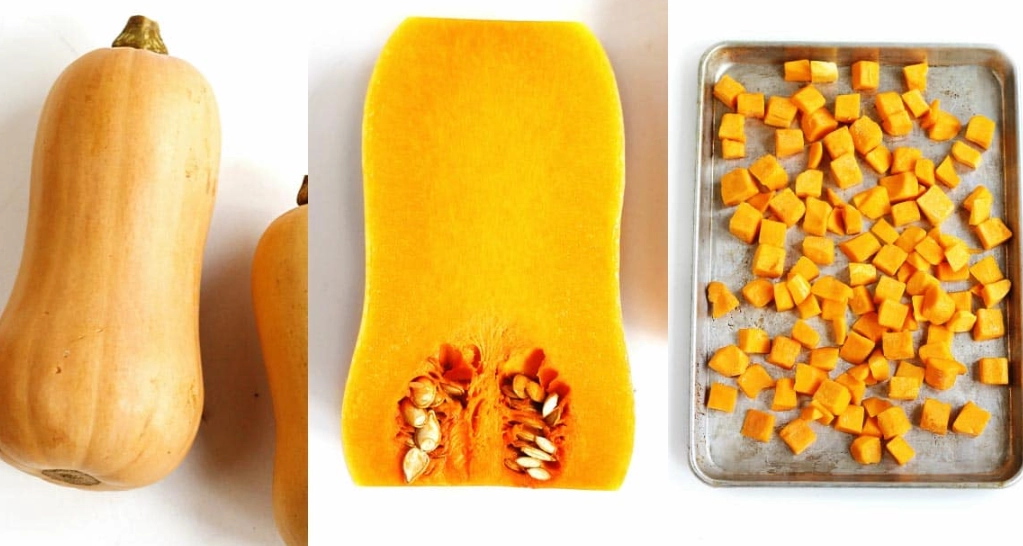
What to Do With a Cut Squash
Once you cut into it, the rules change completely. The exposed flesh will dry out and deteriorate quickly.
- Scoop out the seeds and strings from the bell cavity with a spoon.
- Wrap it tightly. Wrap the uncut half tightly in plastic wrap, pressing the wrap directly onto the cut surface to minimize air exposure.
- Refrigerate it. Put the wrapped squash in the crisper drawer of your fridge.
- Use it fast. Try to use it within 4-5 days. The cut edge will start to dry out and discolor after that.
Avoid peeling and cubing it all at once unless you're cooking it immediately. Pre-cut cubes lose moisture and flavor rapidly, even in the fridge. If you must prep ahead, store the cubes in an airtight container and use them within 2 days.
How to Cook Butternut Squash: Mastering the Basics and Beyond
Now for the fun part. The reason we put up with its tough skin is the incredible, versatile flesh inside. Here are the core methods, from simplest to most involved.
The Essential First Step: Peeling and Cutting
This is the hurdle. The skin is tough. My method? Microwave it first. Seriously. Poke the whole squash a few times with a fork and microwave it for 2-3 minutes. This slightly softens the skin and flesh, making it infinitely easier and safer to cut and peel. Let it cool for a minute before handling.
Then, use a sharp, sturdy chef's knife (not a paring knife) to slice off the top and bottom to create stable ends. Stand it upright and carefully slice down from top to bottom to remove the skin in strips. Cut it in half crosswise where the neck meets the bulb, then scoop the seeds from the bulb. Cube or slice as needed.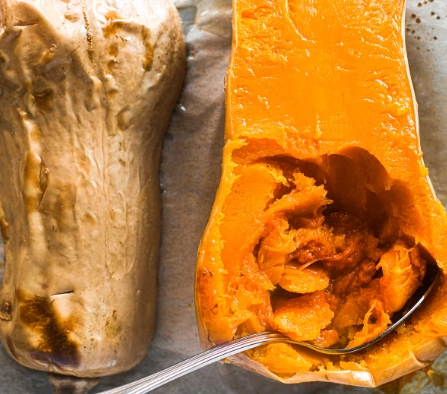
Top Cooking Methods Compared
Different methods bring out different qualities. Here’s a quick breakdown of what each one does best.
| Cooking Method | Best For... | Flavor & Texture Profile | My Personal Take |
|---|---|---|---|
| Roasting | Cubes for salads, sides, meal prep. | Concentrated sweetness, caramelized edges, tender interior. | My absolute go-to. It's hands-off and creates the most flavor with minimal effort. Toss with oil, salt, pepper, and maybe a touch of maple syrup. |
| Pureeing (for Soup or Mash) | Creamy soups, smooth side dishes, baby food. | Ultra-smooth, velvety, sweet. Perfect carrier for spices. | Incredibly satisfying. Roast or boil cubes until soft, then blend. A stick blender is your best friend here. Check out Simply Recipes' classic version for a great starting point. |
| Stuffing | An impressive main dish or hearty side. | The squash becomes a edible bowl, soft and sweet against a savory filling. | Looks fancy but is simple. Halve it lengthwise, roast until just tender, then fill with grains, sausage, nuts, cheese—anything goes. It's a complete meal in one package. |
| Spiralizing | A low-carb noodle alternative (“squashetti”). | Light, noodle-like texture that holds sauce well. | Use only the solid neck part. Sauté briefly; it cooks fast. Don't overcook or it turns to mush. Great with pesto or a hearty ragù. |
My Favorite Simple Roasted Butternut Squash Recipe
You can dress this up a million ways, but this is my baseline, the recipe I make almost weekly during butternut squash season.
- Preheat your oven to 400°F (200°C).
- Toss 1 pound of peeled, cubed squash with 1.5 tablespoons of olive oil, ½ teaspoon of kosher salt, and a few grinds of black pepper.
- Spread on a parchment-lined baking sheet in a single layer. Crowding steams them; spacing lets them caramelize.
- Roast for 25-35 minutes, flipping once halfway, until tender and browned at the edges.
- That's it. Out of the oven, I might toss it with a sprinkle of smoked paprika, a drizzle of balsamic glaze, or some chopped fresh sage. Or just eat it as is.
These cubes are your building blocks. Add them to quinoa bowls, toss into a kale salad with some goat cheese and pepitas, or mix with cooked lentils for a hearty lunch.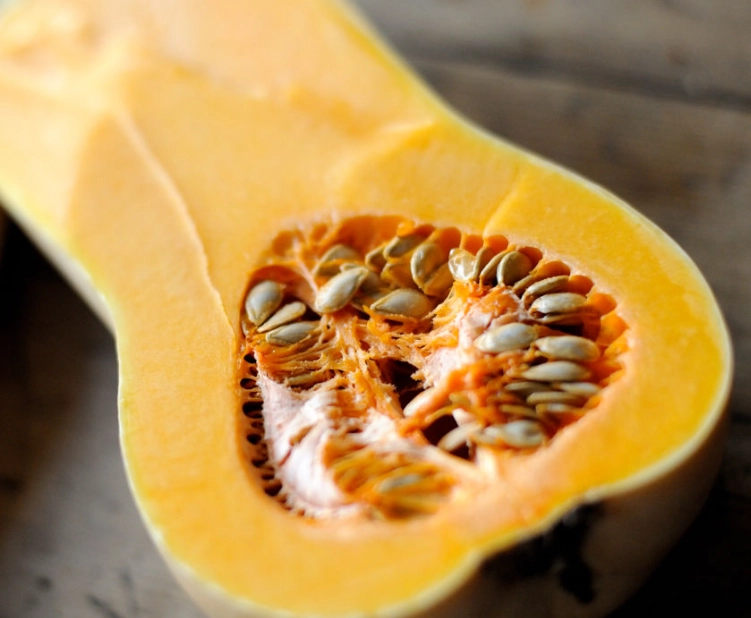
Answering Your Butternut Squash Season Questions (FAQ)
Technically, yes, it's edible. But honestly? I don't recommend it. Even when cooked until very soft, it remains tough and leathery. It's not pleasant. Just peel it. The one exception is if you're roasting halves for stuffing—the skin helps them hold their shape, and you just scoop the flesh out to eat, leaving the skin behind.
Botanically, it's a fruit (a type of berry called a pepo, because it develops from a flower and contains seeds). Culinarily and nutritionally, we treat it as a vegetable. The USDA FoodData Central lists it with vegetables, and that's how we use it—in savory dishes.
Your senses will tell you:
- Sight: Deep mold (often black or blue), large sunken soft spots, or excessive shriveling.
- Touch: The skin should be rock-hard. If you can easily dent it with your fingernail, especially in multiple spots, it's past its prime.
- Smell: A sour, fermented, or unpleasant odor coming from the stem end or any cut surface is a dead giveaway.
- Sound: If it sounds suspiciously hollow when tapped and feels light, the flesh inside has likely dried out or deteriorated.

Absolutely, and it's a great way to preserve the bounty of butternut squash season. Blanch it first. Here's how:
- Peel and cube the squash.
- Boil the cubes in water for 3 minutes (blanching).
- Immediately plunge them into a bowl of ice water to stop the cooking.
- Drain thoroughly, pat dry with a towel, and spread on a baking sheet to freeze individually (a “flash freeze”).
- Once frozen solid, transfer the cubes to a freezer bag, squeeze out the air, and seal.
Frozen this way, it will keep for 10-12 months. You can also freeze cooked, pureed squash in containers. The texture will be a bit softer after freezing, making it perfect for soups, stews, or mashes, but maybe not ideal for salads where you want firm cubes.
They're cousins in the squash family, but different. Butternut has a smoother, sweeter, less stringy flesh and a more consistent shape. Pumpkin flesh (especially carving pumpkins) is often more watery, stringy, and less sweet. For cooking, butternut squash is generally more reliable and flavorful. Sugar pumpkins or pie pumpkins are closer in texture and sweetness but are still distinct.
Butternut squash season isn't something to be intimidated by. It's an opportunity. It's a sign that cozy, flavorful cooking is here. With this guide, you can confidently pick a great squash, store it wisely, and turn it into simple, delicious food that makes the most of this special time of year. Don't overthink it. Grab one, roast it, and taste what the season is all about.
Reader Comments