So you're standing in the grocery store, pie recipe in hand (or in your head), and you see this beautiful display of shiny, red-and-yellow streaked Gala apples. They're affordable, they smell fantastic, and they're right there. The question pops into your head, the same one that brings thousands of bakers to Google every month: are Gala apples good for apple pie?
Let's cut to the chase. If you're looking for a simple yes or no, you won't find it here. Because baking isn't about absolutes. It's about understanding your ingredients. Asking if Gala apples are good for pie is like asking if a sedan is good for a road trip. Well, it depends on the sedan, the road, and what you're willing to put up with.
I've been there. I've made the "quick pie" with whatever apples were on the counter, Galas included. Sometimes it was fine. Other times... let's just say the filling was more suited to apple sauce than a sliceable pie. That experience is what pushed me to really dig into this.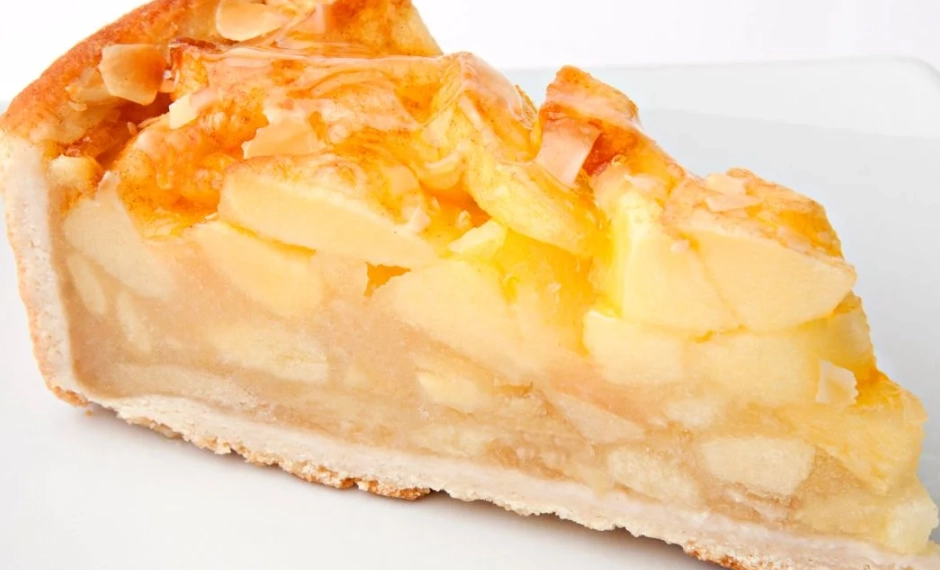
The short, practical answer is that Gala apples can work in an apple pie, but they come with a set of compromises you need to manage. They won't give you the classic, balanced, firm-textured pie that recipes from sources like King Arthur Baking often envision. But with a few tweaks and the right expectations, you can absolutely end up with a delicious dessert. This guide is here to walk you through exactly how and why.
Quick Navigation
- What Makes an Apple "Good" for Pie, Anyway?
- Gala Apple 101: The Sweetheart of the Supermarket
- Head-to-Head: How Gala Stacks Up Against Pie Apple Champions
- The Savvy Baker's Game Plan: Making Gala Apples Work for Your Pie
- Frequently Asked Questions (The Stuff You're Really Searching For)
- The Final Verdict: Should You Reach for the Gala?
What Makes an Apple "Good" for Pie, Anyway?
Before we judge the Gala, let's talk about the gold standard. A top-tier pie apple usually brings a few key things to the table:
- Flavor Balance: A good mix of sweetness and acidity. The acid (tartness) cuts through the sweetness of the sugar and butter, making the flavor complex and interesting, not cloying.
- Structural Integrity: The apple needs to hold its shape when baked. You want tender pieces of apple in your slice, not a homogenous, mushy filling. This is often called being "firm" or "good for baking."
- Right Moisture Level: Apples with too much water can make your pie filling soupy and lead to a soggy bottom crust. The best pie apples release just enough juice to be saucy without being wet.
Think of Granny Smith. It's the classic for a reason—tart, firm, and reliable. But what about our friend, the Gala?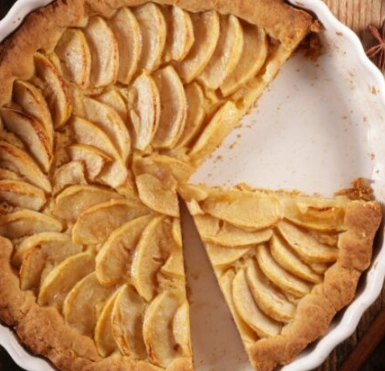
Gala Apple 101: The Sweetheart of the Supermarket
Gala apples are incredibly popular for eating out of hand. According to the U.S. Apple Association, they're consistently one of the top-produced apple varieties in the United States. That's why they're so easy to find.
Their personality in the pie context is defined by a few clear traits:
The Good (The Reasons You Might Consider Them)
- Intrinsic Sweetness: Galas are very sweet with low acidity. This means you can potentially use less sugar in your pie filling, which some bakers prefer.
- Wide Availability & Affordability: You can find them almost anywhere, anytime. This is a huge practical plus.
- Pleasant, Mild Flavor: Their flavor is mellow and floral, without any overwhelming tartness. Kids and those who dislike sour foods often love them.
- They Do Soften Nicely: While we want structure, a Gala's tenderness means it integrates well into the filling, creating a cohesive, non-chunky sauce around any firmer apples you might mix in.
The Not-So-Good (The Potential Pitfalls)
- Low Acid, High Sugar: This is the flavor killer. A pie made only with Galas can taste flat and overly sweet, lacking the bright, tangy contrast that defines a great apple pie.
- High Water Content: Galas release a lot of juice. This is the biggest practical problem when wondering are Gala apples good for apple pie. That excess moisture can pool in your pie dish, preventing the bottom crust from crisping up and making slicing a messy affair.
- Texture Goes Mushy: They break down relatively quickly. If you're looking for distinct apple slices in every bite, a pure Gala pie will let you down. They tend to cook down into a softer, almost applesauce-like consistency.
See the dilemma? It's not that they're terrible. They just have a very specific, soft, sweet profile that doesn't align perfectly with the pie ideal.
Head-to-Head: How Gala Stacks Up Against Pie Apple Champions
This is where it gets clear. Let's put Gala in a table next to some of the usual baking suspects. It's not about declaring a winner, but about seeing the differences side-by-side.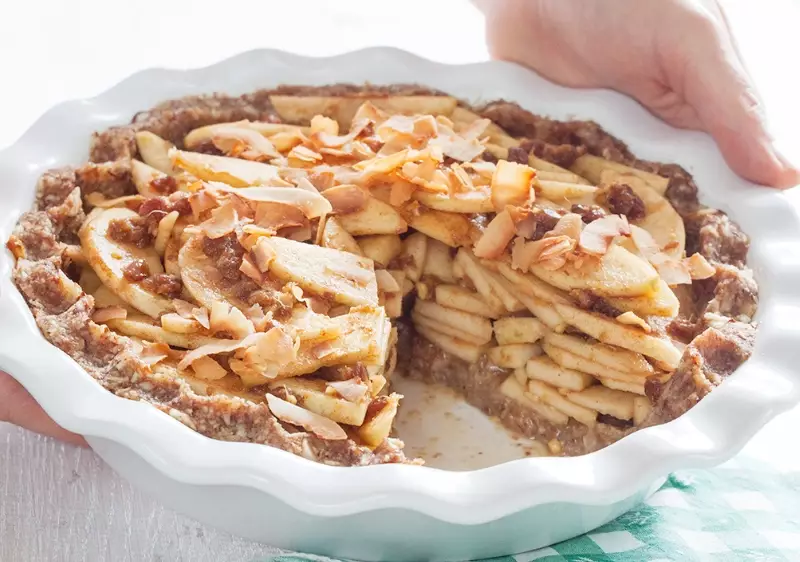
| Apple Variety | Best Quality for Pie | Flavor Profile | Texture When Baked | Moisture Level | Pie Suitability Verdict |
|---|---|---|---|---|---|
| Granny Smith | Acidity & Structure | Very tart, tangy | Holds shape very well, tender but firm | Medium | The classic gold standard. |
| Honeycrisp | Flavor & Crispness | Intensely sweet, slight tartness | Holds shape fairly well, stays juicy | High (can be juicy) | Excellent flavor, but watch for juice. |
| Braeburn | Balanced Flavor | Perfect sweet-tart balance, spicy | Holds shape excellently | Medium | A top-tier, well-rounded choice. |
| Jonagold | Complex Flavor | Sweet-tart, honeyed notes | Softens but retains some form | Medium-High | Great for flavor, often used in mixes. |
| Gala | Sweetness & Availability | Very sweet, mild, low acid | Softens considerably, can become mushy | High | Works best in a mix or with adjustments. |
Looking at this, you can see Gala is in a different category. It's not competing with Granny Smith on structure or with Braeburn on balance. Its superpower is sweetness and accessibility.
So, does that mean you should walk away from Galas for pie? Not necessarily.
The Savvy Baker's Game Plan: Making Gala Apples Work for Your Pie
If you're determined to use those beautiful Galas, or they're simply what you have on hand, you can absolutely make it work. You just need a strategy. The core idea is to compensate for their weaknesses. Here’s how I approach it now, after my early failures.
1. The Golden Rule: Mix Them Up!
This is the single best piece of advice for using Gala apples in pie. Don't make an all-Gala pie. Use them as part of a team.
- The Ideal Partner: Pair Galas (1/3 to 1/2 of your total apples) with a firmer, tarter apple like Granny Smith, Braeburn, or Pink Lady. The tart apple provides the missing acid and structure. The Gala provides mellow sweetness and helps create a lovely sauce. The flavor and texture become complex and complete.
- Why This Works: You get the best of both worlds. You're mitigating the mush factor and the one-note sweetness, while still utilizing an affordable, available apple. It's a pro move.
2. Combat the Sogginess: Pre-Cook Your Filling
Since Gala apples have high water content, don't just toss raw slices in the crust. You need to manage that juice.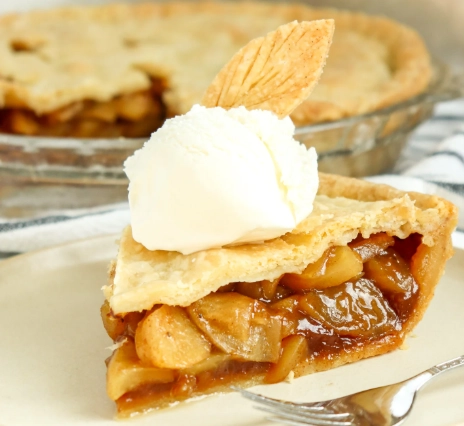
Another trick is to toss your raw apple slices with a tablespoon or two of sugar and let them drain in a colander for 30 minutes. You'll be surprised how much liquid comes out. Pat them dry before using.
3. Boost the Flavor Profile
Remember, Galas are low-acid. You need to add that tang back.
- Add Lemon Juice: A big tablespoon of fresh lemon juice (or even apple cider vinegar) tossed with the apples will wake up the flavor immensely.
- Use the Right Spices: Don't just rely on cinnamon. Add a pinch of nutmeg, allspice, or cardamom. The complexity of spices helps balance the simple sweetness of the Gala.
- Consider Brown Sugar: Using brown sugar (or a mix of white and brown) instead of all white sugar adds molasses notes that complement the Gala's sweetness in a more interesting way.
Are Gala apples good for apple pie on their own? Not really. But are they a valuable component in a well-engineered pie? Absolutely.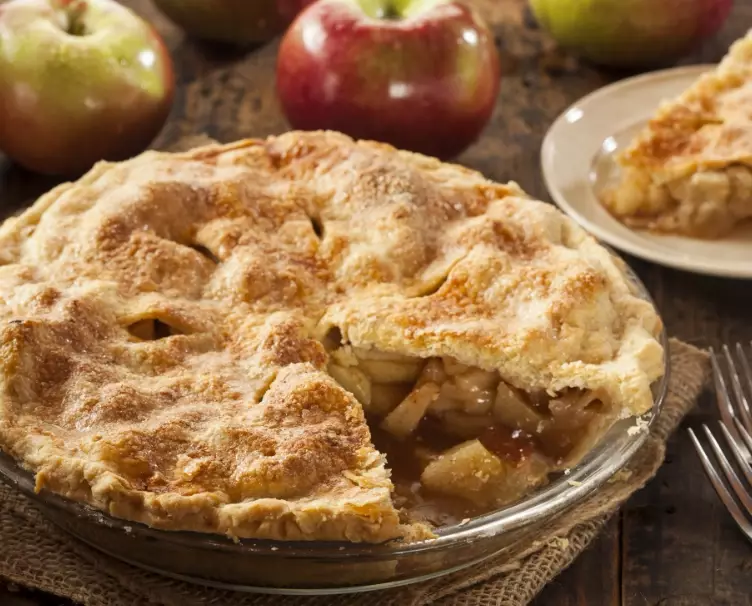
Frequently Asked Questions (The Stuff You're Really Searching For)
Let's tackle some of the specific questions bakers have when this topic comes up.
You can, but you must make significant adjustments. You must pre-cook and drain the filling to combat sogginess. You must add a generous amount of lemon juice for acidity. And you should be prepared for a softer, sweeter, more uniform pie. It will be a "Gala-style" pie, not a classic apple pie. For most people, mixing is still a better path.
Granny Smith is the classic and most reliable partner. Its high acidity and firm texture are the perfect counterbalance to Gala's sweetness and tenderness. Braeburn and Pink Lady are also fantastic choices for a more nuanced flavor.
You don't need to, but I usually do. Gala skins are thin but can become a bit chewy and separate from the soft flesh during baking, which some find unpleasant in the final texture. Peeling gives a smoother filling. If you want extra fiber and color, leave them on—just know the texture will be different.
Because of the higher moisture, be extra careful. Let the pie cool completely on a wire rack (for at least 4 hours) before covering. This allows steam to escape and the filling to set. Store at room temperature for up to 2 days, covered loosely with foil. For longer storage, refrigerate. Reheat slices in an oven or toaster oven to re-crisp the crust.
Yes, they face similar challenges. Fuji is even sweeter and holds its shape a little better but is still quite sweet and can be juicy. Red Delicious is famously poor for baking—mealy texture and bland flavor. The advice for Gala generally applies to this whole family of sweet, eating apples.
The Final Verdict: Should You Reach for the Gala?
Let's wrap this up with some straight talk.
If you are a beginner baker trying to make your first impressive apple pie, I would not recommend using only Gala apples. The risk of a soggy, overly sweet, mushy pie is high, and that's discouraging. Start with a mix of Granny Smith and Braeburn, or just all Granny Smith. Follow a trusted recipe from a site like University of Minnesota Extension (which has great food preservation and science resources) to the letter for your first success.
If you are an experienced baker who understands how ingredients interact and you're willing to tweak, then yes, Gala apples can be used to make a good, even great, apple pie. Your path is clear: mix them with a tarter variety, pre-cook your filling to manage juice, and amp up the acidity with lemon. In this scenario, the question are Gala apples good for apple pie becomes "yes, with a bit of know-how."
At the end of the day, the best apple for your pie is often a combination. It's about creating balance and texture. So next time you see those Galas, you'll know exactly what they bring to the table—sweetness, availability, and a need for a little extra help from their tarter friends. Happy baking!
Reader Comments