Guide Highlights
- What is Peppers Fruiting Time, Really?
- Factors That Affect Peppers Fruiting Time
- How to Estimate Your Peppers Fruiting Time
- Speeding Up Peppers Fruiting Time: Tips and Tricks
- Common Problems That Delay Peppers Fruiting Time
- Frequently Asked Questions About Peppers Fruiting Time
- My Personal Experience with Pepper Fruiting Times
- Advanced Tips for Optimizing Peppers Fruiting Time
- Conclusion: Mastering Peppers Fruiting Time
I still remember the first time I planted peppers in my backyard. I was so excited, checking them every day, waiting for those little fruits to appear. Weeks went by, and nothing. I thought I'd done something wrong. Turns out, I just didn't understand peppers fruiting time. It's not as simple as sticking a plant in the ground and waiting. There's a whole science to it, and after years of trial and error, I've learned a lot. In this guide, I'll share everything—the good, the bad, and the frustrating—so you can avoid my mistakes and get those peppers fruiting on time.
You know, peppers fruiting time can vary wildly. Some varieties fruit in just two months, others take over three. It all depends on what you're growing, where you live, and how you care for them. Let's dive in.
What is Peppers Fruiting Time, Really?
When we talk about peppers fruiting time, we're referring to the period from when the plant starts producing flowers to when the fruits are fully mature and ready to pick. It's a critical phase in the growing cycle. This isn't just about counting days from planting; it's about understanding the plant's development stages. For example, after transplanting, a pepper plant might take 2-3 weeks to settle in, then start flowering, and finally fruit. The total peppers fruiting time can range from 50 to 120 days, depending on factors I'll explain below.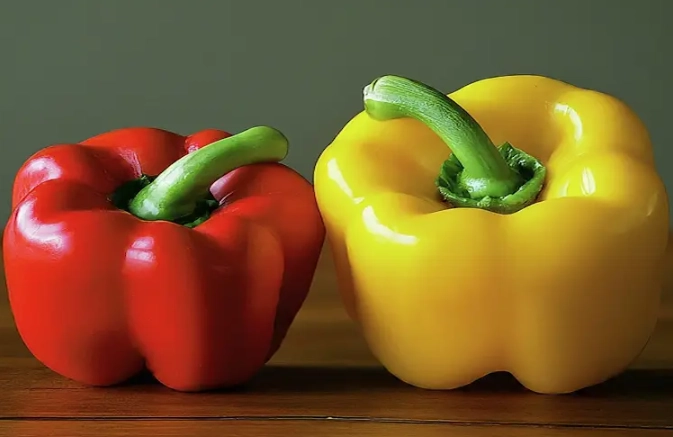
Why does this matter? Well, if you're planning your garden for a summer harvest or wanting to stagger crops, knowing the peppers fruiting time helps you schedule everything. I've messed this up before—planted too late and missed the peak season. Not fun.
Factors That Affect Peppers Fruiting Time
Several things can speed up or slow down when your peppers fruit. Let's break them down one by one.
Pepper Variety: The Biggest Factor
The type of pepper you choose is the most significant determinant of peppers fruiting time. Some varieties are bred for quick production, while others are slowpokes. I've grown both, and honestly, the fast ones are great for impatient gardeners like me.
Here's a table comparing common pepper varieties and their typical fruiting times from transplant. These are averages based on my experience and resources from seed companies.
| Pepper Variety | Average Fruiting Time (Days from Transplant) | Notes and My Experience |
|---|---|---|
| Jalapeño | 60-75 days | Fast and reliable. I've had these fruit in as little as 55 days in warm weather. Great for beginners. |
| Bell Pepper | 70-90 days | Slower, but produces large fruits. Mine took 85 days last year—felt like forever, but worth it. |
| Habanero | 90-110 days | Hot peppers often take longer. Requires consistent heat. I grew these once; they fruited after 100 days and were super spicy. |
| Cayenne | 65-80 days | Moderate time, very prolific. I love these for drying. |
| Thai Chili | 70-85 days | Compact plants, good for containers. Fruited in 75 days on my balcony. |
| Poblano | 80-95 days | Mild and flavorful, but slow. Took 90 days in my garden. |
| Serrano | 70-80 days | Similar to jalapeños, but a bit hotter. Fruited in 72 days for me. |
This table gives you a rough idea, but remember, your actual peppers fruiting time might differ. I've seen jalapeños take 80 days in a cool spring. So, use this as a starting point.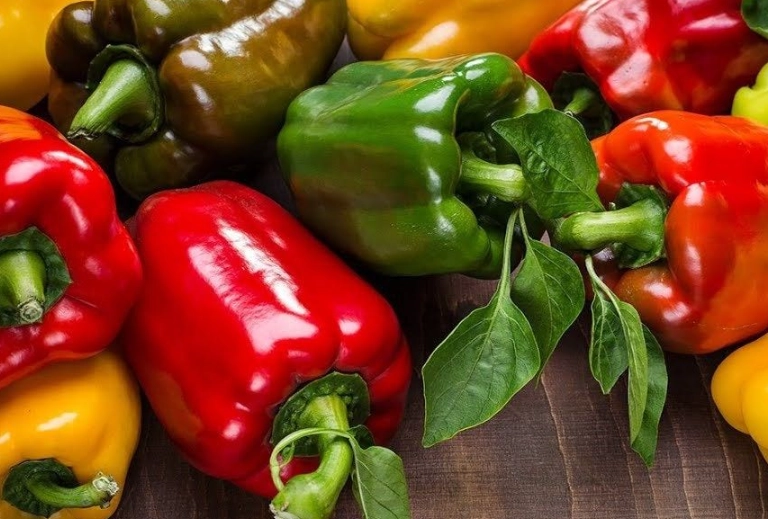
One thing I've noticed: hybrid varieties often fruit faster than heirlooms. But heirlooms have better flavor, in my opinion. It's a trade-off.
Climate and Growing Conditions
Peppers are tropical plants—they love heat. If temperatures drop below 60°F (15°C), growth slows, and fruiting can be delayed. I learned this the hard way when a late frost hit my garden. My peppers just sat there, doing nothing for weeks. It was frustrating.
According to the USDA Plant Hardiness Zone Map, knowing your zone is crucial. For example, in zones 9-11, you can plant earlier and expect quicker fruiting. In cooler zones like 5-6, you might need to start indoors or use season extenders. I'm in zone 7, and my peppers fruiting time is usually a bit longer than in warmer areas.
Sunlight is another biggie. Peppers need at least 6-8 hours of direct sun daily. Less than that, and the peppers fruiting time gets pushed back. I once planted some in a spot that got partial shade; they fruited a full month later than the ones in full sun. Lesson learned.
Humidity and rainfall matter too. High humidity can promote diseases, while drought stresses plants. I've found that consistent moisture—not too wet, not too dry—works best for optimizing peppers fruiting time.
Soil and Nutrition
The soil you use can make a huge difference. Peppers prefer well-draining soil with a pH between 6.0 and 6.8. I tested my soil once and found it was too acidic; after adding lime, the peppers fruiting time improved significantly.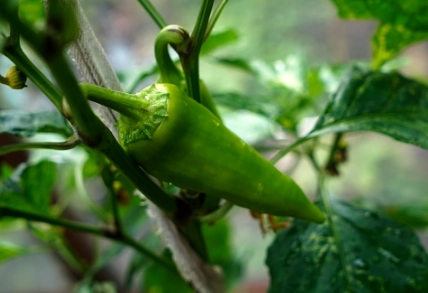
Fertilizers are tricky. Too much nitrogen, and you get lush leaves but no fruits. I made this mistake early on—my plants looked amazing but produced nothing. Now, I use a balanced fertilizer or one higher in phosphorus to encourage flowering and fruiting. Phosphorus is key for root development and fruit set.
Here's a quick list of nutrients that affect peppers fruiting time:
- Nitrogen: Needed for leaf growth, but excess delays fruiting.
- Phosphorus: Promotes flowering and fruiting. I add bone meal to my soil.
- Potassium: Improves fruit quality and disease resistance.
I also add compost annually. It improves soil structure and provides slow-release nutrients. According to the University of Minnesota Extension, organic matter can enhance pepper growth and reduce fruiting time. I've seen this firsthand—my compost-amended beds fruit faster.
Planting Time and Care Practices
When you plant matters a lot. Starting seeds indoors too late can push back your harvest. I usually start mine 8-10 weeks before the last frost date. If you transplant too early when the soil is cold, roots won't establish well, delaying fruiting. I've done this—transplanted in early spring, and the plants just stagnated.
Watering is an art. Overwatering can cause root rot, while underwatering stresses the plant. I aim for about 1-2 inches of water per week, depending on weather. Drip irrigation works best for me; it keeps moisture consistent without wetting the leaves.
Pruning can help too. Some gardeners prune early flowers to let the plant focus on growth first. I've tried this with mixed results—sometimes it speeds up later fruiting, sometimes it doesn't. It might be worth experimenting with.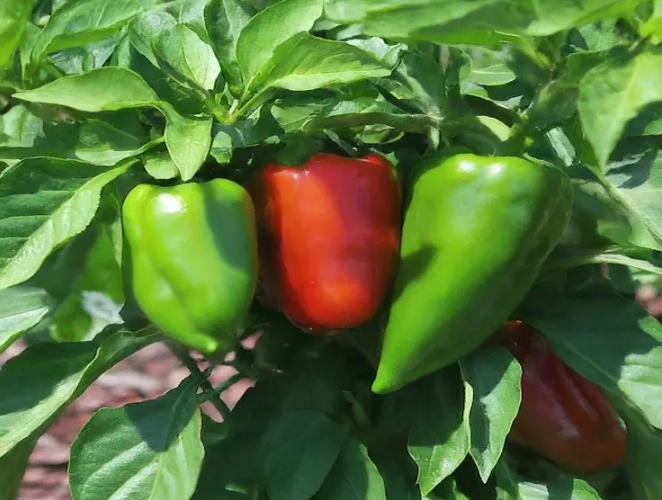
How to Estimate Your Peppers Fruiting Time
To get a ballpark estimate, consider your variety and local climate. For instance, if you're growing bell peppers in a warm area like California, you might see fruits in 70 days. But in cooler regions like the Midwest, it could take 90 days or more.
I keep a garden journal to track planting dates and first fruits. Over time, you'll get a feel for your specific conditions. The peppers fruiting time in my garden is usually 10-15 days longer than seed packets say because my summers aren't super hot. It's annoying, but I've learned to adjust.
You can also use online tools. For example, the National Gardening Association's frost date calculator helps plan planting times, which indirectly affects fruiting time.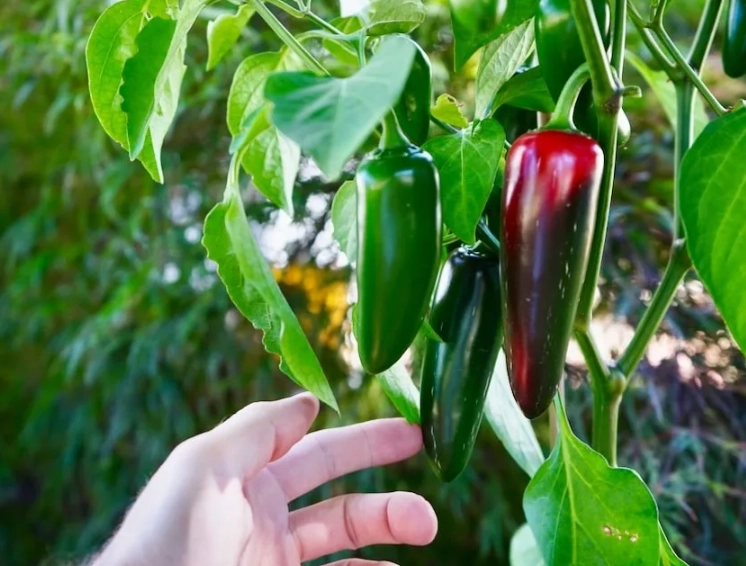
Speeding Up Peppers Fruiting Time: Tips and Tricks
If you're like me and want fruits sooner, here are some practical tips. Not all work perfectly, but they've helped me shave off a few days.
- Use black plastic mulch: This warms the soil, encouraging faster growth. I've seen it reduce peppers fruiting time by up to a week.
- Plant in containers: Containers heat up faster than ground soil. My container peppers often fruit earlier than in-ground ones.
- Choose early-maturing varieties: Look for labels like 'Early' or 'Quick Start'. 'Early Jalapeño' is a favorite of mine.
- Provide consistent warmth: Use row covers or cloches in early season. I use old milk jugs as mini greenhouses.
- Fertilize wisely: Apply a phosphorus-rich fertilizer when flowers appear. I use fish emulsion—it's organic and effective.
But let's be real: sometimes, no matter what you do, peppers fruiting time is dictated by nature. I've had seasons where everything was perfect, but fruits still took their time. Gardening teaches humility.
Common Problems That Delay Peppers Fruiting Time
Ever had pepper plants that just won't fruit? I have, and it's maddening. Here are common issues and how I've dealt with them.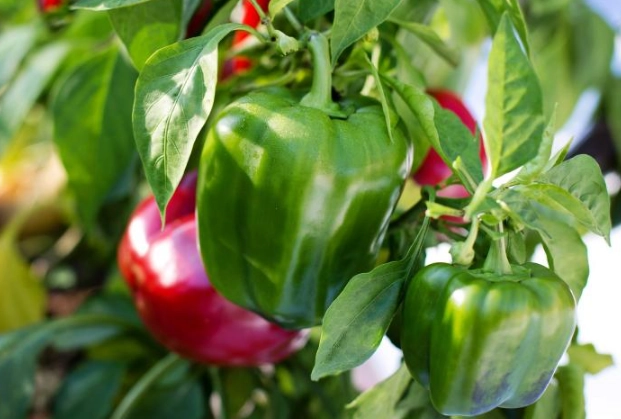
Pests and Diseases: Aphids, spider mites, or fungal diseases can stress plants, delaying fruiting. I use neem oil as a natural deterrent. For more info, the Penn State Extension guide on pepper diseases is a great resource. I've referred to it often.
Overwatering or Underwatering: Both can cause stress. I check soil moisture by sticking my finger in—if it's dry an inch down, it's time to water.
One personal story: Last year, my peppers weren't fruiting, and I couldn't figure out why. Turns out, I was watering too much during a rainy spell. Reduced watering, and fruits appeared in two weeks. So, always reassess your care routine.
Frequently Asked Questions About Peppers Fruiting Time
My Personal Experience with Pepper Fruiting Times
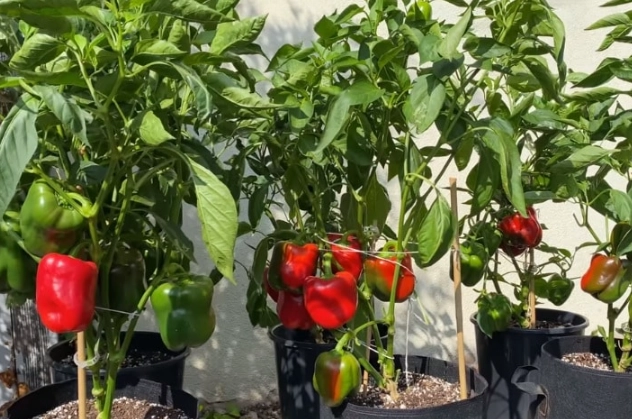
I've been growing peppers for over a decade, and every year teaches me something new. One year, I planted jalapeños and bell peppers side by side. The jalapeños fruited in 60 days—right on schedule. The bell peppers? Took 95 days. I was so annoyed, checking them daily. But when they finally fruited, the harvest was massive, with huge, crisp peppers. It taught me that peppers fruiting time isn't just about speed; it's about yield and quality too.
Another time, I tried growing habaneros. They're slow—fruiting time was around 105 days. The wait was brutal, but the spicy payoff was worth it. I learned that hot peppers often have longer peppers fruiting times, so plan accordingly.
I also experimented with different soils. In raised beds with compost-rich soil, peppers fruited faster than in heavy clay. Now, I always amend my soil with organic matter. It's made a noticeable difference in peppers fruiting time.
One frustration: pests. Aphids delayed fruiting on my Thai chilies once. I used insecticidal soap, and it worked, but it set back the peppers fruiting time by a week. So, stay vigilant!
Advanced Tips for Optimizing Peppers Fruiting Time
For those who want to go the extra mile, here are some advanced strategies. I've tried some, and they require effort but can pay off.
Companion Planting: Planting basil or marigolds nearby can deter pests and improve growth. I've noticed my peppers fruit slightly earlier when companions are present. It might be psychological, but I'll take it.
Soil Temperature Monitoring: Peppers thrive when soil temps are above 65°F (18°C). I use a soil thermometer to check. If it's too cold, I wait to transplant. This simple step has helped me avoid delays in peppers fruiting time.
Foliar Feeding: Spraying a diluted fertilizer on leaves can provide quick nutrients. I do this with seaweed extract during flowering—it seems to boost fruit set. But don't overdo it; foliar feeding is supplemental.
Succession Planting: Plant new seedlings every few weeks for a continuous harvest. This doesn't shorten individual plants' peppers fruiting time, but ensures you always have fruits coming. I do this with fast varieties like cayenne.
For more scientific approaches, resources like the University of Wisconsin-Madison Extension article on peppers offer detailed insights. I refer to it for evidence-based tips.
Conclusion: Mastering Peppers Fruiting Time
Understanding peppers fruiting time is a game-changer for any gardener. It's not just about waiting; it's about creating the right conditions, choosing the right varieties, and being patient. From my experience, the key is to observe your plants, adjust care as needed, and not get discouraged by delays.
Remember, peppers fruiting time varies, but with the tips in this guide, you can optimize it for a bountiful harvest. Whether you're growing jalapeños for salsa or bell peppers for salads, knowing the fruiting timeline helps you plan and enjoy the process.
So, next time you're wondering when your peppers will fruit, think back to this guide. And hey, gardening is a journey—sometimes frustrating, but always rewarding when those first peppers appear. Happy growing!
Reader Comments