Here’s Your Quick Guide
Let's be honest, we've all been there. You get a craving for homemade apple pie, head to the grocery store, and stare at the produce section. Five, maybe ten different kinds of apples stare back. Which ones are actually good for pie baking? You grab the shiniest bag, hoping for the best, only to end up with a filling that's either mushy soup or weirdly crunchy. The pie looks great, but the texture... it's just off.
I've ruined my fair share of pies that way. Once, I used only Red Delicious because they were on sale. Big mistake. The pie was beautiful, a perfect golden brown, but cutting into it was a disappointment. The apples turned into a bland, mealy paste with no character. That's when I realized picking the right apples for pie baking isn't just a suggestion; it's the secret between a good pie and a legendary one.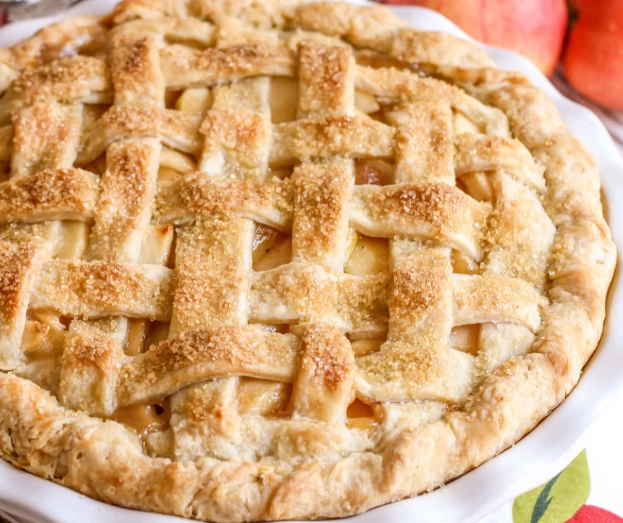
So, what makes an apple 'good' for pie? It's not just about flavor. It's a whole science of how the fruit holds up to heat, how its sugars caramelize, and how its pectin sets. A great pie apple needs backbone. It needs to keep some of its shape and offer a tender-but-not-mushy bite after an hour in the oven. It also needs a balance of sweet and tart to cut through the buttery crust and spices.
The Top Contenders: A Breakdown of the Best Apples for Pie Baking
Forget the generic "baking apples" label. Let's get specific. After years of testing (and eating), I've found that the best results often come from a mix. But if you have to pick one, or are starting your journey into apples for pie baking, here are the champions.
The Classic Pie Powerhouses
These are the old reliables, the varieties you'll see in every serious baker's kitchen come fall.
- Granny Smith: The tart titan. This is probably the most recommended apple for pie baking, and for good reason. Its bright, sharp acidity stands up to cups of sugar and warming spices like cinnamon and nutmeg. It holds its shape incredibly well, giving you distinct slices in every bite. The downside? Used alone, it can be a bit one-note and too sharp for some palates. It's a fantastic base to mix with a sweeter variety.
- Honeycrisp: The sweet superstar. Honeycrisp has exploded in popularity, and its pie performance is stellar. It's incredibly juicy and has a complex, honeyed sweetness. The texture is crisp, and it softens nicely when baked without turning to mush. They can be pricier, but many home bakers swear by them for a sweeter, juicier pie.
- Braeburn: The balanced all-rounder. This is my personal workhorse. It has a perfect harmony of sweet and tart, and its firm flesh softens to a magnificent, dense tenderness. The flavor intensifies beautifully when baked. If I could only use one apple for the rest of my pie-baking days, Braeburn would be a strong contender.
The Underrated Gems for Pie Baking
These might not be in every supermarket, but seek them out at farmers' markets or orchards. They're worth the hunt.
- Northern Spy: The heirloom hero. Often called the perfect pie apple by purists. It's tart, aromatic, and keeps a flawless texture. It doesn't release too much water, so your bottom crust stays crisp. The only problem? Its season is short, and it's not widely grown commercially anymore.
- Jonagold: The best of both worlds. A cross between Jonathan and Golden Delicious, it brings a honeyed sweetness and a hint of tartness to the party. It bakes up soft and creamy but maintains its slice integrity. A fantastic single-variety choice.
- Pink Lady (Cripps Pink): The late-season star. With a firm crunch and a tangy-sweet flavor, Pink Ladies bake wonderfully. They hold their shape exceptionally well and have a lovely floral note that adds sophistication to a pie.
But how do they really stack up side-by-side? Let's break it down in a way that's easy to scan when you're at the store.
| Apple Variety | Flavor Profile | Texture When Baked | Best For | My Personal Take |
|---|---|---|---|---|
| Granny Smith | Very tart, sharp, clean | Holds shape very well, firm-tender | Mixing with sweeter apples; very tart pies | The reliable anchor. Too tart alone for my taste, but essential in a blend. |
| Honeycrisp | Very sweet, honeyed, juicy | Softens well, can become quite soft | Sweet, juicy pies; often good alone | Delicious but can be expensive. Makes a very "wet" filling, so adjust thickener. |
| Braeburn | Perfect sweet-tart balance, spicy | Softens to a dense, tender perfection | The ultimate all-purpose pie apple | My desert-island pie apple. Consistently excellent flavor and texture. |
| Northern Spy | Tart, aromatic, complex | Holds shape excellently, doesn't weep | Classic, firm-textured pies | If you find it, buy it. The texture is unbeatable for a structured pie. |
| Jonagold | Sweet with mild tartness | Soft, creamy, holds some shape | Creamy, sweet pie fillings | A sleeper hit. Makes a wonderfully rich and cohesive filling. |
| Pink Lady | Tangy-sweet, floral | Very firm, holds shape superbly | Pies where you want distinct apple slices | Great texture, but the flavor can get a bit lost under heavy spices. |
Why This All Matters: The Science of Sweet, Tart, and Structure
Choosing apples for pie baking isn't just about folklore. There's real food science at play. The two biggest factors are acidity (tartness) and pectin content.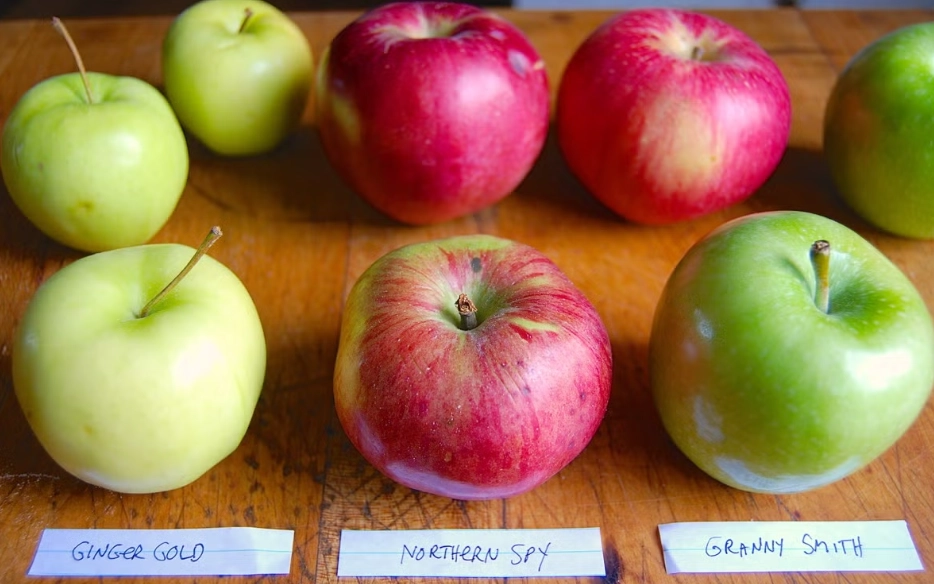
Acid does more than make your mouth pucker. It balances sweetness, preventing your pie from tasting like a sugar bomb. It also helps slow down the browning of your apples when you're prepping them (a squeeze of lemon juice is just extra acid). More importantly, it interacts with the pectin.
Pectin is a natural starch in apples that acts as a thickener when heated. Apples high in both acid and pectin (like Granny Smith and Northern Spy) will thicken their own juices more effectively, leading to a sliceable filling that isn't runny. Sweeter, low-acid apples (like Golden Delicious) release more free-run juice and have less pectin, often resulting in a soupy mess if you don't add enough thickener like flour or cornstarch.
Then there's the cell structure. Apples like McIntosh or Red Delicious have large, airy cells that collapse completely under heat, turning into applesauce. Great for sauce, terrible for pie. You want apples with dense, firm cell structures—the ones that give a satisfying *snap* when you bite into them raw.
Your Action Plan: How to Choose and Prepare Your Apples
Okay, so you're armed with knowledge. Here’s what to do next time you're planning to bake a pie.
The Golden Rule of Blending
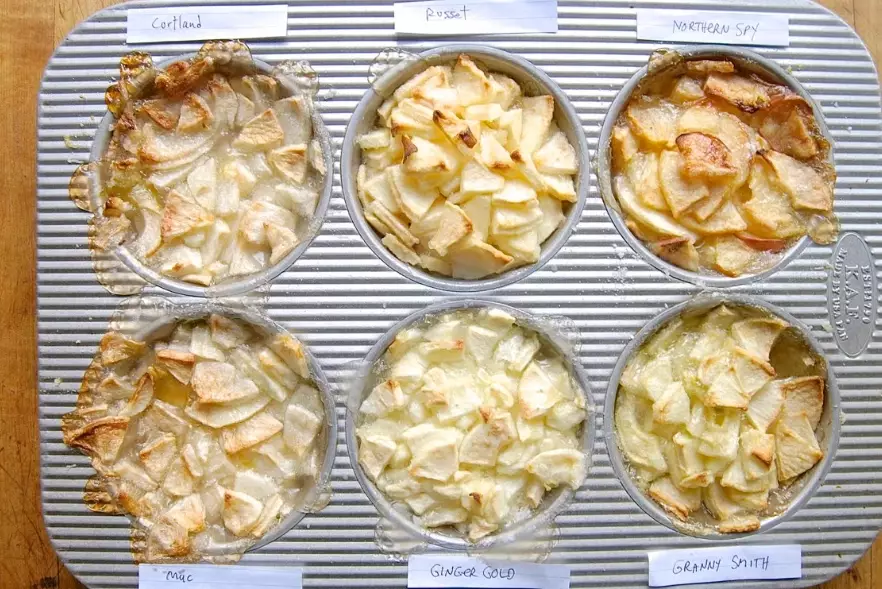
In my opinion, a mix is non-negotiable for a complex, balanced pie. Using two or three different types gives you layers of flavor and a more interesting texture. A classic and nearly foolproof blend is 2 parts firm-tart (like Granny Smith) to 1 part sweet-soft (like Honeycrisp or Jonagold). This gives you structure from the tart apples and juicy, caramelized sweetness from the others.
Here’s a simple checklist for building your blend at the store:
- Pick a “Structural” Apple: This is your base. Choose one known for holding shape: Granny Smith, Northern Spy, Braeburn, or Pink Lady.
- Pick a “Flavor” Apple: This adds complexity. Think Jonagold, Honeycrisp, or even a couple of tart-sweet Galas.
- Consider an “Aromatic” Wild Card: If you're feeling adventurous, throw in one or two apples known for unique flavors, like a spicy Winesap or a floral Arkansas Black.
Prep Like a Pro (It's Easier Than You Think)
How you treat your apples before they hit the crust matters just as much as the variety.
To Peel or Not to Peel? This is a holy war among bakers. I peel. Always. The peel can become tough and separate from the flesh during baking, creating weird little ribbons in your filling. It also affects the texture. For a smooth, cohesive bite, peeling is the way to go. That said, if you're using organic apples and enjoy a more rustic texture with extra fiber, leaving the peel on is perfectly fine.
Slice Thickness: Don't just chop. Uniform slices (about 1/4-inch thick) ensure even cooking. A mandoline slicer makes this a 2-minute job, but a sharp knife works just fine. Too thick, and they might be crunchy; too thin, and they'll vanish into mush.
The Biggest Secret: Pre-cooking the Filling? Some bakers swear by sautéing their apple slices in butter with a bit of the sugar and spices for 5-10 minutes before filling the pie. This drives off excess moisture, concentrates the flavor, and guarantees the apples are fully tender. It prevents the dreaded gap between a perfectly baked crust and undercooked apples. I do this for every double-crust pie now. It’s a game-changer.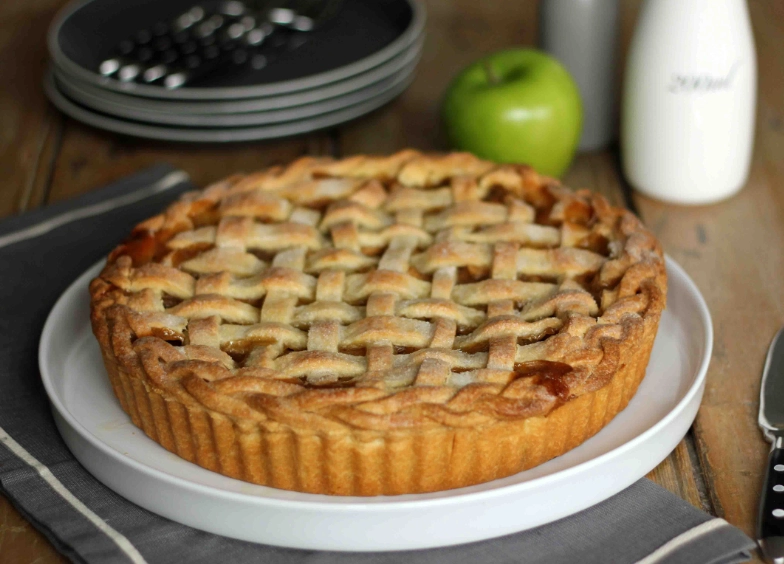
Answering Your Pie-Baking Apple Questions
Can I use the apples I already have in my fridge?
Probably! Don't let the perfect be the enemy of the good. A mix of whatever firm apples you have is better than no pie at all. Just avoid using only very soft varieties (like a forgotten Macintosh). And if they're a bit past their prime, that's okay—baking will soften them anyway. Just cut out any bad spots.
How many apples do I actually need for one pie?
This is the most common practical question. A standard 9-inch deep-dish pie needs about 6 to 8 medium apples, which is roughly 3 pounds. Once peeled and cored, you'll end up with about 10 cups of sliced apples. They cook down more than you think, so don't skimp! A heaping pie is a happy pie.
Are “pre-packaged pie apples” at the store any good?
I'm skeptical. They're often a mix of unspecified varieties, and you have no idea how long they've been sitting there, losing moisture. Part of the joy of baking a pie is selecting the fruit. That said, in a pinch, they're better than nothing. Just check the bag—if the apples look shriveled or feel soft, pass.
Can I use frozen apples?
You can, but with a major caveat. Frozen apple slices release a ton of water when they thaw. If you're going to use them, do not thaw first. Toss the frozen slices directly with your sugar, spices, and an increased amount of thickener (add an extra tablespoon). Bake from frozen, and expect a slightly longer baking time and a potentially soggier bottom crust.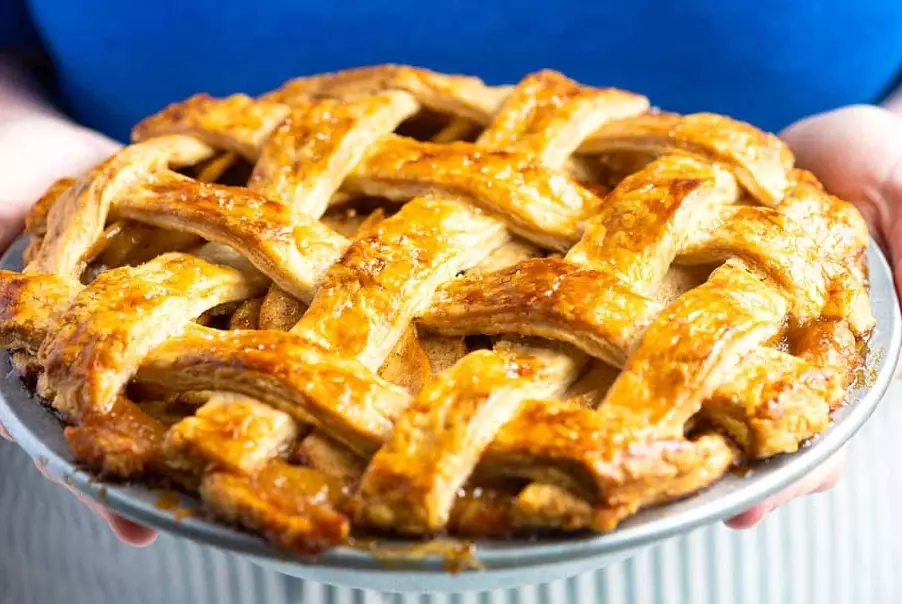
What about adding other fruit?
Absolutely! A handful of cranberries mixed with your apples adds a fantastic tart pop. Pears pair beautifully. Even a few raspberries can be lovely. Just remember that berries are very juicy, so you may need to adjust your thickener again.
Beyond the Supermarket: The Orchard Advantage
If you really want to elevate your apples for pie baking, late summer and fall are your seasons to explore beyond the grocery store. Visiting a local orchard or farmers' market is the single best thing you can do.
Why? First, variety. You'll find heirlooms and regional specialties you've never heard of—like Ashmead's Kernel, Cox's Orange Pippin, or Esopus Spitzenburg (reportedly Thomas Jefferson's favorite). Second, freshness. An apple just off the tree is firmer, juicier, and more flavorful than one that's been in cold storage for months. That freshness translates directly to a better-textured, better-tasting pie.
Don't be shy to ask the growers for their pie recommendations. They live and breathe this stuff. I once met an orchardist who recommended a 50/50 blend of a tart heirloom called “Wolf River” and “SnowSweet.” It was the best pie I'd made all season.
For credible, in-depth information on apple varieties, their history, and characteristics, resources like the U.S. Apple Association website are invaluable. For science-based storage and handling tips that affect pie quality, university agricultural extensions, like those from Washington State University (a major apple-growing region), provide trustworthy, research-backed guidance.
At the end of the day, the “best” apple for pie baking is the one that makes a pie you love to eat and share. It might be a classic Granny Smith, a reliable Braeburn, or a quirky blend from your local farm stand. The journey is part of the fun—tasting, testing, and finding your perfect mix. So grab a basket, pick some apples, and get baking. Your perfect pie is waiting.
Just promise me you won't use only Red Delicious.
Reader Comments