Quick Navigation
Hey there. March is a weird month, isn't it? One day it's freezing, the next you're thinking about gardening. But for food, it's a seriously exciting time. The bleak winter selection finally starts to break, and the first real signs of spring pop up at the farmer's market and even in the grocery store.
I used to just buy whatever looked good, but then I'd get home with asparagus that tasted like nothing or radishes that were all pith. Not great. Learning what's actually in season in March changed everything. The flavor is brighter, the prices are often better, and honestly, it just feels right to eat with the calendar.
So, let's talk about March seasonal produce. This isn't just a list. It's a how-to guide for making the most of this transitional month. We'll cover what to look for, how to store it, simple ways to prepare it, and answer the questions you're probably typing into Google right now.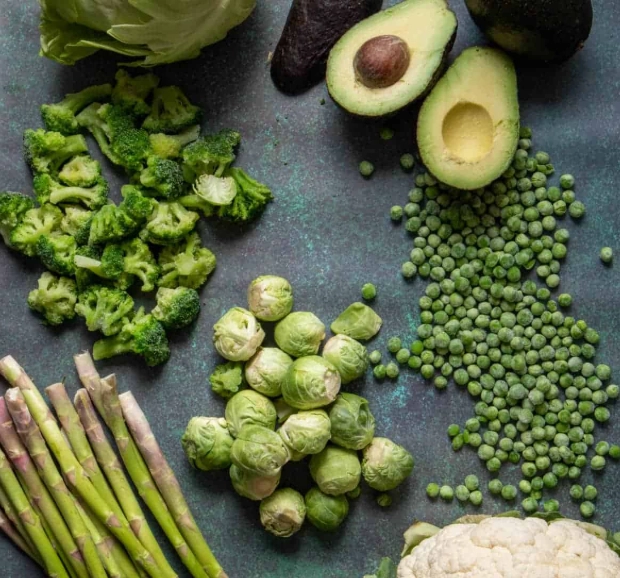
Let's get into it.
What's Actually Growing in March?
This depends heavily on where you live, of course. A March harvest in Florida looks different from one in Oregon. But for most temperate climates, March is the tail end of the sturdy winter crops and the thrilling beginning of the early spring ones. It's a beautiful overlap.
The real magic of focusing on March seasonal produce is the flavor peak. A carrot that's been in the ground all winter develops an incredible sweetness. Newly cut asparagus is tender and grassy in a way the shipped-in stuff never is.
The Vegetable Stars of March
This is where the action is. The vegetable selection in March is arguably more exciting than the fruit.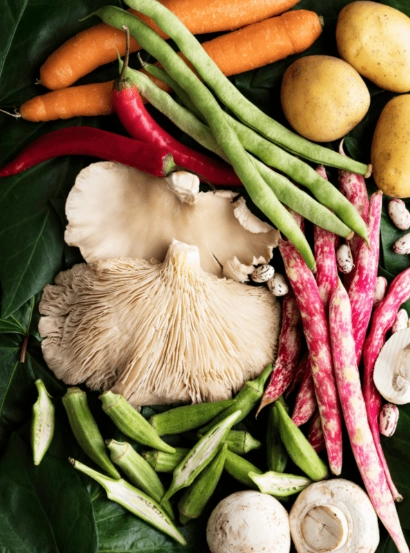
Top Tip: At the store, don't just look in the main aisles. Check for locally sourced sections or signs that say "local" or "seasonal." That's usually where you'll find the best March seasonal produce.
Asparagus: The undeniable queen of spring. When it's fresh and in-season, it snaps cleanly about an inch from the bottom. If it bends limply, it's old. Look for tight, purple-tinged tips. I'm not a fan of the super thick, woody stalks—they can be tough. The pencil-thin ones are tender but can overcook in a blink. I go for medium.
Artichokes: Their peak season is spring, and March is the start. They look intimidating, but they're worth the effort. Go for globes that feel heavy for their size with tight, squeaky leaves. A little bronzing on the outer leaves is okay, but avoid lots of black spots or leaves that are spreading wide open.
Peas (& their cousins): This includes garden peas (shelling peas), sugar snap peas, and snow peas. Fresh peas are a revelation—sweet and crisp. Pods should be vibrant green, plump, and firm. Avoid any that are yellowed, limp, or have visible bulges from overgrown peas inside.
Leafy Greens: This is a huge category. We're still seeing the last of hearty winter greens like kale and collards, but now we get the more tender spring varieties:
- Spinach: Tender, sweet, and perfect raw or cooked. Look for deep green leaves without sliminess.
- Swiss Chard: The colorful stems (rainbow chard) are a bonus. The leaves are great sautéed, and the stems take a minute longer to cook.
- Lettuce: Butter lettuce, romaine, and crisphead varieties start coming in. Heads should feel firm and heavy.
- Watercress & Arugula: These peppery greens are fantastic for adding a punch to salads and sandwiches.
Root Vegetables (The Sweet End): Carrots, parsnips, beets, and turnips have been sweetening up in the cold ground. They're still fantastic in March. You'll often find them with their tops still on at markets—a sign of recent harvest. The greens should look fresh, not wilted.
Alliums: Onions, leeks, and green onions (scallions) are foundational. Leeks, in particular, are glorious now—they're milder and sweeter. Just remember to wash them thoroughly, as dirt gets trapped between the layers.
Radishes: The classic red globe radish is a crisp, peppery joy. Also look for French breakfast radishes or beautiful watermelon radishes. They should be firm, not spongy.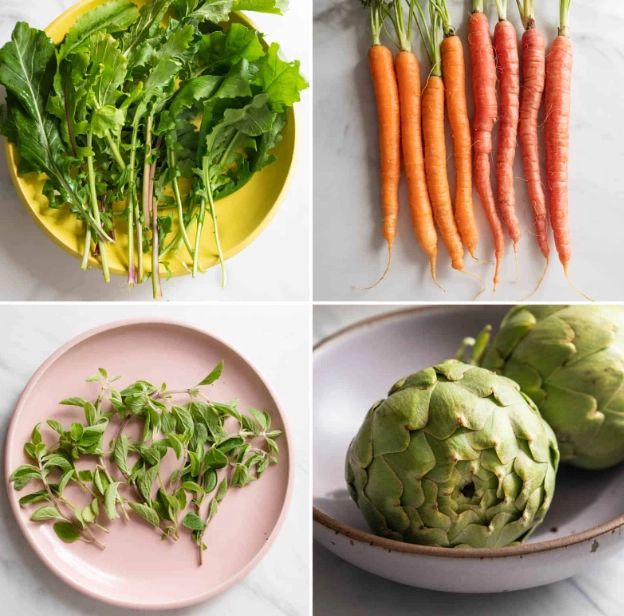
Watch Out: I find that bagged, pre-cut "spring mix" salads in March can still be a bit tired and often contain out-of-season items grown in greenhouses far away. For the true taste of the season, buy whole heads or bunches of individual greens.
The Fruit Scene in March
Fruit is trickier. In many regions, it's still the domain of stored apples and pears, and citrus shipped from warmer climates. But there are bright spots.
Rhubarb: Technically a vegetable, but we use it like a fruit. It's one of the first true signs of spring. Look for firm, crisp stalks with vibrant red or pink color (though green stalks are fine too, just more tart). The leaves are toxic, so they're always removed before sale.
Citrus: This is the last hurrah for many varieties. Blood oranges, cara cara oranges, and Meyer lemons are often still at their best in early March. They're a vital burst of sunshine and vitamin C.
Apples & Pears: These are from cold storage, but varieties like Fuji, Granny Smith, and Bosc pears store exceptionally well and can still be crisp and flavorful.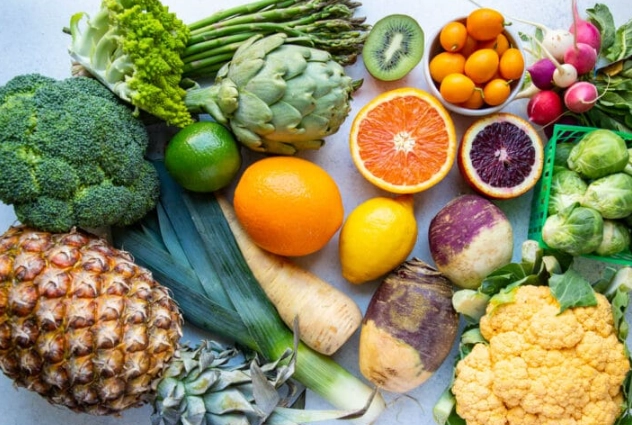
So, you've got your haul of March seasonal produce. Now what?
How to Handle Your March Harvest: Storage & Prep
Nothing's worse than watching beautiful, fresh food go bad in the fridge. A little know-how goes a long way in keeping your March seasonal produce at its best.
| Produce Item | How to Pick the Best | Best Way to Store at Home | A Quick Prep Tip |
|---|---|---|---|
| Asparagus | Stalks that snap, tight tips, vibrant green. | Stand upright in a jar with an inch of water in the fridge (like flowers), loosely cover with a bag. Or wrap ends in a damp paper towel in a produce bag. | Snap off the woody ends. No need to peel unless stalks are very thick. |
| Leafy Greens (Spinach, Chard) | Crisp, perky leaves without yellowing or slime. | Remove any bands, wrap in dry paper towels, place in a loosely sealed bag or container in the high-humidity crisper drawer. | Swish in a big bowl of cold water to dislodge grit. Dry thoroughly in a salad spinner—this is key for crisp salads. |
| Peas (Sugar Snap, Snow) | Plump, bright green, firm pods that snap. | In a perforated plastic bag or unsealed container in the crisper. They lose sweetness fast, so eat quickly! | Just trim the stem end and any string along the seam. Eat whole. |
| Radishes | Firm, smooth skin, vibrant greens (if attached). | Remove greens if attached (they draw moisture from the root). Store roots in a container/bag in the crisper. Store greens separately wrapped in a towel. | Scrub clean. No need to peel. The greens are edible! Sauté them like spinach. |
| Rhubarb | Firm, crisp stalks. Color varies. | Wrap in plastic wrap or place in a sealed bag in the crisper. Can be frozen after chopping. | Wash, trim ends. Always discard the leaves. No need to peel unless stalks are very fibrous. |
| Leeks | Straight, white stalks with dark green leaves. Firm, not rubbery. | Unwashed, in a plastic bag in the crisper. | Trim root and tough dark green tops. Slice lengthwise and fan under cold running water to rinse out all the grit between layers. |
Pro Storage Secret: Your fridge's crisper drawers have humidity settings for a reason. The "high humidity" setting (usually a closed vent) is perfect for things that wilt: leafy greens, herbs, peas, asparagus. The "low humidity" setting (open vent) is for fruits and vegetables that emit ethylene gas or are prone to rot: apples, citrus, mushrooms. Storing your March seasonal produce correctly can easily double its fridge life.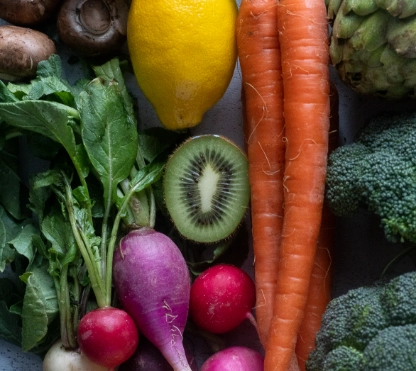
Simple Ways to Eat Your March Seasonal Produce
You don't need fancy recipes. Often, the best approach is the simplest one to let the fresh flavors shine.
My Go-To Methods for March Veggies
Roasting: This is my absolute favorite for almost everything. It concentrates flavors and brings out natural sugars. Toss asparagus, radishes (yes, roasted radishes are mild and delicious), carrot chunks, or trimmed leeks in a little oil, salt, and pepper. Roast at 425°F (220°C) until tender and caramelized at the edges.
Sautéing/Stir-Frying: Perfect for the greens. Heat a pan with a little oil or butter, add sliced garlic or ginger, then throw in chopped chard, spinach, or sliced asparagus. Cook just until wilted and vibrant. Finish with a squeeze of lemon.
Steaming: The classic for asparagus and artichokes. It preserves their delicate flavor and bright color. For asparagus, it should take just 3-5 minutes.
Eating Raw: Don't overlook this! Shave raw asparagus thinly with a peeler for a salad. Make a slaw with sliced radishes and carrots. Make a big, simple salad with all the different lettuces and greens.
Dead-Easy Dinner Idea: Toss roasted asparagus and radishes with cooked pasta, a handful of peas, lots of black pepper, Parmesan cheese, and a splash of the pasta cooking water. It's a full meal that celebrates March seasonal produce in under 30 minutes.
What to Do with March Fruits
Rhubarb: It's almost always cooked and sweetened. The simplest thing is a compote: chop it, simmer with a little water and sugar (or maple syrup) until it breaks down. Swirl into yogurt, spoon over oatmeal, or serve with ice cream.
Citrus: Supreme the oranges (cut out the segments) for a gorgeous salad with fennel and olives. Use Meyer lemon juice in a vinaigrette for your spring greens. Zest any citrus and freeze it for later use—it's flavor gold.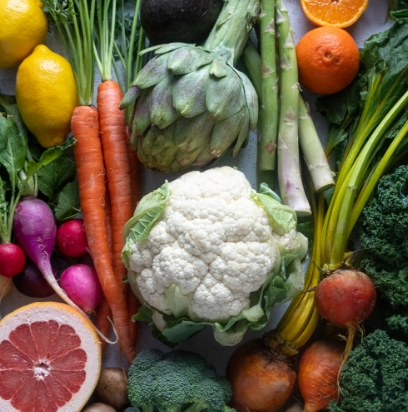
Answers to Your March Produce Questions (The FAQ)
Here are the things I wondered about when I first got into seasonal eating. The kind of stuff you search for.
Is organic worth it for March seasonal produce?
It depends on the item. For thin-skinned items you eat a lot of, like leafy greens and spinach, I personally lean towards organic if it's within budget. For things with thick peels or husks you remove, like asparagus or artichokes, it's less critical. The Environmental Working Group's "Dirty Dozen" list is a helpful, annually updated resource that highlights produce with the highest pesticide residues. In the end, eating more fruits and vegetables, organic or not, is the most important thing.
Can I freeze fresh March produce?
Absolutely! It's a fantastic way to preserve the season. Blanch vegetables like asparagus, peas, and greens first: boil briefly, then plunge into ice water to stop the cooking. Dry, then spread on a tray to freeze individually before bagging. This prevents a giant frozen block. Rhubarb can be chopped and frozen raw on a tray. I freeze portions of spring pesto (made with herbs and greens) in ice cube trays too.
Why does seasonal food sometimes cost more?
It can be frustrating. Sometimes it's because local, small-scale farming has higher labor costs. Sometimes it's because the demand is high for a short window. But often, I find that when something is truly at its peak abundance—like mountains of asparagus in late March—the price actually drops. It's worth comparing prices and buying from a farmer's market or CSA (Community Supported Agriculture) when you can. The flavor difference makes it worth a slight premium for me.
Where can I find reliable information on what's in season near me?
This is the best question. National guides (like this one) are a great start, but localizing is key.
- Your State's Department of Agriculture: Many publish seasonal availability charts. A quick search for "[Your State] seasonal produce chart" often works.
- Local Harvest: The website LocalHarvest.org is an excellent tool for finding farmer's markets, CSAs, and farms near you. Talking to the farmers themselves is the ultimate source of truth.
- The USDA's Seasonal Produce Guide: While national in scope, the USDA's guide offers a solid monthly overview and helpful resources.
A Reality Check: Don't stress about being perfect. If you can add one or two in-season items to your cart this March, that's a win. The goal is to connect more with your food, not to pass a purity test.
The Bigger Picture: Why Bother with Seasonal Eating?
Beyond the better taste, there are real reasons to pay attention to the March harvest calendar.
Nutrition: Produce picked and eaten at its peak often has higher levels of vitamins and antioxidants. A study published in the International Journal of Food Sciences and Nutrition found significant seasonal variation in the nutrient content of some vegetables.
Supporting Local Economies: Buying March seasonal produce, especially from local farms, keeps money in your community and supports agricultural land preservation.
Environmental Footprint: Food grown locally and in-season typically requires less transportation, refrigeration, and packaging than something flown in from another hemisphere. The non-profit Seasonal Food Guide offers a deeper dive into the environmental benefits.
It's More Fun: Honestly, it makes cooking and eating more interesting. You get to anticipate things (I wait for asparagus all winter), and then enjoy them fully before moving on to the next season's delights. It creates a rhythm to the year.
March isn't the most abundant month, but it's one of the most hopeful.
The selection of March seasonal produce is a promise. A promise that winter is ending and that the incredible variety of spring and summer is just around the corner. By choosing that bunch of asparagus, those crisp radishes, or that first pint of peas, you're not just making dinner. You're tasting the season itself.
Start simple. Next time you're shopping, look for one thing you know is coming into season. Feel how firm it is, notice its color. Take it home and prepare it simply. Taste the difference. That's really all it takes to begin.
Reader Comments