Quick Guide
Let's be honest. We order a Caesar salad thinking we're making the "healthy" choice. It's just lettuce, right? Then you get that plate, piled high with creamy dressing, crunchy croutons, and that deliciously salty cheese. It tastes amazing, but a little voice in the back of your head starts wondering. What am I actually eating? What's the real Caesar salad nutritional information?
I used to order them all the time without a second thought. That was until I started tracking my meals and decided to look it up. Boy, was I in for a shock. The numbers weren't what I expected at all. It's not necessarily bad, but it's not the virtuous diet plate I imagined either. It's a classic case of a dish that can be a light starter or a calorie bomb, depending entirely on how it's made.
So, let's pull back the curtain. We're going to dissect every single part of a classic Caesar, from the romaine heart to the last Parmesan shaving. We'll look at the calories, the fat, the protein, and everything in between. More importantly, we'll figure out how to enjoy it without derailing your goals. Whether you're counting macros, watching your sodium, or just trying to eat more veggies, understanding this salad is key.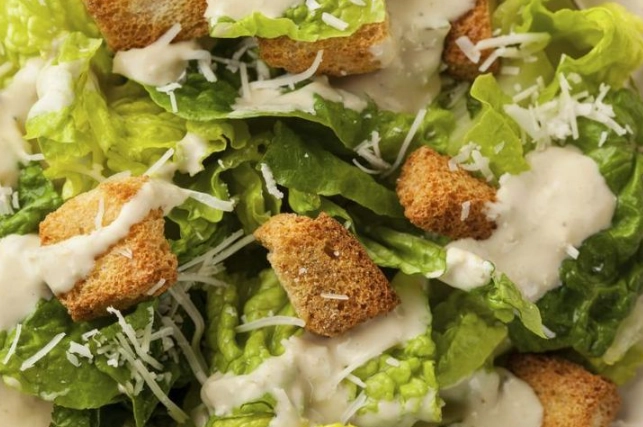
The Bottom Line Up Front: A standard restaurant Caesar salad with dressing, croutons, and cheese can easily range from 350 to over 800 calories. The main culprits? The generous pour of oil-and-egg-based dressing and the handful of carb-heavy croutons. But the romaine lettuce itself is a nutritional powerhouse. The story is all about balance.
Breaking Down the Caesar: A Nutritional Autopsy
To really understand Caesar salad nutrition information, you have to look at it piece by piece. It's a team effort, and some team members are pulling a lot more weight (calorically speaking) than others.
The Foundation: Romaine Lettuce
This is the hero, the green base we often take for granted. Per two-cup serving (about 100g), romaine is incredibly low in calories but high in valuable nutrients.
- Calories: A measly 15-20. It's practically free, calorically.
- Key Nutrients: Packed with Vitamin A (over 100% of your daily needs in a big serving), Vitamin K, folate, and fiber. It's also mostly water, which helps with hydration and fullness.
So far, so good. The problem is never the lettuce.
The Star (and the Villain): Caesar Dressing
Ah, the dressing. This is where the nutritional information for Caesar salad takes a sharp turn. Traditional Caesar dressing is an emulsion of:
- Oil (usually olive oil): Healthy fats, but dense in calories (120 calories per tablespoon).
- Egg yolk (raw or coddled): Adds creaminess, protein, and more fat.
- Parmesan cheese: For umami and saltiness.
- Anchovies: The secret ingredient for that savory depth.
- Garlic, lemon juice, mustard, Worcestershire sauce: For flavor.
A single quarter-cup (4 tablespoon) serving of homemade-style dressing can contain:
- Calories: 320-400
- Fat: 35-40g (5-6g saturated)
- Sodium: 500-800mg
And let's be real—many restaurants use more than a quarter-cup. They drown it. I've seen salads that are more dressing than lettuce, and that's when the calorie count skyrockets. Bottled versions can be even worse, often adding sugar, stabilizers, and lower-quality oils.
Personal Pet Peeve: The "light" or "fat-free" bottled dressings. They often replace the fat with added sugars, starches, and a laundry list of gums to mimic the texture. You sometimes end up with a weirdly sweet, gloopy product that's not much better, and definitely less satisfying. I'd rather have a smaller amount of the real stuff.
The Crunch Factor: Croutons
Those buttery, garlicky, toasted bread cubes. A half-cup serving (a typical restaurant scatter) can add:
- Calories: 100-150
- Carbs: 15-20g
- Fat: 4-7g (depending on how much butter/oil they're fried or baked in)
They're essentially empty carbs—little fiber, minimal protein. They provide texture and flavor, but not much nutritional value.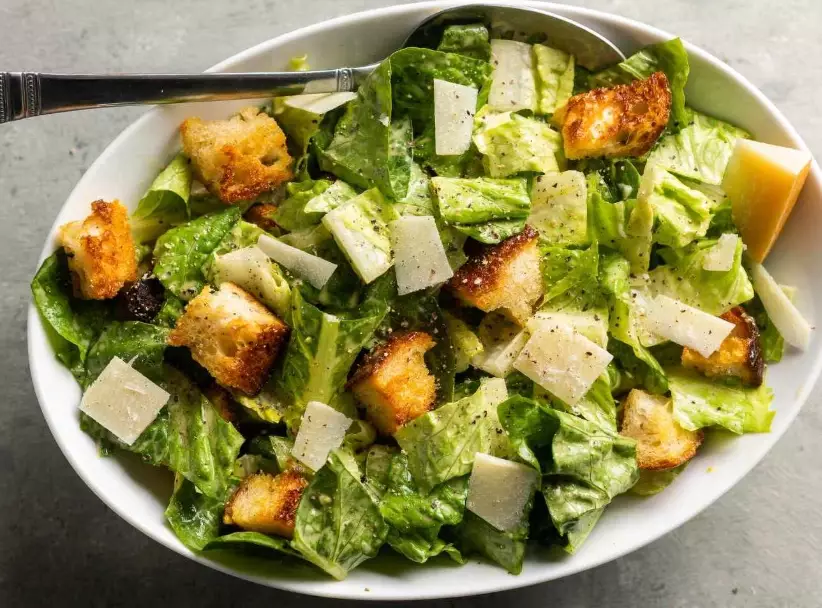
The Salty Finish: Parmesan Cheese
The final sprinkle. An ounce (about a quarter-cup grated) of real Parmigiano-Reggiano adds:
- Calories: 110
- Protein: 10g (excellent source!)
- Fat: 7g (5g saturated)
- Calcium: About 30% of your daily value.
- Sodium: 330mg
So, cheese is a mixed bag. It's a great source of protein and calcium, but it's also calorie-dense and salty. A little goes a long way for flavor.
The Full Picture: Classic Caesar Salad Nutrition Facts
Let's put it all together. Here’s a detailed breakdown for a typical, full-sized restaurant Caesar salad, the kind served as a main course. This assumes a hefty amount of dressing, which is, unfortunately, the norm.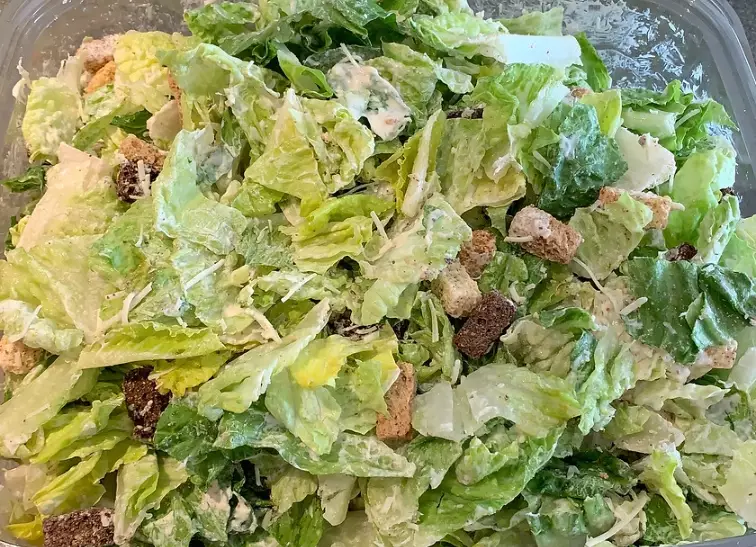
| Component | Approx. Amount | Calories | Total Fat | Saturated Fat | Carbs | Protein | Sodium |
|---|---|---|---|---|---|---|---|
| Romaine Lettuce | 4 cups (chopped) | 30 | 0.5g | 0g | 6g | 2g | 20mg |
| Caesar Dressing | 1/3 cup (5+ tbsp) | 450 | 48g | 8g | 3g | 3g | 900mg |
| Croutons | 3/4 cup | 180 | 7g | 2g | 25g | 4g | 350mg |
| Parmesan Cheese | 1/3 cup grated | 145 | 10g | 6g | 1g | 13g | 440mg |
| TOTAL (Typical Restaurant Main) | ~805 | ~65.5g | ~16g | ~35g | ~22g | ~1710mg |
See what I mean? Over 800 calories and a day's worth of sodium in one salad bowl. The fat content, while mostly from olive oil (a healthy monounsaturated fat), is extremely high. This is why getting accurate Caesar salad calorie and nutrition information is so crucial for making informed choices.
Context is Key: 800 calories isn't inherently "bad." For some people with high energy needs, this could be a perfect meal. The issue is the expectation versus reality. Most of us order a salad thinking it's a light option, and this is anything but light. It's a full, rich meal.
Now, a side salad version would be much smaller—maybe half the lettuce, a tablespoon or two of dressing, a sprinkle of cheese, and few croutons. That might land you in the 200-300 calorie range, which is perfectly reasonable.
How to Build a Better, Healthier Caesar Salad
Don't worry, I'm not telling you to eat dry lettuce. The goal is to maximize flavor and nutrition while being mindful of the heavy-hitters. Here's my practical playbook, stuff I actually do at home.
1. Rethink the Dressing (The Game Changer)
This is the number one lever you can pull. You have options:
- The "Less is More" Approach: Use the traditional dressing, but measure it. Try 1.5-2 tablespoons instead of a deluge. Toss the lettuce thoroughly to coat every leaf. You'll be surprised how far a little can go.
- The "Lightened-Up" Homemade Version: Make your own with smart swaps.
- Use 2 parts Greek yogurt or light mayonnaise to 1 part olive oil.
- Keep the anchovies, garlic, lemon, Parmesan, and mustard for authentic flavor.
- This cuts the fat and calories by half while adding a protein boost from the yogurt.
- The "On the Side" Maneuver (for restaurants): Always, always ask for the dressing on the side. Dip your fork into the dressing before spearing a bite of salad. You'll use about a quarter of what they'd pour on.
I started making a yogurt-based version, and honestly? My family couldn't tell the difference. It was still creamy, tangy, and garlicky.
2. Upgrade or Skip the Croutons
If you need the crunch, try these:
- Toasted Chickpeas: Toss canned chickpeas with olive oil and spices, roast until crispy. Adds protein, fiber, and crunch.
- Seeds & Nuts: A tablespoon of sunflower seeds, pumpkin seeds, or sliced almonds.
- Whole-Grain Croutons: Make your own from whole-wheat or seeded bread.
- Just Skip Them: Sometimes I do. The dressing and cheese provide plenty of texture contrast.
3. Boost the Protein & Veggies (Make it a True Meal)
Turn your side salad into a nutritionally complete main event.
Adding a lean protein source changes everything. It balances the macros and keeps you full for hours.
- Grilled Chicken Breast: The classic add-on. 4 oz adds about 35g of protein for ~180 calories.
- Shrimp: Light, flavorful, and low-calorie.
- Salmon: Adds heart-healthy omega-3 fats.
- Hard-Boiled Eggs: Chopped egg adds creaminess and protein.
- White Beans or Lentils: For a plant-based protein and fiber boost.
Also, don't be afraid to add more veggies! Thinly sliced kale, shredded Brussels sprouts, or even some cherry tomatoes can add volume, nutrients, and different textures without many calories.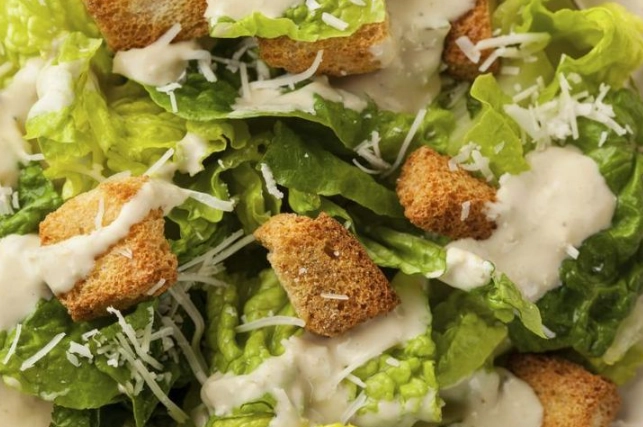
Your Caesar Salad Nutrition Questions, Answered
1. Skip the croutons entirely. They are pure carbs.
2. Check the dressing. Traditional dressing is usually keto-friendly (fat from oil, minimal carbs). But some bottled or restaurant dressings have added sugar. Ask for ingredients or make your own.
3. Load up on protein like chicken, shrimp, or bacon.
A crouton-less Caesar with a good dressing and extra protein is an excellent keto meal.
Finding Reliable Nutrition Data: A Quick Note
When you're looking up nutritional information for Caesar salad, remember that numbers vary wildly. A chain restaurant's website is your best bet for their specific recipe. For generic data, I rely on the USDA's FoodData Central database. It's the gold standard for unbiased food composition data. You can look up individual ingredients like "romaine lettuce," "Parmesan cheese," and "croutons" to build your own estimate.
It takes a little work, but it's worth it for the clarity.
The Final Toss: Making Peace with Your Caesar
Look, I'm not here to ruin Caesar salad for you. I love it too. That creamy, savory, crunchy combo is hard to beat. The point of digging into all this Caesar salad nutritional information isn't to create fear; it's to create awareness and empowerment.
Now you know the score. You know that the dressing and croutons are the calorie kings. You know that adding protein makes it a meal. You know to ask for dressing on the side.
So go ahead. Enjoy your salad. Just do it with your eyes wide open. Toss it with knowledge, not just dressing.
Reader Comments